Apple's Siri Overhaul: Privacy-First Strategy
Written by Emily J. Thompson, Senior Investment Analyst
Updated: 38 minutes ago
0mins
Should l Buy AAPL?
Source: seekingalpha
- Privacy-First Design: Apple's Siri overhaul will adhere to privacy standards and will not employ the extensive data collection strategies used by competitors, which has caused its AI products to lag behind those of companies like Anthropic and OpenAI; however, Apple believes this strategy will pay off in the long run.
- Standalone App Launch: The new Siri will be launched as a standalone app, differentiating itself from other chatbots that rely on in-app conversations, with Apple implementing strict limits on information collection and storage duration, including an auto-delete chat feature to enhance user privacy.
- Technical Collaboration: Apple will leverage Google's technology, with the new Siri foundational models drawing from Gemini's capabilities, potentially allowing Google to handle some security protocols and utilize its cloud infrastructure, thereby enhancing Siri's functionality and security.
- Testing Phase: The new Siri app is expected to be released in beta form with iOS 27, recalling that when Siri was first launched in 2011, it remained in beta for nearly two years, indicating Apple's cautious approach to refining product details.
Trade with 70% Backtested Accuracy
Stop guessing "Should I Buy AAPL?" and start using high-conviction signals backed by rigorous historical data.
Sign up today to access powerful investing tools and make smarter, data-driven decisions.
Analyst Views on AAPL
Wall Street analysts forecast AAPL stock price to rise
27 Analyst Rating
17 Buy
9 Hold
1 Sell
Moderate Buy
Current: 300.230

Low
239.00
Averages
306.89
High
350.00
Current: 300.230
Low
239.00
Averages
306.89
High
350.00
About AAPL
Apple Inc. designs, manufactures and markets smartphones, personal computers, tablets, wearables and accessories, and sells a variety of related services. Its product categories include iPhone, Mac, iPad, Wearables, Home and Accessories. Its services include advertising, AppleCare, cloud services, digital content, and payment services. The Company operates various platforms, including the App Store, that allow customers to discover and download applications and digital content, such as books, music, video, games and podcasts. It also offers digital content through subscription-based services, including Apple Arcade, Apple Fitness+, Apple Music, Apple News+, and Apple TV+. Its wearables include smartwatches, wireless headphones, and spatial computers. Its products include iPhone 16 Pro, iPhone 16, iPhone 15, iPhone 14, iPhone SE, MacBook Air, MacBook Pro, iMac, Mac mini, Mac Studio, Mac Pro, iPad Pro, iPad Air, AirPods, AirPods Pro, AirPods Max, Apple TV, Apple Vision Pro and others.
About the author

Emily J. Thompson
Emily J. Thompson, a Chartered Financial Analyst (CFA) with 12 years in investment research, graduated with honors from the Wharton School. Specializing in industrial and technology stocks, she provides in-depth analysis for Intellectia’s earnings and market brief reports.
Apple Cuts iPhone 17 Prices Ahead of 618 Holiday

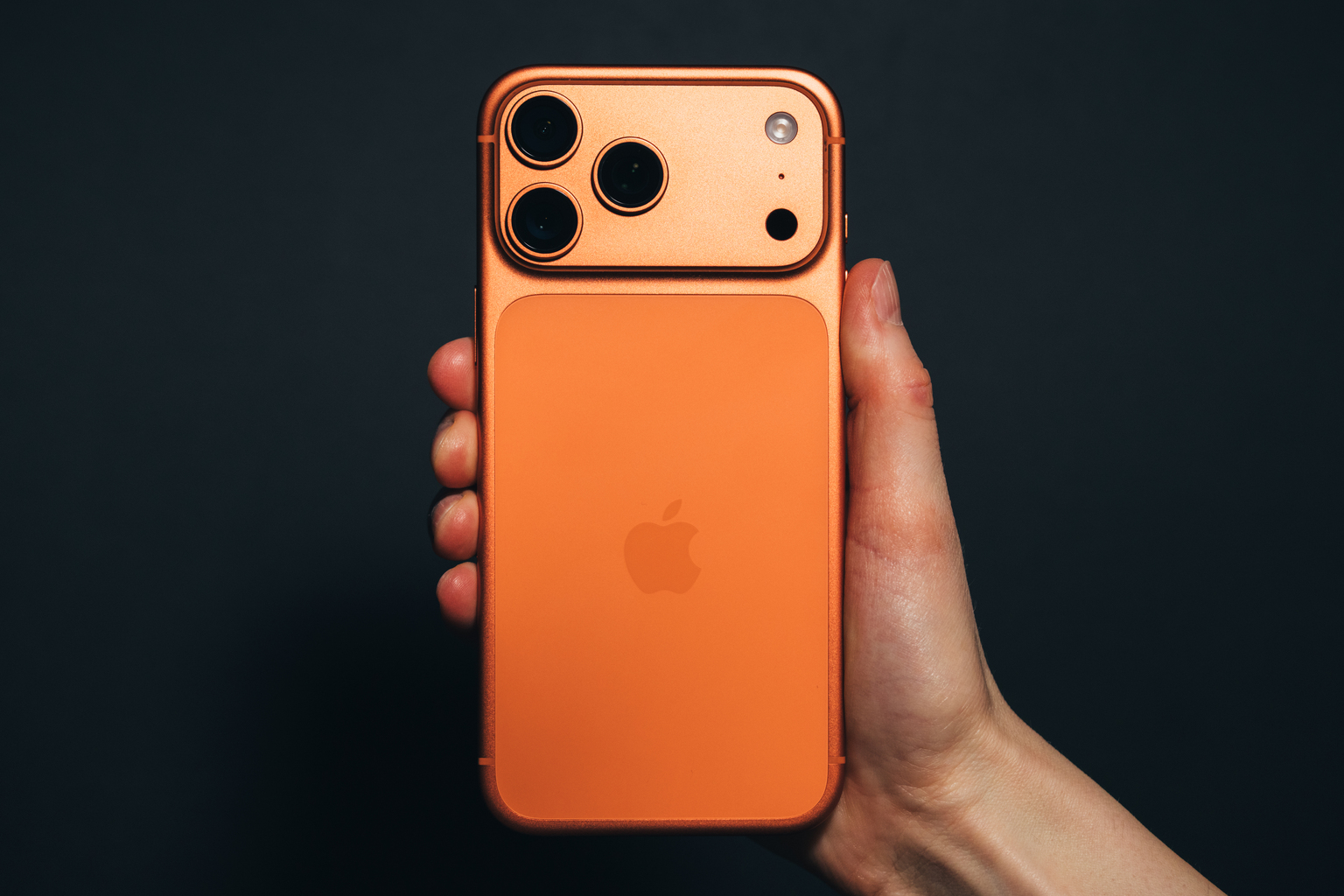
- Pricing Strategy: Apple has reduced the prices of some iPhone 17 Pro models by 1,000 yuan to 6,999 yuan in China, aiming to boost sales ahead of the upcoming 618 shopping festival, which is expected to enhance consumer purchasing willingness and strengthen market competitiveness.
- Promotional Impact: By leveraging trade-in programs and other promotional strategies, consumers can enjoy a lower effective price when purchasing the iPhone 17 Pro, which will further drive sales growth and enhance brand loyalty.
- Increased Market Competition: The price cuts are not exclusive to Apple, as competitors like Huawei and Xiaomi have also lowered their smartphone prices, indicating intensified market competition that may lead to an overall price war in the smartphone sector.
- Stock Market Reaction: Following the price cut announcement, Apple shares rose by 0.5%, reflecting a positive market response to this strategy and indicating investor optimism regarding Apple's sales prospects in the Chinese market.
See More

Oppenheimer Optimistic on Mega-Cap Tech Stocks Outlook

- Tech Stock Recovery: Despite ongoing weakness in the Dow Jones Industrial Average, Oppenheimer Asset Management believes the outlook for mega-cap tech stocks remains positive, particularly as several companies within the Magnificent Seven show improving technical momentum, indicating sustained investor appetite for growth-oriented equities.
- Market Divergence: Oppenheimer analysts highlight that the recent divergence between the Dow and leading tech stocks suggests that, while cyclical segments face pressure, investor interest in tech remains robust, potentially broadening leadership within the sector in the coming months.
- Portfolio Adjustment Strategy: Oppenheimer plans to trim certain oversized positions back to a more standard overweight allocation, yet recommends reallocating capital towards less extended Magnificent Seven names, specifically Apple, Nvidia, Alphabet, and Amazon, to maintain overall sector exposure.
- Year-to-Date Performance: Year-to-date, Apple has risen 10.4%, Nvidia 20.8%, Alphabet 25.3%, and Amazon 14.4%, indicating strong performance among the Magnificent Seven, which may continue to provide substantial returns for investors.
See More

Apple's Siri Overhaul: Privacy-First Strategy
- Privacy-First Design: Apple's Siri overhaul will adhere to privacy standards and will not employ the extensive data collection strategies used by competitors, which has caused its AI products to lag behind those of companies like Anthropic and OpenAI; however, Apple believes this strategy will pay off in the long run.
- Standalone App Launch: The new Siri will be launched as a standalone app, differentiating itself from other chatbots that rely on in-app conversations, with Apple implementing strict limits on information collection and storage duration, including an auto-delete chat feature to enhance user privacy.
- Technical Collaboration: Apple will leverage Google's technology, with the new Siri foundational models drawing from Gemini's capabilities, potentially allowing Google to handle some security protocols and utilize its cloud infrastructure, thereby enhancing Siri's functionality and security.
- Testing Phase: The new Siri app is expected to be released in beta form with iOS 27, recalling that when Siri was first launched in 2011, it remained in beta for nearly two years, indicating Apple's cautious approach to refining product details.
See More
Nvidia Earnings in Focus as Market Reacts Mutedly


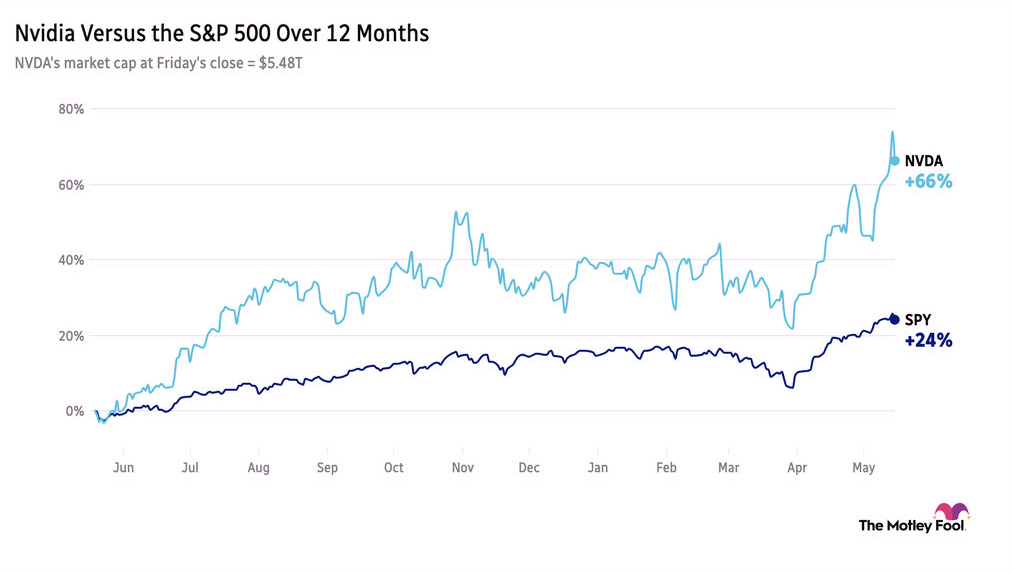
- Nvidia Earnings Expectations: Nvidia is expected to report an 80% year-over-year revenue growth for Q1, with its market cap briefly exceeding $5.7 trillion last week, underscoring its leadership in the AI sector, despite a 4.4% drop in stock price last Friday.
- Market Impact Analysis: Analysts note that Nvidia accounts for 9% of the S&P 500 index and contributed 20% to the index's total returns for 2026, highlighting its significant influence on overall market performance, particularly driven by AI stocks.
- Retail Earnings Outlook: TJX anticipates a 6% year-over-year revenue increase for Q1, while Walmart is expected to maintain strong performance following a 12% EPS growth, indicating continued consumer spending resilience.
- Berkshire Portfolio Adjustments: Berkshire Hathaway, under new CEO Abel, acquired a $2.6 billion stake in Delta Air Lines and reduced investments in banking and healthcare sectors, reflecting a strategy focused on concentrated investments.
See More
Trump Says He Should Have Asked for Bigger Intel Stake


- Equity Stake Reflection: Trump stated in a Fortune interview that he should have asked for a larger stake in Intel, despite the U.S. government acquiring a 9.9% stake last year, which helped reverse the company's declining stock price at the time.
- Stock Surge: Since the U.S. government converted $5.7 billion in CHIPS Act grants into equity, Intel's stock has soared over 300%, reflecting market confidence in its future and highlighting the importance of government support for corporate recovery.
- Market Competition Insight: Trump suggested that had he implemented tariff protections during his presidency, Intel could have become the largest company globally, indicating concerns over the competitiveness of U.S. firms against Chinese chip manufacturers and emphasizing America's strategic position in the global semiconductor market.
- Future Outlook: With a resurgence in demand for central processing units (CPUs), Bank of America predicts the CPU market could double by 2030, and Intel's core role in the AI era is increasingly vital, as CEO Tan noted that demand for data center CPUs exceeds supply, signaling significant growth potential ahead.
See More
Tim Cook's China Visit Boosts Apple Stock Outlook
- Executive Visit: Apple's CEO Tim Cook participated in a delegation to Beijing under the Trump administration, marking the first visit by a sitting U.S. president in nearly a decade, highlighting the significance of U.S.-China relations and potentially benefiting Apple's manufacturing ties in China.
- Market Share Protection: As China's largest market outside the U.S., improving relations is crucial for Apple to avoid market share losses, especially amid rising competition, making it essential to maintain a good rapport with the Chinese government.
- Tariff Relief: The visit may lead to easing tariffs, reducing Apple's supply chain costs, and ensuring stable relationships with Chinese manufacturing partners, thereby enhancing Apple's competitiveness in the Chinese retail market.
- Stock Performance: On May 15, Apple's stock reached an all-time high of over $300 per share, up more than 10% year-to-date, with a market capitalization exceeding $4 trillion, indicating cautious optimism among investors regarding the company's future prospects.
See More
Apple Cuts iPhone 17 Prices Ahead of 618 Holiday
- Pricing Strategy: Apple has reduced the prices of some iPhone 17 Pro models by 1,000 yuan to 6,999 yuan in China, aiming to boost sales ahead of the upcoming 618 shopping festival, which is expected to enhance consumer purchasing willingness and strengthen market competitiveness.
- Promotional Impact: By leveraging trade-in programs and other promotional strategies, consumers can enjoy a lower effective price when purchasing the iPhone 17 Pro, which will further drive sales growth and enhance brand loyalty.
- Increased Market Competition: The price cuts are not exclusive to Apple, as competitors like Huawei and Xiaomi have also lowered their smartphone prices, indicating intensified market competition that may lead to an overall price war in the smartphone sector.
- Stock Market Reaction: Following the price cut announcement, Apple shares rose by 0.5%, reflecting a positive market response to this strategy and indicating investor optimism regarding Apple's sales prospects in the Chinese market.
See More
Oppenheimer Optimistic on Mega-Cap Tech Stocks Outlook
- Tech Stock Recovery: Despite ongoing weakness in the Dow Jones Industrial Average, Oppenheimer Asset Management believes the outlook for mega-cap tech stocks remains positive, particularly as several companies within the Magnificent Seven show improving technical momentum, indicating sustained investor appetite for growth-oriented equities.
- Market Divergence: Oppenheimer analysts highlight that the recent divergence between the Dow and leading tech stocks suggests that, while cyclical segments face pressure, investor interest in tech remains robust, potentially broadening leadership within the sector in the coming months.
- Portfolio Adjustment Strategy: Oppenheimer plans to trim certain oversized positions back to a more standard overweight allocation, yet recommends reallocating capital towards less extended Magnificent Seven names, specifically Apple, Nvidia, Alphabet, and Amazon, to maintain overall sector exposure.
- Year-to-Date Performance: Year-to-date, Apple has risen 10.4%, Nvidia 20.8%, Alphabet 25.3%, and Amazon 14.4%, indicating strong performance among the Magnificent Seven, which may continue to provide substantial returns for investors.
See More
Apple's Siri Overhaul: Privacy-First Strategy
- Privacy-First Design: Apple's Siri overhaul will adhere to privacy standards and will not employ the extensive data collection strategies used by competitors, which has caused its AI products to lag behind those of companies like Anthropic and OpenAI; however, Apple believes this strategy will pay off in the long run.
- Standalone App Launch: The new Siri will be launched as a standalone app, differentiating itself from other chatbots that rely on in-app conversations, with Apple implementing strict limits on information collection and storage duration, including an auto-delete chat feature to enhance user privacy.
- Technical Collaboration: Apple will leverage Google's technology, with the new Siri foundational models drawing from Gemini's capabilities, potentially allowing Google to handle some security protocols and utilize its cloud infrastructure, thereby enhancing Siri's functionality and security.
- Testing Phase: The new Siri app is expected to be released in beta form with iOS 27, recalling that when Siri was first launched in 2011, it remained in beta for nearly two years, indicating Apple's cautious approach to refining product details.
See More
Nvidia Earnings in Focus as Market Reacts Mutedly
- Nvidia Earnings Expectations: Nvidia is expected to report an 80% year-over-year revenue growth for Q1, with its market cap briefly exceeding $5.7 trillion last week, underscoring its leadership in the AI sector, despite a 4.4% drop in stock price last Friday.
- Market Impact Analysis: Analysts note that Nvidia accounts for 9% of the S&P 500 index and contributed 20% to the index's total returns for 2026, highlighting its significant influence on overall market performance, particularly driven by AI stocks.
- Retail Earnings Outlook: TJX anticipates a 6% year-over-year revenue increase for Q1, while Walmart is expected to maintain strong performance following a 12% EPS growth, indicating continued consumer spending resilience.
- Berkshire Portfolio Adjustments: Berkshire Hathaway, under new CEO Abel, acquired a $2.6 billion stake in Delta Air Lines and reduced investments in banking and healthcare sectors, reflecting a strategy focused on concentrated investments.
See More
Trump Says He Should Have Asked for Bigger Intel Stake
- Equity Stake Reflection: Trump stated in a Fortune interview that he should have asked for a larger stake in Intel, despite the U.S. government acquiring a 9.9% stake last year, which helped reverse the company's declining stock price at the time.
- Stock Surge: Since the U.S. government converted $5.7 billion in CHIPS Act grants into equity, Intel's stock has soared over 300%, reflecting market confidence in its future and highlighting the importance of government support for corporate recovery.
- Market Competition Insight: Trump suggested that had he implemented tariff protections during his presidency, Intel could have become the largest company globally, indicating concerns over the competitiveness of U.S. firms against Chinese chip manufacturers and emphasizing America's strategic position in the global semiconductor market.
- Future Outlook: With a resurgence in demand for central processing units (CPUs), Bank of America predicts the CPU market could double by 2030, and Intel's core role in the AI era is increasingly vital, as CEO Tan noted that demand for data center CPUs exceeds supply, signaling significant growth potential ahead.
See More
Tim Cook's China Visit Boosts Apple Stock Outlook
- Executive Visit: Apple's CEO Tim Cook participated in a delegation to Beijing under the Trump administration, marking the first visit by a sitting U.S. president in nearly a decade, highlighting the significance of U.S.-China relations and potentially benefiting Apple's manufacturing ties in China.
- Market Share Protection: As China's largest market outside the U.S., improving relations is crucial for Apple to avoid market share losses, especially amid rising competition, making it essential to maintain a good rapport with the Chinese government.
- Tariff Relief: The visit may lead to easing tariffs, reducing Apple's supply chain costs, and ensuring stable relationships with Chinese manufacturing partners, thereby enhancing Apple's competitiveness in the Chinese retail market.
- Stock Performance: On May 15, Apple's stock reached an all-time high of over $300 per share, up more than 10% year-to-date, with a market capitalization exceeding $4 trillion, indicating cautious optimism among investors regarding the company's future prospects.
See More