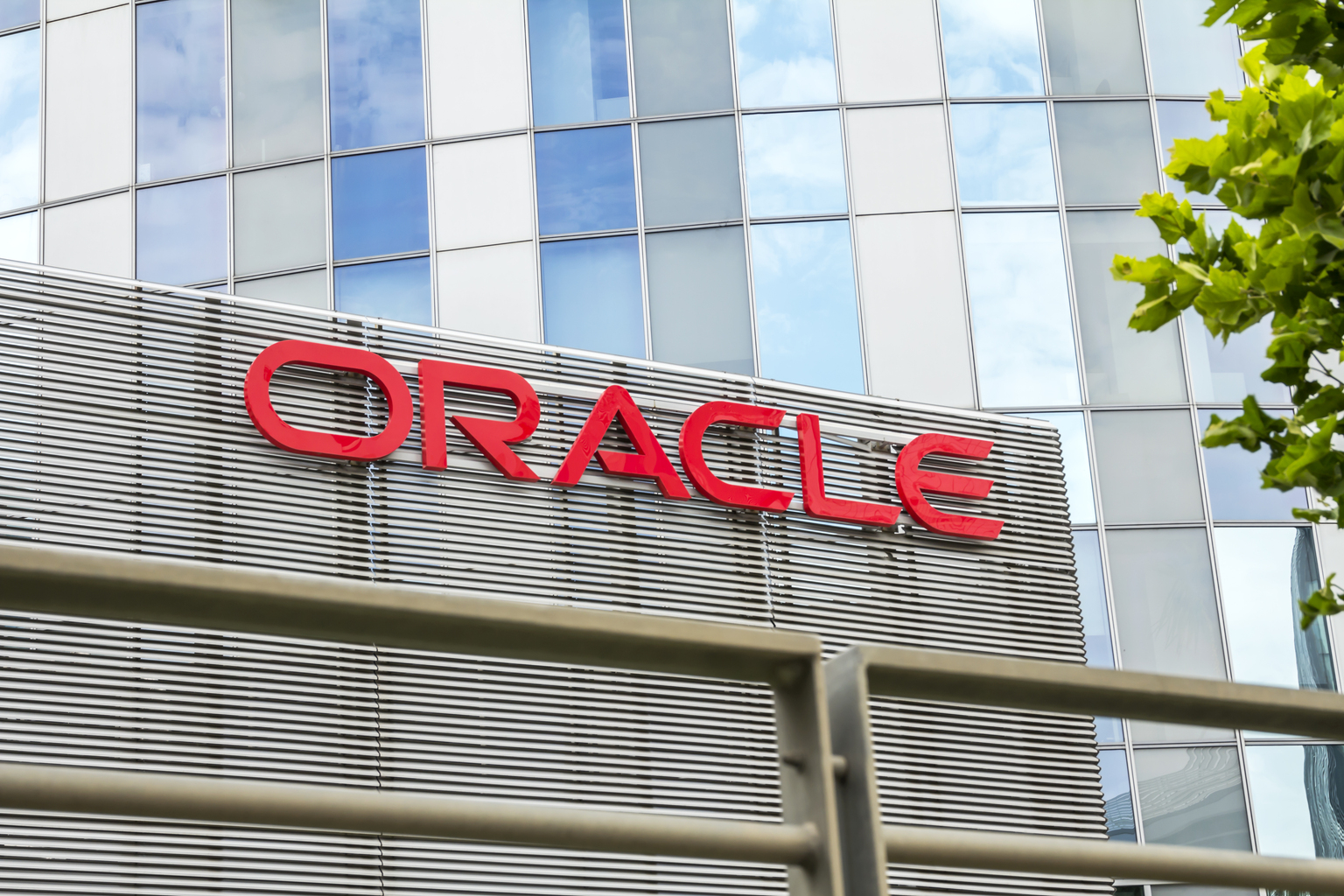
Bitcoin Surges Above $70K Amid Iran Outreach
Written by Emily J. Thompson, Senior Investment Analyst
Updated: Mar 04 2026
0mins

Should l Buy AAPL?
Source: Benzinga
- Money Flow Analysis: In early trading, positive money flows were observed in major stocks like Amazon, Meta, NVIDIA, and Tesla, indicating strong investor interest that could drive overall market gains.
- Bitcoin Market Dynamics: Bitcoin surged above $70K due to aggressive buying linked to Iran outreach, highlighting its nature as a speculative risk asset rather than a traditional hedge, which may attract more speculative investors.
- Crude Oil Inventory Changes: API reported a build of 5.6 million barrels in crude oil inventories, significantly exceeding the expected 2.2 million barrels, which may lead to price volatility and impact related energy stocks, necessitating investor vigilance.
- Investment Strategy Recommendations: Investors are advised to maintain long-term quality positions while tactically adding based on market signals to navigate current uncertainties and capitalize on emerging opportunities.
Trade with 70% Backtested Accuracy
Stop guessing "Should I Buy AAPL?" and start using high-conviction signals backed by rigorous historical data.
Sign up today to access powerful investing tools and make smarter, data-driven decisions.
Analyst Views on AAPL
Wall Street analysts forecast AAPL stock price to rise
27 Analyst Rating
17 Buy
9 Hold
1 Sell
Moderate Buy
Current: 255.630

Low
239.00
Averages
306.89
High
350.00
Current: 255.630
Low
239.00
Averages
306.89
High
350.00
About AAPL
Apple Inc. designs, manufactures and markets smartphones, personal computers, tablets, wearables and accessories, and sells a variety of related services. Its product categories include iPhone, Mac, iPad, and Wearables, Home and Accessories. Its software platforms include iOS, iPadOS, macOS, watchOS, visionOS, and tvOS. Its services include advertising, AppleCare, cloud services, digital content and payment services. The Company operates various platforms, including the App Store, that allow customers to discover and download applications and digital content, such as books, music, video, games and podcasts. It also offers digital content through subscription-based services, including Apple Arcade, Apple Fitness+, Apple Music, Apple News+, and Apple TV+. Its products include iPhone 16 Pro, iPhone 16, iPhone 15, iPhone 14, iPhone SE, MacBook Air, MacBook Pro, iMac, Mac mini, Mac Studio, Mac Pro, iPad Pro, iPad Air, AirPods, AirPods Pro, AirPods Max, Apple TV, Apple Vision Pro and others.
About the author

Emily J. Thompson
Emily J. Thompson, a Chartered Financial Analyst (CFA) with 12 years in investment research, graduated with honors from the Wharton School. Specializing in industrial and technology stocks, she provides in-depth analysis for Intellectia’s earnings and market brief reports.

Apple Celebrates 50 Years: A Journey of Technological Transformation

- Historic Milestone: Apple officially turns 50 today, evolving from a garage startup in 1976 to a tech giant with a market capitalization of $3.75 trillion, making it the second-largest company globally, just behind Nvidia.
- Revenue Growth: In fiscal year 2025, Apple reported record revenue of $416 billion, surpassing the GDP of 176 countries, showcasing its strong influence and sustained growth potential in the global market.
- Product Ecosystem: With 27% of the world's population using its products, Apple boasts the largest user base of any brand, and CEO Tim Cook emphasizes the company's commitment to innovation and user privacy as key drivers for future growth.
- Market Resilience: Despite facing competition and market challenges, Apple's iPhone revenue surged by 23% in Q1 of fiscal 2026, while the recent launch of the MacBook Neo attracted a significant number of first-time buyers, demonstrating its strong market adaptability and brand appeal.
See More

Apple's Transformation Challenges in the AI Era


- Privacy vs. AI Dilemma: Apple has long championed privacy as a core principle, contrasting sharply with competitors that rely on advertising, but this strategy has placed it at a disadvantage during the initial wave of generative AI, potentially impacting its future competitiveness.
- Partnership with Google: Apple has struck a multi-year deal to utilize Google's Gemini AI technology for a revamped Siri, with Apple reportedly paying around $20 billion annually to Google as the default search engine, raising concerns about user data privacy in this new arrangement.
- Delayed AI Updates: The long-awaited AI update for Siri has faced delays, with Apple promising a launch by year-end, yet mixed consumer responses indicate a lack of competitive edge in the AI space, which could affect the long-term relevance of its products.
- Future of AI Hardware: As AI shifts towards edge computing, Apple is integrating AI-capable chips into its devices, aiming to process user queries locally, which could resolve privacy issues and reshape its market position in the AI era.
See More

The Magnificent Seven Tech Stocks Face Challenges


- Market Performance Decline: The Magnificent Seven tech stocks, which have excelled in the market over the past few years, have recently faced declines or stagnation due to concerns about AI revenue opportunities and uncertainties in the economic and geopolitical landscape, impacting investor confidence.
- AI Chip Market Outlook: While Nvidia leads the AI chip market, Taiwan Semiconductor Manufacturing, as its chip manufacturer, is expected to play a significant role in future AI growth due to its diversified product line and broad market demand, thereby expanding its market opportunities.
- Broadcom's Growth Potential: Broadcom forecasts AI chip revenue exceeding $100 billion by 2027, successfully meeting strong customer demand with its custom chips, indicating robust growth potential in the AI sector.
- Nebius's Rapid Growth: Nebius Group excels in the AI cloud services space, achieving annual recurring revenue of $1.25 billion, with expectations to grow to $7 billion to $9 billion this year, showcasing its competitiveness and future growth potential in the rapidly expanding AI market.
See More
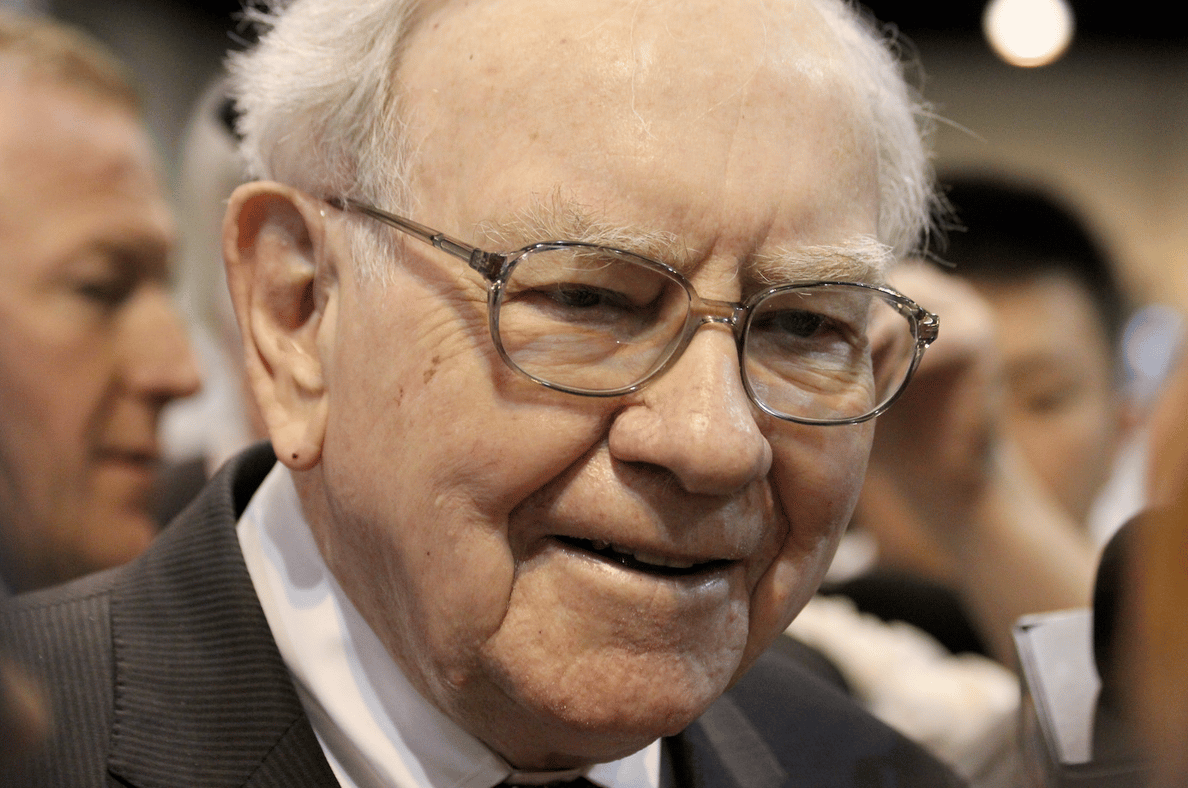
Buffett's Investment Philosophy and Core Holdings

- Apple Investment: Berkshire Hathaway holds a 1.6% stake in Apple, valued at approximately $56.4 billion, representing 18.1% of its portfolio, reflecting the company's confidence in tech stocks despite Buffett's previous reservations.
- American Express Resilience: Berkshire built its 22% stake in American Express between 1991 and 1995, and despite economic challenges, the company maintains strong customer loyalty and consistent profit growth, expected to continue outperforming the S&P 500.
- Coca-Cola's Dividend King Status: Berkshire holds a 9.3% stake in Coca-Cola, and since investing in 1988, the stock has delivered a total return of 3,580%, which, while below the S&P 500, is supported by consistent dividend growth, making it a cornerstone for long-term investment.
- Strategic Significance of Portfolio: Buffett's investment philosophy emphasizes acquiring high-quality companies, and although he has retired, new CEO Abel indicates no major changes to core investments, suggesting Berkshire will continue to focus on long-term value investing.
See More
Oracle's Dubai Office Damaged Amid Rising Tensions in the Middle East

- Incident Overview: Oracle's office in Dubai was damaged by debris from an aerial interception, although no injuries were reported, highlighting the escalating tensions in the Middle East.
- Escalating Security Threats: Iran's Revolutionary Guard has designated 18 tech companies, including Oracle, as 'legitimate targets' in retaliation for U.S. and Israeli strikes, indicating the increasing significance of tech assets in conflicts.
- Industry Impact: James Henderson, CEO of risk management firm Healix, noted that the threats against tech companies are part of a sustained pattern, suggesting that future crises may target data centers and cloud platforms as much as traditional strategic sites.
- Historical Context: In March, Iran attacked Amazon Web Services data centers, causing outages in several apps and digital services in the UAE, underscoring the serious cybersecurity landscape in the region.
See More
Iran Threatens Attacks on U.S. Tech Firms Including Oracle

- Incident Overview: Oracle's building in Dubai sustained minor damage from debris due to an aerial interception, with no injuries reported; however, this incident highlights escalating tensions in the Middle East that could impact Oracle's operational safety in the region.
- Threats to Tech Companies: Iran's Revolutionary Guard has designated 18 U.S. tech firms, including Oracle, as 'legitimate targets' in retaliation for U.S. and Israeli strikes, which raises the operational risks for these companies in the Middle East.
- Rising Cybersecurity Risks: As threats against tech companies escalate, risk management expert James Henderson notes that tech assets are now viewed as integral to the conflict, suggesting future attacks may target data centers and cloud platforms, increasing security vulnerabilities in the industry.
- Historical Context: Iran previously attacked Amazon Web Services data centers in early March, causing outages in various apps and digital services in the UAE, and a repeat of such incidents could severely impact Oracle and other tech firms' operations.
See More
Apple Celebrates 50 Years: A Journey of Technological Transformation
- Historic Milestone: Apple officially turns 50 today, evolving from a garage startup in 1976 to a tech giant with a market capitalization of $3.75 trillion, making it the second-largest company globally, just behind Nvidia.
- Revenue Growth: In fiscal year 2025, Apple reported record revenue of $416 billion, surpassing the GDP of 176 countries, showcasing its strong influence and sustained growth potential in the global market.
- Product Ecosystem: With 27% of the world's population using its products, Apple boasts the largest user base of any brand, and CEO Tim Cook emphasizes the company's commitment to innovation and user privacy as key drivers for future growth.
- Market Resilience: Despite facing competition and market challenges, Apple's iPhone revenue surged by 23% in Q1 of fiscal 2026, while the recent launch of the MacBook Neo attracted a significant number of first-time buyers, demonstrating its strong market adaptability and brand appeal.
See More
Apple's Transformation Challenges in the AI Era
- Privacy vs. AI Dilemma: Apple has long championed privacy as a core principle, contrasting sharply with competitors that rely on advertising, but this strategy has placed it at a disadvantage during the initial wave of generative AI, potentially impacting its future competitiveness.
- Partnership with Google: Apple has struck a multi-year deal to utilize Google's Gemini AI technology for a revamped Siri, with Apple reportedly paying around $20 billion annually to Google as the default search engine, raising concerns about user data privacy in this new arrangement.
- Delayed AI Updates: The long-awaited AI update for Siri has faced delays, with Apple promising a launch by year-end, yet mixed consumer responses indicate a lack of competitive edge in the AI space, which could affect the long-term relevance of its products.
- Future of AI Hardware: As AI shifts towards edge computing, Apple is integrating AI-capable chips into its devices, aiming to process user queries locally, which could resolve privacy issues and reshape its market position in the AI era.
See More
The Magnificent Seven Tech Stocks Face Challenges
- Market Performance Decline: The Magnificent Seven tech stocks, which have excelled in the market over the past few years, have recently faced declines or stagnation due to concerns about AI revenue opportunities and uncertainties in the economic and geopolitical landscape, impacting investor confidence.
- AI Chip Market Outlook: While Nvidia leads the AI chip market, Taiwan Semiconductor Manufacturing, as its chip manufacturer, is expected to play a significant role in future AI growth due to its diversified product line and broad market demand, thereby expanding its market opportunities.
- Broadcom's Growth Potential: Broadcom forecasts AI chip revenue exceeding $100 billion by 2027, successfully meeting strong customer demand with its custom chips, indicating robust growth potential in the AI sector.
- Nebius's Rapid Growth: Nebius Group excels in the AI cloud services space, achieving annual recurring revenue of $1.25 billion, with expectations to grow to $7 billion to $9 billion this year, showcasing its competitiveness and future growth potential in the rapidly expanding AI market.
See More
Buffett's Investment Philosophy and Core Holdings
- Apple Investment: Berkshire Hathaway holds a 1.6% stake in Apple, valued at approximately $56.4 billion, representing 18.1% of its portfolio, reflecting the company's confidence in tech stocks despite Buffett's previous reservations.
- American Express Resilience: Berkshire built its 22% stake in American Express between 1991 and 1995, and despite economic challenges, the company maintains strong customer loyalty and consistent profit growth, expected to continue outperforming the S&P 500.
- Coca-Cola's Dividend King Status: Berkshire holds a 9.3% stake in Coca-Cola, and since investing in 1988, the stock has delivered a total return of 3,580%, which, while below the S&P 500, is supported by consistent dividend growth, making it a cornerstone for long-term investment.
- Strategic Significance of Portfolio: Buffett's investment philosophy emphasizes acquiring high-quality companies, and although he has retired, new CEO Abel indicates no major changes to core investments, suggesting Berkshire will continue to focus on long-term value investing.
See More
Oracle's Dubai Office Damaged Amid Rising Tensions in the Middle East
- Incident Overview: Oracle's office in Dubai was damaged by debris from an aerial interception, although no injuries were reported, highlighting the escalating tensions in the Middle East.
- Escalating Security Threats: Iran's Revolutionary Guard has designated 18 tech companies, including Oracle, as 'legitimate targets' in retaliation for U.S. and Israeli strikes, indicating the increasing significance of tech assets in conflicts.
- Industry Impact: James Henderson, CEO of risk management firm Healix, noted that the threats against tech companies are part of a sustained pattern, suggesting that future crises may target data centers and cloud platforms as much as traditional strategic sites.
- Historical Context: In March, Iran attacked Amazon Web Services data centers, causing outages in several apps and digital services in the UAE, underscoring the serious cybersecurity landscape in the region.
See More
Iran Threatens Attacks on U.S. Tech Firms Including Oracle
- Incident Overview: Oracle's building in Dubai sustained minor damage from debris due to an aerial interception, with no injuries reported; however, this incident highlights escalating tensions in the Middle East that could impact Oracle's operational safety in the region.
- Threats to Tech Companies: Iran's Revolutionary Guard has designated 18 U.S. tech firms, including Oracle, as 'legitimate targets' in retaliation for U.S. and Israeli strikes, which raises the operational risks for these companies in the Middle East.
- Rising Cybersecurity Risks: As threats against tech companies escalate, risk management expert James Henderson notes that tech assets are now viewed as integral to the conflict, suggesting future attacks may target data centers and cloud platforms, increasing security vulnerabilities in the industry.
- Historical Context: Iran previously attacked Amazon Web Services data centers in early March, causing outages in various apps and digital services in the UAE, and a repeat of such incidents could severely impact Oracle and other tech firms' operations.
See More