Bank of Japan Keeps Interest Rates Steady Amid Market Concerns
Written by Emily J. Thompson, Senior Investment Analyst
Updated: 1 hour ago
0mins
Source: CNBC
- Interest Rate Decision: On October 31, 2024, the Bank of Japan decided to keep its benchmark interest rate at 0.75%, aiming to address ongoing economic uncertainties and inflation pressures, despite market expectations for adjustments.
- Market Reaction: Asia-Pacific markets opened lower, with Australia's S&P/ASX 200 index down 1.56%, and Japan's Nikkei 225 futures indicating weakness, reflecting investor concerns about the global economic outlook.
- U.S. Market Impact: The U.S. stock market performed poorly in the previous trading session, with the Dow Jones Industrial Average falling 1.63% to a new annual low, closing below its 200-day moving average, indicating market sensitivity to economic slowdown.
- Energy Price Fluctuations: International benchmark Brent crude futures rose 3.83% to settle at $107.38 per barrel, reflecting the ongoing impact of the Iran war on energy markets, which may further exacerbate global economic uncertainties.
Trade with 70% Backtested Accuracy
Stop guessing "Should I Buy CVX?" and start using high-conviction signals backed by rigorous historical data.
Sign up today to access powerful investing tools and make smarter, data-driven decisions.
Analyst Views on CVX
Wall Street analysts forecast CVX stock price to fall
19 Analyst Rating
15 Buy
4 Hold
0 Sell
Strong Buy
Current: 197.970

Low
158.00
Averages
176.95
High
206.00
Current: 197.970
Low
158.00
Averages
176.95
High
206.00
About CVX
Chevron Corporation is an integrated energy company. The Company produces crude oil and natural gas; manufactures transportation fuels, lubricants, petrochemicals and additives; and develops technologies that enhance its business and industry. The Company’s segments include Upstream and Downstream. Upstream operations consist primarily of exploring for, developing, producing and transporting crude oil and natural gas; liquefaction, transportation and regasification associated with LNG; transporting crude oil by major international oil export pipelines; processing, transporting, storage and marketing of natural gas; carbon capture and storage; and a gas-to-liquids plant. Downstream operations consist primarily of the refining of crude oil into petroleum products; marketing crude oil, refined products, and lubricants; manufacturing and marketing of renewable fuels, and transporting of crude oil and refined products by pipeline, marine vessel, motor equipment and rail car.
About the author

Emily J. Thompson
Emily J. Thompson, a Chartered Financial Analyst (CFA) with 12 years in investment research, graduated with honors from the Wharton School. Specializing in industrial and technology stocks, she provides in-depth analysis for Intellectia’s earnings and market brief reports.
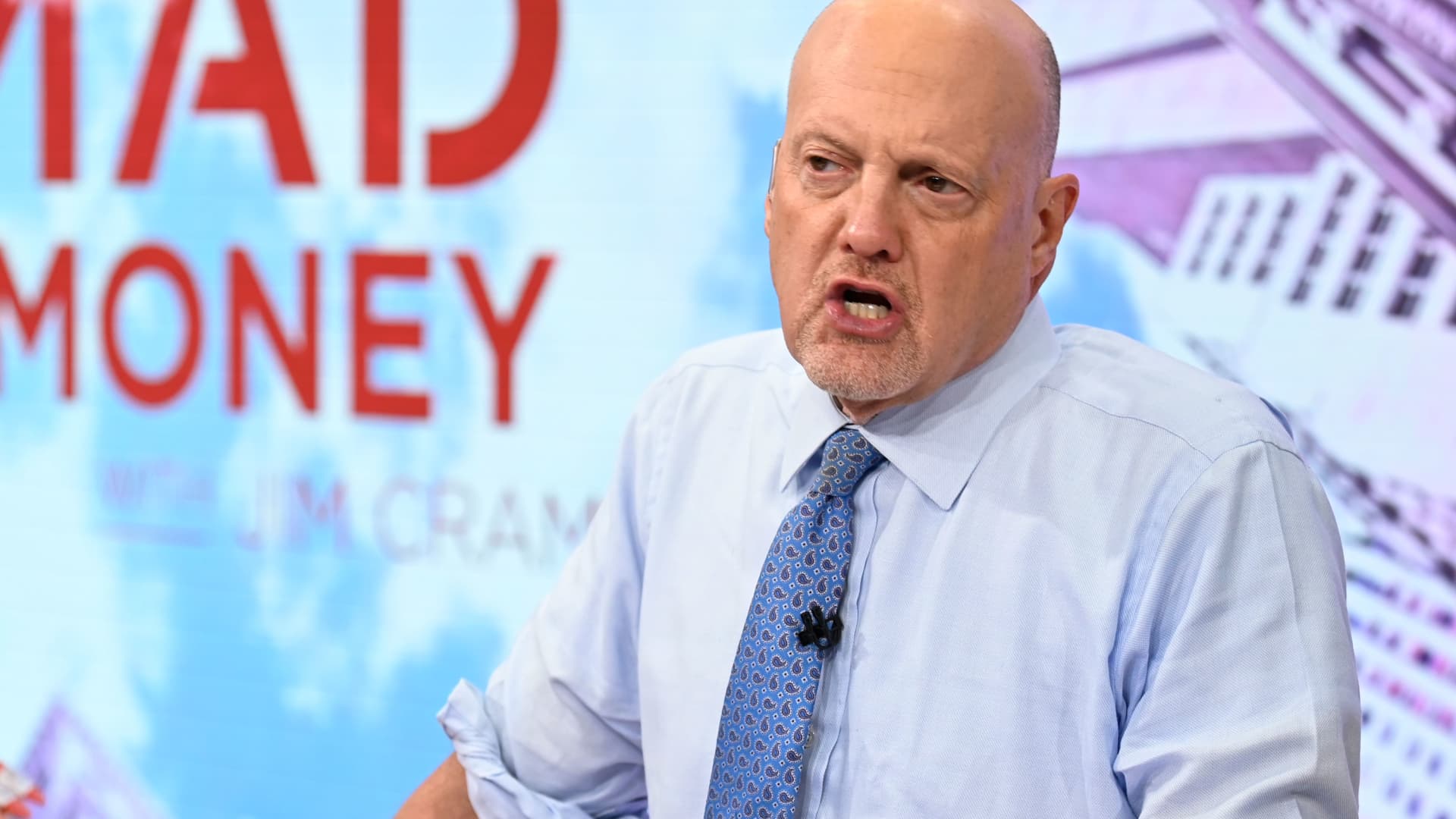
Nvidia Remains a Buy Amid Market Turmoil


- Market Volatility Impact: The stock market experienced significant declines on Wednesday, with the Dow Jones Industrial Average dropping over 750 points, or 1.6%, due to soaring oil prices and high inflation data, reflecting investor concerns about the economic outlook.
- Nvidia Investment Opportunity: Despite the overall market weakness, Jim Cramer continues to recommend Nvidia, believing that its leadership in AI and the upcoming release of a new inference chip will drive its stock price higher, with expected orders reaching $1 trillion by 2027.
- Optimistic Earnings Forecast: Analysts at Cantor Fitzgerald project Nvidia's earnings per share to reach $15 by 2027, making its valuation relatively low at about 12 times the 2027 EPS, compared to the S&P 500's price-to-earnings ratio of 18.
- Positive Long-Term Outlook: Although Nvidia faces short-term pressures from rising oil prices and uncertainties surrounding Federal Reserve policies, Cramer emphasizes the company's strong long-term growth potential, suggesting that its combination of low valuation and rapid growth makes it an attractive investment choice.
See More

Bank of Japan Keeps Interest Rates Steady Amid Market Concerns

- Interest Rate Decision: On October 31, 2024, the Bank of Japan decided to keep its benchmark interest rate at 0.75%, aiming to address ongoing economic uncertainties and inflation pressures, despite market expectations for adjustments.
- Market Reaction: Asia-Pacific markets opened lower, with Australia's S&P/ASX 200 index down 1.56%, and Japan's Nikkei 225 futures indicating weakness, reflecting investor concerns about the global economic outlook.
- U.S. Market Impact: The U.S. stock market performed poorly in the previous trading session, with the Dow Jones Industrial Average falling 1.63% to a new annual low, closing below its 200-day moving average, indicating market sensitivity to economic slowdown.
- Energy Price Fluctuations: International benchmark Brent crude futures rose 3.83% to settle at $107.38 per barrel, reflecting the ongoing impact of the Iran war on energy markets, which may further exacerbate global economic uncertainties.
See More
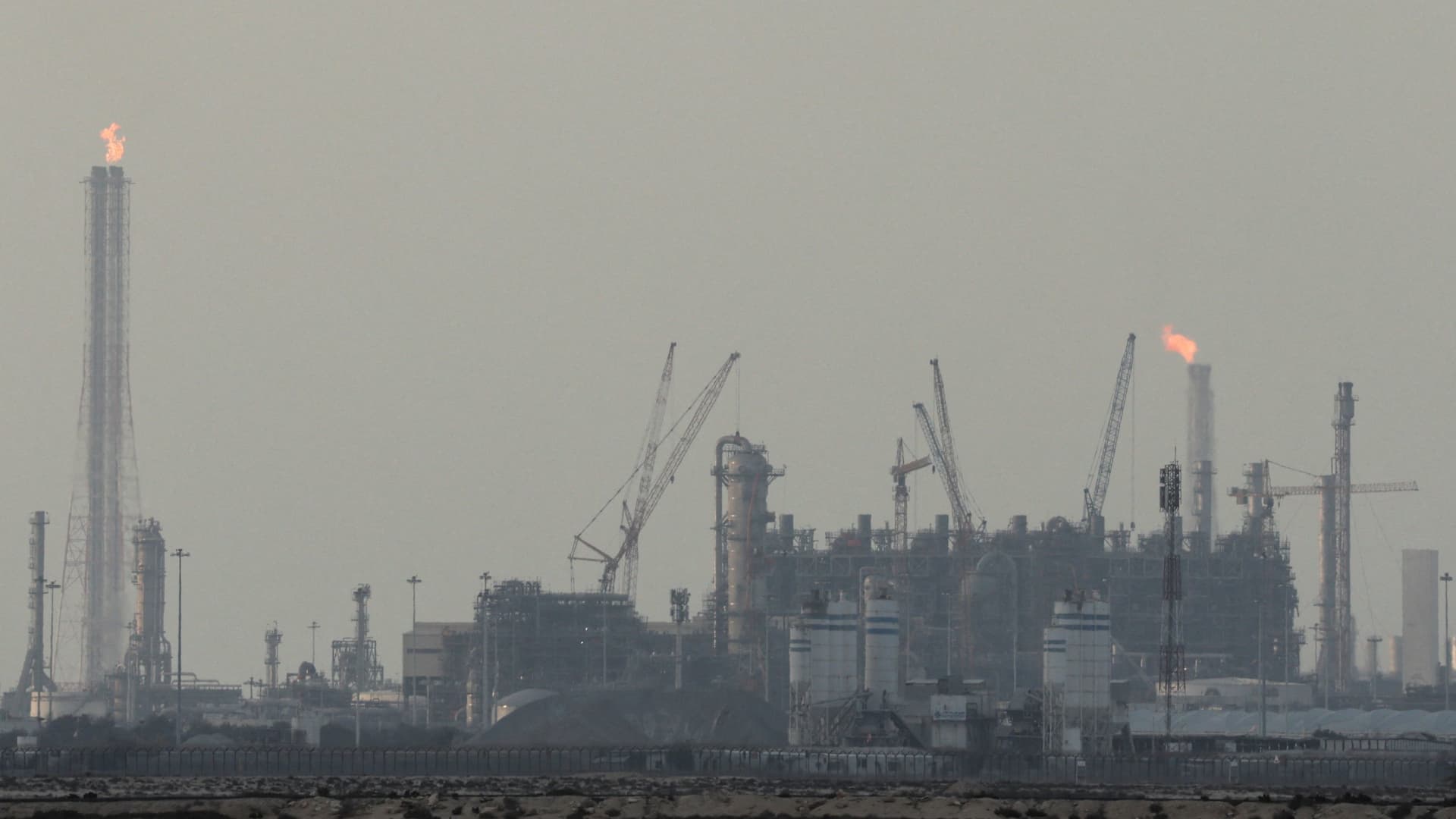
Qatar's LNG Facilities Hit by Iranian Missiles Amid Conflict

- Severe Damage: Qatar reported that Iranian missiles caused extensive damage to the LNG export facilities at Ras Laffan Industrial City, which poses significant operational risks to the world's largest LNG export facility and could disrupt global energy supplies.
- National Security Threat: Qatar's Foreign Ministry condemned the attack as a dangerous escalation and a blatant violation of state sovereignty, underscoring the country's commitment to maintaining national security and regional stability amidst rising tensions.
- Production Halt Impact: Qatar halted LNG production on March 2 due to Iranian drone strikes, and as the world's second-largest LNG exporter, this shutdown could lead to tight global LNG markets, subsequently driving up international oil prices.
- Oil Price Surge Warning: Brent crude prices surged over 7% to $111.23 per barrel, with analysts warning that if energy infrastructure faces widespread attacks, prices could average $130 in the second and third quarters, reflecting the market's heightened sensitivity to Middle Eastern tensions.
See More

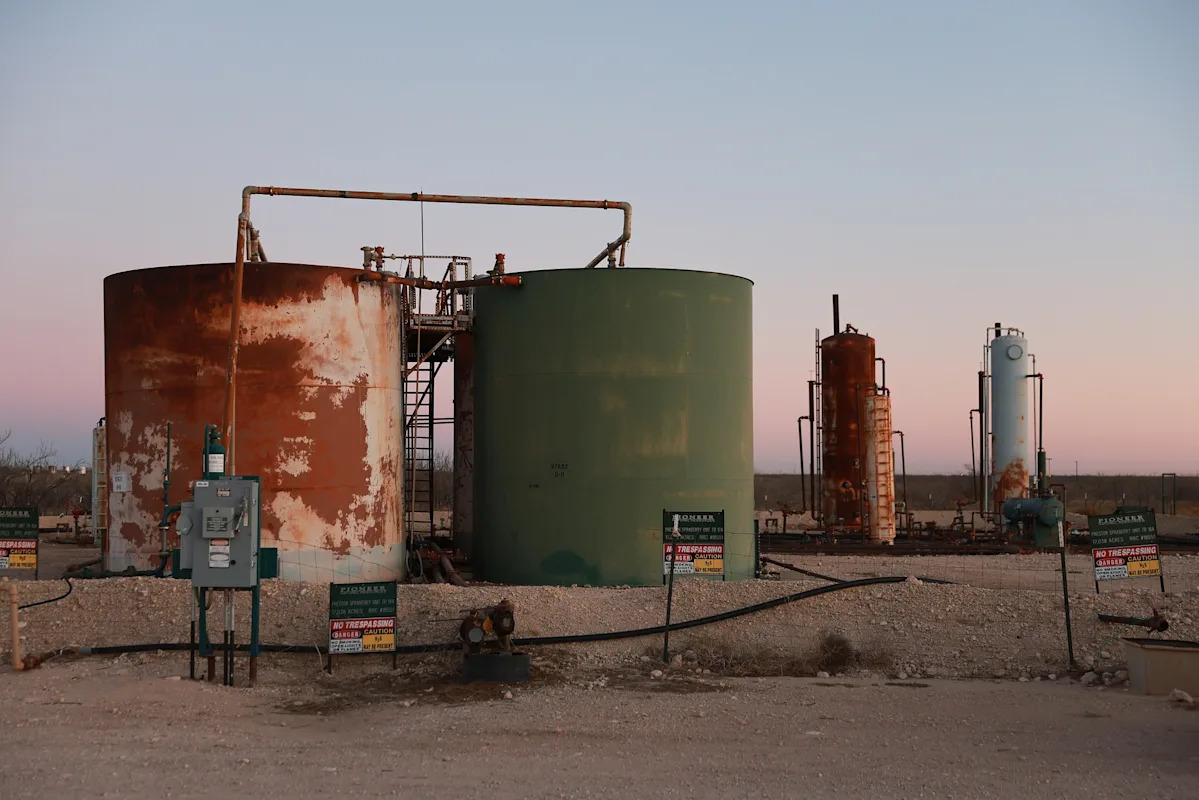
Oil Prices Surge to Historic Highs Amid Geopolitical Tensions

- Oil Price Surge: The closure of the Strait of Hormuz by Iran has led to a significant spike in spot and futures prices, with WTI crude futures reaching $94.20 per barrel and Brent crude at $100.21, indicating strong market reactions to supply disruptions.
- Benchmark Price Analysis: While WTI and Brent prices have risen sharply from a month ago, they remain below historical highs; however, the DME Oman futures contract has hit a record $145.24, reflecting the impact on crude oil exports from the Middle East to Asia.
- Optimistic Profit Outlook: ExxonMobil and Chevron have breakeven prices of $35-40 and $50 per barrel respectively, meaning that as oil prices rise, their profit margins will significantly increase, likely boosting their financial performance.
- Widespread Market Impact: Although rising oil prices are beneficial for oil companies, they pose challenges for other sectors and consumers, potentially leading to increased overall economic costs that could affect consumer spending and economic growth.
See More

Federal Reserve Rate Hike Probability Rises to 19.2%


- Rising Hike Probability: The Atlanta Fed's Market Probability Tracker indicates a rise in the likelihood of a rate hike to 19.2%, compared to a 17.3% chance of a cut, reflecting a sharp reversal in market expectations since the onset of the U.S.-Iran war, which could lead to significant policy adjustments.
- Inflationary Pressures Intensify: The Producer Price Index (PPI) rose by 0.7% in February and 3.4% year-over-year, indicating that inflationary pressures, combined with a weak job market and rising oil prices, may prompt the Fed to raise rates to mitigate risks of economic stagnation.
- Fed's Policy Dilemma: Chair Jerome Powell highlighted the challenge of balancing inflationary risks against labor market concerns, complicating the decision-making process regarding rate hikes or cuts, which may lead to ongoing uncertainty in monetary policy.
- Gold Market Outlook: Despite expectations that Fed rate hikes could pressure gold prices, Goldman Sachs analysts remain bullish, forecasting gold to surpass $5,000 in the second half of 2026, suggesting that sectors like technology and industrials may perform better amid economic acceleration triggered by rate hikes.
See More
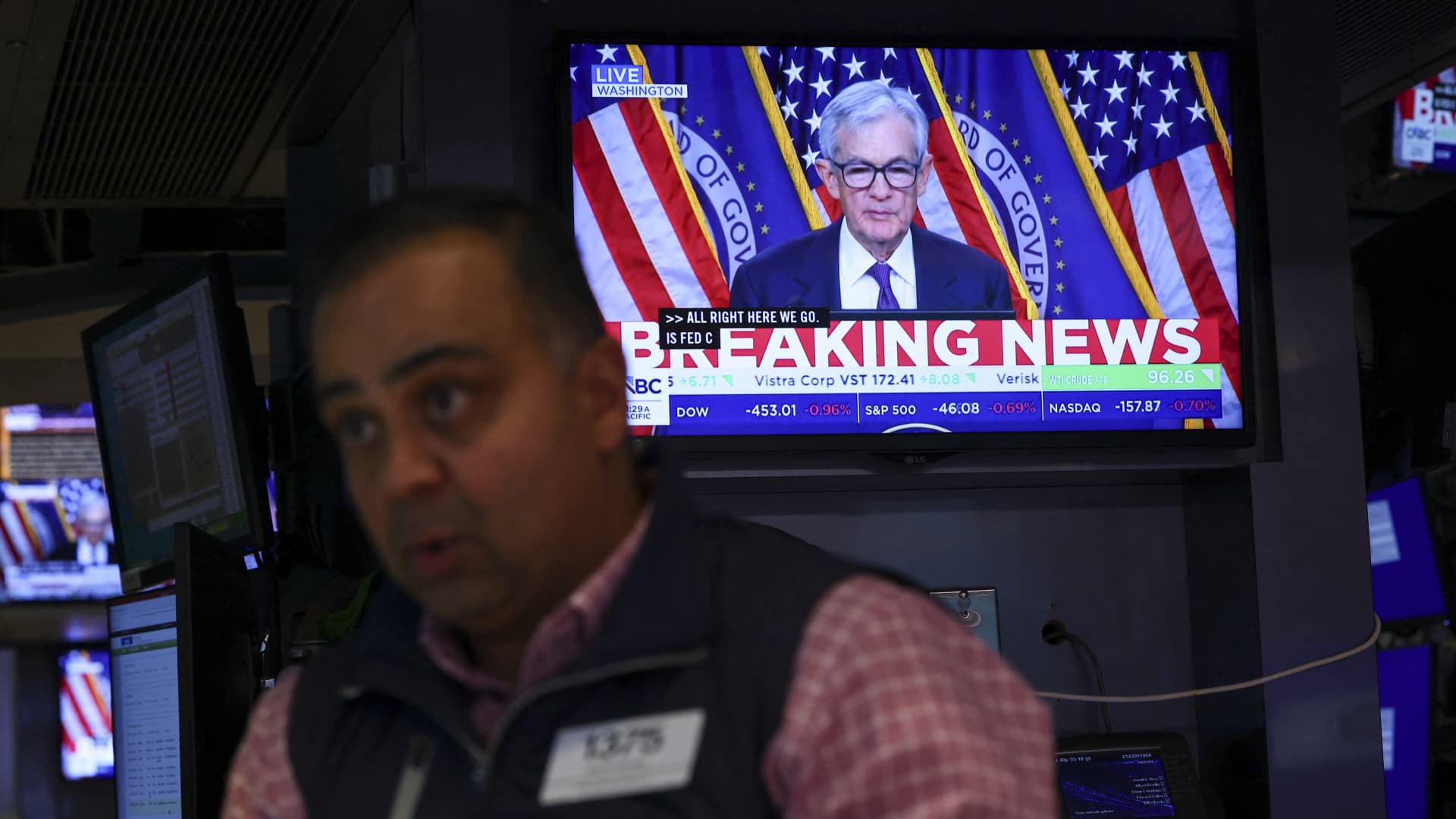
Federal Reserve Holds Rates Steady, Market Reacts Weakly


- Fed Rate Decision: The Federal Reserve decided to keep interest rates steady at a target range of 3.5% to 3.75% during Wednesday's meeting, which, while expected, pressured the stock market as inflation did not decline as quickly as hoped, causing the S&P 500 to drop to session lows.
- Inflation Pressures Intensify: Chairman Powell indicated that rising oil prices due to the Iran war could exacerbate inflation in the near term, with West Texas Intermediate crude briefly topping $99 per barrel and Brent nearing $110, highlighting market concerns about future inflation.
- Future Rate Outlook: Although the Fed projects only one rate cut this year, Powell noted that the longer-term inflation picture could influence this decision, especially given the downside risks in the labor market due to AI job displacement.
- Earnings Report Impact: After Wednesday's close, Micron is set to release its quarterly results, with market attention on its insights regarding memory market conditions, which will help investors gauge the tightness of the DRAM market and its implications for hardware companies like Apple and Cisco.
See More
Nvidia Remains a Buy Amid Market Turmoil
- Market Volatility Impact: The stock market experienced significant declines on Wednesday, with the Dow Jones Industrial Average dropping over 750 points, or 1.6%, due to soaring oil prices and high inflation data, reflecting investor concerns about the economic outlook.
- Nvidia Investment Opportunity: Despite the overall market weakness, Jim Cramer continues to recommend Nvidia, believing that its leadership in AI and the upcoming release of a new inference chip will drive its stock price higher, with expected orders reaching $1 trillion by 2027.
- Optimistic Earnings Forecast: Analysts at Cantor Fitzgerald project Nvidia's earnings per share to reach $15 by 2027, making its valuation relatively low at about 12 times the 2027 EPS, compared to the S&P 500's price-to-earnings ratio of 18.
- Positive Long-Term Outlook: Although Nvidia faces short-term pressures from rising oil prices and uncertainties surrounding Federal Reserve policies, Cramer emphasizes the company's strong long-term growth potential, suggesting that its combination of low valuation and rapid growth makes it an attractive investment choice.
See More
Bank of Japan Keeps Interest Rates Steady Amid Market Concerns
- Interest Rate Decision: On October 31, 2024, the Bank of Japan decided to keep its benchmark interest rate at 0.75%, aiming to address ongoing economic uncertainties and inflation pressures, despite market expectations for adjustments.
- Market Reaction: Asia-Pacific markets opened lower, with Australia's S&P/ASX 200 index down 1.56%, and Japan's Nikkei 225 futures indicating weakness, reflecting investor concerns about the global economic outlook.
- U.S. Market Impact: The U.S. stock market performed poorly in the previous trading session, with the Dow Jones Industrial Average falling 1.63% to a new annual low, closing below its 200-day moving average, indicating market sensitivity to economic slowdown.
- Energy Price Fluctuations: International benchmark Brent crude futures rose 3.83% to settle at $107.38 per barrel, reflecting the ongoing impact of the Iran war on energy markets, which may further exacerbate global economic uncertainties.
See More
Qatar's LNG Facilities Hit by Iranian Missiles Amid Conflict
- Severe Damage: Qatar reported that Iranian missiles caused extensive damage to the LNG export facilities at Ras Laffan Industrial City, which poses significant operational risks to the world's largest LNG export facility and could disrupt global energy supplies.
- National Security Threat: Qatar's Foreign Ministry condemned the attack as a dangerous escalation and a blatant violation of state sovereignty, underscoring the country's commitment to maintaining national security and regional stability amidst rising tensions.
- Production Halt Impact: Qatar halted LNG production on March 2 due to Iranian drone strikes, and as the world's second-largest LNG exporter, this shutdown could lead to tight global LNG markets, subsequently driving up international oil prices.
- Oil Price Surge Warning: Brent crude prices surged over 7% to $111.23 per barrel, with analysts warning that if energy infrastructure faces widespread attacks, prices could average $130 in the second and third quarters, reflecting the market's heightened sensitivity to Middle Eastern tensions.
See More
Oil Prices Surge to Historic Highs Amid Geopolitical Tensions
- Oil Price Surge: The closure of the Strait of Hormuz by Iran has led to a significant spike in spot and futures prices, with WTI crude futures reaching $94.20 per barrel and Brent crude at $100.21, indicating strong market reactions to supply disruptions.
- Benchmark Price Analysis: While WTI and Brent prices have risen sharply from a month ago, they remain below historical highs; however, the DME Oman futures contract has hit a record $145.24, reflecting the impact on crude oil exports from the Middle East to Asia.
- Optimistic Profit Outlook: ExxonMobil and Chevron have breakeven prices of $35-40 and $50 per barrel respectively, meaning that as oil prices rise, their profit margins will significantly increase, likely boosting their financial performance.
- Widespread Market Impact: Although rising oil prices are beneficial for oil companies, they pose challenges for other sectors and consumers, potentially leading to increased overall economic costs that could affect consumer spending and economic growth.
See More
Federal Reserve Rate Hike Probability Rises to 19.2%
- Rising Hike Probability: The Atlanta Fed's Market Probability Tracker indicates a rise in the likelihood of a rate hike to 19.2%, compared to a 17.3% chance of a cut, reflecting a sharp reversal in market expectations since the onset of the U.S.-Iran war, which could lead to significant policy adjustments.
- Inflationary Pressures Intensify: The Producer Price Index (PPI) rose by 0.7% in February and 3.4% year-over-year, indicating that inflationary pressures, combined with a weak job market and rising oil prices, may prompt the Fed to raise rates to mitigate risks of economic stagnation.
- Fed's Policy Dilemma: Chair Jerome Powell highlighted the challenge of balancing inflationary risks against labor market concerns, complicating the decision-making process regarding rate hikes or cuts, which may lead to ongoing uncertainty in monetary policy.
- Gold Market Outlook: Despite expectations that Fed rate hikes could pressure gold prices, Goldman Sachs analysts remain bullish, forecasting gold to surpass $5,000 in the second half of 2026, suggesting that sectors like technology and industrials may perform better amid economic acceleration triggered by rate hikes.
See More
Federal Reserve Holds Rates Steady, Market Reacts Weakly
- Fed Rate Decision: The Federal Reserve decided to keep interest rates steady at a target range of 3.5% to 3.75% during Wednesday's meeting, which, while expected, pressured the stock market as inflation did not decline as quickly as hoped, causing the S&P 500 to drop to session lows.
- Inflation Pressures Intensify: Chairman Powell indicated that rising oil prices due to the Iran war could exacerbate inflation in the near term, with West Texas Intermediate crude briefly topping $99 per barrel and Brent nearing $110, highlighting market concerns about future inflation.
- Future Rate Outlook: Although the Fed projects only one rate cut this year, Powell noted that the longer-term inflation picture could influence this decision, especially given the downside risks in the labor market due to AI job displacement.
- Earnings Report Impact: After Wednesday's close, Micron is set to release its quarterly results, with market attention on its insights regarding memory market conditions, which will help investors gauge the tightness of the DRAM market and its implications for hardware companies like Apple and Cisco.
See More