Apple Reduces App Store Cut to 25% in China
Written by Emily J. Thompson, Senior Investment Analyst
Updated: Mar 13 2026
0mins

Should l Buy AAPL?
Source: stocktwits
- Commission Adjustment: Apple announced a reduction of its App Store commission in China from 30% to 25% effective March 15, a strategic move to avoid antitrust scrutiny from local regulators, highlighting Apple's responsiveness to regulatory pressures.
- Small Developer Incentives: The commission for certain eligible small developers will decrease from 15% to 12%, which is expected to directly enhance earnings for Chinese internet companies, particularly benefiting game developers like Tencent and NetEase.
- Positive Industry Response: Tencent expressed excitement over the adjustment, viewing it as a win-win for the industry, while NetEase stated that the reduction fosters a better relationship between the platform and developers, indicating a favorable market reaction to Apple's policy change.
- Market Impact Assessment: Investment bank Jefferies noted that the adjustment is generally positive for the entertainment sector, including gaming, music, and live streaming, estimating a low-single-digit earnings impact for key players by 2026, reflecting an optimistic outlook for future growth.
Trade with 70% Backtested Accuracy
Stop guessing "Should I Buy AAPL?" and start using high-conviction signals backed by rigorous historical data.
Sign up today to access powerful investing tools and make smarter, data-driven decisions.
Analyst Views on AAPL
Wall Street analysts forecast AAPL stock price to rise
27 Analyst Rating
17 Buy
9 Hold
1 Sell
Moderate Buy
Current: 284.180

Low
239.00
Averages
306.89
High
350.00
Current: 284.180
Low
239.00
Averages
306.89
High
350.00
About AAPL
Apple Inc. designs, manufactures and markets smartphones, personal computers, tablets, wearables and accessories, and sells a variety of related services. Its product categories include iPhone, Mac, iPad, Wearables, Home and Accessories. Its services include advertising, AppleCare, cloud services, digital content, and payment services. The Company operates various platforms, including the App Store, that allow customers to discover and download applications and digital content, such as books, music, video, games and podcasts. It also offers digital content through subscription-based services, including Apple Arcade, Apple Fitness+, Apple Music, Apple News+, and Apple TV+. Its wearables include smartwatches, wireless headphones, and spatial computers. Its products include iPhone 16 Pro, iPhone 16, iPhone 15, iPhone 14, iPhone SE, MacBook Air, MacBook Pro, iMac, Mac mini, Mac Studio, Mac Pro, iPad Pro, iPad Air, AirPods, AirPods Pro, AirPods Max, Apple TV, Apple Vision Pro and others.
About the author

Emily J. Thompson
Emily J. Thompson, a Chartered Financial Analyst (CFA) with 12 years in investment research, graduated with honors from the Wharton School. Specializing in industrial and technology stocks, she provides in-depth analysis for Intellectia’s earnings and market brief reports.

Apple's App Store Revenue Grows 3.7% Year-over-Year

- App Store Revenue Growth: According to BofA, Apple's App Store revenue reached $3.2 billion in Q3 FY2026, reflecting a 3.7% year-over-year increase, indicating strong market demand and enhanced user engagement, with projected services revenue growth of 14% further solidifying Apple's market position.
- Downloads and Revenue Relationship: In the same quarter, total downloads for iPhone and iPad reached 3.1 billion, up 0.7% year-over-year, while App Store revenue per download increased to $1.01, a 3% rise, demonstrating sustained demand for high-quality apps that drives overall revenue growth.
- Chinese Market Performance: China's App Store revenue grew by 10.2% year-over-year, marking the first double-digit growth since April 2025, indicating a recovery in Apple's Chinese market, despite a 2.6% decline in downloads, the revenue increase suggests a strengthening consumer spending willingness.
- AI Application Competition: Analysts noted that search-oriented AI apps are gaining a larger share of daily active users (DAU), with Google search app's market share declining from 87.5% in January 2025 to 72.9% in April 2026, reflecting Apple's potential competitive advantage in the AI space.
See More
Buffett's Strategic Investment in Apple Drives Exceptional Returns
- Exceptional Investment Returns: Berkshire Hathaway's investment in Apple since 2016 has resulted in a staggering 107,400% increase in stock value, reinforcing Buffett's status as a legendary investor and showcasing the effectiveness of long-term investment strategies.
- Strong Financial Performance: In the second quarter of fiscal year 2026, Apple's sales grew nearly 17% year-over-year to $111.2 billion, marking the fastest growth rate in over three years, which highlights the company's robust competitive position and sustained consumer demand.
- Product Innovation and Market Expansion: Apple plans to launch a more personalized Siri and a foldable iPhone, leveraging AI technology to enhance product appeal, which is expected to drive further sales growth and expand its customer base, thereby increasing market share.
- Record High Services Revenue: Apple's services revenue reached an all-time high of approximately $31 billion in Q2 2026, growing 16% year-over-year, and with over 2.5 billion active devices, the expansion of its services ecosystem presents significant long-term growth opportunities for the company.
See More
Amazon and Apple: Prime Investment Opportunities

- Amazon's Growth Potential: Amazon's stock has rebounded due to investments in robotics and AI, with expectations of driving stock price increases in the coming years, particularly through strong performances in e-commerce and cloud computing, which will significantly enhance market share and margins.
- Logistics Network Opening: Amazon's announcement to open its logistics network to all businesses has attracted major clients across various industries, which not only diversifies its business but also increases high-margin B2B shipping, further enhancing profitability.
- Apple's Business Model Advantage: Apple's high-end electronics lock in consumers, creating a high-margin services and payments ecosystem, with customers replacing devices every three to five years, which enhances brand loyalty and drives sustained revenue growth.
- iPhone Sales Resurgence: Apple is currently experiencing a resurgence in iPhone sales, and with the upcoming leadership of new CEO John Ternus, there are exciting opportunities for innovation, positioning the company to maintain its competitive edge and drive stock price increases.
See More
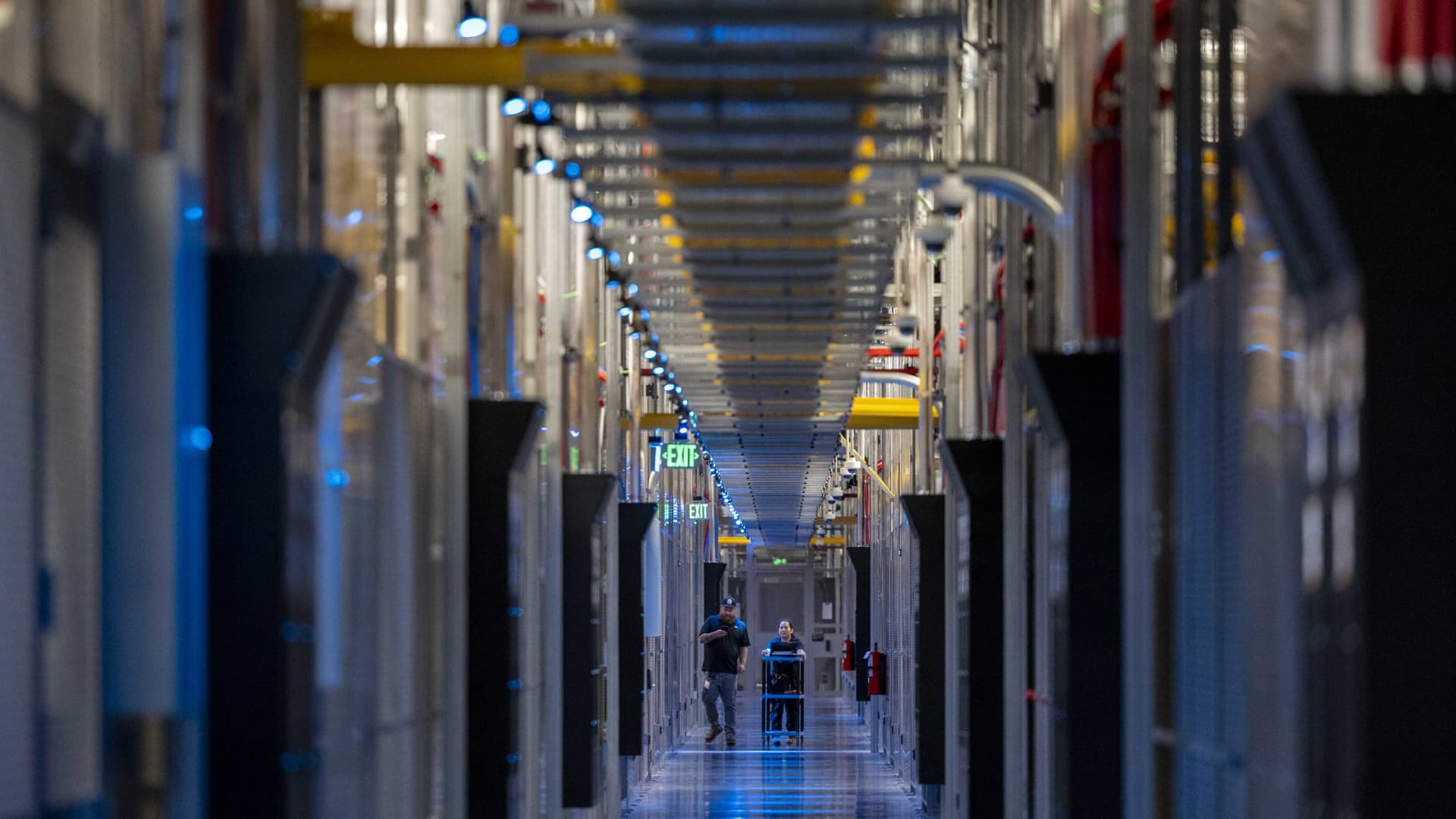
Corning Partners with Nvidia for AI Growth


- Strategic Partnership: Corning has entered into a multi-year supply agreement with Nvidia, planning to expand U.S. optical connectivity manufacturing tenfold and increase fiber production capacity by 50% to meet the demand for AI infrastructure, thereby enhancing its competitive position in the rapidly growing AI market.
- Financial Target Upgrade: Corning has extended its financial targets to 2030, forecasting a $20 billion annual sales run rate by the end of 2026, with a compound annual growth rate accelerating to 19% from 2027 to 2030, reflecting the company's confidence in future growth.
- Job Creation: The three new manufacturing facilities to be built in North Carolina and Texas will create over 3,000 high-paying jobs, further driving local economic development while providing robust production support for the company.
- Shareholder Value Assurance: Although Nvidia has the option to purchase up to 18 million shares of Corning, potentially causing a 2% dilution, this move ensures that Nvidia will closely collaborate with Corning for future supply needs, thus providing long-term security for shareholders.
See More

Musk's Texas Chip Plant to Cost $55 Billion Initially

- Massive Investment Plan: Musk's chip manufacturing plant in East Texas is projected to cost at least $55 billion for the first phase, potentially rising to $119 billion for full buildout, reflecting his ambition to control the chip supply chain.
- Tax Abatement Request: SpaceX is seeking a property tax abatement agreement from Grimes County, with a public hearing scheduled for June 3, which, if approved, could significantly reduce initial project costs and stimulate local economic growth.
- Partnership Development: Intel has joined the Terafab project to assist in designing and fabricating ultra-high-performance chips, marking its first major external commitment in capital-intensive foundry operations, which is expected to enhance its competitive position in the market.
- Strategic Positioning: Musk indicated that the Terafab initiative is part of a 15-year strategy aimed at securing priority in the global chip supply chain for Tesla and SpaceX, addressing geopolitical risks and meeting increasing demand.
See More

Samsung Discontinues Sales of Certain Consumer Electronics in China
- Intensifying Market Competition: Samsung Electronics has decided to discontinue sales of certain consumer electronics in mainland China due to increasing competition, although its memory chip business is thriving thanks to the AI boom, other products like TVs and home appliances are struggling against Chinese rivals.
- Business Adjustments: The company stated it will make efforts to minimize the impact on customers from this decision and is reviewing various support measures for business partners, demonstrating its adaptive strategy in the face of market challenges.
- Executive Changes: Samsung has replaced the head of its TV business for the first time in over two years, reflecting the company's commitment to its TV segment and quick response to market changes, especially after posting losses of 200 billion won (approximately $138.31 million) last year in this sector.
- Declining Market Share: Samsung's smartphone business in China is also experiencing a decline in market share, facing challenges from Apple and local competitors, while also contending with threats from smaller players like ChangXin Memory Technologies in the chip market, highlighting competitive pressures across multiple sectors.
See More
Apple's App Store Revenue Grows 3.7% Year-over-Year
- App Store Revenue Growth: According to BofA, Apple's App Store revenue reached $3.2 billion in Q3 FY2026, reflecting a 3.7% year-over-year increase, indicating strong market demand and enhanced user engagement, with projected services revenue growth of 14% further solidifying Apple's market position.
- Downloads and Revenue Relationship: In the same quarter, total downloads for iPhone and iPad reached 3.1 billion, up 0.7% year-over-year, while App Store revenue per download increased to $1.01, a 3% rise, demonstrating sustained demand for high-quality apps that drives overall revenue growth.
- Chinese Market Performance: China's App Store revenue grew by 10.2% year-over-year, marking the first double-digit growth since April 2025, indicating a recovery in Apple's Chinese market, despite a 2.6% decline in downloads, the revenue increase suggests a strengthening consumer spending willingness.
- AI Application Competition: Analysts noted that search-oriented AI apps are gaining a larger share of daily active users (DAU), with Google search app's market share declining from 87.5% in January 2025 to 72.9% in April 2026, reflecting Apple's potential competitive advantage in the AI space.
See More
Buffett's Strategic Investment in Apple Drives Exceptional Returns
- Exceptional Investment Returns: Berkshire Hathaway's investment in Apple since 2016 has resulted in a staggering 107,400% increase in stock value, reinforcing Buffett's status as a legendary investor and showcasing the effectiveness of long-term investment strategies.
- Strong Financial Performance: In the second quarter of fiscal year 2026, Apple's sales grew nearly 17% year-over-year to $111.2 billion, marking the fastest growth rate in over three years, which highlights the company's robust competitive position and sustained consumer demand.
- Product Innovation and Market Expansion: Apple plans to launch a more personalized Siri and a foldable iPhone, leveraging AI technology to enhance product appeal, which is expected to drive further sales growth and expand its customer base, thereby increasing market share.
- Record High Services Revenue: Apple's services revenue reached an all-time high of approximately $31 billion in Q2 2026, growing 16% year-over-year, and with over 2.5 billion active devices, the expansion of its services ecosystem presents significant long-term growth opportunities for the company.
See More
Amazon and Apple: Prime Investment Opportunities
- Amazon's Growth Potential: Amazon's stock has rebounded due to investments in robotics and AI, with expectations of driving stock price increases in the coming years, particularly through strong performances in e-commerce and cloud computing, which will significantly enhance market share and margins.
- Logistics Network Opening: Amazon's announcement to open its logistics network to all businesses has attracted major clients across various industries, which not only diversifies its business but also increases high-margin B2B shipping, further enhancing profitability.
- Apple's Business Model Advantage: Apple's high-end electronics lock in consumers, creating a high-margin services and payments ecosystem, with customers replacing devices every three to five years, which enhances brand loyalty and drives sustained revenue growth.
- iPhone Sales Resurgence: Apple is currently experiencing a resurgence in iPhone sales, and with the upcoming leadership of new CEO John Ternus, there are exciting opportunities for innovation, positioning the company to maintain its competitive edge and drive stock price increases.
See More
Corning Partners with Nvidia for AI Growth
- Strategic Partnership: Corning has entered into a multi-year supply agreement with Nvidia, planning to expand U.S. optical connectivity manufacturing tenfold and increase fiber production capacity by 50% to meet the demand for AI infrastructure, thereby enhancing its competitive position in the rapidly growing AI market.
- Financial Target Upgrade: Corning has extended its financial targets to 2030, forecasting a $20 billion annual sales run rate by the end of 2026, with a compound annual growth rate accelerating to 19% from 2027 to 2030, reflecting the company's confidence in future growth.
- Job Creation: The three new manufacturing facilities to be built in North Carolina and Texas will create over 3,000 high-paying jobs, further driving local economic development while providing robust production support for the company.
- Shareholder Value Assurance: Although Nvidia has the option to purchase up to 18 million shares of Corning, potentially causing a 2% dilution, this move ensures that Nvidia will closely collaborate with Corning for future supply needs, thus providing long-term security for shareholders.
See More
Musk's Texas Chip Plant to Cost $55 Billion Initially
- Massive Investment Plan: Musk's chip manufacturing plant in East Texas is projected to cost at least $55 billion for the first phase, potentially rising to $119 billion for full buildout, reflecting his ambition to control the chip supply chain.
- Tax Abatement Request: SpaceX is seeking a property tax abatement agreement from Grimes County, with a public hearing scheduled for June 3, which, if approved, could significantly reduce initial project costs and stimulate local economic growth.
- Partnership Development: Intel has joined the Terafab project to assist in designing and fabricating ultra-high-performance chips, marking its first major external commitment in capital-intensive foundry operations, which is expected to enhance its competitive position in the market.
- Strategic Positioning: Musk indicated that the Terafab initiative is part of a 15-year strategy aimed at securing priority in the global chip supply chain for Tesla and SpaceX, addressing geopolitical risks and meeting increasing demand.
See More
Samsung Discontinues Sales of Certain Consumer Electronics in China
- Intensifying Market Competition: Samsung Electronics has decided to discontinue sales of certain consumer electronics in mainland China due to increasing competition, although its memory chip business is thriving thanks to the AI boom, other products like TVs and home appliances are struggling against Chinese rivals.
- Business Adjustments: The company stated it will make efforts to minimize the impact on customers from this decision and is reviewing various support measures for business partners, demonstrating its adaptive strategy in the face of market challenges.
- Executive Changes: Samsung has replaced the head of its TV business for the first time in over two years, reflecting the company's commitment to its TV segment and quick response to market changes, especially after posting losses of 200 billion won (approximately $138.31 million) last year in this sector.
- Declining Market Share: Samsung's smartphone business in China is also experiencing a decline in market share, facing challenges from Apple and local competitors, while also contending with threats from smaller players like ChangXin Memory Technologies in the chip market, highlighting competitive pressures across multiple sectors.
See More