Analysis of XRT ETF's 52-Week Price Fluctuations
Written by Emily J. Thompson, Senior Investment Analyst
Updated: Mar 18 2026
0mins

Should l Buy KR?
Source: NASDAQ.COM
- Price Range Analysis: The XRT ETF's 52-week low is $61.33 per share, with a high of $91.65, and the latest trade at $79.64 indicates relative stability in the current market, potentially attracting investor interest in its price fluctuations.
- Technical Analysis Tool: Comparing the latest share price to the 200-day moving average can provide valuable insights for investors, helping them better assess market trends and timing for investments.
- ETF Trading Mechanism: Exchange-traded funds (ETFs) trade similarly to stocks, where investors buy and sell 'units' that can be created or destroyed based on demand, impacting the liquidity and market performance of the ETF.
- Inflows and Outflows Monitoring: Weekly monitoring of changes in shares outstanding for ETFs helps identify those experiencing notable inflows (new units created) or outflows (old units destroyed), allowing for assessment of their impact on underlying assets and market dynamics.
Trade with 70% Backtested Accuracy
Stop guessing "Should I Buy KR?" and start using high-conviction signals backed by rigorous historical data.
Sign up today to access powerful investing tools and make smarter, data-driven decisions.
Analyst Views on KR
Wall Street analysts forecast KR stock price to rise
15 Analyst Rating
9 Buy
6 Hold
0 Sell
Moderate Buy
Current: 66.010

Low
68.00
Averages
75.00
High
85.00
Current: 66.010
Low
68.00
Averages
75.00
High
85.00
About KR
The Kroger Co. is a food and drug retailer. The Company operates supermarkets, multi-department stores and fulfillment centers throughout the United States. It operates approximately 2,731 supermarkets, 2,273 pharmacies and 1,702 fuel centers in over 35 states and the District of Columbia while also operating online through a digital ecosystem to offer customers an omnichannel shopping experience. The Company also manufactures and processes food for sale in its supermarkets and online. It offers Pickup and Harris Teeter ExpressLane personalized, order online, pick-up at the store services at approximately 2,412 of its supermarkets and provides delivery, which allows it to offer digital solutions to substantially all of its customers. Its delivery solutions include orders delivered to customers at retail store locations, customer fulfillment centers and orders placed through third-party platforms. The Company also offers customer-facing apps and interfaces.
About the author

Emily J. Thompson
Emily J. Thompson, a Chartered Financial Analyst (CFA) with 12 years in investment research, graduated with honors from the Wharton School. Specializing in industrial and technology stocks, she provides in-depth analysis for Intellectia’s earnings and market brief reports.

Kroger Launches Personalized Mother's Day Promotions

- Personalized Celebrations: Kroger is helping families celebrate Mother's Day uniquely by offering fresh food, flowers, and gifts, emphasizing a customer-centric service approach that enhances customer satisfaction and brand loyalty.
- Floral Promotion Discounts: From May 3 to 10, customers can receive $20 off purchases over $55 on Bloom Haus florals via DoorDash and Uber Eats, attracting more consumers to online shopping and driving sales growth.
- Diverse Dining Options: Kroger offers various dining choices for Mother's Day, including La Terra Fina quiches for $9.99 and buy one, get one free pork ribs, catering to different family needs and enhancing market competitiveness.
- Convenient Shopping Methods: Kroger has introduced multiple shopping options, including in-store shopping, quick pickup, and home delivery, particularly with the Boost membership offering free delivery for under $50, improving customer convenience and satisfaction.
See More
Kroger's Personalized Mother's Day Promotions
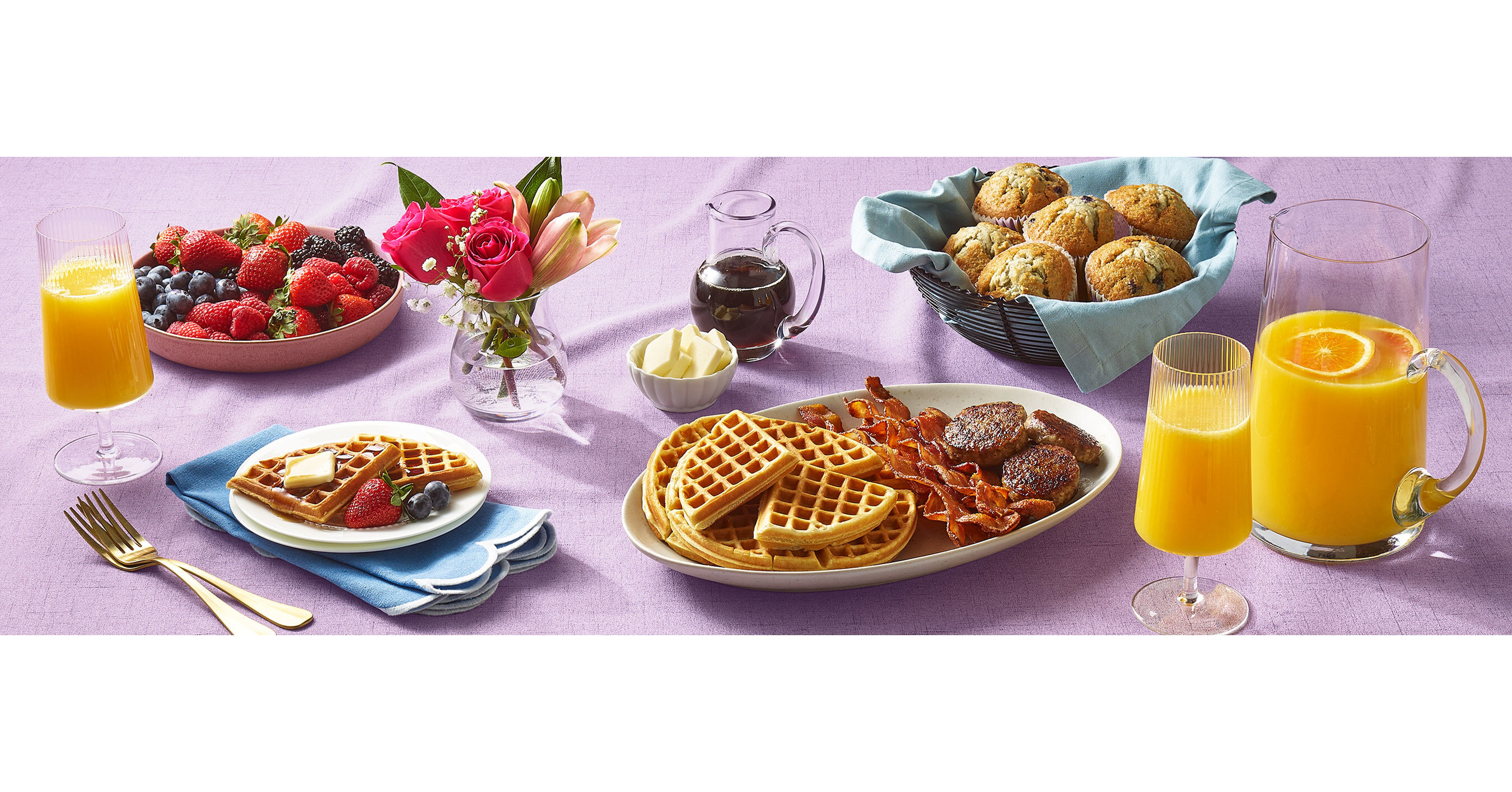
- Personalized Celebrations: Kroger is enhancing customer experiences by offering fresh food, flowers, and gifts to help families celebrate Mother's Day in a personalized manner, ensuring every mom feels special and valued.
- Floral Discounts: From May 3 to 10, customers can receive $20 off purchases over $55 on Bloom Haus florals via DoorDash and Uber Eats, which is expected to drive online sales and attract more consumers.
- Diverse Options: Kroger caters to various celebration styles with offerings like buy-one-get-one-free pork ribs and salmon at $8.99/lb, addressing different customer preferences and strengthening its competitive position in the market.
- Convenient Shopping Experience: Customers can quickly order through Kroger.com or platforms like DoorDash and Uber Eats, with delivery available in as little as 30 minutes, enhancing customer satisfaction and boosting online sales growth.
See More
Harris Teeter Launches Weight Management Medications
- Expanded Medication Options: Harris Teeter has introduced GLP-1 and other weight management medications at its pharmacies, aiming to provide customers with convenient pharmacy services and nutritional support, thereby enhancing their health management experience.
- Professional Guidance Available: Customers at Harris Teeter can receive expert advice from pharmacists and registered dietitians, ensuring they get scientifically-backed recommendations and support during their weight management journey, which boosts customer trust and satisfaction.
- Reduced Out-of-Pocket Costs: Harris Teeter honors manufacturer-sponsored programs, including Lilly's KwikPen Self-Pay Savings Card, allowing eligible patients to lower their out-of-pocket expenses, thus improving medication accessibility for customers.
- Company Background: As a wholly-owned subsidiary of Kroger, Harris Teeter has over 60 years of history and employs 36,000 associates across more than 250 stores in multiple states, committed to providing quality services and products to the community.
See More
Harris Teeter Expands Weight Management Medication Support
- Expanded Medication Options: Harris Teeter has introduced GLP-1 weight management medications at its pharmacies, aiming to provide customers with convenient pharmacy services and nutrition support, thereby enhancing their health management experience.
- Professional Guidance Services: Pharmacists and registered dietitians offer professional consultations to help customers understand the usage and potential side effects of weight management medications, ensuring comprehensive support during their medication journey.
- Affordable Solutions: Harris Teeter provides cost navigation support to help customers identify manufacturer savings programs and cash pay options, thereby reducing out-of-pocket expenses and enhancing their purchasing power.
- Nutritional Support and Products: In addition to prescription medications, Harris Teeter offers fresh, protein-rich, and fiber-rich foods, as well as nutritional supplements, to help customers fill common nutrition gaps during their health management journey.
See More
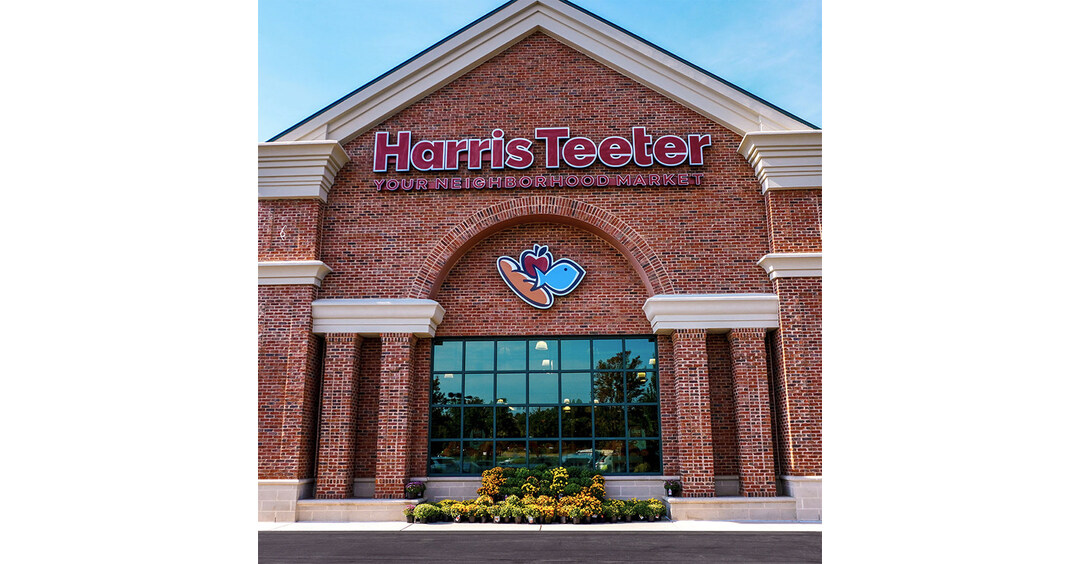
Harris Teeter's Big BOGO Event Boosts Shopping Savings
- Limited-Time Promotion: Harris Teeter's Big BOGO Event runs from April 29 to May 5, featuring hundreds of buy-one-get-one offers designed to help customers stock up on fresh foods and pantry staples at exceptional prices, thereby enhancing customer shopping experience and satisfaction.
- Holiday-Themed Discounts: Centered around Cinco de Mayo, the event offers BOGO savings on key ingredients like extra-large Hass avocados, bell peppers, and black beans, making it easier for customers to prepare festive meals, which further strengthens the brand's appeal in the holiday market.
- Additional Discount Offers: From April 30 to May 3, customers can enjoy a 20% discount on wine purchases, which not only enhances shopping value but also encourages customers to choose Harris Teeter products for gatherings, thereby increasing brand loyalty.
- Fuel Points Rewards: On May 1, customers can unlock four times the fuel points on qualifying purchases, allowing them to save up to $1 per gallon at Harris Teeter Fuel Centers and participating BP and Amoco stations, further enhancing the attractiveness and affordability of the shopping experience.
See More

Walmart Invests Over $350 Million in New Milk Processing Facility

- New Facility Opening: Walmart has opened a new milk processing facility in Robinson, Texas, with an investment exceeding $350 million, aimed at enhancing its perishables supply chain and creating over 400 new jobs, thereby boosting the local economy.
- Product Supply Expansion: The facility will process and bottle various types of milk for Walmart's Great Value and Sam's Club Member's Mark brands, supplying over 650 Walmart stores and Sam's Clubs across the South Central U.S., which will enhance the company's market share in the region.
- Ongoing Investment Strategy: Walmart's foray into milk processing began in 2016, with the first facility opening in Fort Wayne, Indiana in 2018 and the second in Valdosta, Georgia in December 2022, demonstrating the company's long-term commitment to improving supply chain efficiency.
- E-commerce Growth Driver: As higher-income households increasingly opt for Walmart's delivery services, the number of shoppers using delivery within three hours surged over 60% during fiscal 2026, with e-commerce contributions to U.S. sales nearly doubling, further solidifying Walmart's leadership in the retail market.
See More
Kroger Launches Personalized Mother's Day Promotions
- Personalized Celebrations: Kroger is helping families celebrate Mother's Day uniquely by offering fresh food, flowers, and gifts, emphasizing a customer-centric service approach that enhances customer satisfaction and brand loyalty.
- Floral Promotion Discounts: From May 3 to 10, customers can receive $20 off purchases over $55 on Bloom Haus florals via DoorDash and Uber Eats, attracting more consumers to online shopping and driving sales growth.
- Diverse Dining Options: Kroger offers various dining choices for Mother's Day, including La Terra Fina quiches for $9.99 and buy one, get one free pork ribs, catering to different family needs and enhancing market competitiveness.
- Convenient Shopping Methods: Kroger has introduced multiple shopping options, including in-store shopping, quick pickup, and home delivery, particularly with the Boost membership offering free delivery for under $50, improving customer convenience and satisfaction.
See More
Kroger's Personalized Mother's Day Promotions
- Personalized Celebrations: Kroger is enhancing customer experiences by offering fresh food, flowers, and gifts to help families celebrate Mother's Day in a personalized manner, ensuring every mom feels special and valued.
- Floral Discounts: From May 3 to 10, customers can receive $20 off purchases over $55 on Bloom Haus florals via DoorDash and Uber Eats, which is expected to drive online sales and attract more consumers.
- Diverse Options: Kroger caters to various celebration styles with offerings like buy-one-get-one-free pork ribs and salmon at $8.99/lb, addressing different customer preferences and strengthening its competitive position in the market.
- Convenient Shopping Experience: Customers can quickly order through Kroger.com or platforms like DoorDash and Uber Eats, with delivery available in as little as 30 minutes, enhancing customer satisfaction and boosting online sales growth.
See More
Harris Teeter Launches Weight Management Medications
- Expanded Medication Options: Harris Teeter has introduced GLP-1 and other weight management medications at its pharmacies, aiming to provide customers with convenient pharmacy services and nutritional support, thereby enhancing their health management experience.
- Professional Guidance Available: Customers at Harris Teeter can receive expert advice from pharmacists and registered dietitians, ensuring they get scientifically-backed recommendations and support during their weight management journey, which boosts customer trust and satisfaction.
- Reduced Out-of-Pocket Costs: Harris Teeter honors manufacturer-sponsored programs, including Lilly's KwikPen Self-Pay Savings Card, allowing eligible patients to lower their out-of-pocket expenses, thus improving medication accessibility for customers.
- Company Background: As a wholly-owned subsidiary of Kroger, Harris Teeter has over 60 years of history and employs 36,000 associates across more than 250 stores in multiple states, committed to providing quality services and products to the community.
See More
Harris Teeter Expands Weight Management Medication Support
- Expanded Medication Options: Harris Teeter has introduced GLP-1 weight management medications at its pharmacies, aiming to provide customers with convenient pharmacy services and nutrition support, thereby enhancing their health management experience.
- Professional Guidance Services: Pharmacists and registered dietitians offer professional consultations to help customers understand the usage and potential side effects of weight management medications, ensuring comprehensive support during their medication journey.
- Affordable Solutions: Harris Teeter provides cost navigation support to help customers identify manufacturer savings programs and cash pay options, thereby reducing out-of-pocket expenses and enhancing their purchasing power.
- Nutritional Support and Products: In addition to prescription medications, Harris Teeter offers fresh, protein-rich, and fiber-rich foods, as well as nutritional supplements, to help customers fill common nutrition gaps during their health management journey.
See More
Harris Teeter's Big BOGO Event Boosts Shopping Savings
- Limited-Time Promotion: Harris Teeter's Big BOGO Event runs from April 29 to May 5, featuring hundreds of buy-one-get-one offers designed to help customers stock up on fresh foods and pantry staples at exceptional prices, thereby enhancing customer shopping experience and satisfaction.
- Holiday-Themed Discounts: Centered around Cinco de Mayo, the event offers BOGO savings on key ingredients like extra-large Hass avocados, bell peppers, and black beans, making it easier for customers to prepare festive meals, which further strengthens the brand's appeal in the holiday market.
- Additional Discount Offers: From April 30 to May 3, customers can enjoy a 20% discount on wine purchases, which not only enhances shopping value but also encourages customers to choose Harris Teeter products for gatherings, thereby increasing brand loyalty.
- Fuel Points Rewards: On May 1, customers can unlock four times the fuel points on qualifying purchases, allowing them to save up to $1 per gallon at Harris Teeter Fuel Centers and participating BP and Amoco stations, further enhancing the attractiveness and affordability of the shopping experience.
See More
Walmart Invests Over $350 Million in New Milk Processing Facility
- New Facility Opening: Walmart has opened a new milk processing facility in Robinson, Texas, with an investment exceeding $350 million, aimed at enhancing its perishables supply chain and creating over 400 new jobs, thereby boosting the local economy.
- Product Supply Expansion: The facility will process and bottle various types of milk for Walmart's Great Value and Sam's Club Member's Mark brands, supplying over 650 Walmart stores and Sam's Clubs across the South Central U.S., which will enhance the company's market share in the region.
- Ongoing Investment Strategy: Walmart's foray into milk processing began in 2016, with the first facility opening in Fort Wayne, Indiana in 2018 and the second in Valdosta, Georgia in December 2022, demonstrating the company's long-term commitment to improving supply chain efficiency.
- E-commerce Growth Driver: As higher-income households increasingly opt for Walmart's delivery services, the number of shoppers using delivery within three hours surged over 60% during fiscal 2026, with e-commerce contributions to U.S. sales nearly doubling, further solidifying Walmart's leadership in the retail market.
See More