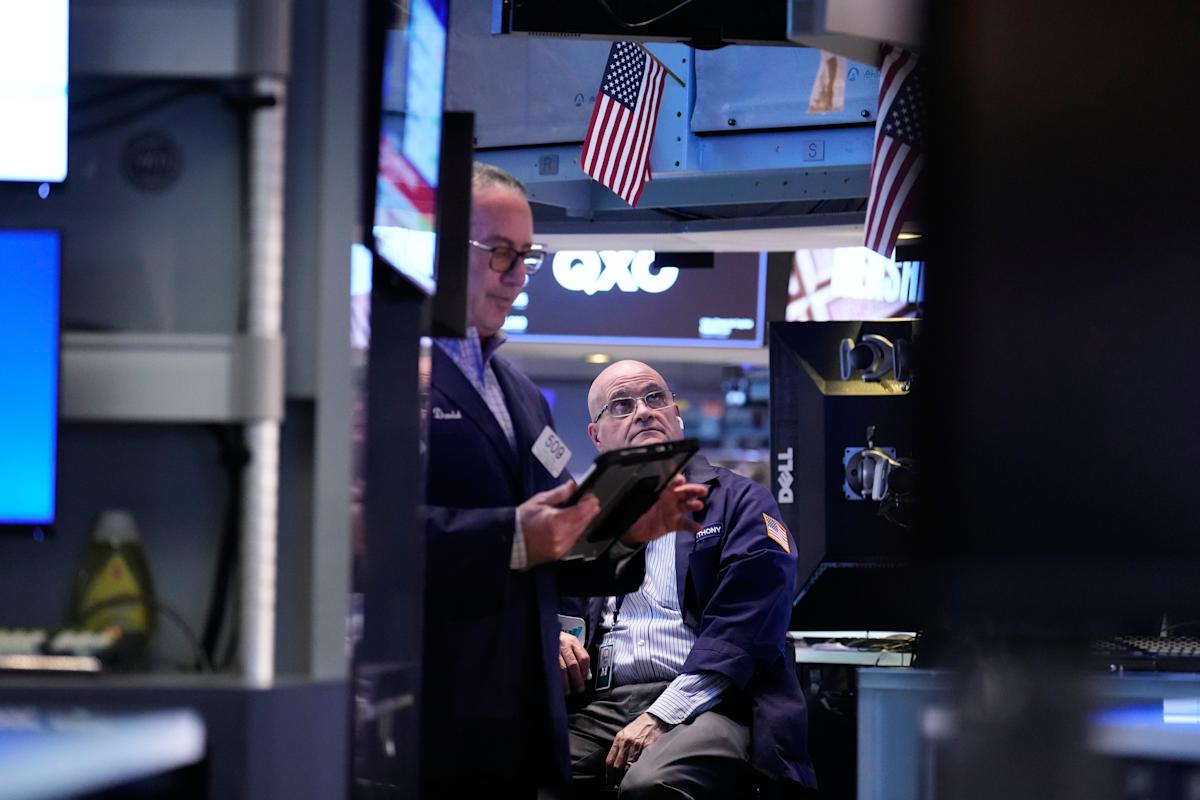
Analysis of Declining Stocks: Nike, Kimberly-Clark, and Conagra Brands
Written by Emily J. Thompson, Senior Investment Analyst
Updated: 1 hour ago
0mins

Source: Fool
- Nike's Price Plunge: Nike's stock has fallen nearly 70% over the past five years, currently trading at $43.49 with a market cap of $63 billion, facing significant headwinds from foreign competition, the rise of fast fashion, and inflation; despite efforts by the new CEO to focus on in-store sales, results have been disappointing, leaving future growth uncertain.
- Kimberly-Clark's Acquisition Concerns: Kimberly-Clark's shares have dropped over 30% in five years, now priced at $96.05 with a market cap of $31 billion; the announcement of a nearly $49 billion acquisition of Kenvue has rattled investors, as it could enhance its position in global health and wellness but also increases risk significantly.
- Conagra Brands' Major Challenges: Conagra's stock has declined nearly 60% in five years, currently at $15.56 with a market cap of $7.4 billion, struggling with growth due to factors like GLP-1 drugs reducing consumer appetites, rising food costs, and high oil prices, leading to a 1.9% drop in Q3 sales, casting a shadow over future prospects.
- Sustainability of High Dividend: Conagra offers a high dividend yield of 9.04%, but concerns about its sustainability arise due to low margins; while its forward P/E ratio is under nine, indicating attractive valuation, the lack of growth potential makes it a risky investment choice.
Trade with 70% Backtested Accuracy
Stop guessing "Should I Buy NKE?" and start using high-conviction signals backed by rigorous historical data.
Sign up today to access powerful investing tools and make smarter, data-driven decisions.
Analyst Views on NKE
Wall Street analysts forecast NKE stock price to rise
21 Analyst Rating
14 Buy
7 Hold
0 Sell
Moderate Buy
Current: 42.690

Low
62.00
Averages
76.11
High
110.00
Current: 42.690
Low
62.00
Averages
76.11
High
110.00
About NKE
NIKE, Inc. is engaged in the designing, marketing and distributing of athletic footwear, apparel, equipment and accessories and services for sports and fitness activities. The Company's operating segments include North America; Europe, Middle East & Africa (EMEA); Greater China; and Asia Pacific & Latin America (APLA). It sells a line of equipment and accessories under the NIKE Brand name, including bags, socks, sport balls, eyewear, timepieces, digital devices, bats, gloves, protective equipment and other equipment designed for sports activities. It also designs products specifically for the Jordan Brand and Converse. The Jordan Brand designs, distributes and licenses athletic and casual footwear, apparel and accessories predominantly focused on basketball performance and culture using the Jumpman trademark. The Company also designs, distributes and licenses casual sneakers, apparel and accessories under the Chuck Taylor, All Star, One Star, Star Chevron and Jack Purcell trademarks.
About the author

Emily J. Thompson
Emily J. Thompson, a Chartered Financial Analyst (CFA) with 12 years in investment research, graduated with honors from the Wharton School. Specializing in industrial and technology stocks, she provides in-depth analysis for Intellectia’s earnings and market brief reports.

Nike Struggles with Growth as Earnings Decline

- Stagnant Revenue Growth: Nike's quarterly report for the period ending February 28 shows revenue of $11.3 billion, flat compared to last year, and only a 9% increase from $10.4 billion five years ago, reflecting a disappointing compounded annual growth rate of just 1.7%.
- Significant Profit Decline: The company's net income for the quarter was $520 million, down 35% year-over-year, and a stark 64% decline from over $1.4 billion five years ago, indicating a troubling decrease in profitability that raises red flags for investors.
- Poor Stock Performance: Nike's stock has already fallen 31% this year, and while its current valuation may attract bargain hunters, the investment risk has markedly increased compared to the past, highlighting market concerns over its future growth prospects.
- Transformation Challenges: Under new CEO leadership, Nike is striving to rebuild relationships with key partners and achieve business recovery; however, with a history of declining performance, investors must exercise patience as the turnaround path is fraught with difficulties.
See More

Analysis of Declining Stocks: Nike, Kimberly-Clark, and Conagra Brands

- Nike's Price Plunge: Nike's stock has fallen nearly 70% over the past five years, currently trading at $43.49 with a market cap of $63 billion, facing significant headwinds from foreign competition, the rise of fast fashion, and inflation; despite efforts by the new CEO to focus on in-store sales, results have been disappointing, leaving future growth uncertain.
- Kimberly-Clark's Acquisition Concerns: Kimberly-Clark's shares have dropped over 30% in five years, now priced at $96.05 with a market cap of $31 billion; the announcement of a nearly $49 billion acquisition of Kenvue has rattled investors, as it could enhance its position in global health and wellness but also increases risk significantly.
- Conagra Brands' Major Challenges: Conagra's stock has declined nearly 60% in five years, currently at $15.56 with a market cap of $7.4 billion, struggling with growth due to factors like GLP-1 drugs reducing consumer appetites, rising food costs, and high oil prices, leading to a 1.9% drop in Q3 sales, casting a shadow over future prospects.
- Sustainability of High Dividend: Conagra offers a high dividend yield of 9.04%, but concerns about its sustainability arise due to low margins; while its forward P/E ratio is under nine, indicating attractive valuation, the lack of growth potential makes it a risky investment choice.
See More

Nike, Kimberly-Clark, and Conagra Stocks Plummet Over 30%
- Nike's Stock Plunge: Nike's share price has fallen nearly 70% over the past five years, reaching its lowest point since 2014, primarily due to rising international competition, the popularity of fast fashion, and inflation, which have created significant growth challenges for the company.
- Kimberly-Clark's Acquisition Concerns: Kimberly-Clark's stock has dropped over 30% in five years, with its announcement of a nearly $49 billion acquisition of Kenvue rattling investors; while this deal could enhance its position in the global health and wellness sector, it also increases the risk associated with what was previously considered a stable investment.
- Conagra Brands' Struggles: Conagra's shares have declined nearly 60% over five years, hitting levels not seen since 2009, largely due to the impact of GLP-1 drugs on consumer appetites, rising food costs, and elevated oil prices, all contributing to the company's inability to generate growth.
- Dividend Sustainability in Question: Despite Conagra's high dividend yield of around 9%, concerns about the sustainability of this payout are growing due to light margins, leading investors to speculate that a dividend cut may be inevitable, which could further undermine investor confidence.
See More

Navy Retail Business Faces Turnaround Challenges


- Declining Sales: Nexcom's sales have dropped 19% over the past 12 years, reaching the lowest level in nearly 20 years in fiscal 2024, indicating a loss of market share to retail giants like Walmart and Amazon, which could adversely affect the welfare of sailors and their families.
- Reduced Profit Distribution: Between fiscal 2013 and fiscal 2024, dividends generated by Nexcom fell from $51.9 million to $29.8 million, a 43% decline, meaning significantly less funding for morale and welfare programs that support sailors, potentially impacting their morale and family support.
- Implementation of Turnaround Plan: In 2020, Nexcom hired retail consultant Melissa Gonzalez and plans to invest $80 million over the next three years to renovate stores under the
See More

Nike, Trade Desk, and Grab Hit Multi-Year Intraday Lows

- Nike Stock Decline: Nike (NKE) shares fell 3.4% to $42.69, marking the lowest level since August 2015, driven by a forecasted sales decline in 2026, resulting in a cumulative drop of about 20% over four consecutive sessions, indicating significant market concerns regarding its future performance.
- Trade Desk Executive Departures: The Trade Desk (TTD) plummeted 6.8% to $20.70, hitting its lowest since April 2020, following the departure of several top executives, including Chief Marketing Officer Ian Colley, raising concerns about management stability, although analysts believe the selloff was overdone and that revenue impacts should be manageable.
- Grab Hits 52-Week Low: Grab's stock declined to an intraday low of $3.48, a 52-week low, amid mixed investor reactions to its Foodpanda acquisition and disappointing guidance, despite Jefferies reiterating a 'Buy' rating with a $6.70 price target, projecting positive impacts on adjusted EBITDA by 2028.
- Shifting Market Sentiment: While Nike's retail sentiment on Stocktwits fluctuated between 'extremely bullish' and 'bullish', reflecting investor confidence in the brand, sentiment for Trade Desk and Grab remained neutral, indicating a cautious outlook on their future developments.
See More

Nike Faces Growth Challenges as Stock Continues to Decline
- Underwhelming Sales: Nike's sales were flat in the most recent quarter, with Greater China revenue down 7% year-over-year and a 10% decline when excluding foreign exchange impacts, indicating significant market weakness affecting overall performance.
- Relative Strength in North America: Despite the poor performance in Greater China, Nike saw a 3% increase in sales in North America, suggesting that the company still has growth potential in its core market, which could support future recovery efforts.
- Stock at Historical Lows: Nike's stock is currently at its lowest level in over a decade, and while investors may consider buying due to its low valuation, they must carefully assess the associated risks given the ongoing challenges.
- Dependence on China: With Greater China accounting for about 14% of Nike's revenue, the company's reliance on this market could exacerbate stock volatility, especially amid strained U.S.-China relations, making it a critical risk factor for investors to monitor.
See More
Nike Struggles with Growth as Earnings Decline
- Stagnant Revenue Growth: Nike's quarterly report for the period ending February 28 shows revenue of $11.3 billion, flat compared to last year, and only a 9% increase from $10.4 billion five years ago, reflecting a disappointing compounded annual growth rate of just 1.7%.
- Significant Profit Decline: The company's net income for the quarter was $520 million, down 35% year-over-year, and a stark 64% decline from over $1.4 billion five years ago, indicating a troubling decrease in profitability that raises red flags for investors.
- Poor Stock Performance: Nike's stock has already fallen 31% this year, and while its current valuation may attract bargain hunters, the investment risk has markedly increased compared to the past, highlighting market concerns over its future growth prospects.
- Transformation Challenges: Under new CEO leadership, Nike is striving to rebuild relationships with key partners and achieve business recovery; however, with a history of declining performance, investors must exercise patience as the turnaround path is fraught with difficulties.
See More
Analysis of Declining Stocks: Nike, Kimberly-Clark, and Conagra Brands
- Nike's Price Plunge: Nike's stock has fallen nearly 70% over the past five years, currently trading at $43.49 with a market cap of $63 billion, facing significant headwinds from foreign competition, the rise of fast fashion, and inflation; despite efforts by the new CEO to focus on in-store sales, results have been disappointing, leaving future growth uncertain.
- Kimberly-Clark's Acquisition Concerns: Kimberly-Clark's shares have dropped over 30% in five years, now priced at $96.05 with a market cap of $31 billion; the announcement of a nearly $49 billion acquisition of Kenvue has rattled investors, as it could enhance its position in global health and wellness but also increases risk significantly.
- Conagra Brands' Major Challenges: Conagra's stock has declined nearly 60% in five years, currently at $15.56 with a market cap of $7.4 billion, struggling with growth due to factors like GLP-1 drugs reducing consumer appetites, rising food costs, and high oil prices, leading to a 1.9% drop in Q3 sales, casting a shadow over future prospects.
- Sustainability of High Dividend: Conagra offers a high dividend yield of 9.04%, but concerns about its sustainability arise due to low margins; while its forward P/E ratio is under nine, indicating attractive valuation, the lack of growth potential makes it a risky investment choice.
See More
Nike, Kimberly-Clark, and Conagra Stocks Plummet Over 30%
- Nike's Stock Plunge: Nike's share price has fallen nearly 70% over the past five years, reaching its lowest point since 2014, primarily due to rising international competition, the popularity of fast fashion, and inflation, which have created significant growth challenges for the company.
- Kimberly-Clark's Acquisition Concerns: Kimberly-Clark's stock has dropped over 30% in five years, with its announcement of a nearly $49 billion acquisition of Kenvue rattling investors; while this deal could enhance its position in the global health and wellness sector, it also increases the risk associated with what was previously considered a stable investment.
- Conagra Brands' Struggles: Conagra's shares have declined nearly 60% over five years, hitting levels not seen since 2009, largely due to the impact of GLP-1 drugs on consumer appetites, rising food costs, and elevated oil prices, all contributing to the company's inability to generate growth.
- Dividend Sustainability in Question: Despite Conagra's high dividend yield of around 9%, concerns about the sustainability of this payout are growing due to light margins, leading investors to speculate that a dividend cut may be inevitable, which could further undermine investor confidence.
See More
Navy Retail Business Faces Turnaround Challenges
- Declining Sales: Nexcom's sales have dropped 19% over the past 12 years, reaching the lowest level in nearly 20 years in fiscal 2024, indicating a loss of market share to retail giants like Walmart and Amazon, which could adversely affect the welfare of sailors and their families.
- Reduced Profit Distribution: Between fiscal 2013 and fiscal 2024, dividends generated by Nexcom fell from $51.9 million to $29.8 million, a 43% decline, meaning significantly less funding for morale and welfare programs that support sailors, potentially impacting their morale and family support.
- Implementation of Turnaround Plan: In 2020, Nexcom hired retail consultant Melissa Gonzalez and plans to invest $80 million over the next three years to renovate stores under the
See More
Nike, Trade Desk, and Grab Hit Multi-Year Intraday Lows
- Nike Stock Decline: Nike (NKE) shares fell 3.4% to $42.69, marking the lowest level since August 2015, driven by a forecasted sales decline in 2026, resulting in a cumulative drop of about 20% over four consecutive sessions, indicating significant market concerns regarding its future performance.
- Trade Desk Executive Departures: The Trade Desk (TTD) plummeted 6.8% to $20.70, hitting its lowest since April 2020, following the departure of several top executives, including Chief Marketing Officer Ian Colley, raising concerns about management stability, although analysts believe the selloff was overdone and that revenue impacts should be manageable.
- Grab Hits 52-Week Low: Grab's stock declined to an intraday low of $3.48, a 52-week low, amid mixed investor reactions to its Foodpanda acquisition and disappointing guidance, despite Jefferies reiterating a 'Buy' rating with a $6.70 price target, projecting positive impacts on adjusted EBITDA by 2028.
- Shifting Market Sentiment: While Nike's retail sentiment on Stocktwits fluctuated between 'extremely bullish' and 'bullish', reflecting investor confidence in the brand, sentiment for Trade Desk and Grab remained neutral, indicating a cautious outlook on their future developments.
See More
Nike Faces Growth Challenges as Stock Continues to Decline
- Underwhelming Sales: Nike's sales were flat in the most recent quarter, with Greater China revenue down 7% year-over-year and a 10% decline when excluding foreign exchange impacts, indicating significant market weakness affecting overall performance.
- Relative Strength in North America: Despite the poor performance in Greater China, Nike saw a 3% increase in sales in North America, suggesting that the company still has growth potential in its core market, which could support future recovery efforts.
- Stock at Historical Lows: Nike's stock is currently at its lowest level in over a decade, and while investors may consider buying due to its low valuation, they must carefully assess the associated risks given the ongoing challenges.
- Dependence on China: With Greater China accounting for about 14% of Nike's revenue, the company's reliance on this market could exacerbate stock volatility, especially amid strained U.S.-China relations, making it a critical risk factor for investors to monitor.
See More