Amazon Trade Dynamics and Investment Adjustments
Written by Emily J. Thompson, Senior Investment Analyst
Updated: Mar 05 2026
0mins


Should l Buy AMZN?
Source: Benzinga
- Amazon Share Trade: Amazon traded 66,934 shares valued at approximately $14.5 million, reflecting a cautious investor sentiment amid strategic adjustments in the e-commerce sector.
- Earnings Beat: Amazon reported fourth-quarter revenue of $213.39 billion, exceeding estimates, while planning to increase capital expenditures to $200 billion, indicating strong confidence in future growth.
- Joby Aviation Investment: Ark Invest acquired 200,856 shares of Joby Aviation valued at around $2 million, with Joby's fourth-quarter earnings showing an EPS of -$0.14, beating estimates by 30%, highlighting improved financial health.
- Nextdoor Holdings Divestment: Ark Invest sold 1,405,207 shares of Nextdoor Holdings for about $2.3 million, following the company's earnings report that showed a 7% year-over-year revenue increase and a narrowed net loss of $4 million.
Trade with 70% Backtested Accuracy
Stop guessing "Should I Buy AMZN?" and start using high-conviction signals backed by rigorous historical data.
Sign up today to access powerful investing tools and make smarter, data-driven decisions.
Analyst Views on AMZN
Wall Street analysts forecast AMZN stock price to rise
44 Analyst Rating
41 Buy
3 Hold
0 Sell
Strong Buy
Current: 274.990

Low
175.00
Averages
280.01
High
325.00
Current: 274.990
Low
175.00
Averages
280.01
High
325.00
About AMZN
Amazon.com, Inc. provides a range of products and services to customers. The products offered through its stores include merchandise and content it has purchased for resale and products offered by third-party sellers. The Company’s segments include North America, International and Amazon Web Services (AWS). It serves consumers through its online and physical stores and focuses on selection, price, and convenience. Customers access its offerings through its websites, mobile apps, Alexa, devices, streaming, and physically visiting its stores. It also manufactures and sells electronic devices, including Kindle, Fire tablet, Fire TV, Echo, Ring, Blink, and eero, and develops and produces media content. It serves developers and enterprises of all sizes, including start-ups, government agencies, and academic institutions, through AWS, which offers a set of on-demand technology services, including compute, storage, database, analytics, and machine learning, and other services.
About the author

Emily J. Thompson
Emily J. Thompson, a Chartered Financial Analyst (CFA) with 12 years in investment research, graduated with honors from the Wharton School. Specializing in industrial and technology stocks, she provides in-depth analysis for Intellectia’s earnings and market brief reports.
Amazon Accelerates Growth in Key Categories

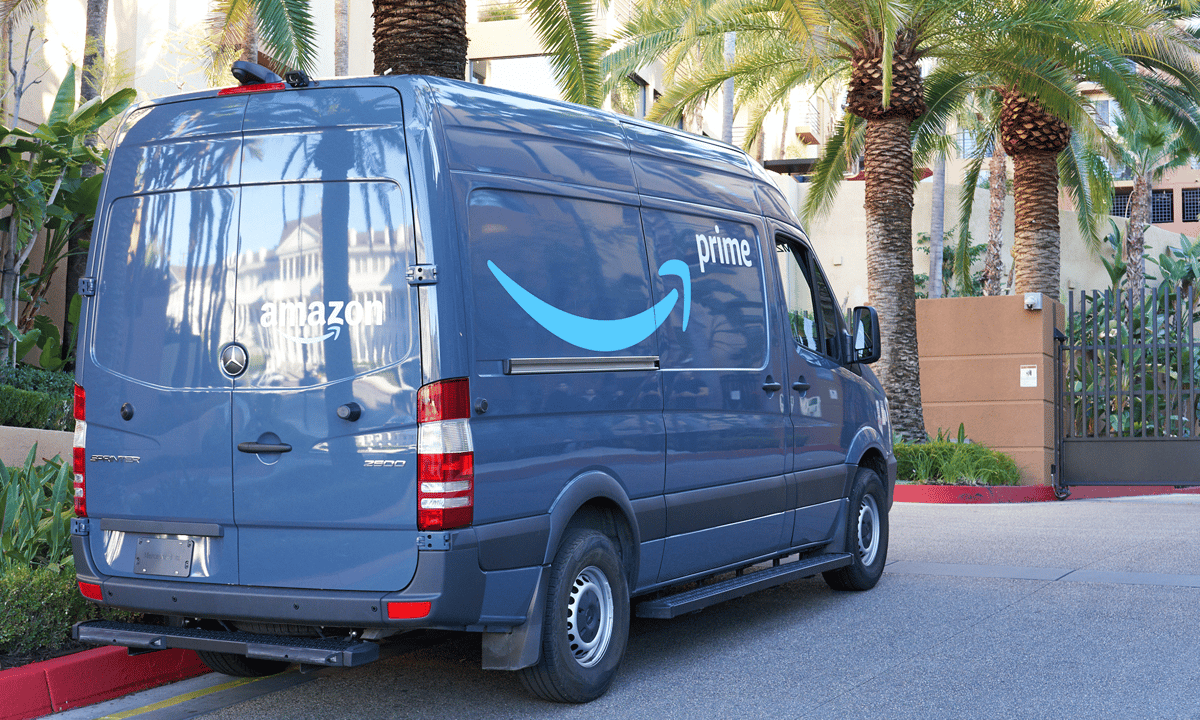
- Key Category Growth: Amazon has achieved accelerated growth in several key categories, indicating a strong recovery in market demand that is expected to further boost the company's overall revenue.
- Stock Performance: As of May 1, 2026, Amazon's stock price rose by 1.36%, reflecting investor optimism about the company's future growth potential, which may attract more investor interest.
- Market Reaction: This growth trend could enhance Amazon's competitiveness in the e-commerce sector, especially in the face of challenges from other retail giants, further solidifying its market leadership.
- Future Outlook: With the continued growth in key categories, Amazon is poised to capture a larger market share in the coming quarters, thereby driving long-term financial health and shareholder value enhancement.
See More

AMAZON TO INVEST OVER EUR 15 BILLION IN FRANCE, GENERATING 7,000+ PERMANENT JOBS
- Investment Announcement: Amazon has announced plans to invest over €15 billion in France.
- Job Creation: This investment is expected to create more than 7,000 permanent jobs in the country.
See More

Amazon Shares Snap Six-Day Winning Streak
- Stock Fluctuation: Amazon shares fell 1.4% to $271.14 on Thursday, ending a six-day winning streak, reflecting market caution regarding its short-term performance.
- Year-to-Date Performance: So far this year, Amazon's stock has risen 19%, significantly outperforming the S&P 500's 7% increase, indicating its strong position in the overall market.
- Analyst Ratings: According to Seeking Alpha's Quant Rating, Amazon holds a 3.5 out of 5 hold rating, with profitability prospects rated A+ but valuation factors rated D-, highlighting market concerns over its valuation.
- Market Confidence: Among 62 Wall Street analysts, 62% have given buy or higher ratings, indicating that despite valuation issues, there remains optimism about Amazon's long-term growth potential.
See More
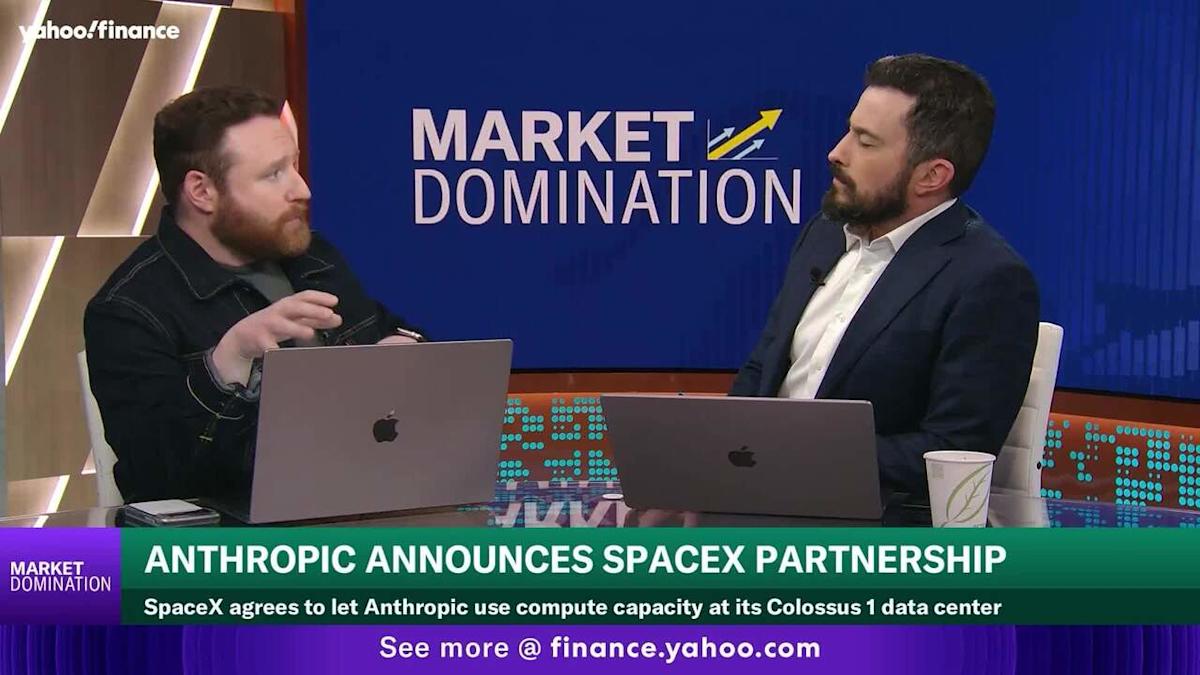
Anthropic Partners with SpaceX for AI Computing Capacity


- Data Center Partnership: Anthropic has partnered with SpaceX to utilize the newly built Colossus 2 data center, which boasts 220,000 GPUs and consumes 300 megawatts of power, significantly enhancing Anthropic's computing capacity to meet urgent AI training needs.
- Cash Inflow: This collaboration is expected to generate several billion dollars in cash flow for SpaceX, aiding its business development while providing Anthropic with much-needed computing resources to address competitive pressures in the market.
- Market Competition: In the AI sector, companies like OpenAI, Microsoft, Google, and Amazon are vying for computing power; this move not only alleviates Anthropic's resource constraints but also potentially strengthens its competitive position within the industry.
- Rapid Deployment: Elon Musk noted that SpaceX quickly completed the construction of Colossus 2, and although the demand for XAI has decreased, this move demonstrates SpaceX's flexibility and adaptability in the AI infrastructure market.
See More
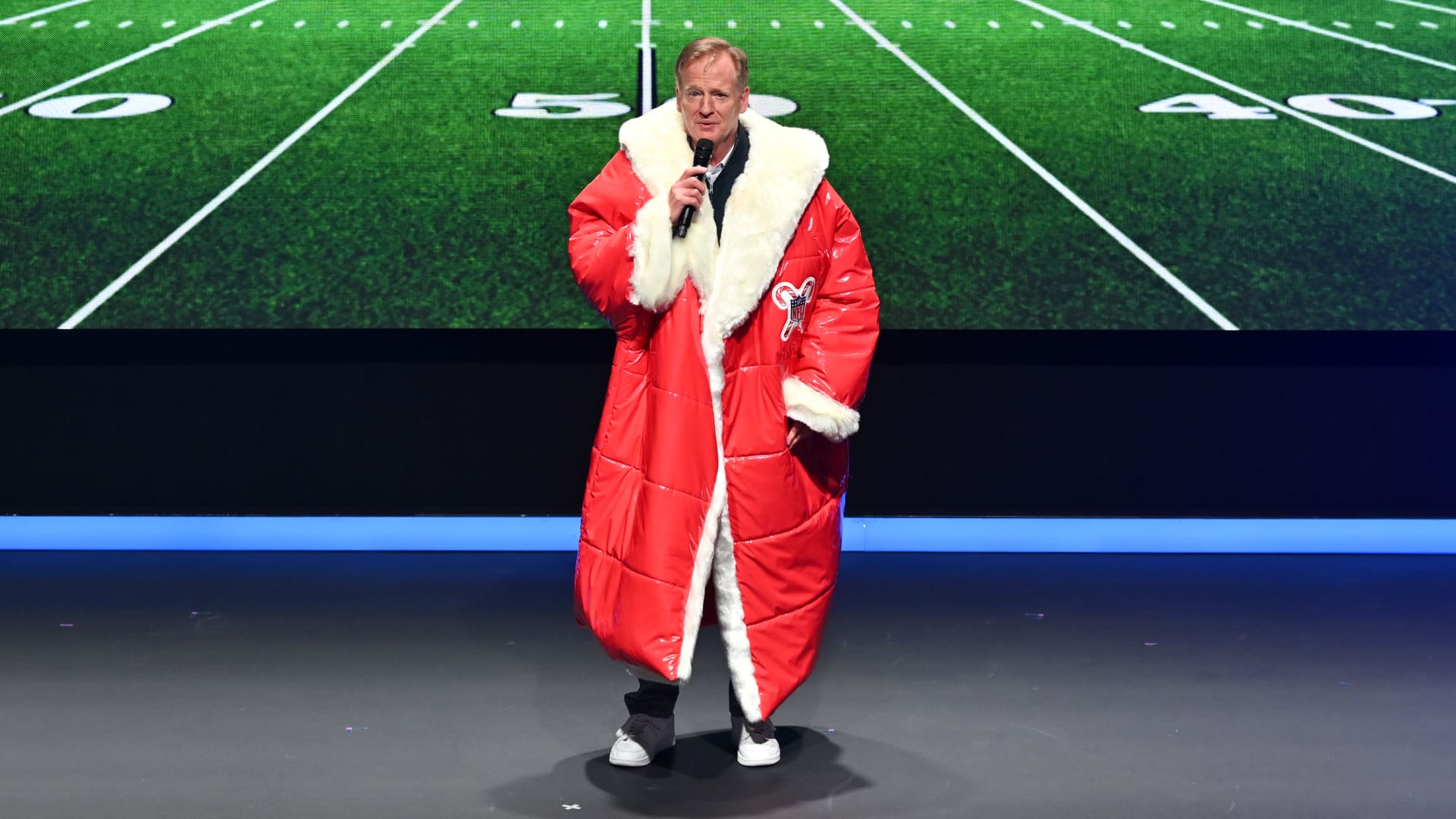
NFL Advertising Presentations Set to Begin Next Week


- Advertising Presentation Schedule: Next week, the media world will converge in New York, with NBCUniversal, Fox, Amazon, Disney, and others showcasing their NFL programming, which is expected to solidify trends observed last year, particularly with NFL Commissioner Roger Goodell's attendance at both YouTube and Netflix events.
- Value of NFL Programming: NBCU will highlight the value of 'Sunday Night Football,' the most-watched show on U.S. television for the past 15 years, while Fox will showcase its NFL programming's highest ratings since 2015, averaging 19.63 million viewers last year.
- ESPN's Digital Subscription Success: Disney reported that revenue from ESPN's digital subscription service has more than offset losses from traditional cable cancellations, although the sports segment's operating income is expected to decline by 14% year-over-year due to rising programming fees, potentially leading to a price increase for ESPN Unlimited.
- NFL and Streaming Partnerships: Netflix and YouTube will leverage the NFL to demonstrate their growing influence in sports and live programming, with plans to acquire four games from the NFL Network and possibly add an additional game, while Netflix aims to renew its Christmas game deal with the NFL.
See More

Amazon Supply Chain Services: Balancing Cost, Speed, and Reliability
- Flexible Logistics Support: Amazon Supply Chain Services (ASCS) offers flexible and resilient logistics support that helps businesses of all sizes reduce complexity and costs, thereby saving time and enhancing operational efficiency.
- Global Infrastructure Advantage: Leveraging Amazon's global infrastructure, ASCS allows businesses to build supply chains tailored to their needs without lock-in contracts, thereby enhancing competitiveness in the market.
- Technology-Driven Logistics Solutions: By utilizing AI-powered forecasting and dynamic inventory placement, ASCS helps businesses scale and effectively manage new sales channels, reducing return rates and product damage risks.
- Cost Reduction: Consolidating logistics to a single provider enables businesses to significantly lower operational expenses, improving overall supply chain efficiency and reliability, which leads to higher customer satisfaction.
See More
Amazon Accelerates Growth in Key Categories
- Key Category Growth: Amazon has achieved accelerated growth in several key categories, indicating a strong recovery in market demand that is expected to further boost the company's overall revenue.
- Stock Performance: As of May 1, 2026, Amazon's stock price rose by 1.36%, reflecting investor optimism about the company's future growth potential, which may attract more investor interest.
- Market Reaction: This growth trend could enhance Amazon's competitiveness in the e-commerce sector, especially in the face of challenges from other retail giants, further solidifying its market leadership.
- Future Outlook: With the continued growth in key categories, Amazon is poised to capture a larger market share in the coming quarters, thereby driving long-term financial health and shareholder value enhancement.
See More
AMAZON TO INVEST OVER EUR 15 BILLION IN FRANCE, GENERATING 7,000+ PERMANENT JOBS
- Investment Announcement: Amazon has announced plans to invest over €15 billion in France.
- Job Creation: This investment is expected to create more than 7,000 permanent jobs in the country.
See More
Amazon Shares Snap Six-Day Winning Streak
- Stock Fluctuation: Amazon shares fell 1.4% to $271.14 on Thursday, ending a six-day winning streak, reflecting market caution regarding its short-term performance.
- Year-to-Date Performance: So far this year, Amazon's stock has risen 19%, significantly outperforming the S&P 500's 7% increase, indicating its strong position in the overall market.
- Analyst Ratings: According to Seeking Alpha's Quant Rating, Amazon holds a 3.5 out of 5 hold rating, with profitability prospects rated A+ but valuation factors rated D-, highlighting market concerns over its valuation.
- Market Confidence: Among 62 Wall Street analysts, 62% have given buy or higher ratings, indicating that despite valuation issues, there remains optimism about Amazon's long-term growth potential.
See More
Anthropic Partners with SpaceX for AI Computing Capacity
- Data Center Partnership: Anthropic has partnered with SpaceX to utilize the newly built Colossus 2 data center, which boasts 220,000 GPUs and consumes 300 megawatts of power, significantly enhancing Anthropic's computing capacity to meet urgent AI training needs.
- Cash Inflow: This collaboration is expected to generate several billion dollars in cash flow for SpaceX, aiding its business development while providing Anthropic with much-needed computing resources to address competitive pressures in the market.
- Market Competition: In the AI sector, companies like OpenAI, Microsoft, Google, and Amazon are vying for computing power; this move not only alleviates Anthropic's resource constraints but also potentially strengthens its competitive position within the industry.
- Rapid Deployment: Elon Musk noted that SpaceX quickly completed the construction of Colossus 2, and although the demand for XAI has decreased, this move demonstrates SpaceX's flexibility and adaptability in the AI infrastructure market.
See More
NFL Advertising Presentations Set to Begin Next Week
- Advertising Presentation Schedule: Next week, the media world will converge in New York, with NBCUniversal, Fox, Amazon, Disney, and others showcasing their NFL programming, which is expected to solidify trends observed last year, particularly with NFL Commissioner Roger Goodell's attendance at both YouTube and Netflix events.
- Value of NFL Programming: NBCU will highlight the value of 'Sunday Night Football,' the most-watched show on U.S. television for the past 15 years, while Fox will showcase its NFL programming's highest ratings since 2015, averaging 19.63 million viewers last year.
- ESPN's Digital Subscription Success: Disney reported that revenue from ESPN's digital subscription service has more than offset losses from traditional cable cancellations, although the sports segment's operating income is expected to decline by 14% year-over-year due to rising programming fees, potentially leading to a price increase for ESPN Unlimited.
- NFL and Streaming Partnerships: Netflix and YouTube will leverage the NFL to demonstrate their growing influence in sports and live programming, with plans to acquire four games from the NFL Network and possibly add an additional game, while Netflix aims to renew its Christmas game deal with the NFL.
See More
Amazon Supply Chain Services: Balancing Cost, Speed, and Reliability
- Flexible Logistics Support: Amazon Supply Chain Services (ASCS) offers flexible and resilient logistics support that helps businesses of all sizes reduce complexity and costs, thereby saving time and enhancing operational efficiency.
- Global Infrastructure Advantage: Leveraging Amazon's global infrastructure, ASCS allows businesses to build supply chains tailored to their needs without lock-in contracts, thereby enhancing competitiveness in the market.
- Technology-Driven Logistics Solutions: By utilizing AI-powered forecasting and dynamic inventory placement, ASCS helps businesses scale and effectively manage new sales channels, reducing return rates and product damage risks.
- Cost Reduction: Consolidating logistics to a single provider enables businesses to significantly lower operational expenses, improving overall supply chain efficiency and reliability, which leads to higher customer satisfaction.
See More