Alibaba Shares Plunge After Earnings Miss Expectations
Written by Emily J. Thompson, Senior Investment Analyst
Updated: Mar 20 2026
0mins

Should l Buy BABA?
Source: stocktwits
- Earnings Performance: Alibaba's Q3 revenue rose 1.7% to 284.8 billion yuan, falling short of the 289.72 billion yuan estimate, while net income plummeted 66.3% to 15.6 billion yuan, highlighting the pressure from increased spending on quick commerce and technology investments.
- Stock Price Volatility: Following the disappointing earnings report, Alibaba's shares dropped 7.1% on Thursday, marking the steepest single-day decline in over five months, although they modestly recovered by 0.9% in overnight trading, indicating ongoing market concerns.
- Divergent Analyst Reactions: Jefferies lowered its price target on BABA to $212 while maintaining a 'Buy' rating, emphasizing the company's ambitious forecast of $100 billion in AI and cloud revenue over the next five years; meanwhile, US Tiger Securities upgraded its rating to 'Buy' but reduced its target to $175, reflecting a reassessment of the stock's valuation.
- Shifting Market Sentiment: Retail investor sentiment shifted from 'neutral' to 'bearish' post-earnings, indicating growing concerns about Alibaba's future performance, despite 38 out of 42 analysts still recommending 'Buy' or higher, showcasing confidence in the company's AI growth potential.
Trade with 70% Backtested Accuracy
Stop guessing "Should I Buy BABA?" and start using high-conviction signals backed by rigorous historical data.
Sign up today to access powerful investing tools and make smarter, data-driven decisions.
Analyst Views on BABA
Wall Street analysts forecast BABA stock price to rise
15 Analyst Rating
15 Buy
0 Hold
0 Sell
Strong Buy
Current: 122.690

Low
180.00
Averages
203.09
High
230.00
Current: 122.690
Low
180.00
Averages
203.09
High
230.00
About BABA
Alibaba Group Holding Ltd is an investment holding company mainly engaged in the provision of technology infrastructure and marketing platforms. The Company operates its business through nine segments. The China Commerce Retail segment is engaged in the China commerce retail business. The China Commerce Wholesale segment is mainly engaged in the operation of 1688.com. The Cloud Intelligence segment provides cloud services. The International Commerce Retail segment provides customer management services, sales of goods and logistics services. The International Commerce Wholesale segment is mainly engaged in the operation of Alibaba.com. The Cainiao Represents Logistics Services segment provides fulfilment services. The Local Services segment’s revenue includes platform commissions, logistics services revenue. The Digital Media and Entertainment segment engages in the operation of Youku and Alibaba. The All Others segment is mainly engaged in the Sun Art, Freshippo and other business.
About the author

Emily J. Thompson
Emily J. Thompson, a Chartered Financial Analyst (CFA) with 12 years in investment research, graduated with honors from the Wharton School. Specializing in industrial and technology stocks, she provides in-depth analysis for Intellectia’s earnings and market brief reports.

Alibaba Pioneers Agentic AI Revolution in Business Automation

- Massive Market Potential: According to Markets.us, the agentic AI market is projected to grow from $5.2 billion in 2024 to $197 billion by 2034, indicating strong demand from businesses for automation and reduced manual labor, with Alibaba positioned at the forefront of this growth.
- Leading Product Applications: Alibaba's Wukong platform serves as an enterprise AI control center that coordinates multiple AI agents within a single system, enabling document editing, spreadsheet updates, and meeting transcriptions, thereby enhancing workflow efficiency for businesses.
- Business Operations Automation: The newly launched Accio Work platform acts as a
See More

Alibaba Leads New Phase of Agentic AI
- Agentic AI Market Potential: According to Markets.us, the agentic AI market is projected to grow from $5.2 billion in 2024 to $197 billion by 2034, indicating a substantial market opportunity that could yield significant returns for Alibaba's strategic positioning in this sector.
- Wukong Platform Advantage: Alibaba's Wukong platform is designed to coordinate multiple AI agents, providing a multi-agent operating system that enhances business workflow management, thereby improving operational efficiency and reducing labor costs for enterprises.
- Accio Work Application: The newly launched Accio Work platform functions as a 'task force' capable of autonomously handling complex business operations, particularly for small and medium-sized enterprises, allowing them to delegate most routine tasks to AI agents and freeing up employee time for more critical activities.
- Market Competition Risks: While Alibaba demonstrates strong potential in the agentic AI space, it faces intense competition from global players like Palantir, Microsoft, and Amazon, along with execution risks and weak investor sentiment towards the Chinese tech sector, which could impact its market performance.
See More

New Trends in AI Innovation and Collaboration Among Chinese Companies

- Industry-Specific AI Development: Chinese companies are shifting focus from large language models to industry-specific artificial intelligence to drive revenue growth, indicating a rising demand for customized solutions in the market.
- Alibaba Platform Upgrade: Alibaba launched the AI-integrated Accio Work platform, capable of autonomously processing customs paperwork and calculating profit margins, with expectations to increase monthly active users from millions to tens of millions, enhancing its competitiveness in the global market.
- Intellectual Property Trading Trend: China is promoting patent trading at a high level, as showcased at the Zhongguancun Forum, reflecting the importance of intellectual property and market potential for businesses.
- Robot Technology Innovation: Linkerbot focuses on humanoid robot development, aiming to map all basic human hand skills within three years, with a goal to reduce robot costs to below that of an iPhone, demonstrating a pursuit of practical technology applications.
See More

Alibaba's Hong Kong Shares Expected to Decline by 3.6% at Opening
- Market Performance: Hong Kong shares of Alibaba have opened down by 3.6%.
- Investor Sentiment: The decline reflects ongoing concerns among investors regarding Alibaba's market position and broader economic factors.
See More
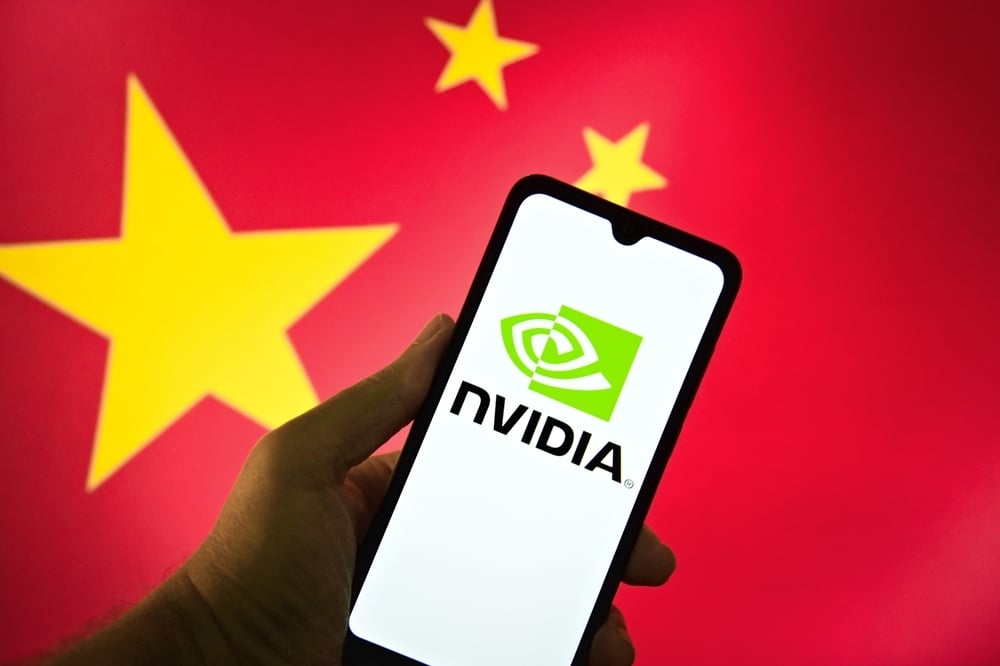
Alibaba Accelerates Shift to Huawei Chips Amid Nvidia Restrictions

- Domestic Chip Demand Surge: Alibaba and ByteDance are preparing to order Huawei's latest AI chips after positive customer testing results, indicating a significant increase in acceptance of domestic alternatives among China's major tech firms, which could reshape the competitive landscape.
- Enhanced Compatibility of 950PR Chip: Huawei's new 950PR chip is gaining traction due to improved compatibility with Nvidia's CUDA ecosystem, with plans to produce around 750,000 units by 2026 and mass shipments expected in the second half of the year, further solidifying its market position.
- US Restrictions Drive Local Market: US restrictions on Nvidia chips are creating opportunities for Huawei and other local players, while China accelerates efforts to build its semiconductor capabilities, driving expansion in domestic chip production.
- Analyst Outlook Remains Positive: Despite Nvidia facing export restrictions, analysts predict that improved export approvals could generate approximately $3 billion in revenue for every 100,000 H200 GPUs shipped, indicating strong market demand remains intact.
See More

Amazon Stock Drops Amid AI Investment Concerns

- Stock Price Decline: Amazon (AMZN) closed at $199.34 on Friday, down 4.02%, primarily due to investor concerns over rising AI-related capital expenditures, tougher macroeconomic conditions, and regulatory pressures, leading to a bearish market sentiment.
- Surge in Trading Volume: The trading volume reached 55.4 million shares, nearly 13% above the three-month average of 49.1 million shares, indicating heightened investor scrutiny regarding Amazon's future profitability amidst rising investment needs.
- Profitability Pressure: Investors are closely monitoring how Amazon's AWS and retail sectors will manage increased AI investment demands, particularly as profitability may be impacted, resulting in a more cautious outlook on future growth.
- Market Performance Comparison: Within the e-commerce and cloud computing sectors, competitors Alibaba and Walmart saw stock declines of 2.17% and a slight increase of 0.58%, respectively, highlighting the mixed performance across the industry and intensifying the market pressures faced by Amazon.
See More
Alibaba Pioneers Agentic AI Revolution in Business Automation
- Massive Market Potential: According to Markets.us, the agentic AI market is projected to grow from $5.2 billion in 2024 to $197 billion by 2034, indicating strong demand from businesses for automation and reduced manual labor, with Alibaba positioned at the forefront of this growth.
- Leading Product Applications: Alibaba's Wukong platform serves as an enterprise AI control center that coordinates multiple AI agents within a single system, enabling document editing, spreadsheet updates, and meeting transcriptions, thereby enhancing workflow efficiency for businesses.
- Business Operations Automation: The newly launched Accio Work platform acts as a
See More
Alibaba Leads New Phase of Agentic AI
- Agentic AI Market Potential: According to Markets.us, the agentic AI market is projected to grow from $5.2 billion in 2024 to $197 billion by 2034, indicating a substantial market opportunity that could yield significant returns for Alibaba's strategic positioning in this sector.
- Wukong Platform Advantage: Alibaba's Wukong platform is designed to coordinate multiple AI agents, providing a multi-agent operating system that enhances business workflow management, thereby improving operational efficiency and reducing labor costs for enterprises.
- Accio Work Application: The newly launched Accio Work platform functions as a 'task force' capable of autonomously handling complex business operations, particularly for small and medium-sized enterprises, allowing them to delegate most routine tasks to AI agents and freeing up employee time for more critical activities.
- Market Competition Risks: While Alibaba demonstrates strong potential in the agentic AI space, it faces intense competition from global players like Palantir, Microsoft, and Amazon, along with execution risks and weak investor sentiment towards the Chinese tech sector, which could impact its market performance.
See More
New Trends in AI Innovation and Collaboration Among Chinese Companies
- Industry-Specific AI Development: Chinese companies are shifting focus from large language models to industry-specific artificial intelligence to drive revenue growth, indicating a rising demand for customized solutions in the market.
- Alibaba Platform Upgrade: Alibaba launched the AI-integrated Accio Work platform, capable of autonomously processing customs paperwork and calculating profit margins, with expectations to increase monthly active users from millions to tens of millions, enhancing its competitiveness in the global market.
- Intellectual Property Trading Trend: China is promoting patent trading at a high level, as showcased at the Zhongguancun Forum, reflecting the importance of intellectual property and market potential for businesses.
- Robot Technology Innovation: Linkerbot focuses on humanoid robot development, aiming to map all basic human hand skills within three years, with a goal to reduce robot costs to below that of an iPhone, demonstrating a pursuit of practical technology applications.
See More
Alibaba's Hong Kong Shares Expected to Decline by 3.6% at Opening
- Market Performance: Hong Kong shares of Alibaba have opened down by 3.6%.
- Investor Sentiment: The decline reflects ongoing concerns among investors regarding Alibaba's market position and broader economic factors.
See More
Alibaba Accelerates Shift to Huawei Chips Amid Nvidia Restrictions
- Domestic Chip Demand Surge: Alibaba and ByteDance are preparing to order Huawei's latest AI chips after positive customer testing results, indicating a significant increase in acceptance of domestic alternatives among China's major tech firms, which could reshape the competitive landscape.
- Enhanced Compatibility of 950PR Chip: Huawei's new 950PR chip is gaining traction due to improved compatibility with Nvidia's CUDA ecosystem, with plans to produce around 750,000 units by 2026 and mass shipments expected in the second half of the year, further solidifying its market position.
- US Restrictions Drive Local Market: US restrictions on Nvidia chips are creating opportunities for Huawei and other local players, while China accelerates efforts to build its semiconductor capabilities, driving expansion in domestic chip production.
- Analyst Outlook Remains Positive: Despite Nvidia facing export restrictions, analysts predict that improved export approvals could generate approximately $3 billion in revenue for every 100,000 H200 GPUs shipped, indicating strong market demand remains intact.
See More
Amazon Stock Drops Amid AI Investment Concerns
- Stock Price Decline: Amazon (AMZN) closed at $199.34 on Friday, down 4.02%, primarily due to investor concerns over rising AI-related capital expenditures, tougher macroeconomic conditions, and regulatory pressures, leading to a bearish market sentiment.
- Surge in Trading Volume: The trading volume reached 55.4 million shares, nearly 13% above the three-month average of 49.1 million shares, indicating heightened investor scrutiny regarding Amazon's future profitability amidst rising investment needs.
- Profitability Pressure: Investors are closely monitoring how Amazon's AWS and retail sectors will manage increased AI investment demands, particularly as profitability may be impacted, resulting in a more cautious outlook on future growth.
- Market Performance Comparison: Within the e-commerce and cloud computing sectors, competitors Alibaba and Walmart saw stock declines of 2.17% and a slight increase of 0.58%, respectively, highlighting the mixed performance across the industry and intensifying the market pressures faced by Amazon.
See More