AeroVironment Shares Plunge 17% Amid Contract Risk
Written by Emily J. Thompson, Senior Investment Analyst
Updated: Mar 03 2026
0mins


Should l Buy TGT?
Source: Fool
- Contract Risk Impact: AeroVironment (AVAV) shares fell 17.4% yesterday due to the U.S. government reopening its $1.7 billion Satellite Communications Augmentation Resource (SCAR) contract, raising concerns about potential business loss and future revenue impact.
- Sector Divergence: While other defense stocks rallied, AeroVironment's decline highlights market worries over contract stability, which could undermine investor confidence and affect the company's valuation.
- Apple's New Product Launch: Apple (AAPL) is set to unveil the $599 iPhone 17e, targeting budget-conscious consumers; despite compromises in camera and display quality, this move could help expand its market share.
- On Holding Sales Guidance Downgrade: On Holding (ONON) dipped over 11% in pre-market trading after its 2026 sales guidance fell short of expectations, despite fourth-quarter earnings beating analyst forecasts, indicating market concerns about its growth potential.
Trade with 70% Backtested Accuracy
Stop guessing "Should I Buy TGT?" and start using high-conviction signals backed by rigorous historical data.
Sign up today to access powerful investing tools and make smarter, data-driven decisions.
Analyst Views on TGT
Wall Street analysts forecast TGT stock price to fall
26 Analyst Rating
8 Buy
14 Hold
4 Sell
Hold
Current: 127.840

Low
80.00
Averages
98.83
High
126.00
Current: 127.840
Low
80.00
Averages
98.83
High
126.00
About TGT
Target Corporation is a general merchandise retailer selling products to its guests through its stores and digital channels. The Company offers customers, referred to as guests, everyday essentials and fashionable, differentiated merchandise at discounted prices. The majority of its stores offer a wide assortment of general merchandise and food. Its merchandise categories include apparel and accessories, beauty and household essentials, food and beverage, hardlines, and home furnishings and decor. Most of its stores are larger than 170,000 square feet, offer a variety of general merchandise and a full line of food items comparable to traditional supermarkets. Its digital channels include a wide merchandise and food assortment, including many items found in its stores, along with a complementary assortment sold by the Company and third parties. Its brands include A New Day, Ava & Viv, Cloud Island, Favorite Day, and others. It serves guests at nearly 2,000 stores and at Target.com.
About the author

Emily J. Thompson
Emily J. Thompson, a Chartered Financial Analyst (CFA) with 12 years in investment research, graduated with honors from the Wharton School. Specializing in industrial and technology stocks, she provides in-depth analysis for Intellectia’s earnings and market brief reports.

Target Announces 2026 Community Building Initiative

- Community Investment: Target plans to complete 13 Bullseye Builds in 2026, backed by a $1 million investment aimed at leveraging volunteerism and design expertise to meet local community needs, thereby enhancing the company's connection and brand image within the community.
- Launch Cities: The first projects will kick off in May in Denver and Las Vegas, where Target will collaborate with local schools and nonprofits to upgrade student wellness rooms and address food insecurity, directly responding to urgent community needs.
- Volunteer Engagement: Each project will involve over 100 Target team member volunteers, reflecting the company's commitment as demonstrated by the 1 million volunteer hours contributed by team members in 2025, showcasing Target's long-standing dedication to community impact.
- Ongoing Impact: Since its launch in 2024, Bullseye Builds has contributed to 25 community spaces nationwide, with upcoming projects continuing to focus on creating visually appealing and functional spaces that cater to diverse community needs.
See More

Strategic Significance of Retailers' Pricing Power

- Walmart's Pricing Power: Walmart leverages its scale with over 10,900 stores and 280 million weekly visitors to exert pressure on suppliers, allowing it to maintain low prices that attract higher-income consumers and enhance its competitive edge.
- New Store Expansion Plans: Walmart plans to open 20 new stores by 2027, which will further solidify its market position and support future revenue growth, despite a high price-to-earnings ratio of 42.3 indicating strong investor expectations for its performance.
- Ulta Beauty's Market Positioning: Ulta Beauty holds approximately 9% market share in the U.S. beauty market, and its loyal customer base mitigates the risk of backlash when raising prices, showcasing its unique pricing power amidst competitive pressures.
- International Expansion Strategy: Ulta Beauty is expanding internationally by opening new stores in Mexico and the Middle East, which, despite challenges, will help attract more customers globally and enhance its brand influence.
See More

California's Antitrust Case Against Amazon Unveils New Evidence


- New Evidence in Antitrust Case: California's Attorney General released documents revealing internal communications between Amazon and major vendors, indicating alleged coercion to raise prices at rival retailers like Walmart and Target, thereby stifling competition and impacting consumer pricing.
- Price Manipulation Allegations: Amazon is accused of pressuring brands such as Levi Strauss and Hanes to inflate prices on competing platforms, resulting in higher costs for consumers across multiple sites and further entrenching its dominant market position.
- Legal Action Request: The Attorney General's office has requested the court to prohibit Amazon from continuing these alleged price-fixing practices and to appoint an independent monitor to ensure compliance, reflecting serious concerns over Amazon's market behavior.
- Market Share Impact: With Amazon controlling up to 50% of the U.S. e-commerce market, its pricing strategies are seen as a primary factor driving up prices for competitors, potentially leading to significant implications for future market dynamics and consumer choices.
See More
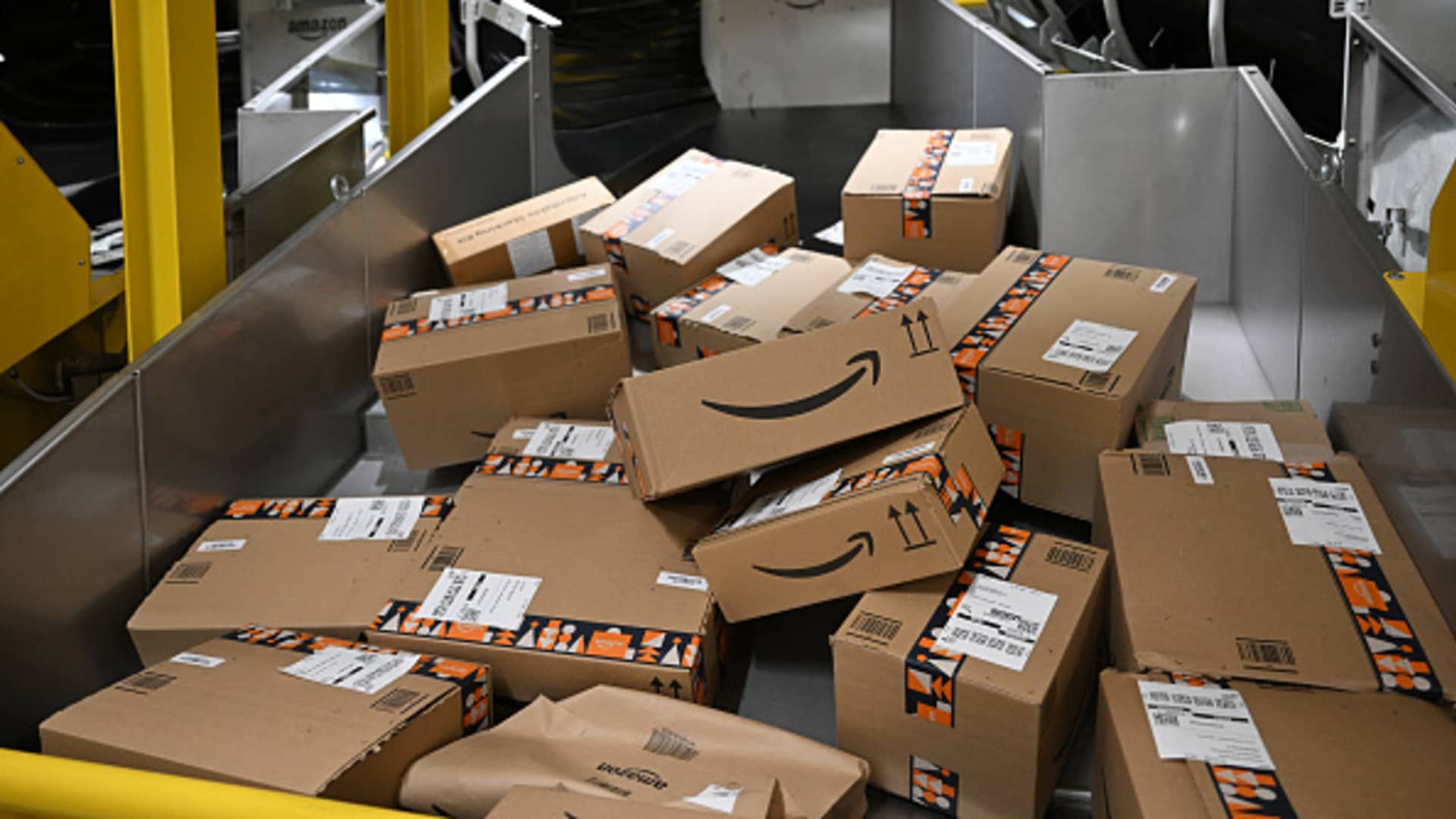
Amazon Accused of Price Fixing in Antitrust Case
- Price Fixing Allegations: California Attorney General accuses Amazon of pressuring major brands like Levi Strauss and Hanes to inflate prices on competing platforms, resulting in higher costs for consumers and highlighting Amazon's dominant position in the e-commerce market.
- Antitrust Lawsuit Developments: Newly unsealed documents reveal communications between Amazon and Hanes, where Hanes confirmed reaching out to Target and Walmart to raise prices, indicating Amazon's pressure tactics to maintain profit margins in a competitive landscape.
- Market Share Impact: With Amazon controlling approximately 50% of the U.S. e-commerce market, the Attorney General asserts that such practices not only harm competition but also lead to increased consumer prices, reflecting Amazon's stronghold in the industry.
- Expected Legal Consequences: The Attorney General has requested the court to prohibit Amazon from continuing these alleged price-fixing practices during the lawsuit and to appoint an independent monitor for compliance, with the case set to go to trial in 2027, potentially impacting Amazon's operational model significantly.
See More
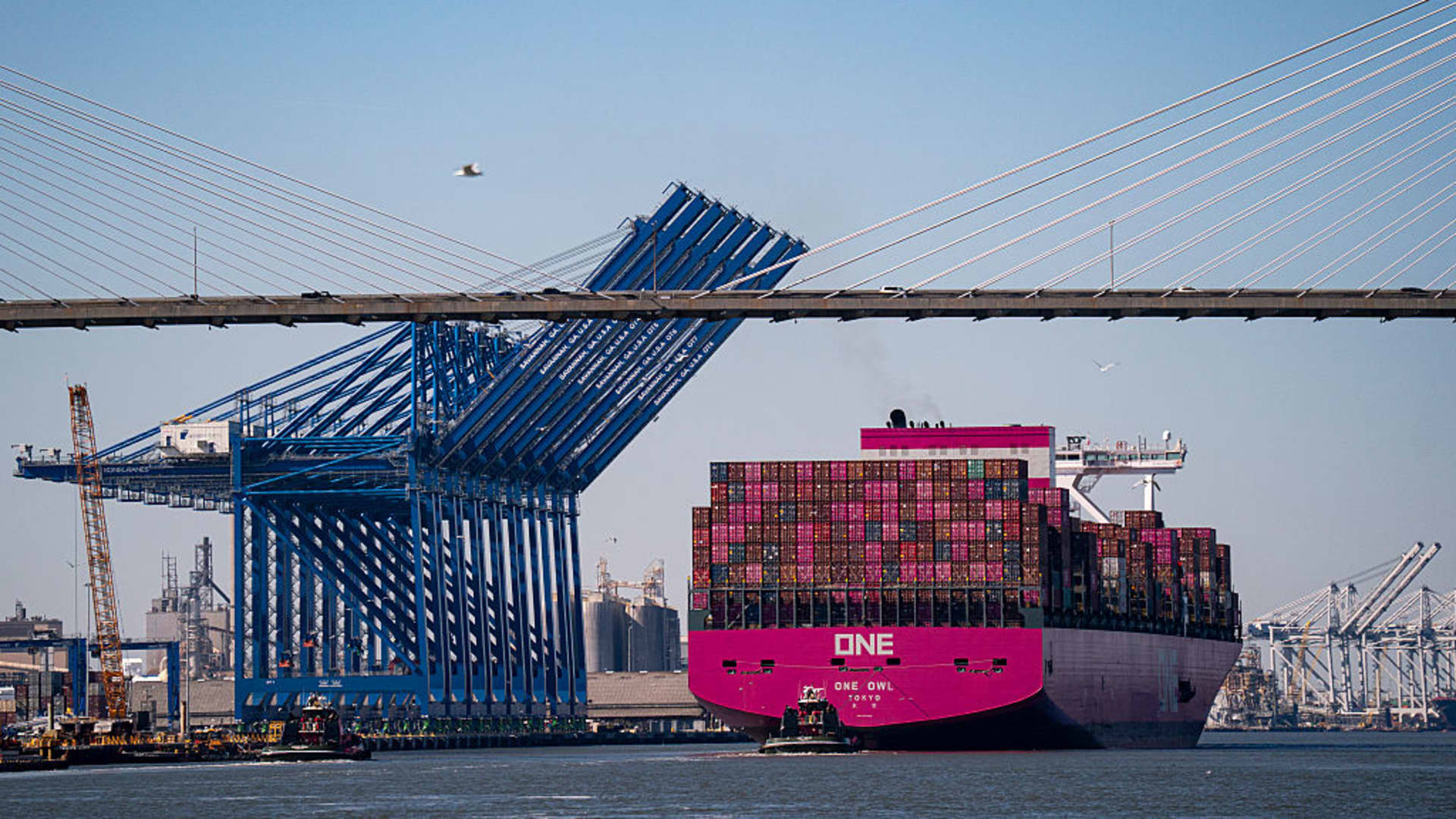
U.S. Importers Set to Claim $160 Billion in Tariff Refunds
- Total Tariff Refunds: U.S. importers, including Walmart and Target, are set to claim over $160 billion in tariff refunds following a Supreme Court ruling, although the refund process may encounter complex legal and bureaucratic hurdles.
- Claims Filing System Launch: The U.S. Customs and Border Protection will launch the CAPE claims filing portal on Monday, allowing importers to submit claims for refunds on tariffs imposed under the now-invalidated Trump administration authority, which is expected to streamline the refund process but still requires multiple validations.
- Retailer Refund Expectations: Analysts project Walmart will receive $10.2 billion in refunds, Target $2.2 billion, and Nike $1 billion, with these refunds potentially reflecting positively on future financial reports by improving profits and cash flow.
- Legal Risk Warning: While refunds could provide short-term financial benefits, trade lawyers caution that companies may face legal risks as many have passed tariff costs onto consumers, potentially leading to lawsuits from customers.
See More

U.S. Tariff Refund Claims Portal Launches Amid Skepticism
- Tariff Refund Portal Launch: The U.S. Customs and Border Protection launched a tariff refund claims portal on Monday, expected to facilitate over $160 billion in refunds for importers, including Walmart, although analysts express skepticism about the speed of these refunds.
- Massive Refund Estimates: According to Citi's analysis, Walmart is projected to receive $10.2 billion, Target $2.2 billion, and Nike $1 billion in refunds, highlighting the significant financial impact on major retailers from the tariff refund process.
- Legal Vulnerability Concerns: Trade lawyers warn that while refunds could enhance company financials, the potential for lawsuits arises as many companies passed on tariff costs to consumers, increasing compliance risks and complicating the refund process.
- Uncertainty in Future Tariff Policies: Treasury Secretary indicated the possibility of reinstating tariffs through Section 301, raising concerns among importers about future tariff implications, especially as the current refund process remains uncertain and could affect market dynamics.
See More
Target Announces 2026 Community Building Initiative
- Community Investment: Target plans to complete 13 Bullseye Builds in 2026, backed by a $1 million investment aimed at leveraging volunteerism and design expertise to meet local community needs, thereby enhancing the company's connection and brand image within the community.
- Launch Cities: The first projects will kick off in May in Denver and Las Vegas, where Target will collaborate with local schools and nonprofits to upgrade student wellness rooms and address food insecurity, directly responding to urgent community needs.
- Volunteer Engagement: Each project will involve over 100 Target team member volunteers, reflecting the company's commitment as demonstrated by the 1 million volunteer hours contributed by team members in 2025, showcasing Target's long-standing dedication to community impact.
- Ongoing Impact: Since its launch in 2024, Bullseye Builds has contributed to 25 community spaces nationwide, with upcoming projects continuing to focus on creating visually appealing and functional spaces that cater to diverse community needs.
See More
Strategic Significance of Retailers' Pricing Power
- Walmart's Pricing Power: Walmart leverages its scale with over 10,900 stores and 280 million weekly visitors to exert pressure on suppliers, allowing it to maintain low prices that attract higher-income consumers and enhance its competitive edge.
- New Store Expansion Plans: Walmart plans to open 20 new stores by 2027, which will further solidify its market position and support future revenue growth, despite a high price-to-earnings ratio of 42.3 indicating strong investor expectations for its performance.
- Ulta Beauty's Market Positioning: Ulta Beauty holds approximately 9% market share in the U.S. beauty market, and its loyal customer base mitigates the risk of backlash when raising prices, showcasing its unique pricing power amidst competitive pressures.
- International Expansion Strategy: Ulta Beauty is expanding internationally by opening new stores in Mexico and the Middle East, which, despite challenges, will help attract more customers globally and enhance its brand influence.
See More
California's Antitrust Case Against Amazon Unveils New Evidence
- New Evidence in Antitrust Case: California's Attorney General released documents revealing internal communications between Amazon and major vendors, indicating alleged coercion to raise prices at rival retailers like Walmart and Target, thereby stifling competition and impacting consumer pricing.
- Price Manipulation Allegations: Amazon is accused of pressuring brands such as Levi Strauss and Hanes to inflate prices on competing platforms, resulting in higher costs for consumers across multiple sites and further entrenching its dominant market position.
- Legal Action Request: The Attorney General's office has requested the court to prohibit Amazon from continuing these alleged price-fixing practices and to appoint an independent monitor to ensure compliance, reflecting serious concerns over Amazon's market behavior.
- Market Share Impact: With Amazon controlling up to 50% of the U.S. e-commerce market, its pricing strategies are seen as a primary factor driving up prices for competitors, potentially leading to significant implications for future market dynamics and consumer choices.
See More
Amazon Accused of Price Fixing in Antitrust Case
- Price Fixing Allegations: California Attorney General accuses Amazon of pressuring major brands like Levi Strauss and Hanes to inflate prices on competing platforms, resulting in higher costs for consumers and highlighting Amazon's dominant position in the e-commerce market.
- Antitrust Lawsuit Developments: Newly unsealed documents reveal communications between Amazon and Hanes, where Hanes confirmed reaching out to Target and Walmart to raise prices, indicating Amazon's pressure tactics to maintain profit margins in a competitive landscape.
- Market Share Impact: With Amazon controlling approximately 50% of the U.S. e-commerce market, the Attorney General asserts that such practices not only harm competition but also lead to increased consumer prices, reflecting Amazon's stronghold in the industry.
- Expected Legal Consequences: The Attorney General has requested the court to prohibit Amazon from continuing these alleged price-fixing practices during the lawsuit and to appoint an independent monitor for compliance, with the case set to go to trial in 2027, potentially impacting Amazon's operational model significantly.
See More
U.S. Importers Set to Claim $160 Billion in Tariff Refunds
- Total Tariff Refunds: U.S. importers, including Walmart and Target, are set to claim over $160 billion in tariff refunds following a Supreme Court ruling, although the refund process may encounter complex legal and bureaucratic hurdles.
- Claims Filing System Launch: The U.S. Customs and Border Protection will launch the CAPE claims filing portal on Monday, allowing importers to submit claims for refunds on tariffs imposed under the now-invalidated Trump administration authority, which is expected to streamline the refund process but still requires multiple validations.
- Retailer Refund Expectations: Analysts project Walmart will receive $10.2 billion in refunds, Target $2.2 billion, and Nike $1 billion, with these refunds potentially reflecting positively on future financial reports by improving profits and cash flow.
- Legal Risk Warning: While refunds could provide short-term financial benefits, trade lawyers caution that companies may face legal risks as many have passed tariff costs onto consumers, potentially leading to lawsuits from customers.
See More
U.S. Tariff Refund Claims Portal Launches Amid Skepticism
- Tariff Refund Portal Launch: The U.S. Customs and Border Protection launched a tariff refund claims portal on Monday, expected to facilitate over $160 billion in refunds for importers, including Walmart, although analysts express skepticism about the speed of these refunds.
- Massive Refund Estimates: According to Citi's analysis, Walmart is projected to receive $10.2 billion, Target $2.2 billion, and Nike $1 billion in refunds, highlighting the significant financial impact on major retailers from the tariff refund process.
- Legal Vulnerability Concerns: Trade lawyers warn that while refunds could enhance company financials, the potential for lawsuits arises as many companies passed on tariff costs to consumers, increasing compliance risks and complicating the refund process.
- Uncertainty in Future Tariff Policies: Treasury Secretary indicated the possibility of reinstating tariffs through Section 301, raising concerns among importers about future tariff implications, especially as the current refund process remains uncertain and could affect market dynamics.
See More