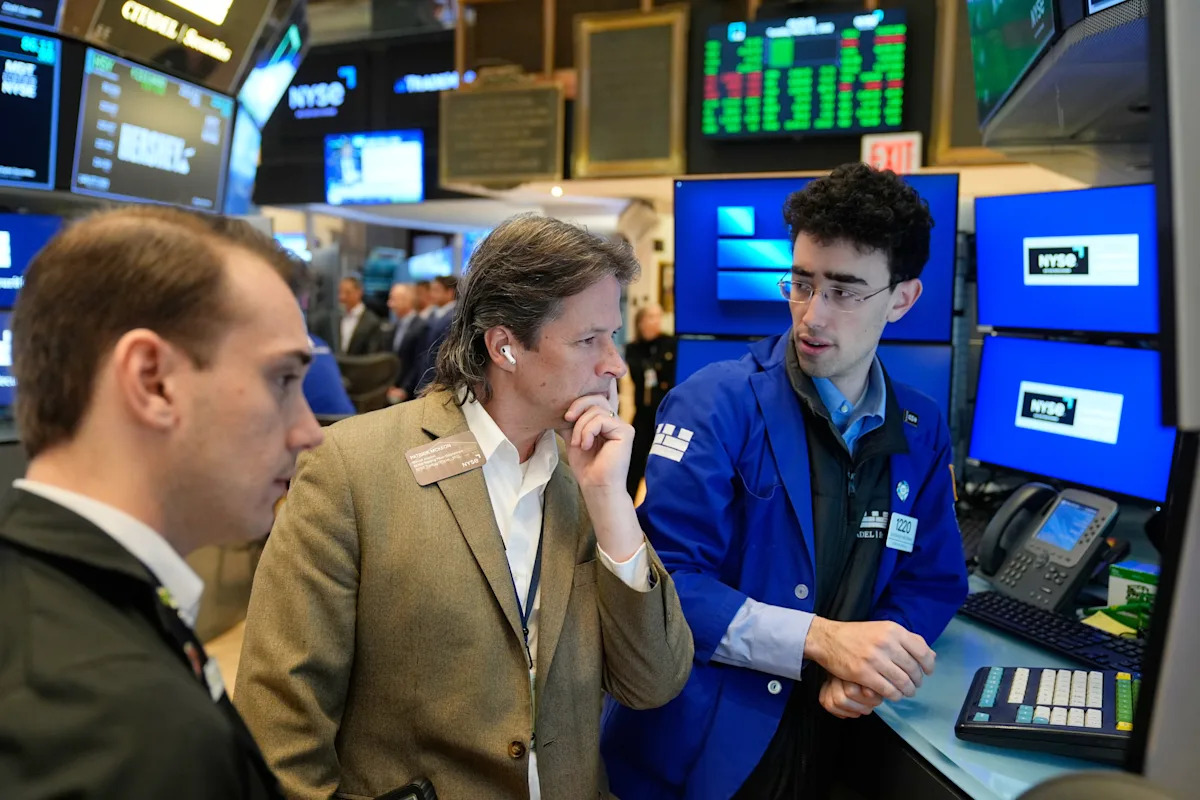
A Glimpse into Billionaire Lucy Guo's Demanding Daily Schedule: Early Mornings, Two Gym Workouts, and Skipping Lunch
Lucy Guo's Achievements: At 30, Lucy Guo became the youngest self-made woman billionaire with a net worth of $1.3 billion after her company, Scale AI, secured a deal with Meta.
Work Ethic and Daily Routine: Guo maintains a rigorous work schedule, waking up at 5:30 a.m. for workouts and often working long hours, while emphasizing productivity over traditional work-life balance.
Controversial Work Culture Views: Guo supports a demanding work culture similar to China's 996 model, arguing that intense early-stage work is necessary for startup success, though some industry leaders criticize this approach.
Legal Controversy: Guo's latest venture, Passes, faces a class action lawsuit alleging distribution of inappropriate content, which she and the company deny, calling the claims baseless.
Trade with 70% Backtested Accuracy
Analyst Views on META

About META
About the author

Meta AI App Downloads Surge 87% Following Muse Spark Launch

- Download Surge: Meta Platforms' AI app downloads on iOS in the U.S. surged 87% on April 8, reaching approximately 46,000 downloads, indicating a significant rise in consumer interest following the launch of the new model Muse Spark, thereby reinforcing the company's market position in AI.
- Ranking Improvement: On April 8, Meta AI climbed from 60th to 21st on the U.S. Apple App Store rankings, demonstrating the direct impact of new product releases on user attraction, potentially laying the groundwork for future user growth.
- Web Traffic Spike: Daily web visitors for Meta AI in the U.S. soared over 450% on April 8, with a more than 570% increase compared to the average of the previous 30 days, indicating that the introduction of new features significantly enhanced user engagement and usage frequency.
- International Market Performance: In Canada, the U.K., France, and Germany, downloads of Meta AI increased by 51%, 32%, 27%, and 25% respectively, showcasing the app's strong performance in international markets and further strengthening Meta's competitive edge in the global AI application landscape.

Nebius Builds AI Factories Amidst Market Promises

- Optimistic Market Outlook: Nebius's stock has soared over 340% since last year, bolstered by financial backing from Nvidia, indicating strong growth potential in AI infrastructure that has captured Wall Street's attention.
- Confidence in Contracts: The company has secured multiyear contracts worth up to $46 billion with Microsoft and Meta Platforms, showcasing its competitive edge and client trust in the AI cloud computing market, which is expected to drive explosive revenue growth.
- Acquisition Strategy: Nebius's acquisition of agentic AI search company Tavily for $275 million aims to enhance its AI ecosystem and capitalize on the agentic AI market, projected to be worth between $140 billion and $200 billion over the next decade.
- Capital Expenditure Risks: Despite Nebius's market cap reaching $29.5 billion, its spending on property and equipment exceeded $4 billion in 2025 alone, raising concerns about potential debt and share dilution, necessitating careful evaluation of its growth sustainability.

Nebius Group: The Rise of AI Data Centers
- Stellar Market Performance: Nebius Group's stock has soared over 340% since last year, currently valued at $29.5 billion, reflecting strong investor confidence in its AI infrastructure, particularly bolstered by financial backing from Nvidia and substantial contracts.
- Massive Contract Value: Nebius has secured multi-year contracts worth up to $46 billion with Microsoft and Meta Platforms, which not only provides a stable revenue stream but also enhances its competitive position in the AI market.
- Revenue Growth Potential: Nebius is projected to finish 2025 with $529.8 million in total revenue, with analysts estimating a surge to $3.3 billion in 2026 and $9.7 billion in 2027, indicating robust business expansion momentum.
- Acquisition Strategy: Nebius announced the acquisition of AI search company Tavily for $275 million, aimed at strengthening its AI ecosystem and capturing the promising agentic AI market, which is projected to be worth between $140 billion and $200 billion in the coming decade.

Market Focus on AI Bubble Risks


- Equity Market Analysis: In 2026, Oracle and Microsoft's poor stock performance is largely attributed to their significant reliance on OpenAI, with Oracle's $300 billion cloud computing agreement highlighting market concerns over an AI bubble.
- Debt Market Sentiment: Analysis of credit default swaps (CDS) reveals that the debt market is not particularly worried about default risks for Alphabet and Microsoft, but shows heightened concern for Oracle, indicating doubts about its earnings potential.
- OpenAI Funding Dynamics: OpenAI's recent funding round raised $122 billion, achieving a post-money valuation of $852 billion, suggesting that while investors are still willing to back AI growth, there are ongoing concerns about the costs associated with infrastructure development.
- Strategic Investment Choices: Given the current landscape, investors are advised to focus on well-funded companies like Alphabet that lead in engine model development, rather than Oracle, which is focused on building AI infrastructure for OpenAI.

Debt Markets Show Increased Default Risk Concerns for Oracle
- Debt Market Concerns: The debt market shows heightened concern for Oracle's default risk, particularly due to its $300 billion cloud computing agreement with OpenAI, which may limit future profitability and impact investor confidence.
- Equity Underperformance: Oracle and Microsoft's stock performance in 2026 has been poor, primarily due to their significant reliance on OpenAI, leading to increased market worries about their earnings potential and long-term growth prospects.
- CDS Analysis: Credit default swap (CDS) data indicates that Oracle's default risk is priced higher in the market, while Alphabet and Microsoft are viewed as having lower risk, reflecting stronger investor confidence in these companies.
- AI Investment Outlook: Despite OpenAI's recent successful funding round of $122 billion indicating investor support for AI companies, concerns about Oracle's infrastructure capabilities persist, suggesting investors should favor well-funded firms like Alphabet.

Apple Remains a Global Tech Leader with Untapped AI Potential


- Active Device Count: In its fiscal Q1 2026 report, Apple announced it has 2.5 billion active devices, reflecting high customer satisfaction and providing a vast user base for AI engagement.
- AI Investment Strategy: Despite market disappointment over Apple's AI progress, the company has struck a deal with Alphabet to pay $1 billion annually for its Gemini LLM, indicating a strategic approach to AI development.
- iPhone Sales Growth: Apple's iPhone sales surged 23% year-over-year in Q1, with total sales up 16%, demonstrating strong performance among loyal customers and reinforcing its market position.
- Hardware Advantage: Apple's lead in hardware, combined with its AI platform integration, positions the company to benefit from its expanding user base, as users prioritize other features over current AI limitations.
Meta AI App Downloads Surge 87% Following Muse Spark Launch
- Download Surge: Meta Platforms' AI app downloads on iOS in the U.S. surged 87% on April 8, reaching approximately 46,000 downloads, indicating a significant rise in consumer interest following the launch of the new model Muse Spark, thereby reinforcing the company's market position in AI.
- Ranking Improvement: On April 8, Meta AI climbed from 60th to 21st on the U.S. Apple App Store rankings, demonstrating the direct impact of new product releases on user attraction, potentially laying the groundwork for future user growth.
- Web Traffic Spike: Daily web visitors for Meta AI in the U.S. soared over 450% on April 8, with a more than 570% increase compared to the average of the previous 30 days, indicating that the introduction of new features significantly enhanced user engagement and usage frequency.
- International Market Performance: In Canada, the U.K., France, and Germany, downloads of Meta AI increased by 51%, 32%, 27%, and 25% respectively, showcasing the app's strong performance in international markets and further strengthening Meta's competitive edge in the global AI application landscape.
Nebius Builds AI Factories Amidst Market Promises
- Optimistic Market Outlook: Nebius's stock has soared over 340% since last year, bolstered by financial backing from Nvidia, indicating strong growth potential in AI infrastructure that has captured Wall Street's attention.
- Confidence in Contracts: The company has secured multiyear contracts worth up to $46 billion with Microsoft and Meta Platforms, showcasing its competitive edge and client trust in the AI cloud computing market, which is expected to drive explosive revenue growth.
- Acquisition Strategy: Nebius's acquisition of agentic AI search company Tavily for $275 million aims to enhance its AI ecosystem and capitalize on the agentic AI market, projected to be worth between $140 billion and $200 billion over the next decade.
- Capital Expenditure Risks: Despite Nebius's market cap reaching $29.5 billion, its spending on property and equipment exceeded $4 billion in 2025 alone, raising concerns about potential debt and share dilution, necessitating careful evaluation of its growth sustainability.
Nebius Group: The Rise of AI Data Centers
- Stellar Market Performance: Nebius Group's stock has soared over 340% since last year, currently valued at $29.5 billion, reflecting strong investor confidence in its AI infrastructure, particularly bolstered by financial backing from Nvidia and substantial contracts.
- Massive Contract Value: Nebius has secured multi-year contracts worth up to $46 billion with Microsoft and Meta Platforms, which not only provides a stable revenue stream but also enhances its competitive position in the AI market.
- Revenue Growth Potential: Nebius is projected to finish 2025 with $529.8 million in total revenue, with analysts estimating a surge to $3.3 billion in 2026 and $9.7 billion in 2027, indicating robust business expansion momentum.
- Acquisition Strategy: Nebius announced the acquisition of AI search company Tavily for $275 million, aimed at strengthening its AI ecosystem and capturing the promising agentic AI market, which is projected to be worth between $140 billion and $200 billion in the coming decade.
Market Focus on AI Bubble Risks
- Equity Market Analysis: In 2026, Oracle and Microsoft's poor stock performance is largely attributed to their significant reliance on OpenAI, with Oracle's $300 billion cloud computing agreement highlighting market concerns over an AI bubble.
- Debt Market Sentiment: Analysis of credit default swaps (CDS) reveals that the debt market is not particularly worried about default risks for Alphabet and Microsoft, but shows heightened concern for Oracle, indicating doubts about its earnings potential.
- OpenAI Funding Dynamics: OpenAI's recent funding round raised $122 billion, achieving a post-money valuation of $852 billion, suggesting that while investors are still willing to back AI growth, there are ongoing concerns about the costs associated with infrastructure development.
- Strategic Investment Choices: Given the current landscape, investors are advised to focus on well-funded companies like Alphabet that lead in engine model development, rather than Oracle, which is focused on building AI infrastructure for OpenAI.
Debt Markets Show Increased Default Risk Concerns for Oracle
- Debt Market Concerns: The debt market shows heightened concern for Oracle's default risk, particularly due to its $300 billion cloud computing agreement with OpenAI, which may limit future profitability and impact investor confidence.
- Equity Underperformance: Oracle and Microsoft's stock performance in 2026 has been poor, primarily due to their significant reliance on OpenAI, leading to increased market worries about their earnings potential and long-term growth prospects.
- CDS Analysis: Credit default swap (CDS) data indicates that Oracle's default risk is priced higher in the market, while Alphabet and Microsoft are viewed as having lower risk, reflecting stronger investor confidence in these companies.
- AI Investment Outlook: Despite OpenAI's recent successful funding round of $122 billion indicating investor support for AI companies, concerns about Oracle's infrastructure capabilities persist, suggesting investors should favor well-funded firms like Alphabet.
Apple Remains a Global Tech Leader with Untapped AI Potential
- Active Device Count: In its fiscal Q1 2026 report, Apple announced it has 2.5 billion active devices, reflecting high customer satisfaction and providing a vast user base for AI engagement.
- AI Investment Strategy: Despite market disappointment over Apple's AI progress, the company has struck a deal with Alphabet to pay $1 billion annually for its Gemini LLM, indicating a strategic approach to AI development.
- iPhone Sales Growth: Apple's iPhone sales surged 23% year-over-year in Q1, with total sales up 16%, demonstrating strong performance among loyal customers and reinforcing its market position.
- Hardware Advantage: Apple's lead in hardware, combined with its AI platform integration, positions the company to benefit from its expanding user base, as users prioritize other features over current AI limitations.