Dan Ives Shares 5 Forecasts for Technology and AI in 2026


Dan Ives' Predictions for 2026: Wall Street analyst Dan Ives remains optimistic about the tech sector, predicting significant advancements for Tesla, Oracle, Apple, and Google, particularly in AI and electric vehicles.
Tesla's Robotaxi Expansion: Ives forecasts that Tesla will successfully launch robotaxis in over 30 cities and sees potential stock gains of up to 68% as the company leads in the self-driving car race.
AI Partnerships and Acquisitions: Ives anticipates a formal AI partnership between Apple and Google, which could help Apple reach a $5 trillion market cap, and predicts that AI infrastructure provider Nebius will be acquired by major tech companies.
Cybersecurity Market Growth: Ives highlights the cybersecurity sector as a high-performing area, naming CrowdStrike and Palo Alto Networks as top picks, with expectations for significant growth driven by increasing security demands.
Trade with 70% Backtested Accuracy
Analyst Views on GOOG

About GOOG
About the author


Wells Fargo Lowers Alphabet Price Target to $361


- Price Target Adjustment: Wells Fargo has lowered Alphabet's price target from $397 to $361 while maintaining an ‘Overweight’ rating, indicating that despite the reduction, financial trends are improving, showcasing the company's strong fundamentals.
- Improved Cash Flow Outlook: The first quarter of 2026 is anticipated to mark a turning point for Alphabet's free cash flow expectations, with stabilizing capital expenditures and improved operating performance driving projections higher, suggesting resilience in earnings amid market uncertainties.
- Cloud Business Driving Growth: Wells Fargo highlighted that a significant portion of projected gains is linked to the Google Cloud Platform, which reported $17.7 billion in revenue for Q4, reflecting a 48% year-over-year increase driven by strong demand for AI infrastructure.
- Capital Expenditure Plans: Alphabet plans to allocate between $175 billion and $185 billion for capital expenditures in 2026, significantly exceeding the $91 billion spent in 2025, demonstrating the company's strong confidence in future growth prospects.

Stagflation Fears Rise: Investment Strategies for Resilience


- Surge in Stagflation Searches: Google Trends indicates a 650% increase in searches for 'stagflation 2026' over the past three months, highlighting growing market concerns about economic stagnation and high inflation, prompting investors to reassess potential recession risks.
- Deteriorating Job Data: The U.S. lost 92,000 jobs in February, significantly worse than expected, leading to a 40% probability assessment for a U.S. recession, which could negatively impact consumer spending and corporate earnings.
- Energy Stocks Benefit: In a stagflation scenario, ExxonMobil (XOM), the largest energy company in the U.S., stands to gain as rising oil and gas prices boost its revenues and share price, making it a preferred safe haven for investors amid economic uncertainty.
- Defensive Stock Strategy: Johnson & Johnson (JNJ) and Walmart (WMT) are viewed as top defensive investments in a stagnating economy with high inflation, with J&J benefiting from stable demand for medical products and Walmart leveraging its position in low-priced consumer goods to maintain steady returns during stagflation.
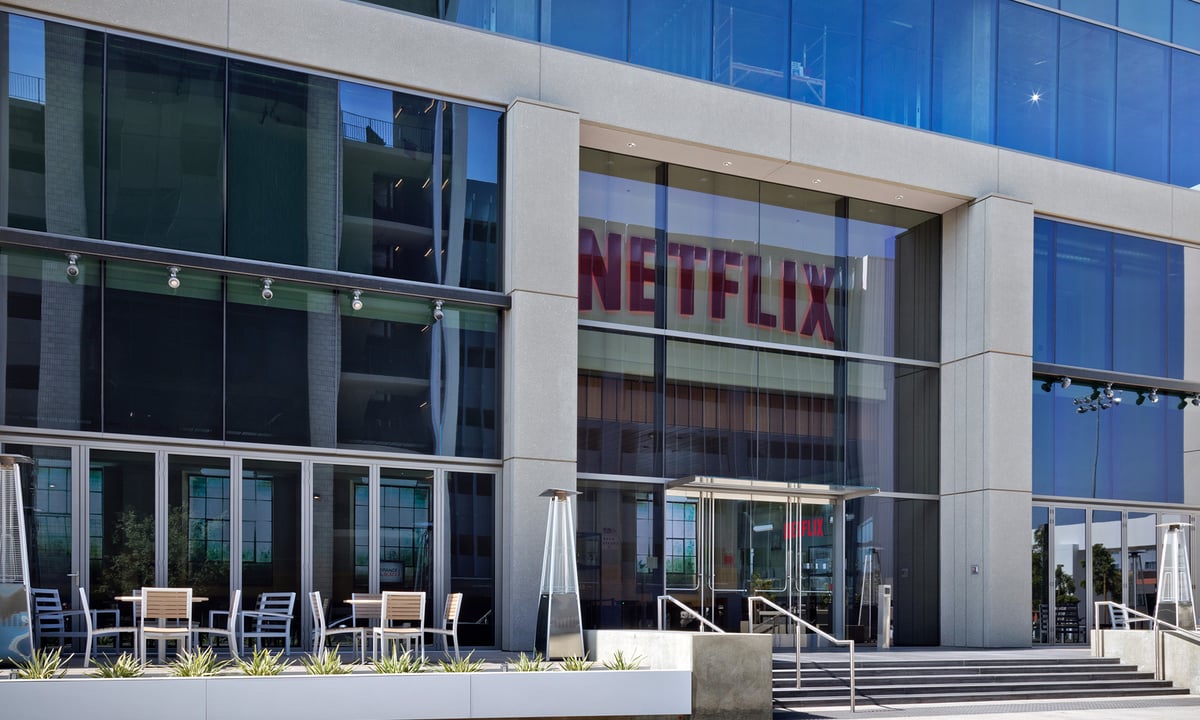
Netflix Raises Subscription Prices Again, Testing User Loyalty

- Price Increase Impact: Netflix has raised its U.S. subscription prices, with the standard and premium tiers increasing by $2 and the ad-supported tier by $1, reflecting a significant 28.6% rise for the ad-supported tier and 29.1% for the standard tier since October 2023, indicating a bold strategy to boost revenue while risking user attrition.
- User Attrition Risk: By increasing prices on lower-cost subscription tiers, Netflix risks driving users out of its ecosystem entirely, especially in a competitive streaming market where price sensitivity is high, potentially impacting the company's long-term growth prospects if users switch to more affordable alternatives.
- Confidence in Content Expansion: Netflix's strategy to enhance its value proposition through expanded content offerings, including sports, demonstrates its confidence in maintaining user loyalty despite inflationary pressures, which is crucial in the current economic climate where consumer spending is strained.
- Investment Appeal: Despite the challenges posed by price increases, Netflix's business model, which relies on high-margin recurring revenue and predictable cash flows, continues to attract investors, positioning the company as a relatively stable investment option amid economic uncertainty, reinforcing its status as a foundational holding in diversified portfolios.
Big Tech Plans $700 Billion Investment to Advance AI Development

- Massive Investment: Major tech companies like Google, Microsoft, Meta, and Amazon have announced plans to invest over $700 billion in 2026 to advance their AI strategies, with the majority allocated to semiconductors, which is expected to significantly enhance the competitive positioning of related firms.
- Memory Chip Bottleneck: The ongoing shortage of memory chips, including high-bandwidth memory (HBM), DRAM, and NAND, has driven prices up, with Arista Networks' management highlighting supply constraints on DDR4 memory during their earnings call, indicating a persistent headwind for profitability.
- Technological Breakthrough: Google's TurboQuant algorithm, which can reduce memory usage by at least 6x and achieve up to 8x speedup, is expected to alleviate the demand for memory chips, potentially improving Arista's cost structure and enhancing its market outlook.
- Strong Financial Performance: Arista reported record quarterly revenue of $2.49 billion in Q4, a 29% year-over-year increase, and raised its 2026 revenue outlook to $11.25 billion, demonstrating resilience amid challenges and attracting investor interest due to its growth potential.
Investment and Growth of AI Chip Titans


- Surging Capital Expenditures: Total capital expenditures among top AI companies are projected to reach $700 billion in 2023, driving a chip supercycle that has significantly boosted Nvidia's growth and solidified its market leadership in AI GPU chips.
- Nvidia's Market Advantage: With a massive existing installation base and its proprietary CUDA parallel computing platform, Nvidia is poised to achieve over $1 trillion in sales from Blackwell and Vera Rubin by 2027, highlighting its substantial potential in AI inference applications.
- Broadcom's ASIC Strategy: By partnering with six major AI companies to design custom accelerator chips, Broadcom anticipates its AI chip sales will surge significantly over $100 billion in fiscal year 2027, underscoring its critical position in the rapidly expanding AI market.
- Investment Return Comparison: While Nvidia's focus on AI data center chips offers greater growth potential, Broadcom's diversified revenue streams and consistent dividend growth (increased for 14 consecutive years) make it more appealing for risk-averse investors seeking wealth-building opportunities.

Netflix Aims to Expand NFL Streaming Rights
- NFL Streaming Rights Expansion: Netflix is seeking to double its NFL streaming package from two to four games annually, targeting the Thanksgiving Eve matchup and an international season opener to bolster its advertising revenue and subscriber retention.
- Intensifying Competition: Currently in the final year of a $75 million-per-game Christmas Day deal, Netflix faces stiff competition from Google’s YouTube and Amazon for the available broadcasting rights, highlighting the competitive landscape.
- Media Contract Renegotiation: This move aligns with the NFL's efforts to renegotiate media contracts following the Paramount/Skydance merger, indicating Netflix's strategic shift in content acquisition.
- Market Performance Rating: Citizens initiated coverage of Netflix with a Market Perform rating and no price target, citing shifting consumer preferences and a lack of near-term catalysts, suggesting a cautious approach for investors.
Wells Fargo Lowers Alphabet Price Target to $361
- Price Target Adjustment: Wells Fargo has lowered Alphabet's price target from $397 to $361 while maintaining an ‘Overweight’ rating, indicating that despite the reduction, financial trends are improving, showcasing the company's strong fundamentals.
- Improved Cash Flow Outlook: The first quarter of 2026 is anticipated to mark a turning point for Alphabet's free cash flow expectations, with stabilizing capital expenditures and improved operating performance driving projections higher, suggesting resilience in earnings amid market uncertainties.
- Cloud Business Driving Growth: Wells Fargo highlighted that a significant portion of projected gains is linked to the Google Cloud Platform, which reported $17.7 billion in revenue for Q4, reflecting a 48% year-over-year increase driven by strong demand for AI infrastructure.
- Capital Expenditure Plans: Alphabet plans to allocate between $175 billion and $185 billion for capital expenditures in 2026, significantly exceeding the $91 billion spent in 2025, demonstrating the company's strong confidence in future growth prospects.
Stagflation Fears Rise: Investment Strategies for Resilience
- Surge in Stagflation Searches: Google Trends indicates a 650% increase in searches for 'stagflation 2026' over the past three months, highlighting growing market concerns about economic stagnation and high inflation, prompting investors to reassess potential recession risks.
- Deteriorating Job Data: The U.S. lost 92,000 jobs in February, significantly worse than expected, leading to a 40% probability assessment for a U.S. recession, which could negatively impact consumer spending and corporate earnings.
- Energy Stocks Benefit: In a stagflation scenario, ExxonMobil (XOM), the largest energy company in the U.S., stands to gain as rising oil and gas prices boost its revenues and share price, making it a preferred safe haven for investors amid economic uncertainty.
- Defensive Stock Strategy: Johnson & Johnson (JNJ) and Walmart (WMT) are viewed as top defensive investments in a stagnating economy with high inflation, with J&J benefiting from stable demand for medical products and Walmart leveraging its position in low-priced consumer goods to maintain steady returns during stagflation.
Netflix Raises Subscription Prices Again, Testing User Loyalty
- Price Increase Impact: Netflix has raised its U.S. subscription prices, with the standard and premium tiers increasing by $2 and the ad-supported tier by $1, reflecting a significant 28.6% rise for the ad-supported tier and 29.1% for the standard tier since October 2023, indicating a bold strategy to boost revenue while risking user attrition.
- User Attrition Risk: By increasing prices on lower-cost subscription tiers, Netflix risks driving users out of its ecosystem entirely, especially in a competitive streaming market where price sensitivity is high, potentially impacting the company's long-term growth prospects if users switch to more affordable alternatives.
- Confidence in Content Expansion: Netflix's strategy to enhance its value proposition through expanded content offerings, including sports, demonstrates its confidence in maintaining user loyalty despite inflationary pressures, which is crucial in the current economic climate where consumer spending is strained.
- Investment Appeal: Despite the challenges posed by price increases, Netflix's business model, which relies on high-margin recurring revenue and predictable cash flows, continues to attract investors, positioning the company as a relatively stable investment option amid economic uncertainty, reinforcing its status as a foundational holding in diversified portfolios.
Big Tech Plans $700 Billion Investment to Advance AI Development
- Massive Investment: Major tech companies like Google, Microsoft, Meta, and Amazon have announced plans to invest over $700 billion in 2026 to advance their AI strategies, with the majority allocated to semiconductors, which is expected to significantly enhance the competitive positioning of related firms.
- Memory Chip Bottleneck: The ongoing shortage of memory chips, including high-bandwidth memory (HBM), DRAM, and NAND, has driven prices up, with Arista Networks' management highlighting supply constraints on DDR4 memory during their earnings call, indicating a persistent headwind for profitability.
- Technological Breakthrough: Google's TurboQuant algorithm, which can reduce memory usage by at least 6x and achieve up to 8x speedup, is expected to alleviate the demand for memory chips, potentially improving Arista's cost structure and enhancing its market outlook.
- Strong Financial Performance: Arista reported record quarterly revenue of $2.49 billion in Q4, a 29% year-over-year increase, and raised its 2026 revenue outlook to $11.25 billion, demonstrating resilience amid challenges and attracting investor interest due to its growth potential.
Investment and Growth of AI Chip Titans
- Surging Capital Expenditures: Total capital expenditures among top AI companies are projected to reach $700 billion in 2023, driving a chip supercycle that has significantly boosted Nvidia's growth and solidified its market leadership in AI GPU chips.
- Nvidia's Market Advantage: With a massive existing installation base and its proprietary CUDA parallel computing platform, Nvidia is poised to achieve over $1 trillion in sales from Blackwell and Vera Rubin by 2027, highlighting its substantial potential in AI inference applications.
- Broadcom's ASIC Strategy: By partnering with six major AI companies to design custom accelerator chips, Broadcom anticipates its AI chip sales will surge significantly over $100 billion in fiscal year 2027, underscoring its critical position in the rapidly expanding AI market.
- Investment Return Comparison: While Nvidia's focus on AI data center chips offers greater growth potential, Broadcom's diversified revenue streams and consistent dividend growth (increased for 14 consecutive years) make it more appealing for risk-averse investors seeking wealth-building opportunities.
Netflix Aims to Expand NFL Streaming Rights
- NFL Streaming Rights Expansion: Netflix is seeking to double its NFL streaming package from two to four games annually, targeting the Thanksgiving Eve matchup and an international season opener to bolster its advertising revenue and subscriber retention.
- Intensifying Competition: Currently in the final year of a $75 million-per-game Christmas Day deal, Netflix faces stiff competition from Google’s YouTube and Amazon for the available broadcasting rights, highlighting the competitive landscape.
- Media Contract Renegotiation: This move aligns with the NFL's efforts to renegotiate media contracts following the Paramount/Skydance merger, indicating Netflix's strategic shift in content acquisition.
- Market Performance Rating: Citizens initiated coverage of Netflix with a Market Perform rating and no price target, citing shifting consumer preferences and a lack of near-term catalysts, suggesting a cautious approach for investors.