3 Factors Driving the Increase in Exxon and Other Oil Stocks Amid Ongoing Iran Conflict

- Market Reaction: Exxon Mobil and other oil-and-gas company stocks experienced gains on Monday.
- Geopolitical Influence: The rise in stock prices is attributed to escalating tensions in the Middle East.
- Investor Sentiment: Investors are positioning themselves for potential extended supply disruptions.
- Sector Performance: The oil-and-gas sector is reacting positively to the current geopolitical climate.
Trade with 70% Backtested Accuracy
Analyst Views on CVX

About CVX
About the author


CHEVRON: Q2 Downtime and Turnarounds, Including Effects of Cyclone Narelle in Australia and MEAST Conflict, Anticipated to Range from 100,000 to 150,000 BOEPD

Chevron's Q2 Performance: Chevron reported a turnaround in its Q2 performance, indicating a recovery in its operations and financial results.
Impact of Cyclone Narelle: The company faced challenges due to Cyclone Narelle, which affected its operations in Australia, particularly in the eastern conflict region.
Expected Workforce Reduction: Chevron anticipates a workforce reduction, estimating that between 100 to 150 employees may be impacted by the ongoing changes.
Broader Industry Implications: The developments at Chevron reflect broader trends in the energy sector, where companies are adjusting to environmental challenges and operational disruptions.

CHEVRON ANNOUNCES FIRST QUARTER 2026 FINANCIAL RESULTS
Financial Performance: Chevron reported its first-quarter 2026 results, showcasing significant financial metrics and performance indicators.
Revenue and Earnings: The company highlighted its revenue and earnings figures, reflecting the impact of market conditions and operational efficiency.
Operational Highlights: Chevron provided insights into its operational achievements and strategic initiatives during the quarter.
Future Outlook: The report included projections and expectations for future performance, considering ongoing market trends and company strategies.

Berkshire Hathaway Reports 61% of Total Fair Value of Equity Investments Concentrated in American Express, Apple, Bank of America, Chevron, and Coca-Cola as of March 31

Investment Concentration: Berkshire Hathaway's equity investments are heavily concentrated, with 61% of their aggregate fair value in just a few companies.
Key Holdings: The major companies in which Berkshire Hathaway has invested include American Express, Apple, Bank of America, Chevron, and Coca-Cola as of March 31.
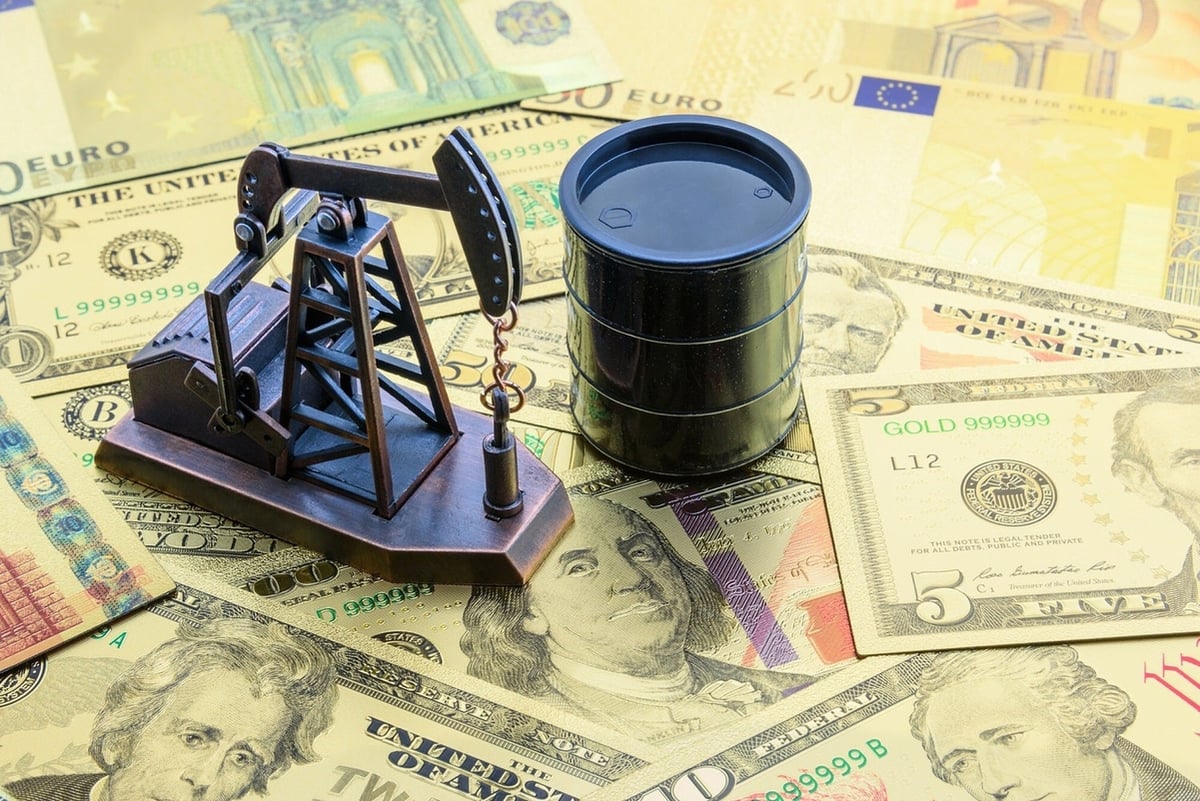
Strait of Hormuz Closure Drives Oil Prices to New Heights

- Oil Price Surge Warning: The closure of the Strait of Hormuz has driven crude prices to nearly $120 per barrel, with JPMorgan warning that prices could reach $130 in the near term and potentially exceed $150, significantly impacting the global economy.
- Supply Shock Analysis: The closure has led to a 57% drop in oil production in the Persian Gulf, with the global economy pulling a record 11 to 12 million barrels per day from storage, a practice that cannot be sustained indefinitely, indicating that oil prices will need to rise to curb demand.
- Beneficiaries of Price Increase: Low-cost producers like Chevron and ConocoPhillips stand to gain the most from rising prices, with Chevron's upstream breakeven point at just $30 per barrel, and expected to generate substantial free cash flow if prices exceed $150 per barrel.
- Capital Project Expansion: Chevron's completion of major capital projects and its acquisition of Hess position it to generate $12.5 billion in free cash flow at $70 oil, which will further strengthen its financial position and accelerate its share repurchase program if prices rise significantly.

Oil Prices Could Surpass $150 Amid Supply Disruption
- Price Surge Warning: JPMorgan warns that oil prices could spike to $150 if the Strait of Hormuz remains closed through mid-May, with current prices nearing $120, marking the highest level since 2022, indicating the global economy's acute sensitivity to supply disruptions.
- Supply Chain Impact: The closure of the Strait has led to a 57% drop in oil production in the Persian Gulf, with the global economy currently drawing down emergency stockpiles at a rate of 11 to 12 million barrels per day, which cannot be sustained indefinitely, forcing prices to rise to curb demand.
- Beneficiaries of Price Increase: Low-cost producers like Chevron will be the biggest beneficiaries of rising prices, with Chevron's upstream breakeven point around $30, expected to generate substantial free cash flow if prices exceed $150, thereby strengthening its financial position.
- Capital Project Expansion: ConocoPhillips has a breakeven point in the mid-$40s and is projected to generate nearly $20 billion in operating cash flow at $60 oil, more than sufficient to cover its $12 billion capital program and $4 billion dividend, with higher prices allowing for a $500 million increase in capital spending and a ramp-up in share repurchases.
Energy ETF Surges 32.07% Driven by Iran War
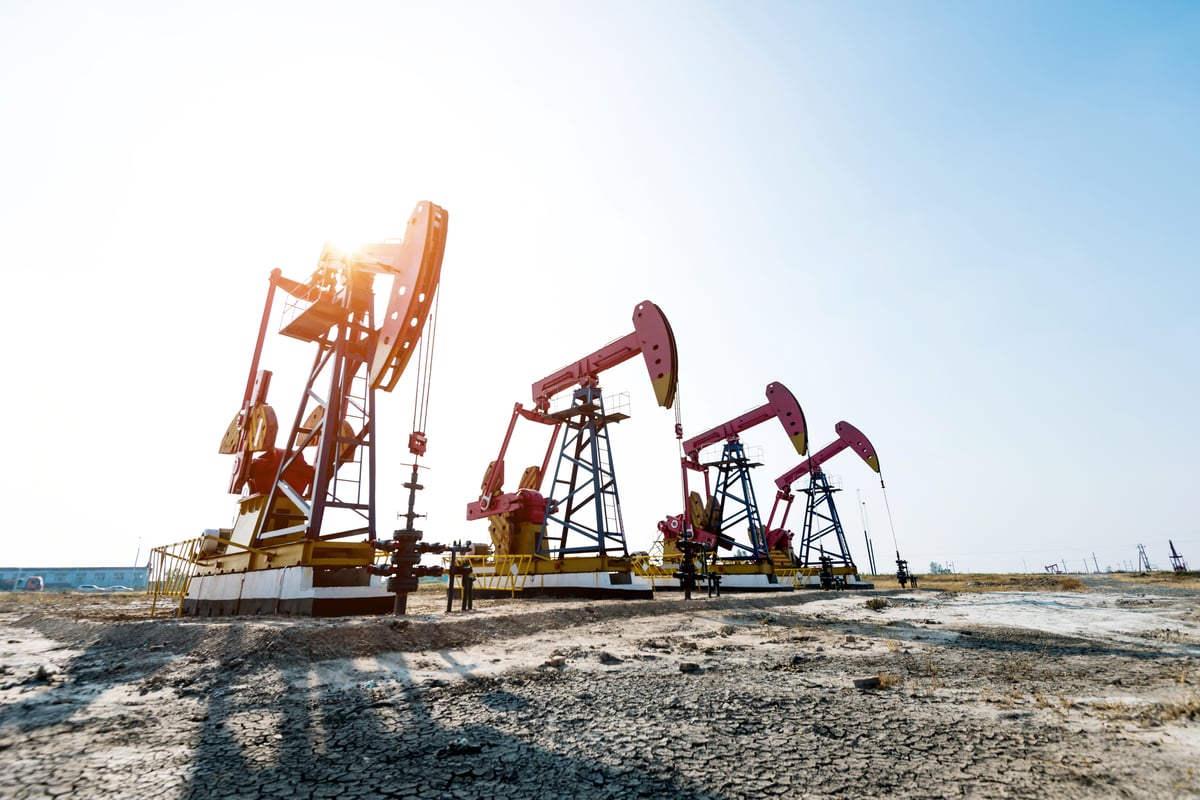
- ETF Performance: The Energy Select Sector SPDR ETF has surged 32.07% due to the war in Iran, making it the best-performing among the 10 Sector SPDR ETFs, showcasing its resilience amid geopolitical events and attracting significant investor interest.
- Key Holdings Gains: ExxonMobil and Chevron, which together account for over 39% of the ETF, have risen 28.49% and 26.3% year-to-date, respectively, enhancing the ETF's overall performance and reflecting the market dominance of these large oil companies.
- Comparison with Other ETFs: The Fidelity MSCI Energy Index ETF boasts 101 holdings compared to the SPDR ETF's 22, and while their short-term performances are similar, the Fidelity ETF's inclusion of more smaller stocks has yielded a 43.9% return over three years, outperforming the SPDR ETF by over 400 basis points.
- Production Growth Potential: The SPDR Oil & Gas Exploration & Production ETF has increased by 40.73% year-to-date, with expectations that the war in Iran will catalyze increased oil and gas output in the U.S., further enhancing the ETF's investment appeal, especially if crude prices remain elevated.
CHEVRON: Q2 Downtime and Turnarounds, Including Effects of Cyclone Narelle in Australia and MEAST Conflict, Anticipated to Range from 100,000 to 150,000 BOEPD
Chevron's Q2 Performance: Chevron reported a turnaround in its Q2 performance, indicating a recovery in its operations and financial results.
Impact of Cyclone Narelle: The company faced challenges due to Cyclone Narelle, which affected its operations in Australia, particularly in the eastern conflict region.
Expected Workforce Reduction: Chevron anticipates a workforce reduction, estimating that between 100 to 150 employees may be impacted by the ongoing changes.
Broader Industry Implications: The developments at Chevron reflect broader trends in the energy sector, where companies are adjusting to environmental challenges and operational disruptions.
CHEVRON ANNOUNCES FIRST QUARTER 2026 FINANCIAL RESULTS
Financial Performance: Chevron reported its first-quarter 2026 results, showcasing significant financial metrics and performance indicators.
Revenue and Earnings: The company highlighted its revenue and earnings figures, reflecting the impact of market conditions and operational efficiency.
Operational Highlights: Chevron provided insights into its operational achievements and strategic initiatives during the quarter.
Future Outlook: The report included projections and expectations for future performance, considering ongoing market trends and company strategies.
Berkshire Hathaway Reports 61% of Total Fair Value of Equity Investments Concentrated in American Express, Apple, Bank of America, Chevron, and Coca-Cola as of March 31
Investment Concentration: Berkshire Hathaway's equity investments are heavily concentrated, with 61% of their aggregate fair value in just a few companies.
Key Holdings: The major companies in which Berkshire Hathaway has invested include American Express, Apple, Bank of America, Chevron, and Coca-Cola as of March 31.
Strait of Hormuz Closure Drives Oil Prices to New Heights
- Oil Price Surge Warning: The closure of the Strait of Hormuz has driven crude prices to nearly $120 per barrel, with JPMorgan warning that prices could reach $130 in the near term and potentially exceed $150, significantly impacting the global economy.
- Supply Shock Analysis: The closure has led to a 57% drop in oil production in the Persian Gulf, with the global economy pulling a record 11 to 12 million barrels per day from storage, a practice that cannot be sustained indefinitely, indicating that oil prices will need to rise to curb demand.
- Beneficiaries of Price Increase: Low-cost producers like Chevron and ConocoPhillips stand to gain the most from rising prices, with Chevron's upstream breakeven point at just $30 per barrel, and expected to generate substantial free cash flow if prices exceed $150 per barrel.
- Capital Project Expansion: Chevron's completion of major capital projects and its acquisition of Hess position it to generate $12.5 billion in free cash flow at $70 oil, which will further strengthen its financial position and accelerate its share repurchase program if prices rise significantly.
Oil Prices Could Surpass $150 Amid Supply Disruption
- Price Surge Warning: JPMorgan warns that oil prices could spike to $150 if the Strait of Hormuz remains closed through mid-May, with current prices nearing $120, marking the highest level since 2022, indicating the global economy's acute sensitivity to supply disruptions.
- Supply Chain Impact: The closure of the Strait has led to a 57% drop in oil production in the Persian Gulf, with the global economy currently drawing down emergency stockpiles at a rate of 11 to 12 million barrels per day, which cannot be sustained indefinitely, forcing prices to rise to curb demand.
- Beneficiaries of Price Increase: Low-cost producers like Chevron will be the biggest beneficiaries of rising prices, with Chevron's upstream breakeven point around $30, expected to generate substantial free cash flow if prices exceed $150, thereby strengthening its financial position.
- Capital Project Expansion: ConocoPhillips has a breakeven point in the mid-$40s and is projected to generate nearly $20 billion in operating cash flow at $60 oil, more than sufficient to cover its $12 billion capital program and $4 billion dividend, with higher prices allowing for a $500 million increase in capital spending and a ramp-up in share repurchases.
Energy ETF Surges 32.07% Driven by Iran War
- ETF Performance: The Energy Select Sector SPDR ETF has surged 32.07% due to the war in Iran, making it the best-performing among the 10 Sector SPDR ETFs, showcasing its resilience amid geopolitical events and attracting significant investor interest.
- Key Holdings Gains: ExxonMobil and Chevron, which together account for over 39% of the ETF, have risen 28.49% and 26.3% year-to-date, respectively, enhancing the ETF's overall performance and reflecting the market dominance of these large oil companies.
- Comparison with Other ETFs: The Fidelity MSCI Energy Index ETF boasts 101 holdings compared to the SPDR ETF's 22, and while their short-term performances are similar, the Fidelity ETF's inclusion of more smaller stocks has yielded a 43.9% return over three years, outperforming the SPDR ETF by over 400 basis points.
- Production Growth Potential: The SPDR Oil & Gas Exploration & Production ETF has increased by 40.73% year-to-date, with expectations that the war in Iran will catalyze increased oil and gas output in the U.S., further enhancing the ETF's investment appeal, especially if crude prices remain elevated.