Valero Energy Reports Strong Q4 Results, Exceeding Expectations

Valero Energy Corporation's stock rose by 3.02% and reached a 52-week high following the release of its Q4 2025 results.
The company's adjusted EPS of $3.82 surpassed Wall Street expectations by $0.55, driven by a robust rebound in refining margins and throughput. Valero's refining margin per barrel increased by over 61% year-over-year to $13.61, while average throughput rose to 3.1 million barrels per day, reflecting strong market demand recovery. Additionally, Valero reported $6 billion in adjusted net cash from operating activities for FY 2025 and raised its quarterly dividend by over 6% to $1.20 per share, enhancing its appeal to investors.
These strong earnings and dividend increase indicate Valero's solid financial health and effective cash flow management, positioning the company favorably in the energy sector.
Trade with 70% Backtested Accuracy
Analyst Views on VLO

About VLO
About the author


Buffett Teams Up with Curry for Charity Lunch Revival


- Surging Oil Prices Impact Markets: The average price of gasoline in the U.S. has surpassed $4 per gallon for the first time since 2022, leading Wall Street to face its worst monthly and quarterly losses since 2022, prompting investors to consider the potential impact of oil prices on the stock market.
- Fed's Stabilizing Signal: Federal Reserve Chair Jerome Powell reassured investors at Harvard University that rising oil prices would not necessitate interest rate hikes, resulting in a significant drop in market expectations for future rate increases, reflecting confidence in economic stability.
- Opendoor Acquires Doma: Opendoor is acquiring parts of Doma to lower real estate transaction costs, particularly as mortgage refinancing applications decline, demonstrating the real estate market's adaptability amid rising rates due to geopolitical tensions.
- Novo Nordisk Launches Long-Term Subscriptions: Novo Nordisk has introduced multi-month subscriptions for Wegovy in an effort to compete with Eli Lilly, offering more cost-effective options that could attract additional users and enhance market share in the GLP-1 segment.
Energy Stock Restructuring and Dividend Dynamics


- Oil Price Surge Impact: Brent crude oil prices have surged 70% this year, surpassing $100 per barrel, driving energy stocks higher and resulting in the Schwab U.S. Dividend Equity ETF (SCHD) gaining over 10% since the beginning of the year, significantly outperforming the S&P 500's decline of over 5%.
- Annual Reconstitution Adjustment: The Schwab U.S. Dividend Equity ETF recently completed its annual reconstitution, deleting 22 stocks and adding 25 new ones, with its energy allocation decreasing from 23.5% to 16.3%, indicating a reassessment of the energy market.
- Comparison of New and Old Holdings: The Schwab ETF exited three energy stocks—Valero, Haliburton, and Ovintiv—due to their slow dividend growth and yields below the fund's average of 3.4%, reflecting a stringent selection for high-yield stocks.
- New Potential Addition: Devon Energy, newly added to the fund, is expected to increase its dividend to $0.315 per share following its merger with Coterra Energy, raising its yield to 2.4% post-merger, thereby providing strong growth potential for the fund's returns.

Schwab U.S. Dividend ETF Reduces Energy Stock Exposure
- Energy Stock Reduction: The Schwab U.S. Dividend ETF has reduced its energy stock allocation from 23.5% to 16.3% post-annual reconstitution, reflecting a cautious stance towards future market volatility while still maintaining significant exposure to the sector.
- New Holdings Added: The fund has added Devon Energy with an initial allocation of 0.8%, which is expected to rise to 2.4% following its merger with Coterra Energy, indicating a preference for high-growth dividend stocks amidst changing market conditions.
- Dividend Growth Potential: Devon Energy plans to increase its quarterly dividend by 31% post-merger, enhancing its attractiveness, particularly against the backdrop of rising oil prices, which is expected to yield substantial returns for investors.
- Key Holdings Performance: Despite reducing energy stock exposure, the fund's top two holdings remain Chevron and ConocoPhillips, with allocations of 4.6% and 4.3%, respectively, both of which demonstrate strong dividend growth potential, likely to continue driving the fund's overall returns.
Trump Considers Ending War in Iran Amid Oil Price Fluctuations

- Oil Price Fluctuations: Oil prices reversed course as traders reacted to Trump's statements about potentially ending U.S. operations against Iran, with WTI futures dropping 0.72% to $102.14 per barrel and Brent crude falling 1% to $111.55, indicating market sensitivity to geopolitical risks.
- Escalating Military Threats: Trump threatened to attack Iran's energy infrastructure if Tehran does not reopen the Strait of Hormuz, which could escalate regional tensions and disrupt global energy supply chains, reflecting the precarious balance of power in the region.
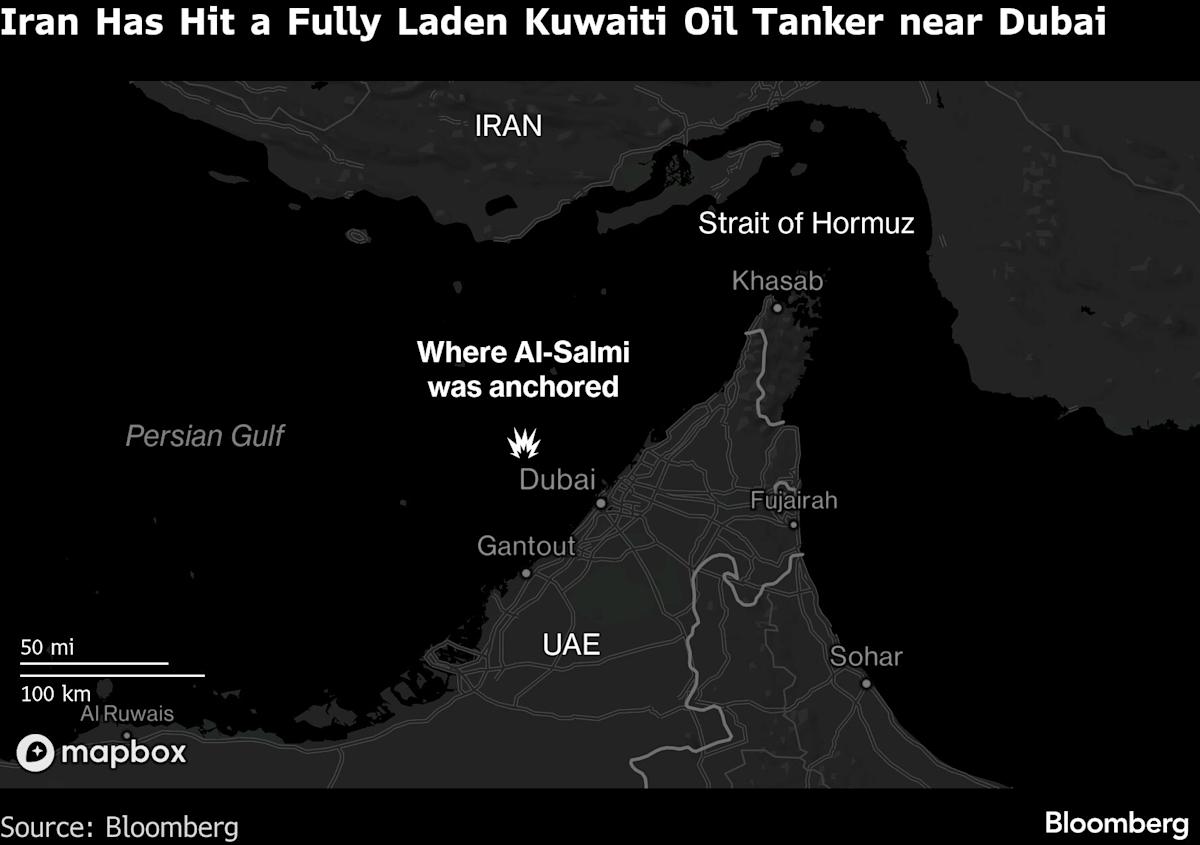
- Ongoing Conflict: The Iran war has entered its fifth week, with Tehran striking a fully laden Kuwaiti oil tanker, prompting firefighting operations in Dubai's port, although no injuries were reported, highlighting the conflict's expanding impact on maritime security.
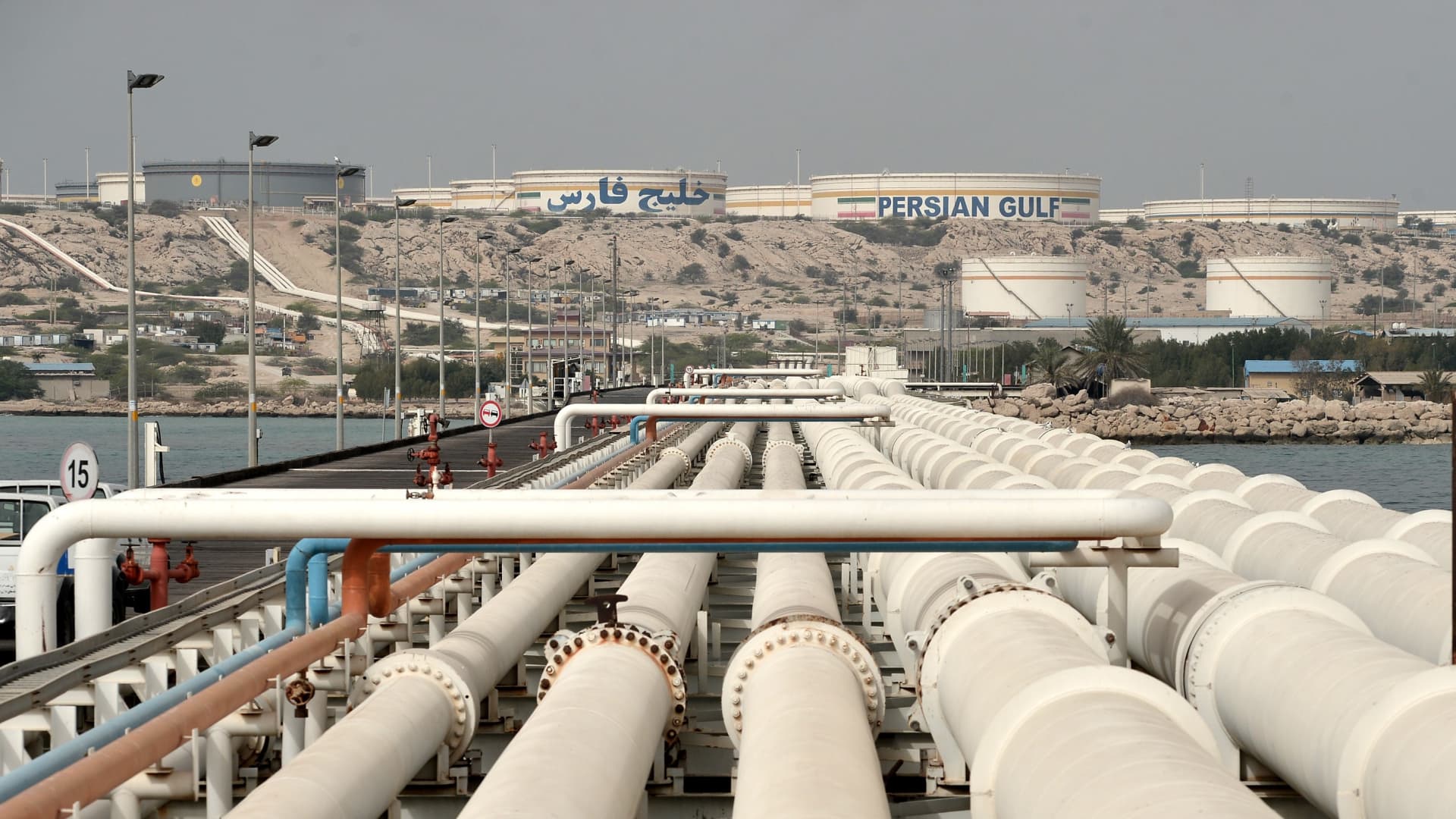
- Ground Troop Considerations: Trump is reportedly weighing the option of deploying ground forces to seize Kharg Island, a critical fuel hub, which could increase U.S. casualties and extend the war's duration and costs, raising concerns among experts about the potential consequences of such actions.

Middle East Conflict Escalates Turmoil in Asia-Pacific Markets

- Escalating Middle East Tensions: As the conflict in the Middle East enters its fifth week, President Trump escalates threats to destroy Iran's electricity and oil facilities if the Strait of Hormuz remains closed, heightening market anxiety and diminishing investor confidence in Asia-Pacific markets.
- Surging Oil Prices: West Texas Intermediate crude prices rose over 3% to settle just below $103 per barrel, while Brent crude futures climbed to $112.78, marking the highest levels since 2022, reflecting concerns over potential supply disruptions.
- Declining Asia-Pacific Markets: Australia's S&P/ASX 200 index fell 0.30% in early trading, with Japan's Nikkei 225 and Hong Kong's Hang Seng index futures also indicating downward trends, suggesting a pessimistic outlook among investors regarding future market performance.
- Divergent U.S. Stock Performance: While the S&P 500 and Nasdaq Composite fell by 0.39% and 0.73% respectively, the Dow Jones Industrial Average managed a slight gain of 0.11%, indicating varied investor reactions across different sectors amidst ongoing uncertainty.
The Iran Conflict May Persist: Current Investment Opportunities for Success.


- Current Market Status: The Nasdaq is currently in a correction, having dropped over 10% from its recent highs.
- Bear Market Concerns: There are increasing fears that the Nasdaq may soon enter a bear market, defined as a decline of 20%.
- Wall Street Perspective: Despite the downturn, there is a common belief on Wall Street that opportunities for profit exist in other sectors.
- Market Sentiment: The overall sentiment reflects anxiety about the tech-heavy index's performance amidst potential further declines.
Buffett Teams Up with Curry for Charity Lunch Revival
- Surging Oil Prices Impact Markets: The average price of gasoline in the U.S. has surpassed $4 per gallon for the first time since 2022, leading Wall Street to face its worst monthly and quarterly losses since 2022, prompting investors to consider the potential impact of oil prices on the stock market.
- Fed's Stabilizing Signal: Federal Reserve Chair Jerome Powell reassured investors at Harvard University that rising oil prices would not necessitate interest rate hikes, resulting in a significant drop in market expectations for future rate increases, reflecting confidence in economic stability.
- Opendoor Acquires Doma: Opendoor is acquiring parts of Doma to lower real estate transaction costs, particularly as mortgage refinancing applications decline, demonstrating the real estate market's adaptability amid rising rates due to geopolitical tensions.
- Novo Nordisk Launches Long-Term Subscriptions: Novo Nordisk has introduced multi-month subscriptions for Wegovy in an effort to compete with Eli Lilly, offering more cost-effective options that could attract additional users and enhance market share in the GLP-1 segment.
Energy Stock Restructuring and Dividend Dynamics
- Oil Price Surge Impact: Brent crude oil prices have surged 70% this year, surpassing $100 per barrel, driving energy stocks higher and resulting in the Schwab U.S. Dividend Equity ETF (SCHD) gaining over 10% since the beginning of the year, significantly outperforming the S&P 500's decline of over 5%.
- Annual Reconstitution Adjustment: The Schwab U.S. Dividend Equity ETF recently completed its annual reconstitution, deleting 22 stocks and adding 25 new ones, with its energy allocation decreasing from 23.5% to 16.3%, indicating a reassessment of the energy market.
- Comparison of New and Old Holdings: The Schwab ETF exited three energy stocks—Valero, Haliburton, and Ovintiv—due to their slow dividend growth and yields below the fund's average of 3.4%, reflecting a stringent selection for high-yield stocks.
- New Potential Addition: Devon Energy, newly added to the fund, is expected to increase its dividend to $0.315 per share following its merger with Coterra Energy, raising its yield to 2.4% post-merger, thereby providing strong growth potential for the fund's returns.
Schwab U.S. Dividend ETF Reduces Energy Stock Exposure
- Energy Stock Reduction: The Schwab U.S. Dividend ETF has reduced its energy stock allocation from 23.5% to 16.3% post-annual reconstitution, reflecting a cautious stance towards future market volatility while still maintaining significant exposure to the sector.
- New Holdings Added: The fund has added Devon Energy with an initial allocation of 0.8%, which is expected to rise to 2.4% following its merger with Coterra Energy, indicating a preference for high-growth dividend stocks amidst changing market conditions.
- Dividend Growth Potential: Devon Energy plans to increase its quarterly dividend by 31% post-merger, enhancing its attractiveness, particularly against the backdrop of rising oil prices, which is expected to yield substantial returns for investors.
- Key Holdings Performance: Despite reducing energy stock exposure, the fund's top two holdings remain Chevron and ConocoPhillips, with allocations of 4.6% and 4.3%, respectively, both of which demonstrate strong dividend growth potential, likely to continue driving the fund's overall returns.
Trump Considers Ending War in Iran Amid Oil Price Fluctuations
- Oil Price Fluctuations: Oil prices reversed course as traders reacted to Trump's statements about potentially ending U.S. operations against Iran, with WTI futures dropping 0.72% to $102.14 per barrel and Brent crude falling 1% to $111.55, indicating market sensitivity to geopolitical risks.
- Escalating Military Threats: Trump threatened to attack Iran's energy infrastructure if Tehran does not reopen the Strait of Hormuz, which could escalate regional tensions and disrupt global energy supply chains, reflecting the precarious balance of power in the region.
- Ongoing Conflict: The Iran war has entered its fifth week, with Tehran striking a fully laden Kuwaiti oil tanker, prompting firefighting operations in Dubai's port, although no injuries were reported, highlighting the conflict's expanding impact on maritime security.
- Ground Troop Considerations: Trump is reportedly weighing the option of deploying ground forces to seize Kharg Island, a critical fuel hub, which could increase U.S. casualties and extend the war's duration and costs, raising concerns among experts about the potential consequences of such actions.
Middle East Conflict Escalates Turmoil in Asia-Pacific Markets
- Escalating Middle East Tensions: As the conflict in the Middle East enters its fifth week, President Trump escalates threats to destroy Iran's electricity and oil facilities if the Strait of Hormuz remains closed, heightening market anxiety and diminishing investor confidence in Asia-Pacific markets.
- Surging Oil Prices: West Texas Intermediate crude prices rose over 3% to settle just below $103 per barrel, while Brent crude futures climbed to $112.78, marking the highest levels since 2022, reflecting concerns over potential supply disruptions.
- Declining Asia-Pacific Markets: Australia's S&P/ASX 200 index fell 0.30% in early trading, with Japan's Nikkei 225 and Hong Kong's Hang Seng index futures also indicating downward trends, suggesting a pessimistic outlook among investors regarding future market performance.
- Divergent U.S. Stock Performance: While the S&P 500 and Nasdaq Composite fell by 0.39% and 0.73% respectively, the Dow Jones Industrial Average managed a slight gain of 0.11%, indicating varied investor reactions across different sectors amidst ongoing uncertainty.
The Iran Conflict May Persist: Current Investment Opportunities for Success.
- Current Market Status: The Nasdaq is currently in a correction, having dropped over 10% from its recent highs.
- Bear Market Concerns: There are increasing fears that the Nasdaq may soon enter a bear market, defined as a decline of 20%.
- Wall Street Perspective: Despite the downturn, there is a common belief on Wall Street that opportunities for profit exist in other sectors.
- Market Sentiment: The overall sentiment reflects anxiety about the tech-heavy index's performance amidst potential further declines.