Rothschild Downgrades American Airlines Amid Rising Fuel Costs
American Airlines Group's stock fell 3.52% and hit a 20-day low amid broader market declines, with the Nasdaq-100 down 0.67% and the S&P 500 down 0.91%.
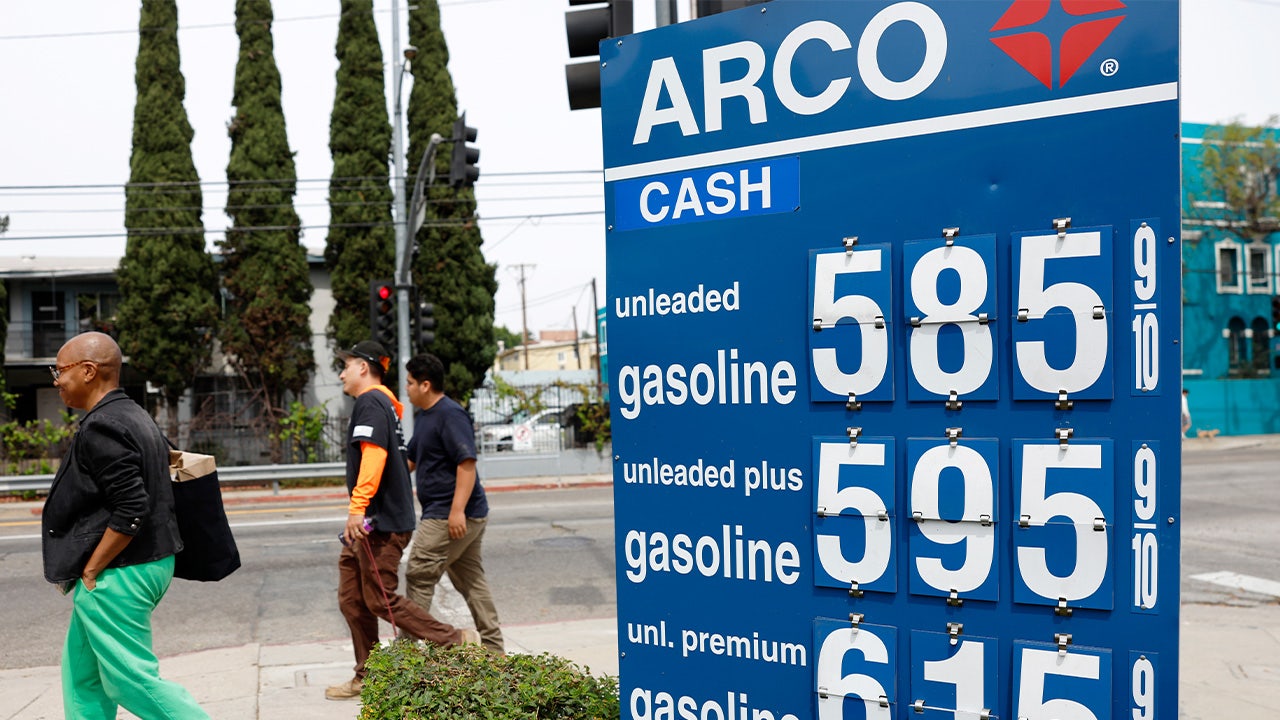
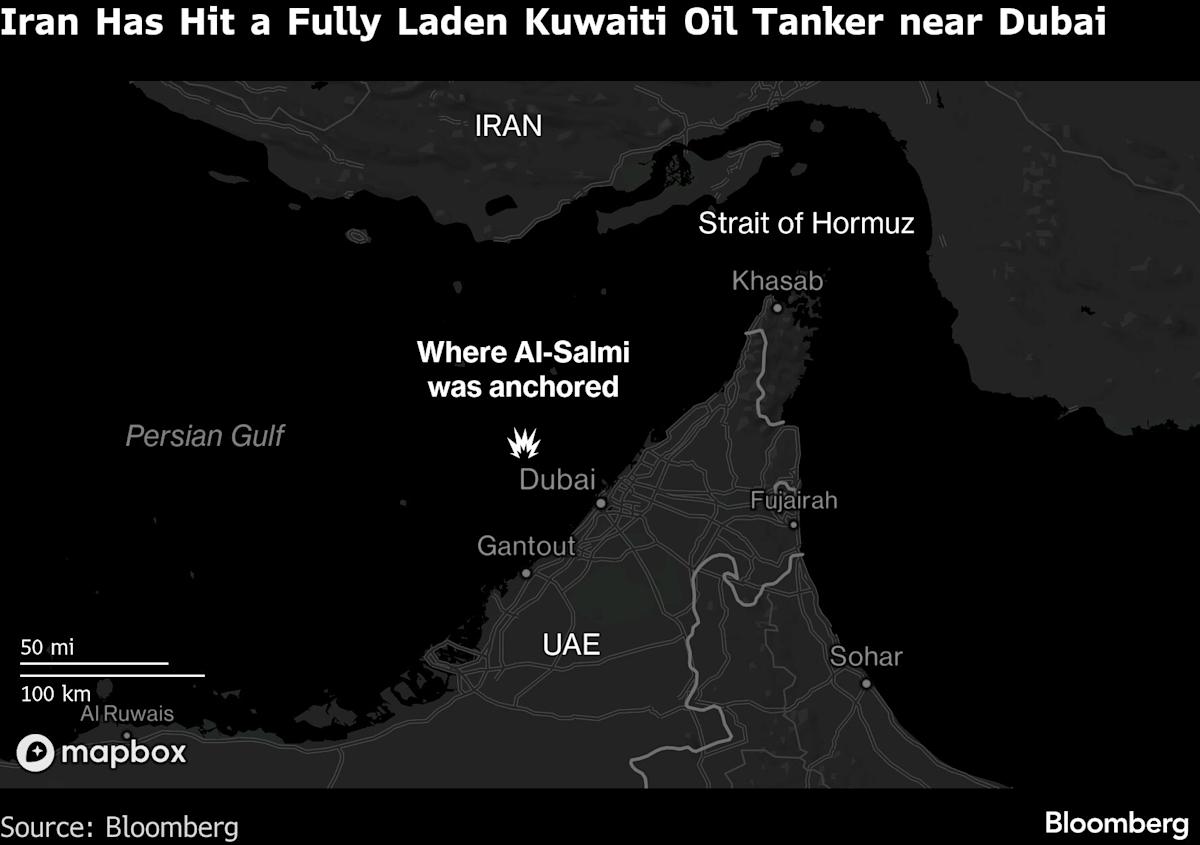
The decline follows Rothschild's downgrade of American Airlines from Buy to Neutral, citing increased sensitivity to rising fuel costs due to the ongoing U.S.-Iran conflict. Analyst James Goodall lowered the price target from $17 to $12.5 per share, predicting that a 10-cent rise in fuel prices could reduce earnings per share by nearly 25%. This pessimistic outlook reflects significant challenges for the airline, which has seen its shares drop 19% this year.
The airline industry faces heightened pressures from fuel costs, and American Airlines' recent performance indicates a need for strategic adjustments. Investors will be closely monitoring the company's response to these challenges and any potential recovery in profitability.
Trade with 70% Backtested Accuracy
Analyst Views on AAL

About AAL
About the author


Buffett Teams Up with Curry for Charity Lunch Revival


- Surging Oil Prices Impact Markets: The average price of gasoline in the U.S. has surpassed $4 per gallon for the first time since 2022, leading Wall Street to face its worst monthly and quarterly losses since 2022, prompting investors to consider the potential impact of oil prices on the stock market.
- Fed's Stabilizing Signal: Federal Reserve Chair Jerome Powell reassured investors at Harvard University that rising oil prices would not necessitate interest rate hikes, resulting in a significant drop in market expectations for future rate increases, reflecting confidence in economic stability.
- Opendoor Acquires Doma: Opendoor is acquiring parts of Doma to lower real estate transaction costs, particularly as mortgage refinancing applications decline, demonstrating the real estate market's adaptability amid rising rates due to geopolitical tensions.
- Novo Nordisk Launches Long-Term Subscriptions: Novo Nordisk has introduced multi-month subscriptions for Wegovy in an effort to compete with Eli Lilly, offering more cost-effective options that could attract additional users and enhance market share in the GLP-1 segment.
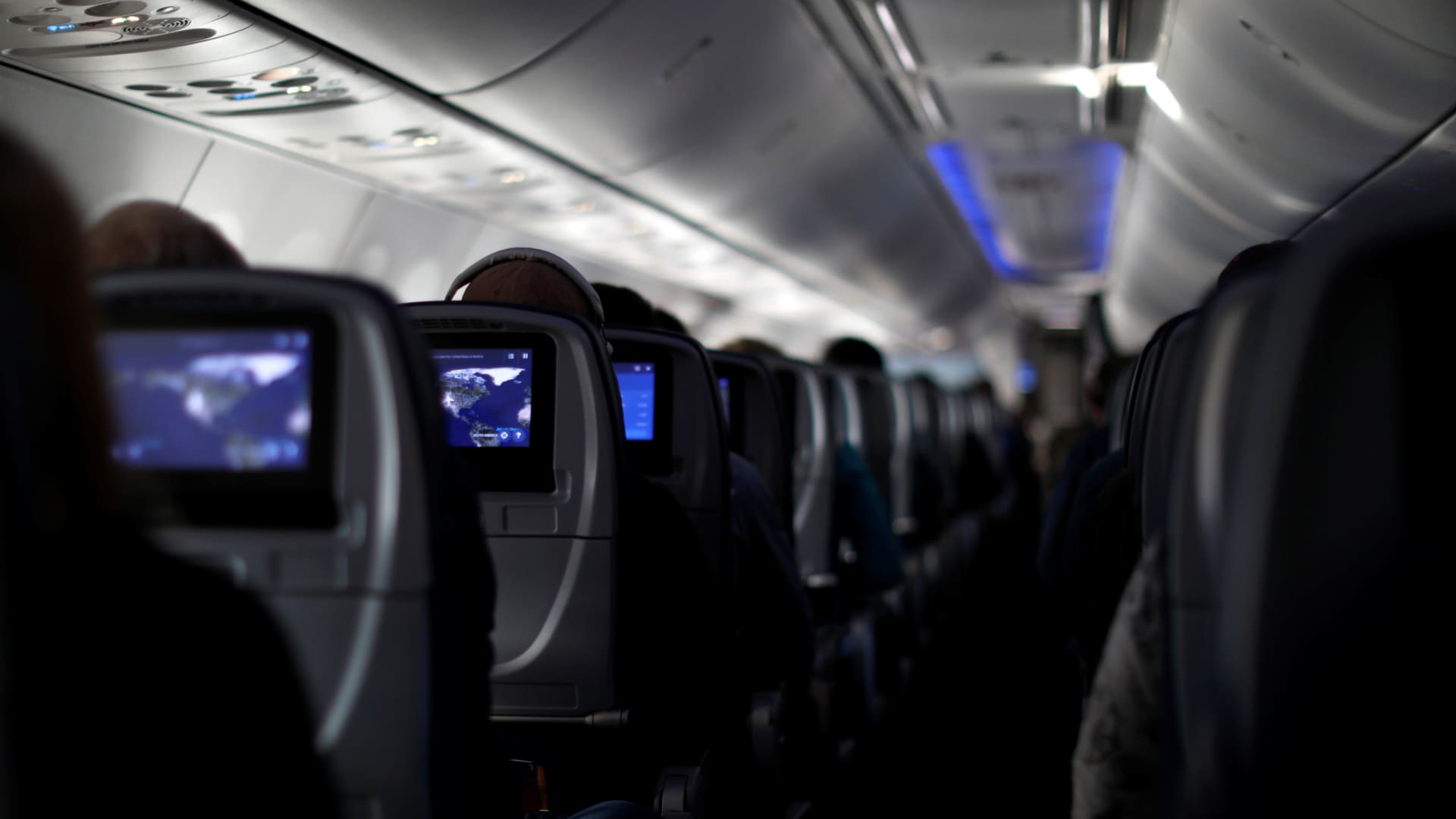
Delta Airlines Partners with Amazon Leo for High-Speed Internet Service


- Partnership Agreement: Delta Airlines has partnered with Amazon Leo to provide satellite Wi-Fi service on 500 aircraft starting in 2028, marking a significant advancement in the airline's in-flight internet and streaming service competition.
- Technology Upgrade: The new service will initially be available on domestic-focused narrow-body planes like the Boeing 737 and Airbus A321, addressing passenger demands for faster speeds and greater bandwidth, thereby enhancing overall passenger experience and satisfaction.
- Commercial Opportunities: Delta plans to create commerce opportunities by updating in-flight entertainment content and offering larger movie libraries, which is expected to attract more loyal customers and generate revenue through personalized advertising.
- Satellite Network Expansion: Amazon Leo currently has about 200 satellites in orbit, aiming to build a constellation of approximately 3,200 low Earth orbit satellites to support high-speed connectivity needs for businesses and consumers, further driving digital transformation in the airline industry.

Delta Airlines Partners with Amazon for In-Flight Wi-Fi Starting 2028
- Agreement Signed: Delta Airlines has signed an agreement with Amazon's low Earth orbit satellite project, Leo, to provide high-speed Wi-Fi on 500 aircraft starting in 2028, marking a significant advancement in the airline's in-flight internet service competition.
- Aircraft Selection: The initial rollout will focus on domestic narrow-body planes, including newly ordered Boeing 737 Max 10s and some older 737s and Airbus A321s, aimed at enhancing passenger internet experience and meeting the rising bandwidth demands.
- Growing Market Demand: Delta's Chief Marketing Officer stated that passengers increasingly demand faster speeds and more bandwidth, prompting airlines to attract loyal customers with free Wi-Fi and leverage this opportunity for personalized advertising and potential shopping.
- Technological Upgrade Opportunities: Delta plans to create unique passenger experiences by updating in-flight entertainment content and enhancing technology, which is expected to generate new business opportunities, particularly leveraging its approximately 165,000 seat-back screens.
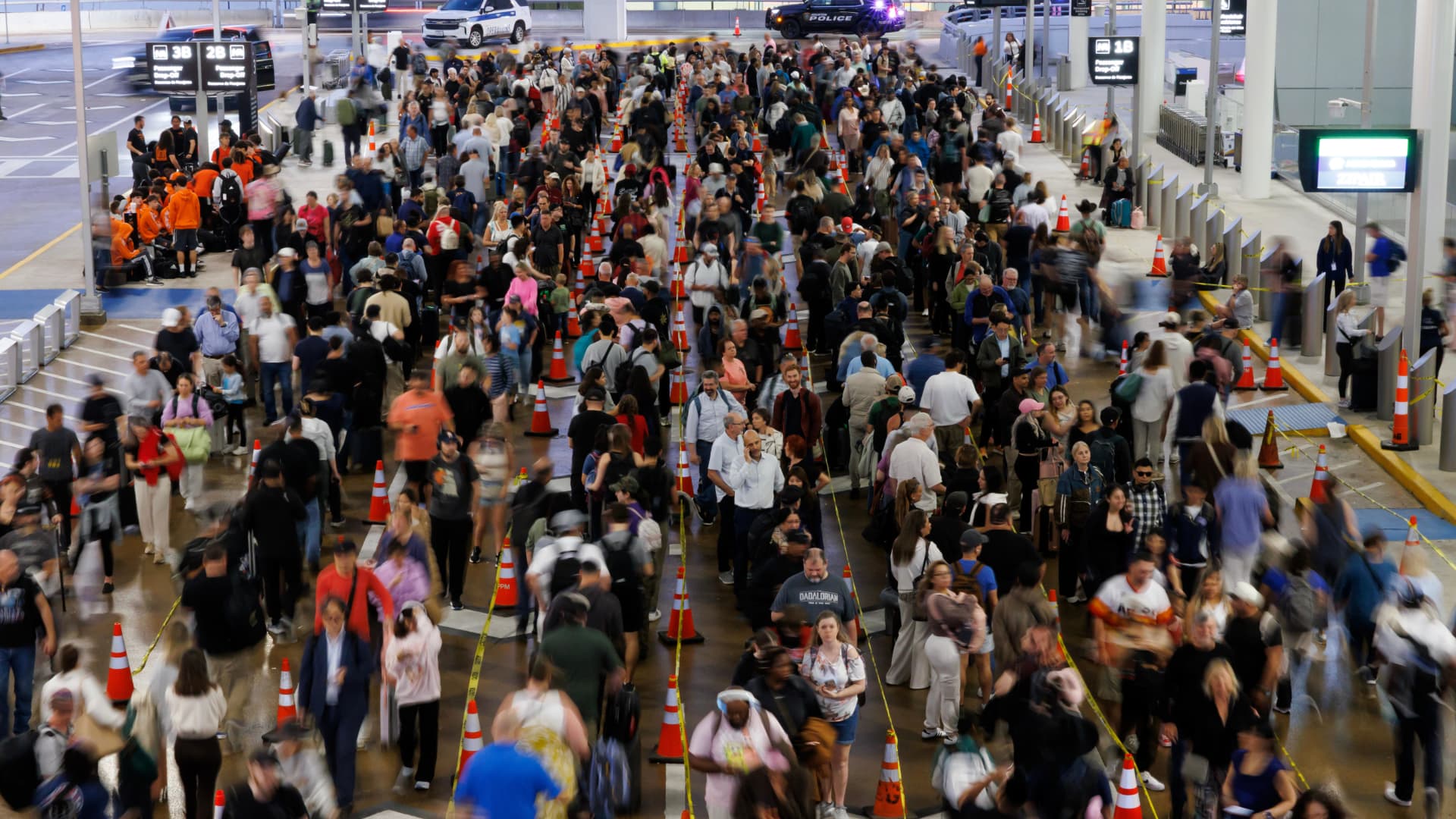
Airlines Face High Fuel Prices and Security Crisis


- Fuel Price Surge Impacts Fares: Fuel prices at major U.S. airports have reached $3.98 per gallon, up nearly 60% since February 28, forcing airlines to raise ticket prices to cover rising costs, with airfare expected to increase by 20% this year.
- Strong Demand Persists: Despite rising fares, airlines like Delta and American Airlines report that demand remains robust, particularly for high-end leisure travel, indicating consumers' willingness to continue flying, which may encourage airlines to maintain flight schedules in the future.
- Security Delays Worsen: An impasse in Congress over funding for the Department of Homeland Security has led to nearly 500 TSA officer resignations, resulting in security wait times exceeding three hours at major U.S. airports, negatively impacting traveler experiences and potentially reducing future travel willingness.
- Government Intervention Measures: President Trump has pledged to sign an order to ensure over 50,000 TSA officers are paid, yet the deployment of ICE officers may cause traveler unease, further affecting passenger throughput in the coming days.
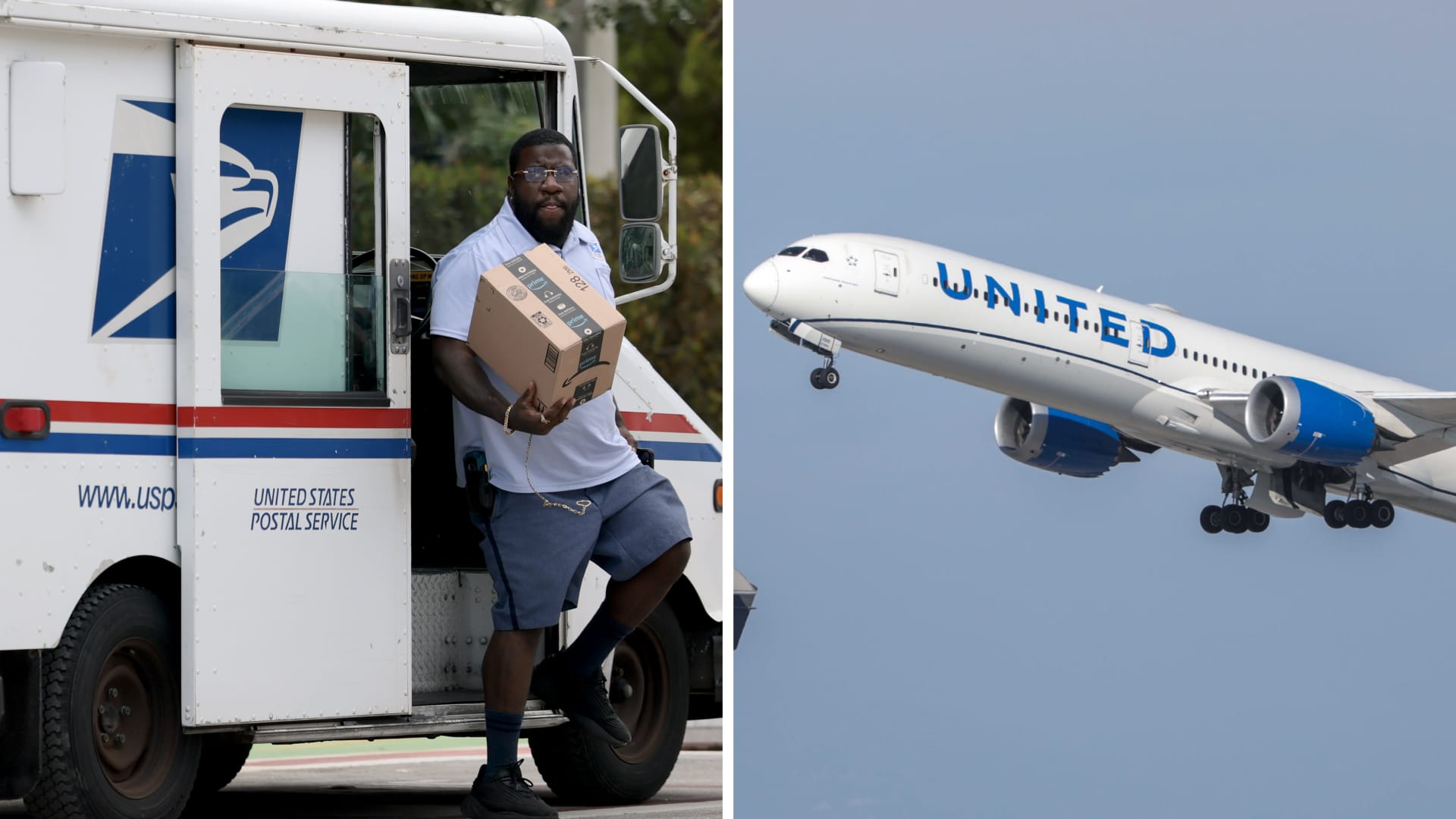
U.S. Consumers Face Economic Impact from Soaring Oil Prices

- Surging Oil Prices: The blockage of the Strait of Hormuz has caused Brent crude oil's May contract to surge over 55% in March, marking the largest monthly gain since 1998, leading to economic pressures on U.S. consumers in areas like travel and mail delivery.
- Postal Service Adjustments: The U.S. Postal Service plans to implement an 8% temporary fuel surcharge on packages and express mail starting in late April, lasting until 2027, to cover rising operational costs, although this measure requires regulatory approval.
- Airline Response: United Airlines intends to cut back on some lower-profit flights and anticipates oil prices reaching $175 per barrel, which could increase its fuel costs by $11 billion, more than double its previous highest profits, resulting in higher ticket prices for travelers.
- Declining Consumer Confidence: According to the University of Michigan's survey, the consumer confidence index fell nearly 6% in March to a historic low, indicating worsening economic expectations due to the war and rising inflation concerns among consumers.
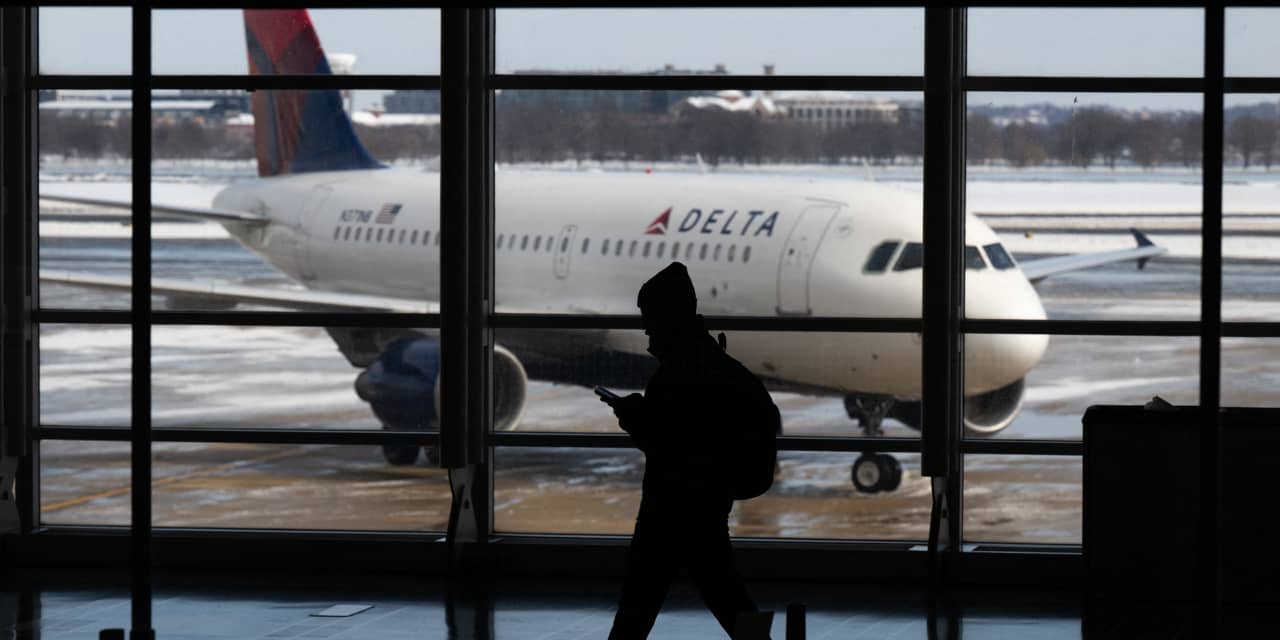
How Delta and United Navigate Challenges in the Airline Industry


- Delta Air Lines Performance: Delta Air Lines shares are down only 3% for the year, outperforming the S&P 500 despite industry challenges.
- Jet Fuel Price Impact: The airline is facing a significant 62% increase in jet fuel prices since February, which typically affects profitability.
- Industry Profit Estimates: There has been a general reduction in profit estimates across the airline industry, yet Delta's stock remains relatively stable.
- Unusual Market Behavior: The current performance of Delta's stock is noted as unusual for the airline industry, which is typically more volatile.
Buffett Teams Up with Curry for Charity Lunch Revival
- Surging Oil Prices Impact Markets: The average price of gasoline in the U.S. has surpassed $4 per gallon for the first time since 2022, leading Wall Street to face its worst monthly and quarterly losses since 2022, prompting investors to consider the potential impact of oil prices on the stock market.
- Fed's Stabilizing Signal: Federal Reserve Chair Jerome Powell reassured investors at Harvard University that rising oil prices would not necessitate interest rate hikes, resulting in a significant drop in market expectations for future rate increases, reflecting confidence in economic stability.
- Opendoor Acquires Doma: Opendoor is acquiring parts of Doma to lower real estate transaction costs, particularly as mortgage refinancing applications decline, demonstrating the real estate market's adaptability amid rising rates due to geopolitical tensions.
- Novo Nordisk Launches Long-Term Subscriptions: Novo Nordisk has introduced multi-month subscriptions for Wegovy in an effort to compete with Eli Lilly, offering more cost-effective options that could attract additional users and enhance market share in the GLP-1 segment.
Delta Airlines Partners with Amazon Leo for High-Speed Internet Service
- Partnership Agreement: Delta Airlines has partnered with Amazon Leo to provide satellite Wi-Fi service on 500 aircraft starting in 2028, marking a significant advancement in the airline's in-flight internet and streaming service competition.
- Technology Upgrade: The new service will initially be available on domestic-focused narrow-body planes like the Boeing 737 and Airbus A321, addressing passenger demands for faster speeds and greater bandwidth, thereby enhancing overall passenger experience and satisfaction.
- Commercial Opportunities: Delta plans to create commerce opportunities by updating in-flight entertainment content and offering larger movie libraries, which is expected to attract more loyal customers and generate revenue through personalized advertising.
- Satellite Network Expansion: Amazon Leo currently has about 200 satellites in orbit, aiming to build a constellation of approximately 3,200 low Earth orbit satellites to support high-speed connectivity needs for businesses and consumers, further driving digital transformation in the airline industry.
Delta Airlines Partners with Amazon for In-Flight Wi-Fi Starting 2028
- Agreement Signed: Delta Airlines has signed an agreement with Amazon's low Earth orbit satellite project, Leo, to provide high-speed Wi-Fi on 500 aircraft starting in 2028, marking a significant advancement in the airline's in-flight internet service competition.
- Aircraft Selection: The initial rollout will focus on domestic narrow-body planes, including newly ordered Boeing 737 Max 10s and some older 737s and Airbus A321s, aimed at enhancing passenger internet experience and meeting the rising bandwidth demands.
- Growing Market Demand: Delta's Chief Marketing Officer stated that passengers increasingly demand faster speeds and more bandwidth, prompting airlines to attract loyal customers with free Wi-Fi and leverage this opportunity for personalized advertising and potential shopping.
- Technological Upgrade Opportunities: Delta plans to create unique passenger experiences by updating in-flight entertainment content and enhancing technology, which is expected to generate new business opportunities, particularly leveraging its approximately 165,000 seat-back screens.
Airlines Face High Fuel Prices and Security Crisis
- Fuel Price Surge Impacts Fares: Fuel prices at major U.S. airports have reached $3.98 per gallon, up nearly 60% since February 28, forcing airlines to raise ticket prices to cover rising costs, with airfare expected to increase by 20% this year.
- Strong Demand Persists: Despite rising fares, airlines like Delta and American Airlines report that demand remains robust, particularly for high-end leisure travel, indicating consumers' willingness to continue flying, which may encourage airlines to maintain flight schedules in the future.
- Security Delays Worsen: An impasse in Congress over funding for the Department of Homeland Security has led to nearly 500 TSA officer resignations, resulting in security wait times exceeding three hours at major U.S. airports, negatively impacting traveler experiences and potentially reducing future travel willingness.
- Government Intervention Measures: President Trump has pledged to sign an order to ensure over 50,000 TSA officers are paid, yet the deployment of ICE officers may cause traveler unease, further affecting passenger throughput in the coming days.
U.S. Consumers Face Economic Impact from Soaring Oil Prices
- Surging Oil Prices: The blockage of the Strait of Hormuz has caused Brent crude oil's May contract to surge over 55% in March, marking the largest monthly gain since 1998, leading to economic pressures on U.S. consumers in areas like travel and mail delivery.
- Postal Service Adjustments: The U.S. Postal Service plans to implement an 8% temporary fuel surcharge on packages and express mail starting in late April, lasting until 2027, to cover rising operational costs, although this measure requires regulatory approval.
- Airline Response: United Airlines intends to cut back on some lower-profit flights and anticipates oil prices reaching $175 per barrel, which could increase its fuel costs by $11 billion, more than double its previous highest profits, resulting in higher ticket prices for travelers.
- Declining Consumer Confidence: According to the University of Michigan's survey, the consumer confidence index fell nearly 6% in March to a historic low, indicating worsening economic expectations due to the war and rising inflation concerns among consumers.
How Delta and United Navigate Challenges in the Airline Industry
- Delta Air Lines Performance: Delta Air Lines shares are down only 3% for the year, outperforming the S&P 500 despite industry challenges.
- Jet Fuel Price Impact: The airline is facing a significant 62% increase in jet fuel prices since February, which typically affects profitability.
- Industry Profit Estimates: There has been a general reduction in profit estimates across the airline industry, yet Delta's stock remains relatively stable.
- Unusual Market Behavior: The current performance of Delta's stock is noted as unusual for the airline industry, which is typically more volatile.