Phillips 66 Set to Announce Q4 Earnings with Positive Outlook

Phillips 66 shares rose 4.03% and reached a 52-week high amid a challenging market environment where the Nasdaq-100 and S&P 500 are down 1.86% and 1.04%, respectively.
The company is set to announce its Q4 earnings on February 4, with consensus EPS estimates at $2.15, indicating a significant recovery from last year's loss. Additionally, Phillips 66 has made notable progress in its refining segment, supported by cost cuts and improved clean-product yields. The CEO highlighted that the company is well-positioned to benefit from rising Venezuelan crude exports, which is expected to enhance profitability. Furthermore, a $2.4 billion capital budget for 2026 has been unveiled, reflecting confidence in future growth.
This positive outlook and strategic planning suggest that Phillips 66 is taking proactive steps to improve its financial performance, even as it faces competition in the market.
Trade with 70% Backtested Accuracy
Analyst Views on PSX

About PSX
About the author

Crude Oil Prices Surge Amid Middle East Tensions


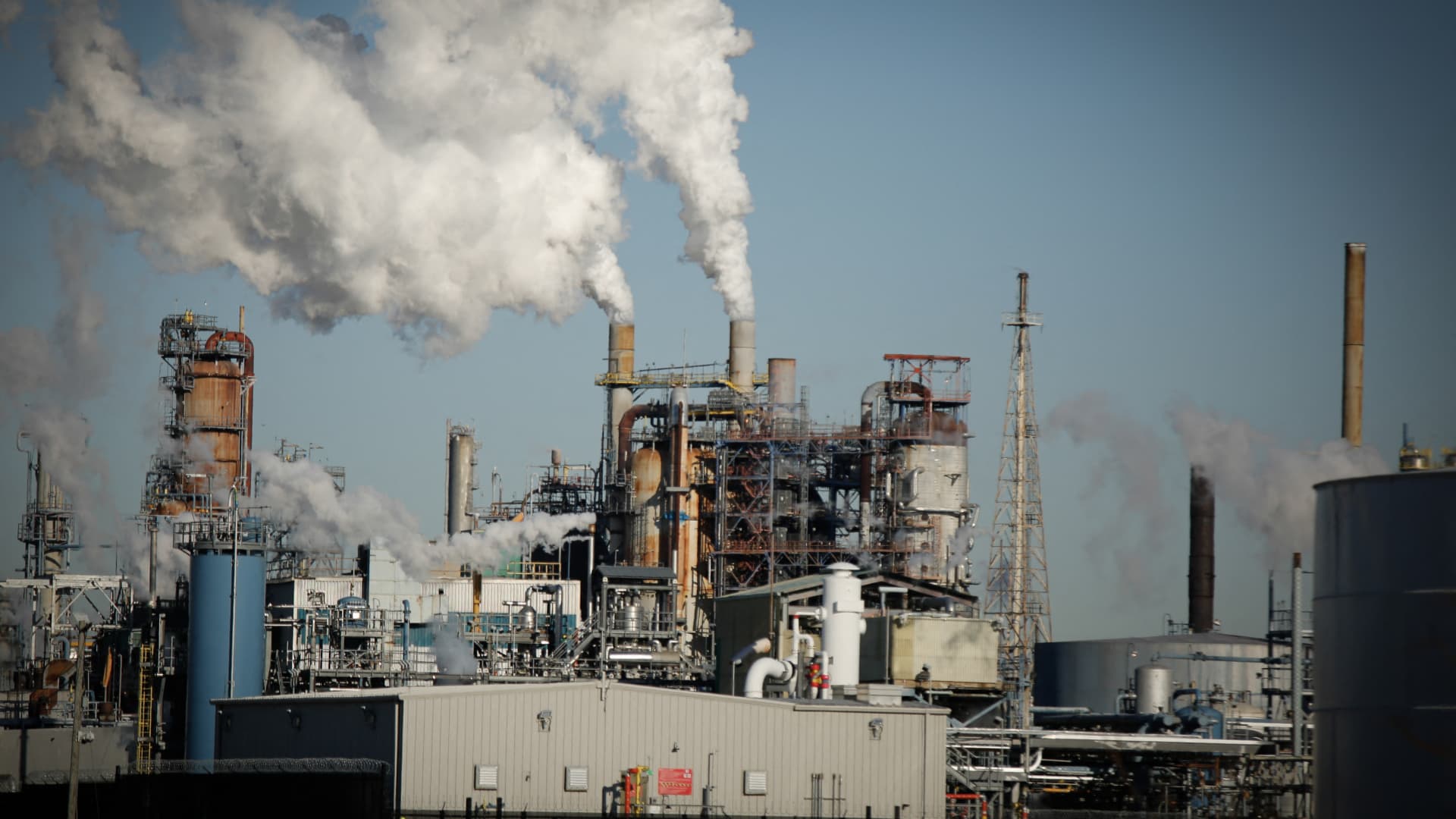
- Oil Price Surge: Brent crude for June delivery rose 1.5% to $105.56 per barrel, with March prices soaring over 60%, marking the largest monthly rally since 1988, indicating market sensitivity to Middle Eastern tensions.
- Strong U.S. Crude Performance: U.S. crude for May also increased by 1.5% to $102.92 per barrel, with a 51% rise in March, representing the best performance since May 2020, reflecting concerns over supply disruptions.
- Escalating Geopolitical Risks: Iranian drones targeted fuel tanks at Kuwait International Airport, causing a massive fire and exacerbating global economic fears over reliance on Middle Eastern oil, especially with shipments through the Strait of Hormuz nearly halted.
- Trump's Withdrawal Statement: Trump indicated that U.S. forces are expected to leave Iran in two to three weeks, dismissing the need for a negotiated deal to end the conflict, which could lead to further oil price volatility and impact global market stability.
Buffett's Final Bold Investment in Chevron


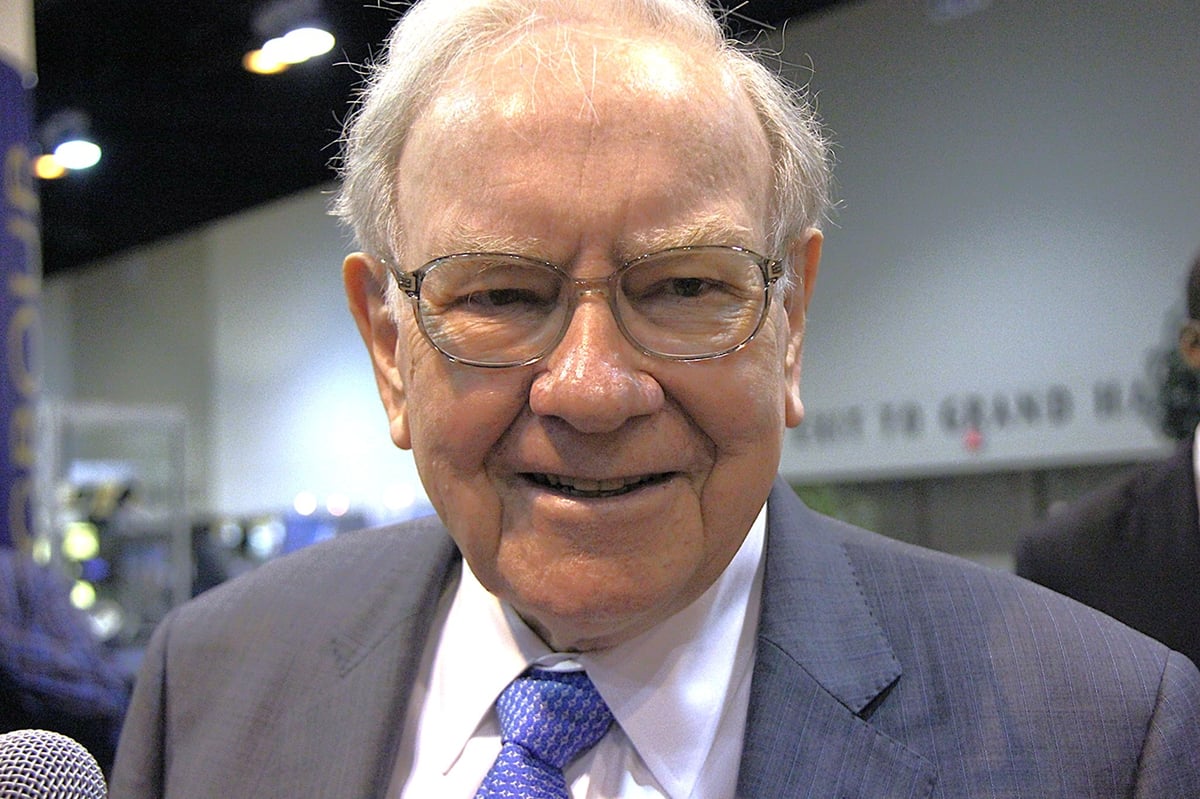
- Major Investment: In his final quarter, Buffett invested over $1 billion to acquire 8 million shares of Chevron (CVX), raising Berkshire Hathaway's total stake to $19.8 billion, demonstrating his ongoing confidence in the oil and gas sector.
- Market Performance: Despite Chevron's stock lagging the S&P 500 by over 10% in 2025, Buffett's average purchase price of about $132 per share reflects his commitment to value investing principles.
- Future Potential: The capture of Venezuelan President Maduro may open new long-term opportunities for Chevron, which is the only U.S. oil major actively drilling in the country, although the situation remains unpredictable.
- Substantial Returns: With global energy prices soaring, Chevron's stock has risen 37% in 2026, resulting in a 58% return on Berkshire's latest investment, marking a final masterstroke by Buffett that is likely to yield dividends in the years to come.

Buffett Boosts Berkshire's Chevron Stake to Nearly $20 Billion
- Chevron Stake Increase: In his final quarter as CEO of Berkshire Hathaway, Buffett added over 8 million shares of Chevron, raising his total investment in the company to $19.8 billion, reflecting his ongoing confidence in the oil and gas sector.
- Timely Investment: Despite Chevron's stock lagging the S&P 500 by more than 10% in 2025, Buffett purchased shares at an average price of about $132, demonstrating his keen eye for value investment opportunities.
- Market Rebound Potential: With global energy prices skyrocketing due to the closure of the Strait of Hormuz, Chevron's stock has risen 37% year-to-date in 2026, allowing Berkshire to realize a 58% return on this investment in less than six months, further solidifying Buffett's investment strategy.
- Venezuelan Opportunities: Buffett's investment may also benefit from the changing situation in Venezuela, as Chevron is the only U.S. oil major actively drilling in the country, potentially positioning the company for long-term opportunities in the region.
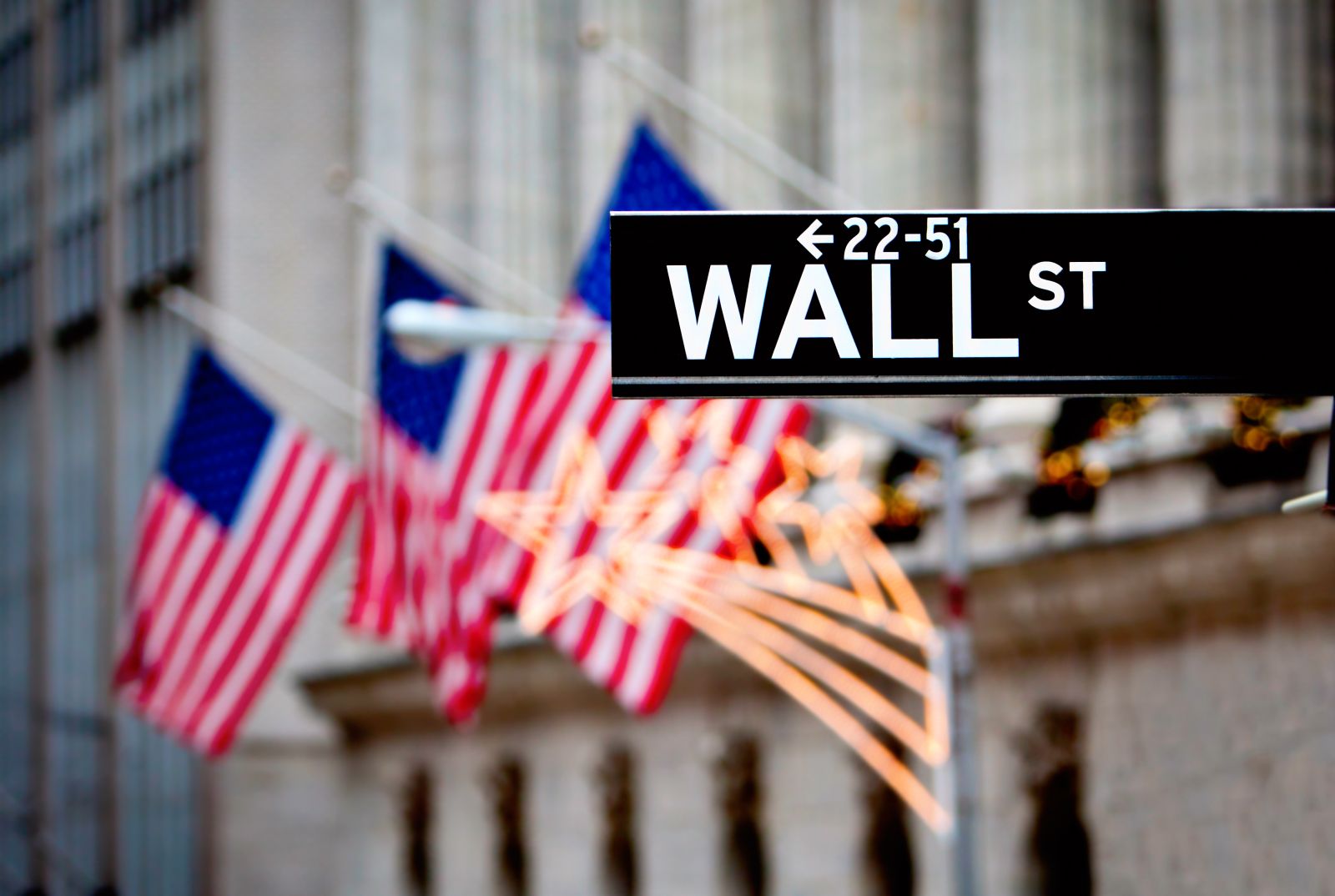
US Stocks Surge on Hopes for End to Iran War

- Market Rally: The S&P 500 index rose by 2.91%, the Dow Jones Industrial Average by 2.49%, and the Nasdaq 100 by 3.43%, reflecting market optimism regarding the potential end of the Iran war, which could lower energy prices and ease inflation concerns.
- Consumer Confidence Boost: The US March consumer confidence index unexpectedly increased by 0.8 to 91.8, surpassing the anticipated decline to 87.9, indicating a strengthening consumer outlook that may drive spending and economic growth.
- Strength in China: China's March manufacturing PMI rose to 50.4, better than the expected 50.1, signaling signs of economic recovery that could positively impact global growth prospects and further support US stock performance.
- Falling Bond Yields: The 10-year Treasury note yield dropped to 4.28%, a one-week low, reflecting reduced inflation worries, which may provide support for the stock market and enhance investor interest in equities.
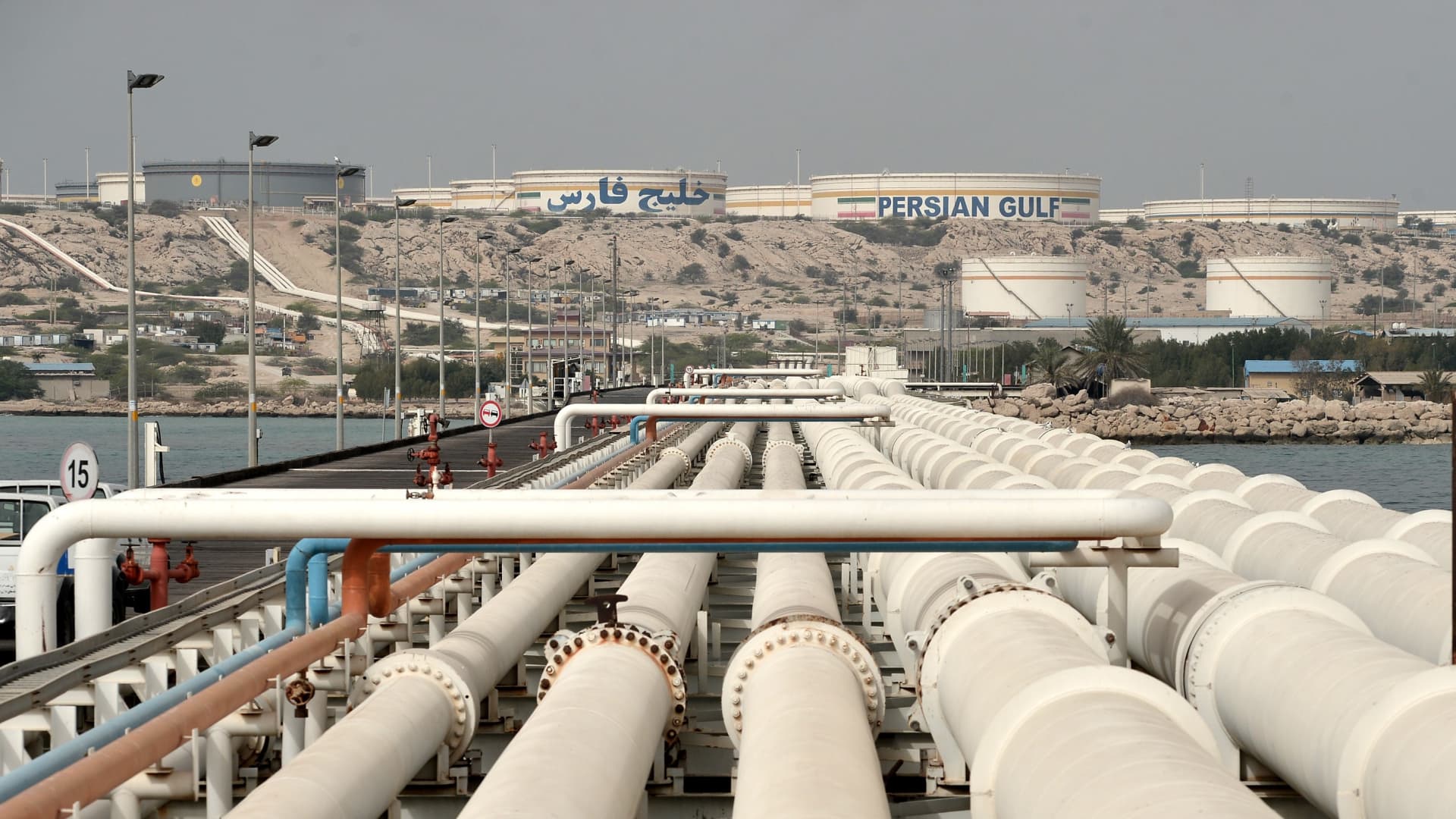
Trump Considers Ending War in Iran Amid Oil Price Fluctuations
- Oil Price Fluctuations: Oil prices reversed course as traders reacted to Trump's statements about potentially ending U.S. operations against Iran, with WTI futures dropping 0.72% to $102.14 per barrel and Brent crude falling 1% to $111.55, indicating market sensitivity to geopolitical risks.
- Escalating Military Threats: Trump threatened to attack Iran's energy infrastructure if Tehran does not reopen the Strait of Hormuz, which could escalate regional tensions and disrupt global energy supply chains, reflecting the precarious balance of power in the region.
- Ongoing Conflict: The Iran war has entered its fifth week, with Tehran striking a fully laden Kuwaiti oil tanker, prompting firefighting operations in Dubai's port, although no injuries were reported, highlighting the conflict's expanding impact on maritime security.
- Ground Troop Considerations: Trump is reportedly weighing the option of deploying ground forces to seize Kharg Island, a critical fuel hub, which could increase U.S. casualties and extend the war's duration and costs, raising concerns among experts about the potential consequences of such actions.
The Iran Conflict May Persist: Current Investment Opportunities for Success.


- Current Market Status: The Nasdaq is currently in a correction, having dropped over 10% from its recent highs.
- Bear Market Concerns: There are increasing fears that the Nasdaq may soon enter a bear market, defined as a decline of 20%.
- Wall Street Perspective: Despite the downturn, there is a common belief on Wall Street that opportunities for profit exist in other sectors.
- Market Sentiment: The overall sentiment reflects anxiety about the tech-heavy index's performance amidst potential further declines.
Crude Oil Prices Surge Amid Middle East Tensions
- Oil Price Surge: Brent crude for June delivery rose 1.5% to $105.56 per barrel, with March prices soaring over 60%, marking the largest monthly rally since 1988, indicating market sensitivity to Middle Eastern tensions.
- Strong U.S. Crude Performance: U.S. crude for May also increased by 1.5% to $102.92 per barrel, with a 51% rise in March, representing the best performance since May 2020, reflecting concerns over supply disruptions.
- Escalating Geopolitical Risks: Iranian drones targeted fuel tanks at Kuwait International Airport, causing a massive fire and exacerbating global economic fears over reliance on Middle Eastern oil, especially with shipments through the Strait of Hormuz nearly halted.
- Trump's Withdrawal Statement: Trump indicated that U.S. forces are expected to leave Iran in two to three weeks, dismissing the need for a negotiated deal to end the conflict, which could lead to further oil price volatility and impact global market stability.
Buffett's Final Bold Investment in Chevron
- Major Investment: In his final quarter, Buffett invested over $1 billion to acquire 8 million shares of Chevron (CVX), raising Berkshire Hathaway's total stake to $19.8 billion, demonstrating his ongoing confidence in the oil and gas sector.
- Market Performance: Despite Chevron's stock lagging the S&P 500 by over 10% in 2025, Buffett's average purchase price of about $132 per share reflects his commitment to value investing principles.
- Future Potential: The capture of Venezuelan President Maduro may open new long-term opportunities for Chevron, which is the only U.S. oil major actively drilling in the country, although the situation remains unpredictable.
- Substantial Returns: With global energy prices soaring, Chevron's stock has risen 37% in 2026, resulting in a 58% return on Berkshire's latest investment, marking a final masterstroke by Buffett that is likely to yield dividends in the years to come.
Buffett Boosts Berkshire's Chevron Stake to Nearly $20 Billion
- Chevron Stake Increase: In his final quarter as CEO of Berkshire Hathaway, Buffett added over 8 million shares of Chevron, raising his total investment in the company to $19.8 billion, reflecting his ongoing confidence in the oil and gas sector.
- Timely Investment: Despite Chevron's stock lagging the S&P 500 by more than 10% in 2025, Buffett purchased shares at an average price of about $132, demonstrating his keen eye for value investment opportunities.
- Market Rebound Potential: With global energy prices skyrocketing due to the closure of the Strait of Hormuz, Chevron's stock has risen 37% year-to-date in 2026, allowing Berkshire to realize a 58% return on this investment in less than six months, further solidifying Buffett's investment strategy.
- Venezuelan Opportunities: Buffett's investment may also benefit from the changing situation in Venezuela, as Chevron is the only U.S. oil major actively drilling in the country, potentially positioning the company for long-term opportunities in the region.
US Stocks Surge on Hopes for End to Iran War
- Market Rally: The S&P 500 index rose by 2.91%, the Dow Jones Industrial Average by 2.49%, and the Nasdaq 100 by 3.43%, reflecting market optimism regarding the potential end of the Iran war, which could lower energy prices and ease inflation concerns.
- Consumer Confidence Boost: The US March consumer confidence index unexpectedly increased by 0.8 to 91.8, surpassing the anticipated decline to 87.9, indicating a strengthening consumer outlook that may drive spending and economic growth.
- Strength in China: China's March manufacturing PMI rose to 50.4, better than the expected 50.1, signaling signs of economic recovery that could positively impact global growth prospects and further support US stock performance.
- Falling Bond Yields: The 10-year Treasury note yield dropped to 4.28%, a one-week low, reflecting reduced inflation worries, which may provide support for the stock market and enhance investor interest in equities.
Trump Considers Ending War in Iran Amid Oil Price Fluctuations
- Oil Price Fluctuations: Oil prices reversed course as traders reacted to Trump's statements about potentially ending U.S. operations against Iran, with WTI futures dropping 0.72% to $102.14 per barrel and Brent crude falling 1% to $111.55, indicating market sensitivity to geopolitical risks.
- Escalating Military Threats: Trump threatened to attack Iran's energy infrastructure if Tehran does not reopen the Strait of Hormuz, which could escalate regional tensions and disrupt global energy supply chains, reflecting the precarious balance of power in the region.
- Ongoing Conflict: The Iran war has entered its fifth week, with Tehran striking a fully laden Kuwaiti oil tanker, prompting firefighting operations in Dubai's port, although no injuries were reported, highlighting the conflict's expanding impact on maritime security.
- Ground Troop Considerations: Trump is reportedly weighing the option of deploying ground forces to seize Kharg Island, a critical fuel hub, which could increase U.S. casualties and extend the war's duration and costs, raising concerns among experts about the potential consequences of such actions.
The Iran Conflict May Persist: Current Investment Opportunities for Success.
- Current Market Status: The Nasdaq is currently in a correction, having dropped over 10% from its recent highs.
- Bear Market Concerns: There are increasing fears that the Nasdaq may soon enter a bear market, defined as a decline of 20%.
- Wall Street Perspective: Despite the downturn, there is a common belief on Wall Street that opportunities for profit exist in other sectors.
- Market Sentiment: The overall sentiment reflects anxiety about the tech-heavy index's performance amidst potential further declines.