Marathon Petroleum Averts Strike with New Labor Agreement
Written by Emily J. Thompson, Senior Investment Analyst
Updated: Feb 02 2026
0mins

Should l Buy MPC?
Source: seekingalpha
Marathon Petroleum Corp (MPC) saw its stock price drop as it crossed below the 5-day SMA, reflecting broader market weakness with the S&P 500 down 1.49%.
The decline comes despite Marathon Petroleum negotiating a new labor agreement with the United Steelworkers Union, averting a nationwide strike that could have affected 30,000 workers across 26 refineries. The four-year deal includes wage increases, ensuring operational continuity and stability for the company amid challenging market conditions.
This agreement is crucial for Marathon as it maintains workforce stability, allowing the company to focus on production and operational efficiency, which could positively influence its market position in the future.
Trade with 70% Backtested Accuracy
Stop guessing "Should I Buy MPC?" and start using high-conviction signals backed by rigorous historical data.
Sign up today to access powerful investing tools and make smarter, data-driven decisions.
Analyst Views on MPC
Wall Street analysts forecast MPC stock price to fall
14 Analyst Rating
9 Buy
5 Hold
0 Sell
Moderate Buy
Current: 238.160

Low
184.00
Averages
201.50
High
213.00
Current: 238.160
Low
184.00
Averages
201.50
High
213.00
About MPC
Marathon Petroleum Corporation is an integrated, downstream energy company. The Company’s segments include Refining & Marketing, Midstream and Renewable Diesel. The Refining & Marketing segment refines crude oil and other feedstocks at its refineries in the Gulf Coast, Mid-Continent and West Coast regions of the United States. It sells refined products to wholesale marketing customers domestically and internationally, to buyers on the spot market, and to independent entrepreneurs who operate primarily Marathon branded outlets. The Midstream segment gathers, transports, stores and distributes crude oil, refined products, including renewable diesel, and other hydrocarbon-based products, principally for the Refining & Marketing segment via refining logistics assets, pipelines, terminals, and others. The Renewable Diesel segment processes renewable feedstocks into renewable diesel, markets renewable diesel and distributes renewable products through its Midstream segment and third parties.
About the author

Emily J. Thompson
Emily J. Thompson, a Chartered Financial Analyst (CFA) with 12 years in investment research, graduated with honors from the Wharton School. Specializing in industrial and technology stocks, she provides in-depth analysis for Intellectia’s earnings and market brief reports.

Trump Claims Iran War Will End Soon Amid Oil Price Surge


- Oil Price Surge: Since the U.S. and Israel launched strikes on Iran on February 28, global benchmark Brent crude oil prices have surged over 60% in March, marking the largest monthly gain since the 1980s, indicating the war's profound impact on the global energy market.
- Demand Destruction Risk: High oil prices could lead to significant declines in fuel demand in the U.S. and emerging markets, with analysts warning that prolonged low Middle Eastern oil exports may push consumers towards electric or more fuel-efficient vehicles, thereby affecting overall market demand.
- Market Reaction: Following Trump's speech claiming the war would end in 2-3 weeks, oil prices spiked, with Brent crude rising over 6.5% to around $107.79 per barrel, reflecting market concerns over future supply.
- Government Interventions: Countries like Germany and Australia have implemented measures to curb rising fuel prices, with Germany limiting daily price hikes at gas stations and Australia launching a national fuel security plan, highlighting governments' focus on potential energy crises.
See More

Asia-Pacific Markets Decline as Oil Prices Surge
- Oil Price Surge Impact: Following Trump's address on the Iran war, oil prices surged, with U.S. crude futures rising 6% to $106.39 and global benchmark Brent increasing 6.7% to $107.97, leading to widespread declines in Asia-Pacific markets.
- Korean Market Plunge: The KOSPI index in South Korea dropped 4.47% to close at 5,234.05, making it the worst-performing market in the region despite opening over 1% higher.
- Japanese Market Reaction: Japan's Nikkei 225 fell 2.38% to 52,463.27 after Trump's speech, indicating the market's sensitivity to geopolitical tensions.
- U.S. Futures Decline: U.S. stock futures fell broadly, with S&P 500 and Nasdaq-100 futures down over 1%, and Dow futures dropping 439 points, reflecting investor anxiety about future market conditions.
See More
Oil Prices Surge Amid Escalating US-Iran Tensions

- Oil Price Surge: Oil prices surged as President Trump warned of further military action against Iran in the next two to three weeks, with West Texas Intermediate crude futures rising 4.1% to $104.21 per barrel and Brent crude futures increasing 5% to $106.42 per barrel, reflecting market sensitivity to geopolitical risks.
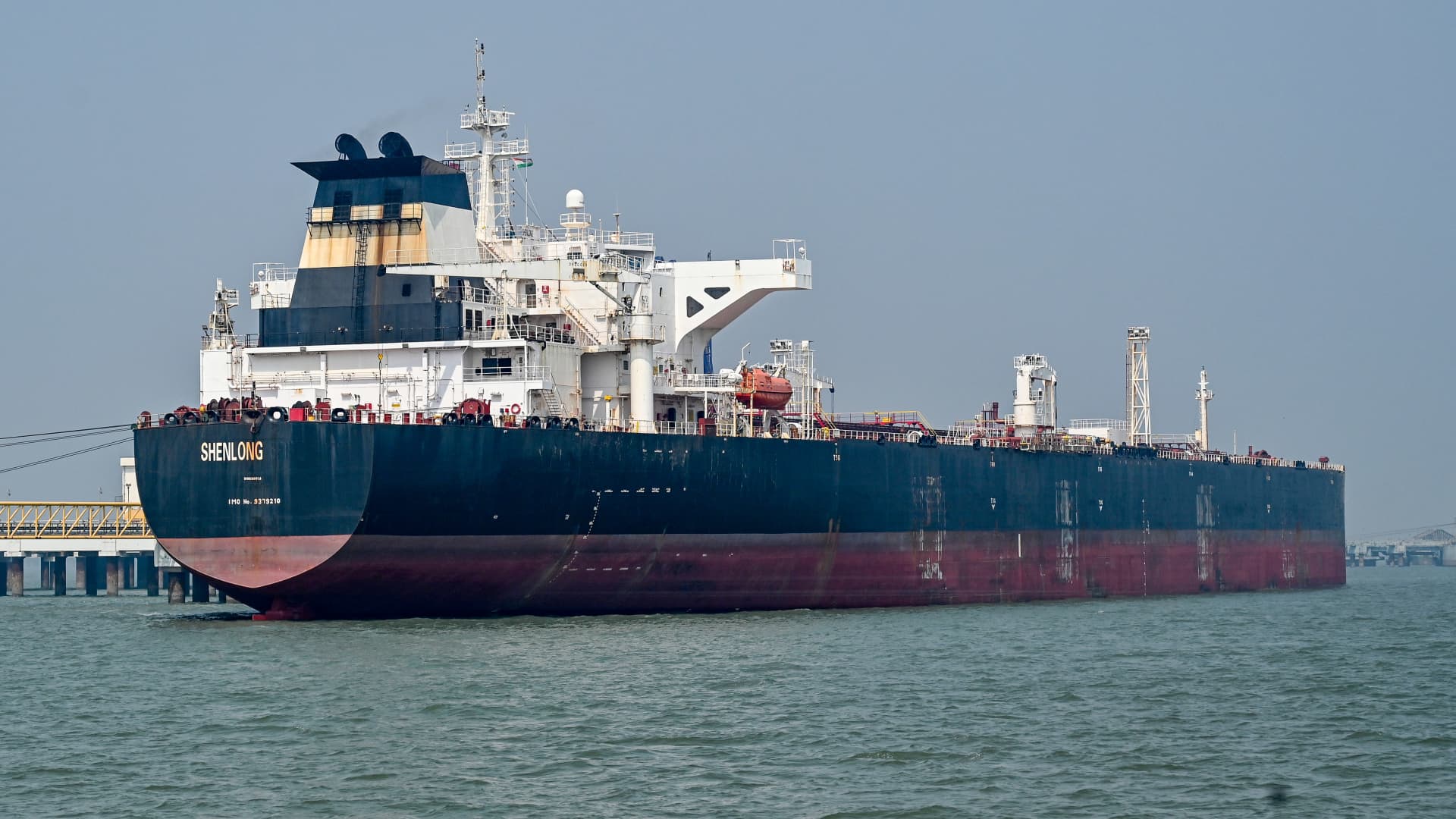
- Shipping Resumption: The Liberia-flagged crude oil tanker Shenlong Suezmax successfully docked at Mumbai Port after navigating the high-risk Strait of Hormuz, indicating a recovery in tanker movements amidst escalating West Asia conflict, potentially alleviating market concerns over supply disruptions.
- Trump's Hardline Stance: Trump stated in a national address that the U.S. would
See More

US Stocks Close Higher Amid Optimism Over Middle East Conflict Resolution

- Market Rally: The S&P 500 rose by 0.72%, the Dow Jones increased by 0.48%, and the Nasdaq 100 climbed by 1.18%, reflecting growing investor optimism regarding a potential resolution to the Middle East conflict, which has bolstered market confidence.
- Strong Economic Data: The US ADP employment change for March increased by 62,000, surpassing expectations of 40,000, while February retail sales rose by 0.6% month-over-month, indicating robust economic recovery that could influence Federal Reserve policy decisions.
- Interest Rate Expectations: Despite positive economic indicators, hawkish comments from St. Louis Fed President raised concerns about inflation and employment, leading to a mere 1% chance of a 25 basis point rate hike at the upcoming April FOMC meeting, reflecting cautious market sentiment.
- Divergent Stock Performances: Target Hospitality surged over 36% after securing a multi-year contract worth over $550 million, while Nike fell more than 15% due to revenue forecasts indicating a decline, highlighting the market's varied outlook on different companies' futures.
See More

Energy Stocks Surge Amid Market Decline
- Energy Sector Outperformance: In March, the energy sector of the S&P 500 index rose approximately 11.9%, contrasting sharply with declines in all other sectors, highlighting the resilience of the energy industry amid market turmoil.
- Oil Price Surge Impact: The price of Brent crude oil has surged 55% since late February due to the Middle East war and the closure of the Strait of Hormuz, directly driving stock prices higher for energy companies, with Occidental Petroleum up 26% and Marathon Petroleum up 24.8%.
- Rising Gasoline Prices: The average price of regular gasoline in the U.S. has climbed over $1 to about $4, significantly boosting profits for energy companies and further solidifying their market position.
- Optimistic Future Outlook: While the market anticipates a potential decline in oil prices in the coming months, energy companies are expected to benefit from elevated prices through 2026, especially as much infrastructure and strategic reserves have been damaged, keeping energy stocks attractive.
See More

Energy Stocks Thrive Amid Oil Price Surge
- Strong Energy Sector Performance: In March, energy stocks collectively rose by approximately 11.9%, making it the only sector of the S&P 500 to gain, indicating robust industry performance amid rising oil prices, with expectations for continued benefits into 2026.
- Context of Rising Oil Prices: The price of Brent crude has surged by 55% since late February due to the Middle East war and the closure of the Strait of Hormuz, which has directly contributed to a more than $1 increase in U.S. gasoline prices, reaching an average of about $4 nationwide.
- Performance of Major Companies: Companies like Occidental Petroleum (OXY) saw a 26% increase in March, Marathon Petroleum (MPC) rose by 24.8%, and ExxonMobil (XOM) increased by 13.3%, highlighting the significant profitability of energy firms in the current market environment.
- Future Outlook: While the market anticipates a potential decline in oil prices over the coming months, energy companies are expected to achieve better-than-expected earnings in 2026, as damage to infrastructure and reduced strategic reserves will likely keep oil prices elevated for an extended period.
See More
Trump Claims Iran War Will End Soon Amid Oil Price Surge
- Oil Price Surge: Since the U.S. and Israel launched strikes on Iran on February 28, global benchmark Brent crude oil prices have surged over 60% in March, marking the largest monthly gain since the 1980s, indicating the war's profound impact on the global energy market.
- Demand Destruction Risk: High oil prices could lead to significant declines in fuel demand in the U.S. and emerging markets, with analysts warning that prolonged low Middle Eastern oil exports may push consumers towards electric or more fuel-efficient vehicles, thereby affecting overall market demand.
- Market Reaction: Following Trump's speech claiming the war would end in 2-3 weeks, oil prices spiked, with Brent crude rising over 6.5% to around $107.79 per barrel, reflecting market concerns over future supply.
- Government Interventions: Countries like Germany and Australia have implemented measures to curb rising fuel prices, with Germany limiting daily price hikes at gas stations and Australia launching a national fuel security plan, highlighting governments' focus on potential energy crises.
See More
Asia-Pacific Markets Decline as Oil Prices Surge
- Oil Price Surge Impact: Following Trump's address on the Iran war, oil prices surged, with U.S. crude futures rising 6% to $106.39 and global benchmark Brent increasing 6.7% to $107.97, leading to widespread declines in Asia-Pacific markets.
- Korean Market Plunge: The KOSPI index in South Korea dropped 4.47% to close at 5,234.05, making it the worst-performing market in the region despite opening over 1% higher.
- Japanese Market Reaction: Japan's Nikkei 225 fell 2.38% to 52,463.27 after Trump's speech, indicating the market's sensitivity to geopolitical tensions.
- U.S. Futures Decline: U.S. stock futures fell broadly, with S&P 500 and Nasdaq-100 futures down over 1%, and Dow futures dropping 439 points, reflecting investor anxiety about future market conditions.
See More
Oil Prices Surge Amid Escalating US-Iran Tensions
- Oil Price Surge: Oil prices surged as President Trump warned of further military action against Iran in the next two to three weeks, with West Texas Intermediate crude futures rising 4.1% to $104.21 per barrel and Brent crude futures increasing 5% to $106.42 per barrel, reflecting market sensitivity to geopolitical risks.
- Shipping Resumption: The Liberia-flagged crude oil tanker Shenlong Suezmax successfully docked at Mumbai Port after navigating the high-risk Strait of Hormuz, indicating a recovery in tanker movements amidst escalating West Asia conflict, potentially alleviating market concerns over supply disruptions.
- Trump's Hardline Stance: Trump stated in a national address that the U.S. would
See More
US Stocks Close Higher Amid Optimism Over Middle East Conflict Resolution
- Market Rally: The S&P 500 rose by 0.72%, the Dow Jones increased by 0.48%, and the Nasdaq 100 climbed by 1.18%, reflecting growing investor optimism regarding a potential resolution to the Middle East conflict, which has bolstered market confidence.
- Strong Economic Data: The US ADP employment change for March increased by 62,000, surpassing expectations of 40,000, while February retail sales rose by 0.6% month-over-month, indicating robust economic recovery that could influence Federal Reserve policy decisions.
- Interest Rate Expectations: Despite positive economic indicators, hawkish comments from St. Louis Fed President raised concerns about inflation and employment, leading to a mere 1% chance of a 25 basis point rate hike at the upcoming April FOMC meeting, reflecting cautious market sentiment.
- Divergent Stock Performances: Target Hospitality surged over 36% after securing a multi-year contract worth over $550 million, while Nike fell more than 15% due to revenue forecasts indicating a decline, highlighting the market's varied outlook on different companies' futures.
See More
Energy Stocks Surge Amid Market Decline
- Energy Sector Outperformance: In March, the energy sector of the S&P 500 index rose approximately 11.9%, contrasting sharply with declines in all other sectors, highlighting the resilience of the energy industry amid market turmoil.
- Oil Price Surge Impact: The price of Brent crude oil has surged 55% since late February due to the Middle East war and the closure of the Strait of Hormuz, directly driving stock prices higher for energy companies, with Occidental Petroleum up 26% and Marathon Petroleum up 24.8%.
- Rising Gasoline Prices: The average price of regular gasoline in the U.S. has climbed over $1 to about $4, significantly boosting profits for energy companies and further solidifying their market position.
- Optimistic Future Outlook: While the market anticipates a potential decline in oil prices in the coming months, energy companies are expected to benefit from elevated prices through 2026, especially as much infrastructure and strategic reserves have been damaged, keeping energy stocks attractive.
See More
Energy Stocks Thrive Amid Oil Price Surge
- Strong Energy Sector Performance: In March, energy stocks collectively rose by approximately 11.9%, making it the only sector of the S&P 500 to gain, indicating robust industry performance amid rising oil prices, with expectations for continued benefits into 2026.
- Context of Rising Oil Prices: The price of Brent crude has surged by 55% since late February due to the Middle East war and the closure of the Strait of Hormuz, which has directly contributed to a more than $1 increase in U.S. gasoline prices, reaching an average of about $4 nationwide.
- Performance of Major Companies: Companies like Occidental Petroleum (OXY) saw a 26% increase in March, Marathon Petroleum (MPC) rose by 24.8%, and ExxonMobil (XOM) increased by 13.3%, highlighting the significant profitability of energy firms in the current market environment.
- Future Outlook: While the market anticipates a potential decline in oil prices over the coming months, energy companies are expected to achieve better-than-expected earnings in 2026, as damage to infrastructure and reduced strategic reserves will likely keep oil prices elevated for an extended period.
See More