Lululemon Faces Governance Challenges Amid Proxy Fight

Lululemon Athletica Inc's stock has dropped 5.05%, hitting a 5-day low, as tensions rise over governance issues.
The company is currently embroiled in a proxy battle initiated by founder Chip Wilson, who has nominated three director candidates for the 2026 Annual Meeting. Lululemon has engaged in discussions with Wilson but has faced criticism for its governance practices, which have reportedly led to a significant loss in shareholder value, amounting to approximately $20 billion over the past five years. The Board's slow response to Wilson's proposals has further fueled frustrations among shareholders, highlighting the urgent need for reform.
These governance challenges could impact Lululemon's decision-making efficiency and shareholder trust, as the company prepares to file a proxy statement for the upcoming meeting, urging shareholders to stay informed.
Trade with 70% Backtested Accuracy
Analyst Views on LULU

About LULU
About the author

Analysis of Retail Sector Impact from Rising Oil Prices

- Impact of Rising Oil Prices: Brent crude futures have surged above $110 per barrel due to the ongoing Middle East conflict, with diesel prices exceeding $5 per gallon for the first time since 2022, potentially imposing secondary effects on the U.S. retail sector and increasing household budget pressures.
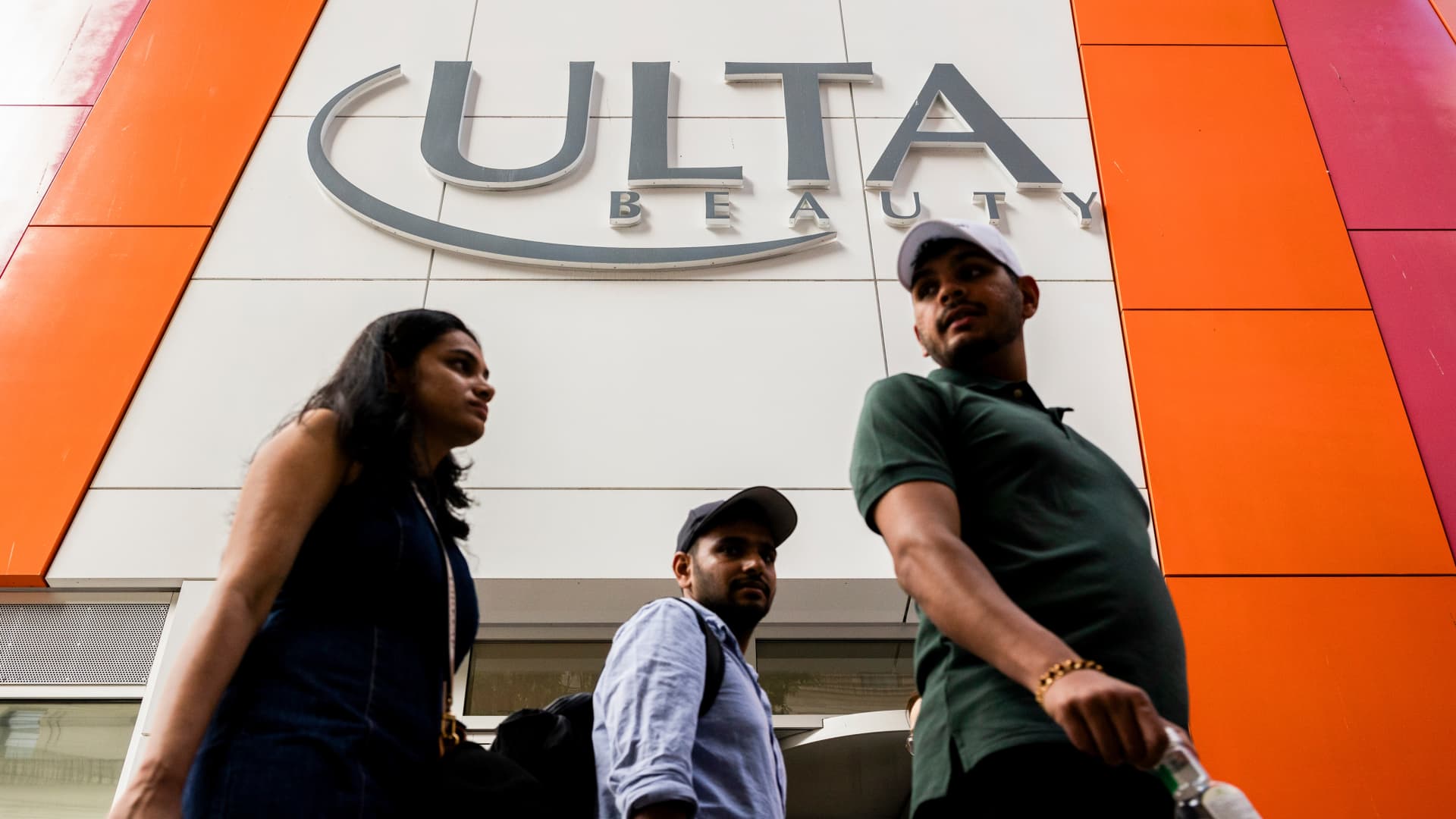
- Advantage of Higher-Income Customers: Deutsche Bank analysts noted that retailers like Ulta Beauty and Costco, which cater to higher-income demographics, have historically shown a positive correlation between sales and rising oil prices, indicating better sales performance in such environments.
- Pressure on Lower-Income Customers: Conversely, retailers like BJ's Wholesale Club and Burlington Stores, which primarily serve lower-income customers, exhibit negative sales correlations with rising gas prices, highlighting a trend where lower-income consumers reduce spending as fuel costs increase.
- Inventory Management Strategy: Despite the risks associated with rising input costs, many global brands, including Amer Sports and Birkenstock, maintain over 200 days of finished goods inventory, which helps mitigate near-term margin pressures and ensures market stability amid supply chain disruptions.

Nike's Dividend Yield Surpasses 3%, Attracting Attention


- Dividend Yield Increase: Nike's current dividend yield stands at 3.2%, primarily driven by a decline in stock price post-pandemic rather than dividend hikes, indicating the company's resilience in adversity.
- Profit Decline Pressure: Nike's stock has plummeted 71% from its all-time high in 2021 and continues to slide due to global economic turmoil and rising oil prices, with profits expected to fall further, impacting investor confidence.
- Management Change and Strategic Shift: New CEO Elliott Hill has been working to rectify the missteps of former CEO John Donahoe for the past 18 months, and despite macroeconomic challenges, Nike has achieved modest growth in its running category, suggesting potential recovery.
- Future Outlook and Market Reaction: Analysts expect Nike's Q3 revenue to decline by 0.4% to $11.2 billion, with earnings per share dropping from $0.54 to $0.28; however, this low bar may provide an opportunity for rebound, with investor focus on future guidance and commentary.

Nike Stock Decline Offers Dividend Opportunities Amid Market Turmoil
- Stock Price Impact: Nike (NKE) has seen its stock price plummet 71% from its all-time high in 2021, with its dividend yield rising to 3.2% primarily due to this decline rather than dividend increases, which poses potential risks for investors amid market volatility.
- Management Changes: CEO Elliott Hill has been working to rectify the mistakes of former CEO John Donahoe for the past year and a half, particularly by rebuilding relationships with key retail partners after an overemphasis on digital and direct-to-consumer strategies.
- Financial Outlook Challenges: While Nike has returned to growth in its running category and achieved modest revenue growth over the last two quarters, profits are expected to continue declining due to pressures from inventory clearance and investments in innovation.
- Market Reaction Expectations: Nike is set to report its third-quarter earnings on March 31, with analysts forecasting a 0.4% revenue decline to $11.2 billion; despite these disappointing figures, they provide a low bar for the company, and investor focus will likely be on future guidance and commentary.

Nike Faces Challenges as Stock Drops Nearly 60%
- Stagnant Sales Growth: Nike's revenue growth flatlined in fiscal 2024 as declining sales in North America and a strong dollar offset gains in China and other overseas markets, leading to increased market pressure on the company.
- Declining Gross Margin: The gross margin dropped from 43.5% in fiscal 2023 to 42.7% in fiscal 2025, as Nike relied on markdowns to boost sales and reduce inventory, resulting in a significant drop in EPS from $3.23 to $2.16, reflecting a decline in profitability.
- Intensified Market Competition: Nike is at a disadvantage against competitors like Adidas, On Holding, and Lululemon, particularly as the latter began selling its own branded shoes in 2022, further eroding Nike's market share.
- Strategic Adjustments: Nike is attempting to stabilize its business by increasing the sales mix of full-price and premium products, launching new marketing campaigns, and rebuilding relationships with wholesale retailers, although it still relies on markdowns for short-term sales boosts.
Celsius Stock Decline Highlights Costco's Influence on Businesses

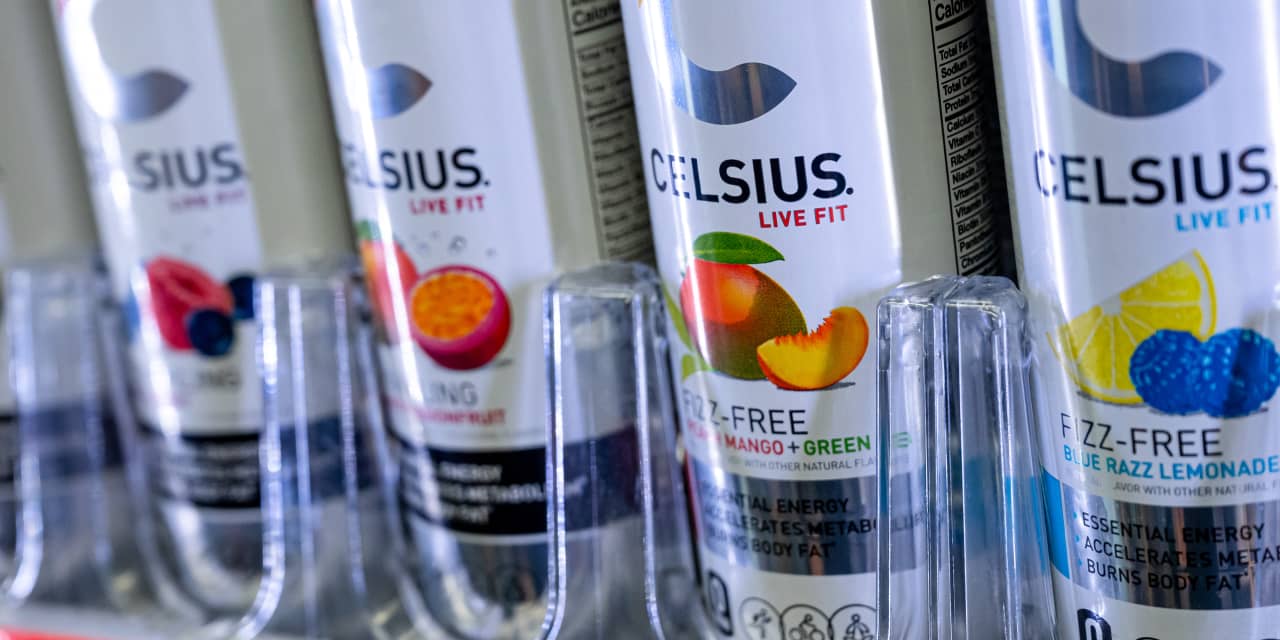
- Celsius Holdings Stock Pressure: Celsius Holdings' stock is facing pressure this week as investors react to market developments.
- Costco's New Energy Drink: The launch of a low-cost energy drink by Costco Wholesale is raising concerns about its potential impact on the demand for Celsius products.

Dave Inc and Lululemon Options Trading Activity


- Dave Inc Options Volume: Today, Dave Inc's options volume reached 4,250 contracts, representing approximately 425,000 shares, which accounts for 61.8% of its average daily trading volume of 687,930 shares over the past month, indicating a significant increase in market interest.
- High Strike Call Activity: Within Dave Inc, the $180 strike call option is particularly active, with 1,362 contracts traded today, equating to about 136,200 shares, suggesting that investors are increasingly optimistic about future price increases.
- Lululemon Options Volume: Concurrently, Lululemon's options volume hit 17,291 contracts, representing around 1.7 million shares, which is 56.6% of its average daily trading volume of 3.1 million shares over the past month, reflecting the brand's strong market performance.
- Lululemon High Strike Call Activity: For Lululemon, the $175 strike call option saw 853 contracts traded, amounting to approximately 85,300 shares, indicating investor confidence in its growth potential moving forward.
Analysis of Retail Sector Impact from Rising Oil Prices
- Impact of Rising Oil Prices: Brent crude futures have surged above $110 per barrel due to the ongoing Middle East conflict, with diesel prices exceeding $5 per gallon for the first time since 2022, potentially imposing secondary effects on the U.S. retail sector and increasing household budget pressures.
- Advantage of Higher-Income Customers: Deutsche Bank analysts noted that retailers like Ulta Beauty and Costco, which cater to higher-income demographics, have historically shown a positive correlation between sales and rising oil prices, indicating better sales performance in such environments.
- Pressure on Lower-Income Customers: Conversely, retailers like BJ's Wholesale Club and Burlington Stores, which primarily serve lower-income customers, exhibit negative sales correlations with rising gas prices, highlighting a trend where lower-income consumers reduce spending as fuel costs increase.
- Inventory Management Strategy: Despite the risks associated with rising input costs, many global brands, including Amer Sports and Birkenstock, maintain over 200 days of finished goods inventory, which helps mitigate near-term margin pressures and ensures market stability amid supply chain disruptions.
Nike's Dividend Yield Surpasses 3%, Attracting Attention
- Dividend Yield Increase: Nike's current dividend yield stands at 3.2%, primarily driven by a decline in stock price post-pandemic rather than dividend hikes, indicating the company's resilience in adversity.
- Profit Decline Pressure: Nike's stock has plummeted 71% from its all-time high in 2021 and continues to slide due to global economic turmoil and rising oil prices, with profits expected to fall further, impacting investor confidence.
- Management Change and Strategic Shift: New CEO Elliott Hill has been working to rectify the missteps of former CEO John Donahoe for the past 18 months, and despite macroeconomic challenges, Nike has achieved modest growth in its running category, suggesting potential recovery.
- Future Outlook and Market Reaction: Analysts expect Nike's Q3 revenue to decline by 0.4% to $11.2 billion, with earnings per share dropping from $0.54 to $0.28; however, this low bar may provide an opportunity for rebound, with investor focus on future guidance and commentary.
Nike Stock Decline Offers Dividend Opportunities Amid Market Turmoil
- Stock Price Impact: Nike (NKE) has seen its stock price plummet 71% from its all-time high in 2021, with its dividend yield rising to 3.2% primarily due to this decline rather than dividend increases, which poses potential risks for investors amid market volatility.
- Management Changes: CEO Elliott Hill has been working to rectify the mistakes of former CEO John Donahoe for the past year and a half, particularly by rebuilding relationships with key retail partners after an overemphasis on digital and direct-to-consumer strategies.
- Financial Outlook Challenges: While Nike has returned to growth in its running category and achieved modest revenue growth over the last two quarters, profits are expected to continue declining due to pressures from inventory clearance and investments in innovation.
- Market Reaction Expectations: Nike is set to report its third-quarter earnings on March 31, with analysts forecasting a 0.4% revenue decline to $11.2 billion; despite these disappointing figures, they provide a low bar for the company, and investor focus will likely be on future guidance and commentary.
Nike Faces Challenges as Stock Drops Nearly 60%
- Stagnant Sales Growth: Nike's revenue growth flatlined in fiscal 2024 as declining sales in North America and a strong dollar offset gains in China and other overseas markets, leading to increased market pressure on the company.
- Declining Gross Margin: The gross margin dropped from 43.5% in fiscal 2023 to 42.7% in fiscal 2025, as Nike relied on markdowns to boost sales and reduce inventory, resulting in a significant drop in EPS from $3.23 to $2.16, reflecting a decline in profitability.
- Intensified Market Competition: Nike is at a disadvantage against competitors like Adidas, On Holding, and Lululemon, particularly as the latter began selling its own branded shoes in 2022, further eroding Nike's market share.
- Strategic Adjustments: Nike is attempting to stabilize its business by increasing the sales mix of full-price and premium products, launching new marketing campaigns, and rebuilding relationships with wholesale retailers, although it still relies on markdowns for short-term sales boosts.
Celsius Stock Decline Highlights Costco's Influence on Businesses
- Celsius Holdings Stock Pressure: Celsius Holdings' stock is facing pressure this week as investors react to market developments.
- Costco's New Energy Drink: The launch of a low-cost energy drink by Costco Wholesale is raising concerns about its potential impact on the demand for Celsius products.
Dave Inc and Lululemon Options Trading Activity
- Dave Inc Options Volume: Today, Dave Inc's options volume reached 4,250 contracts, representing approximately 425,000 shares, which accounts for 61.8% of its average daily trading volume of 687,930 shares over the past month, indicating a significant increase in market interest.
- High Strike Call Activity: Within Dave Inc, the $180 strike call option is particularly active, with 1,362 contracts traded today, equating to about 136,200 shares, suggesting that investors are increasingly optimistic about future price increases.
- Lululemon Options Volume: Concurrently, Lululemon's options volume hit 17,291 contracts, representing around 1.7 million shares, which is 56.6% of its average daily trading volume of 3.1 million shares over the past month, reflecting the brand's strong market performance.
- Lululemon High Strike Call Activity: For Lululemon, the $175 strike call option saw 853 contracts traded, amounting to approximately 85,300 shares, indicating investor confidence in its growth potential moving forward.