Lam Research Set to Benefit from Micron's Increased Capex

Lam Research Corp's stock rose by 5.00% as it crossed above the 20-day SMA, reflecting positive market conditions.
The catalyst for this movement is Micron Technology's strong Q2 results, where it reported a revenue surge to $23.9 billion, nearly tripling year-over-year, driven by AI demand. Micron's increased capital expenditures guidance, now exceeding $25 billion, is expected to positively impact Lam Research, which derives a significant portion of its revenue from memory chipmaking equipment. Analysts anticipate a 28% increase in Lam Research's earnings per share this fiscal year, further solidifying its growth outlook.
This strong performance from Micron not only highlights the demand for memory products but also positions Lam Research favorably in the semiconductor equipment market, suggesting that the company is well-poised for future growth.
Trade with 70% Backtested Accuracy
Analyst Views on LRCX

About LRCX
About the author

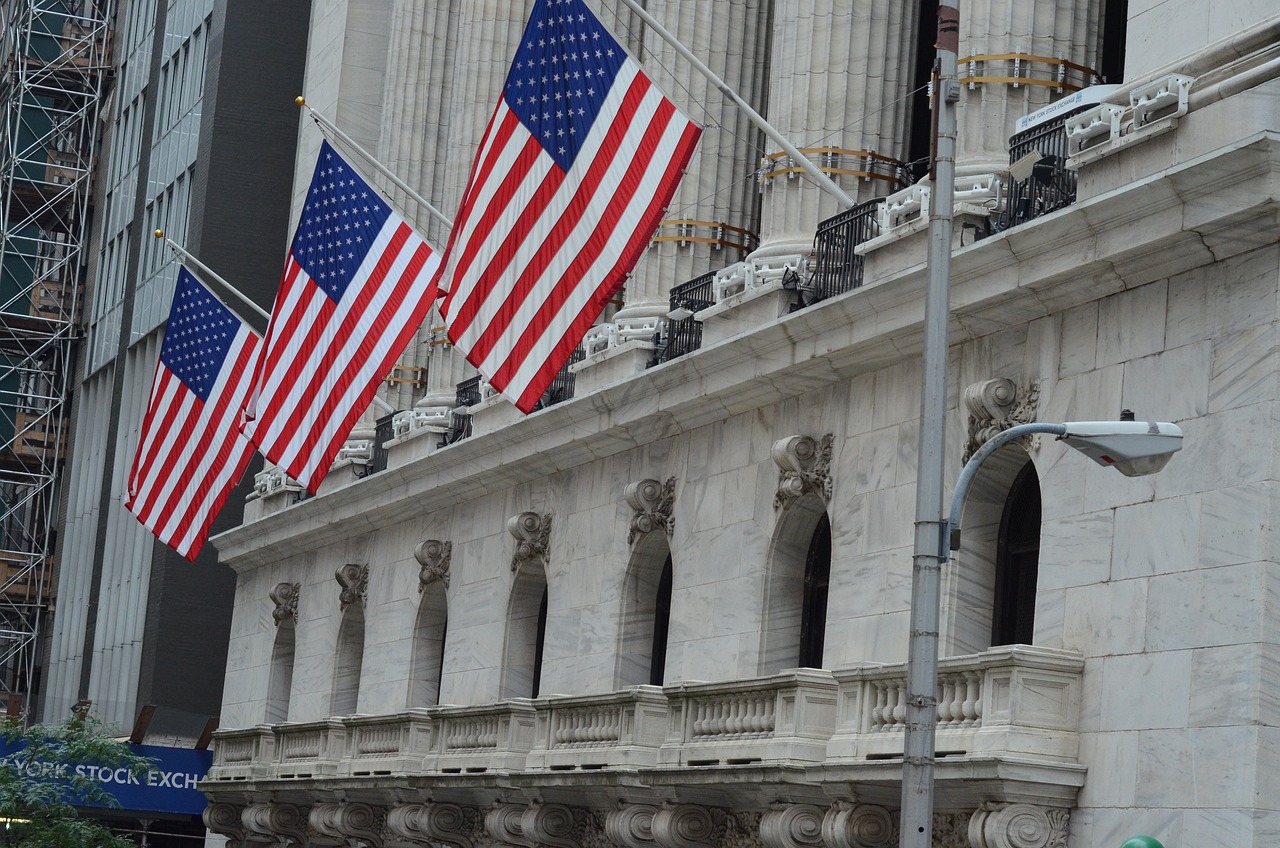
Global Stock Markets Surge on Iran Ceasefire Agreement


- Market Sentiment Rebound: Global stock markets surged on Wednesday as the US and Iran agreed to a two-week ceasefire, with the S&P 500 rising 2.51%, the Dow Jones up 2.85%, and the Nasdaq 100 increasing by 2.90%, reflecting a positive market response to easing geopolitical tensions.
- Crude Oil Price Plunge: The ceasefire news led to a more than 15% drop in crude oil prices to a 1.5-week low, alleviating inflation concerns and sparking a rally in global government bond markets, with the German 10-year Bund yield falling to a 3-week low, indicating a more optimistic outlook for the economy.
- Fed Policy Expectations: Although the market discounts only a 1% chance of a 25 bp rate hike at the upcoming April 28-29 FOMC meeting, the minutes from the March FOMC indicated heightened concerns among participants regarding upside risks to inflation and downside risks to employment, suggesting a more cautious approach to future monetary policy.
- Strong Tech Stock Performance: Chipmakers and AI infrastructure stocks saw significant gains on Wednesday, with Intel rising over 11%, driving the Nasdaq 100's increase, highlighting the tech sector's crucial role in the market recovery and further boosting investor confidence in technology stocks.

Global Stock Markets Surge on Iran Ceasefire Agreement
- Market Sentiment Rebounds: Global stock markets surged as the US and Iran agreed to a two-week ceasefire, with the S&P 500 rising 2.04%, the Dow Jones up 2.25%, and the Nasdaq 100 increasing by 2.52%, indicating a renewed investor confidence in risk assets.
- Crude Oil Price Plunge: The ceasefire news led to a more than 15% drop in crude oil prices to a 1.5-week low, alleviating inflation concerns and sparking a rally in global government bond markets, with the German 10-year Bund yield falling to a 3-week low, reflecting market expectations of a potential economic slowdown.
- US Treasury Yields Decline: The 10-year US Treasury yield fell to 4.228%, a 3-week low, as concerns over inflation eased, indicating increased demand for safe-haven assets, while also supporting the upcoming $39 billion auction of 10-year notes.
- Strong Performance in Tech Stocks: Amid the positive market sentiment, technology stocks performed strongly, with Amazon, Meta, and Alphabet all rising over 3%, showcasing sustained investor confidence in the tech sector, which may drive future investment inflows.

Global Stock Markets Surge on Iran Ceasefire Agreement
- Market Rally: The S&P 500 rose by 2.35%, the Dow Jones by 2.78%, and the Nasdaq 100 by 2.89%, all reaching four-week highs, reflecting optimistic market sentiment following the easing of geopolitical tensions.
- Crude Oil Plunge: Crude oil prices fell over 17% to a 1.5-week low after the US and Iran agreed to a two-week ceasefire, alleviating inflation concerns and sparking a rally in global government bond markets.
- Declining Bond Yields: The 10-year US Treasury yield dropped to a three-week low of 4.228%, as easing inflation worries are expected to influence future monetary policy, particularly ahead of the upcoming FOMC meeting.
- Airline Stocks Surge: With lower fuel costs, Alaska Air Group surged over 16% and Carnival Cruises rose over 13%, indicating a positive impact of falling oil prices on the airline and cruise industries, potentially enhancing overall profitability.

Trump Announces Iran Ceasefire, Tech Stocks Surge

- Tech Stock Rally: Following President Trump's announcement of a two-week ceasefire with Iran, tech stocks surged, with Meta, Amazon, Alphabet, and Nvidia leading the Magnificent 7, reflecting strong market confidence in the tech sector.
- Chipmakers Surge: Taiwan Semiconductor Manufacturing Co. saw a 7% increase, while ASML, Applied Materials, and Micron jumped 9%, indicating optimistic sentiment towards the semiconductor industry and further propelling the overall market upward.
- Improved Market Sentiment: Trump's withdrawal of his hardline threats against Iran before the deadline and the announcement of a U.S. pause in military action fostered optimistic expectations for future geopolitical stability, driving a robust market rebound.
- Strait of Hormuz Traffic Issues: Despite the ceasefire, ship traffic through the Strait of Hormuz has not returned to pre-war levels, highlighting ongoing geopolitical risks that may have long-term implications for the market.
Trump Announces Ceasefire with Iran, US Stocks Surge

- Market Surge: Following President Trump's announcement of a two-week ceasefire with Iran, U.S. stocks soared, with tech giants like Meta, Amazon, Alphabet, and Nvidia leading the rally among the Magnificent 7, indicating a positive market response to reduced geopolitical risks.
- Chipmakers Rally: Taiwan Semiconductor Manufacturing Co. saw a 7% increase, while ASML, Applied Materials, and Micron surged by 9%, and Lam Research, Western Digital, and Seagate climbed 10%, reflecting strong investor confidence and demand in the semiconductor sector.
- Geopolitical Impact: Despite the ceasefire, ship traffic through the Strait of Hormuz has not returned to pre-war levels, highlighting ongoing market concerns regarding Middle Eastern stability, especially after a drone attack on Saudi Arabia's east-west pipeline, which could affect global energy supplies.
- Shift in Market Sentiment: Trump's retreat from his hardline threats before the deadline indicates a more conciliatory U.S. stance in diplomatic negotiations, which may influence investor risk appetite and drive the market towards higher valuation levels.

Nvidia Secures TSMC's Advanced Packaging Capacity


- Capacity Shortage: Nvidia has reserved the majority of TSMC's advanced packaging capacity, which is primarily located in Asia, leading to a potential bottleneck in AI chip production that could impact future market supply.
- Accelerated Tech Investment: TSMC is constructing two new plants in Arizona to enhance its packaging capabilities, which is expected to significantly reduce turnaround times for customers, thereby strengthening its competitive position in the U.S. market.
- Surging Market Demand: TSMC's CoWoS technology is experiencing a staggering 80% compound annual growth rate, highlighting the increasing complexity of chips driven by AI, making packaging technology a focal point of industry attention and reshaping the semiconductor landscape.
- Diversified Clientele: Intel is conducting some packaging at its Arizona facility, and while it has yet to secure a major external customer, partnerships with Amazon and Cisco indicate its potential in the packaging market, paving the way for future customer relationships.
Global Stock Markets Surge on Iran Ceasefire Agreement
- Market Sentiment Rebound: Global stock markets surged on Wednesday as the US and Iran agreed to a two-week ceasefire, with the S&P 500 rising 2.51%, the Dow Jones up 2.85%, and the Nasdaq 100 increasing by 2.90%, reflecting a positive market response to easing geopolitical tensions.
- Crude Oil Price Plunge: The ceasefire news led to a more than 15% drop in crude oil prices to a 1.5-week low, alleviating inflation concerns and sparking a rally in global government bond markets, with the German 10-year Bund yield falling to a 3-week low, indicating a more optimistic outlook for the economy.
- Fed Policy Expectations: Although the market discounts only a 1% chance of a 25 bp rate hike at the upcoming April 28-29 FOMC meeting, the minutes from the March FOMC indicated heightened concerns among participants regarding upside risks to inflation and downside risks to employment, suggesting a more cautious approach to future monetary policy.
- Strong Tech Stock Performance: Chipmakers and AI infrastructure stocks saw significant gains on Wednesday, with Intel rising over 11%, driving the Nasdaq 100's increase, highlighting the tech sector's crucial role in the market recovery and further boosting investor confidence in technology stocks.
Global Stock Markets Surge on Iran Ceasefire Agreement
- Market Sentiment Rebounds: Global stock markets surged as the US and Iran agreed to a two-week ceasefire, with the S&P 500 rising 2.04%, the Dow Jones up 2.25%, and the Nasdaq 100 increasing by 2.52%, indicating a renewed investor confidence in risk assets.
- Crude Oil Price Plunge: The ceasefire news led to a more than 15% drop in crude oil prices to a 1.5-week low, alleviating inflation concerns and sparking a rally in global government bond markets, with the German 10-year Bund yield falling to a 3-week low, reflecting market expectations of a potential economic slowdown.
- US Treasury Yields Decline: The 10-year US Treasury yield fell to 4.228%, a 3-week low, as concerns over inflation eased, indicating increased demand for safe-haven assets, while also supporting the upcoming $39 billion auction of 10-year notes.
- Strong Performance in Tech Stocks: Amid the positive market sentiment, technology stocks performed strongly, with Amazon, Meta, and Alphabet all rising over 3%, showcasing sustained investor confidence in the tech sector, which may drive future investment inflows.
Global Stock Markets Surge on Iran Ceasefire Agreement
- Market Rally: The S&P 500 rose by 2.35%, the Dow Jones by 2.78%, and the Nasdaq 100 by 2.89%, all reaching four-week highs, reflecting optimistic market sentiment following the easing of geopolitical tensions.
- Crude Oil Plunge: Crude oil prices fell over 17% to a 1.5-week low after the US and Iran agreed to a two-week ceasefire, alleviating inflation concerns and sparking a rally in global government bond markets.
- Declining Bond Yields: The 10-year US Treasury yield dropped to a three-week low of 4.228%, as easing inflation worries are expected to influence future monetary policy, particularly ahead of the upcoming FOMC meeting.
- Airline Stocks Surge: With lower fuel costs, Alaska Air Group surged over 16% and Carnival Cruises rose over 13%, indicating a positive impact of falling oil prices on the airline and cruise industries, potentially enhancing overall profitability.
Trump Announces Iran Ceasefire, Tech Stocks Surge
- Tech Stock Rally: Following President Trump's announcement of a two-week ceasefire with Iran, tech stocks surged, with Meta, Amazon, Alphabet, and Nvidia leading the Magnificent 7, reflecting strong market confidence in the tech sector.
- Chipmakers Surge: Taiwan Semiconductor Manufacturing Co. saw a 7% increase, while ASML, Applied Materials, and Micron jumped 9%, indicating optimistic sentiment towards the semiconductor industry and further propelling the overall market upward.
- Improved Market Sentiment: Trump's withdrawal of his hardline threats against Iran before the deadline and the announcement of a U.S. pause in military action fostered optimistic expectations for future geopolitical stability, driving a robust market rebound.
- Strait of Hormuz Traffic Issues: Despite the ceasefire, ship traffic through the Strait of Hormuz has not returned to pre-war levels, highlighting ongoing geopolitical risks that may have long-term implications for the market.
Trump Announces Ceasefire with Iran, US Stocks Surge
- Market Surge: Following President Trump's announcement of a two-week ceasefire with Iran, U.S. stocks soared, with tech giants like Meta, Amazon, Alphabet, and Nvidia leading the rally among the Magnificent 7, indicating a positive market response to reduced geopolitical risks.
- Chipmakers Rally: Taiwan Semiconductor Manufacturing Co. saw a 7% increase, while ASML, Applied Materials, and Micron surged by 9%, and Lam Research, Western Digital, and Seagate climbed 10%, reflecting strong investor confidence and demand in the semiconductor sector.
- Geopolitical Impact: Despite the ceasefire, ship traffic through the Strait of Hormuz has not returned to pre-war levels, highlighting ongoing market concerns regarding Middle Eastern stability, especially after a drone attack on Saudi Arabia's east-west pipeline, which could affect global energy supplies.
- Shift in Market Sentiment: Trump's retreat from his hardline threats before the deadline indicates a more conciliatory U.S. stance in diplomatic negotiations, which may influence investor risk appetite and drive the market towards higher valuation levels.
Nvidia Secures TSMC's Advanced Packaging Capacity
- Capacity Shortage: Nvidia has reserved the majority of TSMC's advanced packaging capacity, which is primarily located in Asia, leading to a potential bottleneck in AI chip production that could impact future market supply.
- Accelerated Tech Investment: TSMC is constructing two new plants in Arizona to enhance its packaging capabilities, which is expected to significantly reduce turnaround times for customers, thereby strengthening its competitive position in the U.S. market.
- Surging Market Demand: TSMC's CoWoS technology is experiencing a staggering 80% compound annual growth rate, highlighting the increasing complexity of chips driven by AI, making packaging technology a focal point of industry attention and reshaping the semiconductor landscape.
- Diversified Clientele: Intel is conducting some packaging at its Arizona facility, and while it has yet to secure a major external customer, partnerships with Amazon and Cisco indicate its potential in the packaging market, paving the way for future customer relationships.