HSBC Reports Strong Q4 Results with Significant Revenue Growth
Written by Emily J. Thompson, Senior Investment Analyst
Updated: Feb 10 2026
0mins

Should l Buy HSBC?
Source: seekingalpha
HSBC Holdings shares rose 5.51% as the stock reached a 52-week high.
The company reported a 42% year-over-year increase in revenue for Q4 fiscal 2025, totaling $16.4 billion, despite falling short of analysts' expectations. Adjusted EPS of 37 cents exceeded the consensus estimate of 32 cents, showcasing effective cost control and revenue growth strategies. HSBC also declared a substantial interim dividend of $2.25 per share, reflecting confidence in future earnings and attracting investor interest.
The strong financial performance and optimistic future outlook, including a target return on tangible equity of 17% or better, indicate HSBC's robust market position and strategic planning, likely driving further stock appreciation.
Trade with 70% Backtested Accuracy
Stop guessing "Should I Buy HSBC?" and start using high-conviction signals backed by rigorous historical data.
Sign up today to access powerful investing tools and make smarter, data-driven decisions.
Analyst Views on HSBC
About HSBC
HSBC Holdings plc (HSBC) is a banking and financial services company. Its business segments include Hong Kong, UK, Corporate and Institutional Banking (CIB), and International Wealth and Premier Banking (IWPB). Its Hong Kong business comprises retail banking and wealth and commercial banking of HSBC Hong Kong and Hang Seng Bank. Its UK business comprises UK retail banking and wealth (including first direct and M&S Bank) and UK commercial banking, including HSBC Innovation Bank. The CIB segment is formed from the integration of its commercial banking business (outside the UK and Hong Kong) with its global banking and markets business. The IWPB segment comprises premier banking outside of Hong Kong and the UK, its global private bank, and its asset management, insurance and investment distribution businesses. Its customers worldwide through a network covering 58 countries and territories. Its customers range from individual savers and investors to companies, governments and others.
About the author

Emily J. Thompson
Emily J. Thompson, a Chartered Financial Analyst (CFA) with 12 years in investment research, graduated with honors from the Wharton School. Specializing in industrial and technology stocks, she provides in-depth analysis for Intellectia’s earnings and market brief reports.

India's E-commerce Market Experiences Rapid Growth


- Investment Commitment: Amazon's pledge of $35 billion in India last year aims to digitize 12 million small businesses and enhance logistics infrastructure, demonstrating confidence in future market potential despite online shopping accounting for only 1.6% of GDP.
- User Growth Trend: According to Deloitte, India's e-commerce market experienced a compound annual growth of 23% from 2020 to 2025, with projections indicating it will reach $250 billion by 2030, highlighting both user growth and increased spending per shopper.
- Rise of Small City Consumers: Deloitte reports that over 60% of online shoppers come from smaller cities, marking a decisive shift in consumer dynamics and driving e-commerce order growth, indicating a rapid increase in purchasing power among these consumers.
- Quick Commerce Model: Amazon's quick commerce service, Amazon Now, sees a 25% month-over-month order growth, with Prime members tripling their shopping frequency, underscoring the significance of rapid delivery in meeting the demands of consumers in smaller cities.
See More
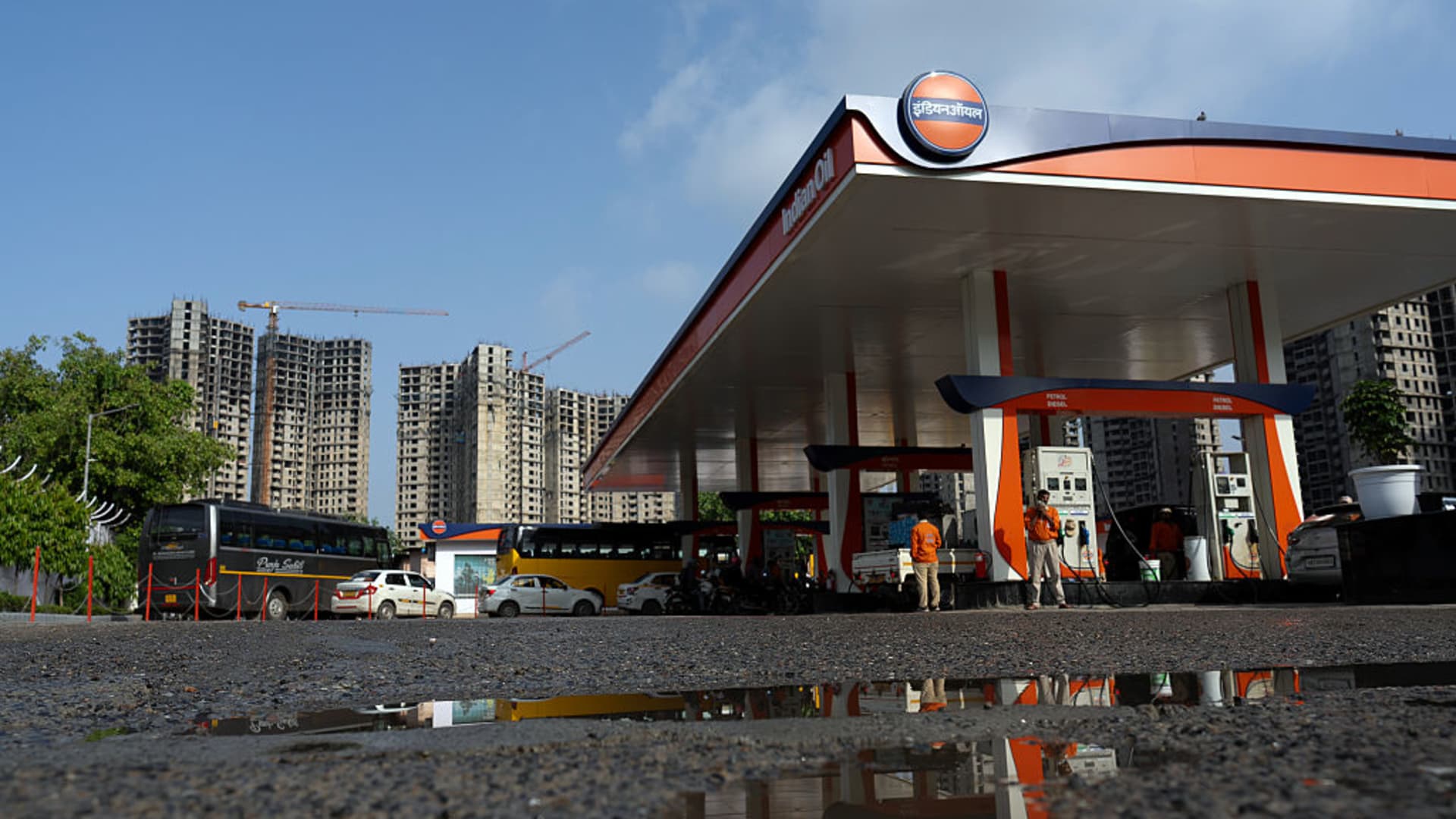
India's Energy Security Faces Challenges Amid Iran Conflict
- Supply Squeeze: The U.S. blockade of ships in the Strait of Hormuz has resulted in India losing approximately 3 million barrels per day of Iranian oil, exacerbating its energy security crisis as it struggles to meet its daily requirement of 5.5 million barrels.
- Economic Slowdown: The Purchasing Managers' Index for March fell to its lowest level since October 2022, reflecting the adverse impact of Middle Eastern conflicts and rising energy costs on domestic demand, with the growth forecast for FY2027 facing considerable downside risks.
- Strategic Autonomy Constraints: India's efforts to balance its economic and energy needs are increasingly constrained by U.S. policies, particularly regarding energy supplies, which complicates its trade negotiations and energy procurement strategies.
- Market Uncertainty: While the Indian government claims that refineries are operating normally and crude inventories are adequate, experts warn that the expiration of the U.S. waiver on Russian oil could lead to rising prices, intensifying market pressures and forcing India to rely more on Russian crude amid supply shortages.
See More
HSBC Launches Tokenized Deposit Service in the U.S.
- Service Expansion: HSBC is launching its tokenized deposit service in the U.S., combining the trust of traditional bank deposits with the speed and transparency of blockchain, enabling clients to transfer funds 24/7 and enhancing digital currency accessibility.
- Global Coverage: The service is currently available in Hong Kong, Singapore, Luxembourg, and the UK, supporting multiple currencies including EUR, GBP, HKD, SGD, and USD, showcasing HSBC's strategic positioning in the global digital finance landscape.
- Technological Advantage: By leveraging blockchain technology, HSBC's tokenized deposit service not only improves fund transfer efficiency but also enhances transaction transparency and security, aligning with modern financial market demands for rapid and secure transactions.
- Market Potential: This innovative service is expected to attract more clients seeking digital solutions, further solidifying HSBC's competitive position in the global financial services market, especially as digital currencies gain traction.
See More
HSBC Launches Tokenized Deposit Service in the U.S.
- Service Expansion: HSBC's launch of the Tokenized Deposit Service (TDS) in the U.S. marks a significant expansion of its digital money capabilities, enabling clients to move funds across borders in a compliant environment, thereby enhancing global liquidity management efficiency.
- 24/7 Transfers: TDS facilitates domestic and cross-border transfers 24/7, allowing clients to instantly transfer funds between treasury centers and subsidiaries, which improves working capital management and reduces operational complexity to meet clients' demands for faster, transparent liquidity management.
- Compatibility and Integration: The service is designed to integrate with clients' existing treasury and payment infrastructures, reflecting HSBC's commitment to innovation and compliance standards, aiming to streamline operations by reducing manual processing and enabling straight-through processing.
- Global Strategy: HSBC continues to invest in building an open, interoperable money layer that connects core financial infrastructure with emerging digital networks, supporting various use cases including real-time treasury management and settlement of tokenized assets, further advancing its digital asset strategy.
See More
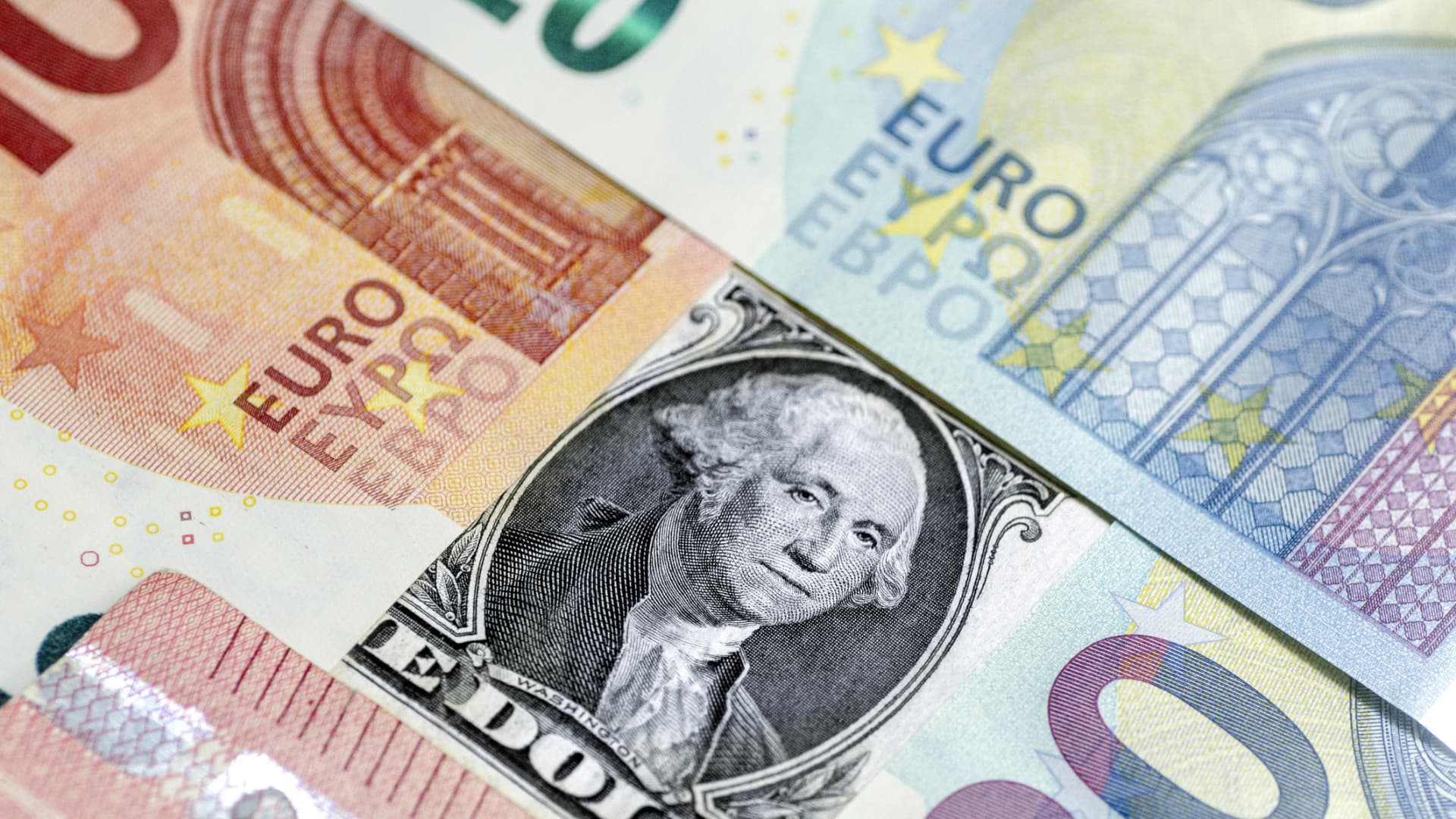
US Dollar Rises After Failed Iran Talks
- Dollar Strength: The U.S. dollar rose 0.3% against the Euro to $1.169 and 0.25% against the pound to $1.342 on Monday after failed peace talks between Washington and Tehran, indicating market reactions to geopolitical risks.
- Oil Price Impact: Higher oil prices, a stronger dollar, and tighter U.S. financial conditions have pressured other currencies, with analysts noting that despite a 2% rise in March against a basket of major peers, investors have not flocked to the dollar.
- Fed Policy Constraints: HSBC analysts suggest that while the dollar is strong, the lack of a hiking cycle and clear policy direction from the Fed may lead to a softening of the dollar, reflecting market uncertainty about future economic conditions.
- Gold Market Fluctuations: Traditional safe-haven assets like gold have fallen about 10% since February 28, and analysts believe that a bull run for gold will only resume once hostilities cease, the Strait of Hormuz fully reopens, and oil prices stabilize at reasonable levels.
See More
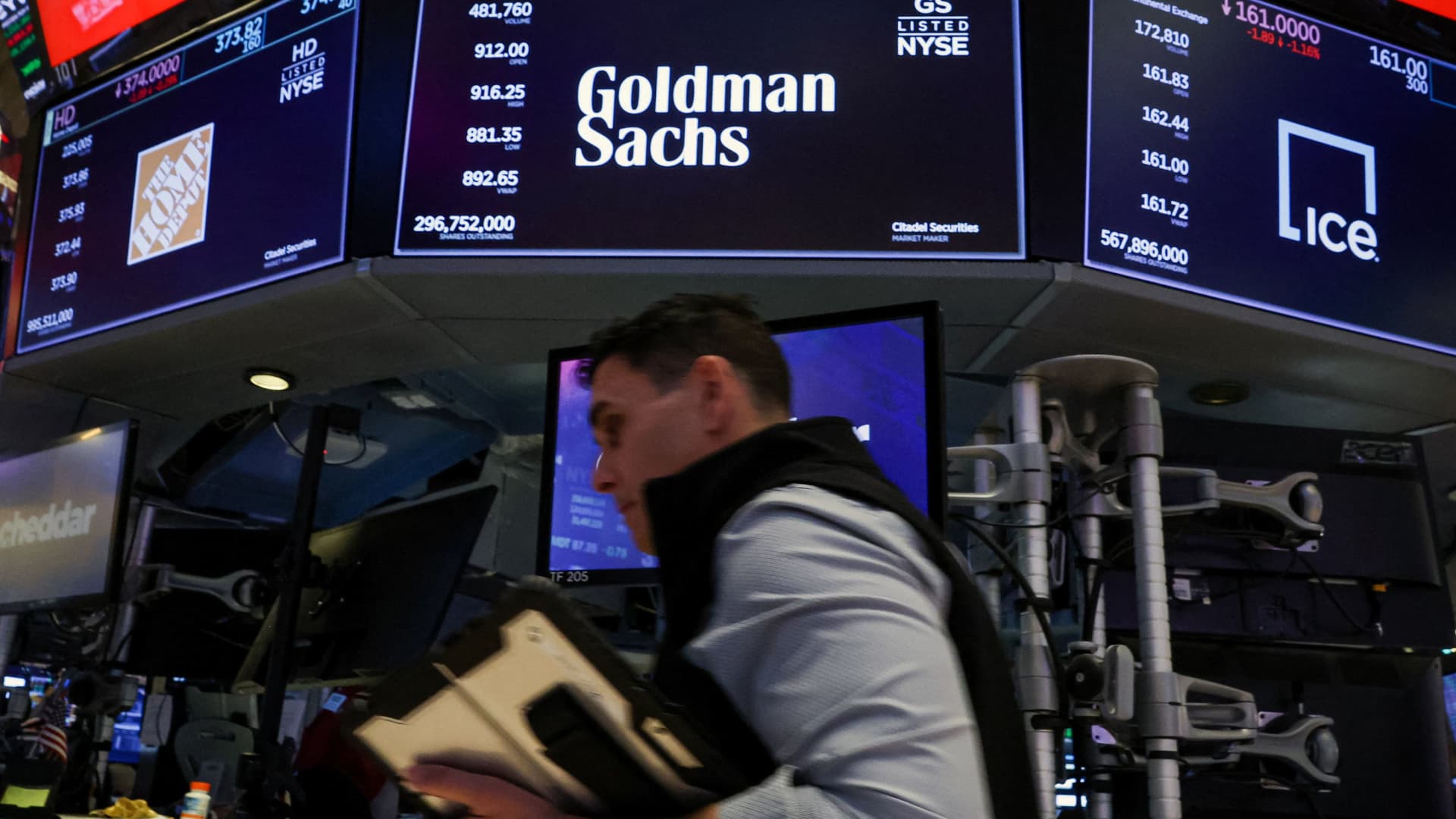
Iran War Uncertainty Impacts Markets Ahead of Earnings Season


- Iran Talks Fail: Peace negotiations between the U.S. and Iran, led by Vice President JD Vance, ended without an agreement, increasing market concerns about the blockade of the Strait of Hormuz, which could affect 20% of global oil exports and drive prices higher.
- Earnings Season Approaches: Major companies like Goldman Sachs, Wells Fargo, and Johnson & Johnson are set to report earnings this week, with analysts focusing on Goldman’s deal-making environment and trading desk performance, expecting EPS of $16.49 and revenues of $16.97 billion.
- Wells Fargo Faces Headwinds: Wells Fargo's earnings report comes amid low market expectations due to significant exposure to non-depository financial institutions, with analysts forecasting revenues of $21.77 billion and EPS of $1.58, while looking for guidance on net interest income.
- Inflation Data Release: The Producer Price Index (PPI) will be released this week, expected to show a 1.2% month-over-month increase and a 4.6% annual rise, reflecting the impact of the Iran war on energy prices, prompting investors to watch for cost pass-through to consumers.
See More
India's E-commerce Market Experiences Rapid Growth
- Investment Commitment: Amazon's pledge of $35 billion in India last year aims to digitize 12 million small businesses and enhance logistics infrastructure, demonstrating confidence in future market potential despite online shopping accounting for only 1.6% of GDP.
- User Growth Trend: According to Deloitte, India's e-commerce market experienced a compound annual growth of 23% from 2020 to 2025, with projections indicating it will reach $250 billion by 2030, highlighting both user growth and increased spending per shopper.
- Rise of Small City Consumers: Deloitte reports that over 60% of online shoppers come from smaller cities, marking a decisive shift in consumer dynamics and driving e-commerce order growth, indicating a rapid increase in purchasing power among these consumers.
- Quick Commerce Model: Amazon's quick commerce service, Amazon Now, sees a 25% month-over-month order growth, with Prime members tripling their shopping frequency, underscoring the significance of rapid delivery in meeting the demands of consumers in smaller cities.
See More
India's Energy Security Faces Challenges Amid Iran Conflict
- Supply Squeeze: The U.S. blockade of ships in the Strait of Hormuz has resulted in India losing approximately 3 million barrels per day of Iranian oil, exacerbating its energy security crisis as it struggles to meet its daily requirement of 5.5 million barrels.
- Economic Slowdown: The Purchasing Managers' Index for March fell to its lowest level since October 2022, reflecting the adverse impact of Middle Eastern conflicts and rising energy costs on domestic demand, with the growth forecast for FY2027 facing considerable downside risks.
- Strategic Autonomy Constraints: India's efforts to balance its economic and energy needs are increasingly constrained by U.S. policies, particularly regarding energy supplies, which complicates its trade negotiations and energy procurement strategies.
- Market Uncertainty: While the Indian government claims that refineries are operating normally and crude inventories are adequate, experts warn that the expiration of the U.S. waiver on Russian oil could lead to rising prices, intensifying market pressures and forcing India to rely more on Russian crude amid supply shortages.
See More
HSBC Launches Tokenized Deposit Service in the U.S.
- Service Expansion: HSBC is launching its tokenized deposit service in the U.S., combining the trust of traditional bank deposits with the speed and transparency of blockchain, enabling clients to transfer funds 24/7 and enhancing digital currency accessibility.
- Global Coverage: The service is currently available in Hong Kong, Singapore, Luxembourg, and the UK, supporting multiple currencies including EUR, GBP, HKD, SGD, and USD, showcasing HSBC's strategic positioning in the global digital finance landscape.
- Technological Advantage: By leveraging blockchain technology, HSBC's tokenized deposit service not only improves fund transfer efficiency but also enhances transaction transparency and security, aligning with modern financial market demands for rapid and secure transactions.
- Market Potential: This innovative service is expected to attract more clients seeking digital solutions, further solidifying HSBC's competitive position in the global financial services market, especially as digital currencies gain traction.
See More
HSBC Launches Tokenized Deposit Service in the U.S.
- Service Expansion: HSBC's launch of the Tokenized Deposit Service (TDS) in the U.S. marks a significant expansion of its digital money capabilities, enabling clients to move funds across borders in a compliant environment, thereby enhancing global liquidity management efficiency.
- 24/7 Transfers: TDS facilitates domestic and cross-border transfers 24/7, allowing clients to instantly transfer funds between treasury centers and subsidiaries, which improves working capital management and reduces operational complexity to meet clients' demands for faster, transparent liquidity management.
- Compatibility and Integration: The service is designed to integrate with clients' existing treasury and payment infrastructures, reflecting HSBC's commitment to innovation and compliance standards, aiming to streamline operations by reducing manual processing and enabling straight-through processing.
- Global Strategy: HSBC continues to invest in building an open, interoperable money layer that connects core financial infrastructure with emerging digital networks, supporting various use cases including real-time treasury management and settlement of tokenized assets, further advancing its digital asset strategy.
See More
US Dollar Rises After Failed Iran Talks
- Dollar Strength: The U.S. dollar rose 0.3% against the Euro to $1.169 and 0.25% against the pound to $1.342 on Monday after failed peace talks between Washington and Tehran, indicating market reactions to geopolitical risks.
- Oil Price Impact: Higher oil prices, a stronger dollar, and tighter U.S. financial conditions have pressured other currencies, with analysts noting that despite a 2% rise in March against a basket of major peers, investors have not flocked to the dollar.
- Fed Policy Constraints: HSBC analysts suggest that while the dollar is strong, the lack of a hiking cycle and clear policy direction from the Fed may lead to a softening of the dollar, reflecting market uncertainty about future economic conditions.
- Gold Market Fluctuations: Traditional safe-haven assets like gold have fallen about 10% since February 28, and analysts believe that a bull run for gold will only resume once hostilities cease, the Strait of Hormuz fully reopens, and oil prices stabilize at reasonable levels.
See More
Iran War Uncertainty Impacts Markets Ahead of Earnings Season
- Iran Talks Fail: Peace negotiations between the U.S. and Iran, led by Vice President JD Vance, ended without an agreement, increasing market concerns about the blockade of the Strait of Hormuz, which could affect 20% of global oil exports and drive prices higher.
- Earnings Season Approaches: Major companies like Goldman Sachs, Wells Fargo, and Johnson & Johnson are set to report earnings this week, with analysts focusing on Goldman’s deal-making environment and trading desk performance, expecting EPS of $16.49 and revenues of $16.97 billion.
- Wells Fargo Faces Headwinds: Wells Fargo's earnings report comes amid low market expectations due to significant exposure to non-depository financial institutions, with analysts forecasting revenues of $21.77 billion and EPS of $1.58, while looking for guidance on net interest income.
- Inflation Data Release: The Producer Price Index (PPI) will be released this week, expected to show a 1.2% month-over-month increase and a 4.6% annual rise, reflecting the impact of the Iran war on energy prices, prompting investors to watch for cost pass-through to consumers.
See More