Halliburton's stock declines amid market weakness and earnings call announcement
Halliburton Co's stock price fell by 5.02% during regular trading, crossing below the 20-day SMA, reflecting a challenging market environment. This decline occurs amid broader market weakness, with the Nasdaq-100 down 0.31% and the S&P 500 down 0.47%. The upcoming earnings call scheduled for January 21, 2026, has heightened investor focus on the company's performance, but the current market conditions suggest sector rotation may be influencing the stock's movement.
The stock's decline is attributed to sector rotation, as investors are reacting to the overall market sentiment, which is currently negative. Despite the scheduled earnings call, which typically generates interest, the prevailing market conditions have overshadowed this event, leading to a decrease in stock value. Investors are likely weighing the potential implications of the earnings report against the backdrop of a weakening market.
This situation highlights the importance of market conditions in influencing stock performance. While Halliburton's upcoming earnings call could provide insights into the company's financial health, the current market dynamics suggest that investors are cautious, leading to a decline in stock price.
Trade with 70% Backtested Accuracy
Analyst Views on HAL

About HAL
About the author

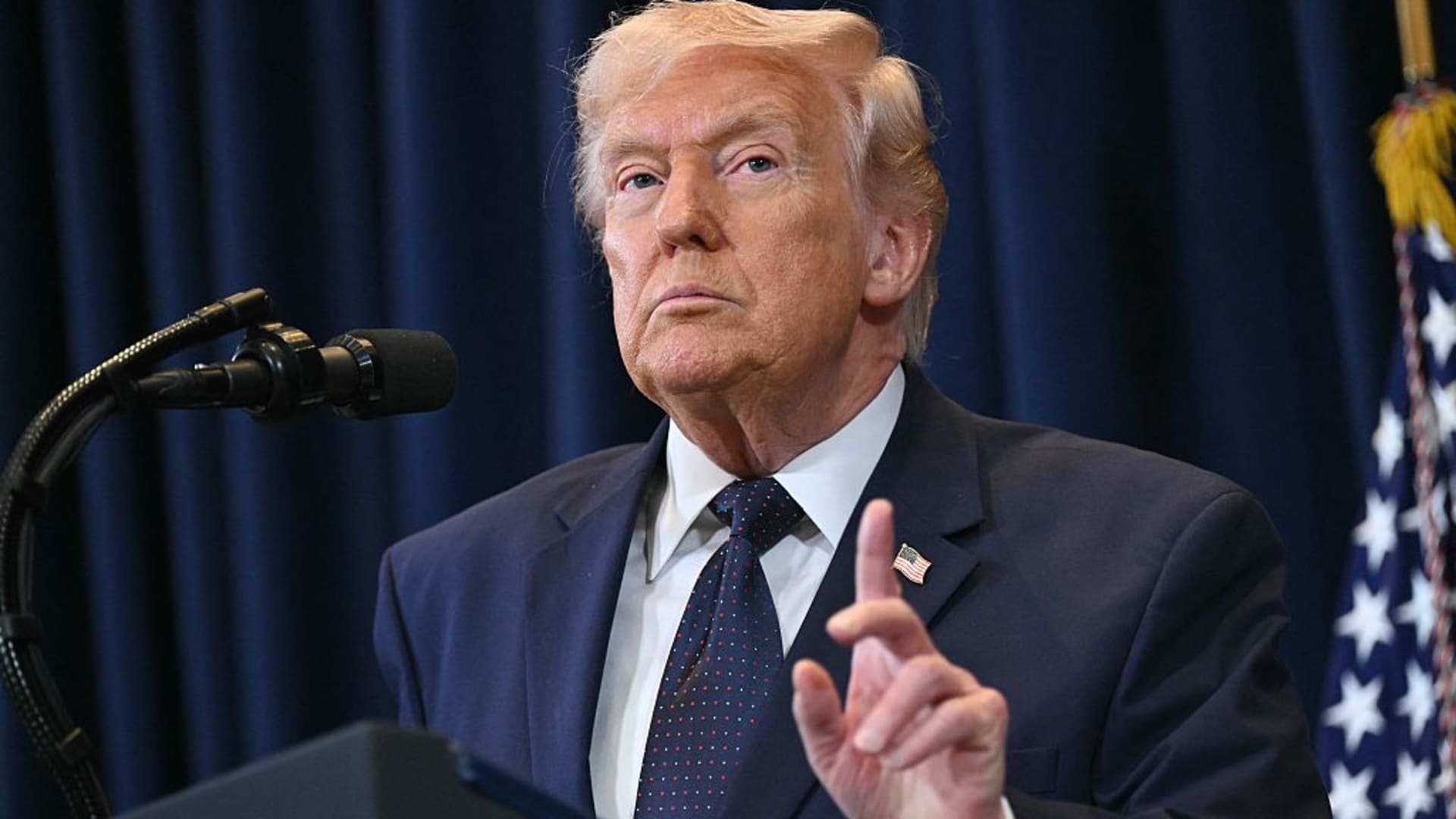
Trump Hints at Imminent End to U.S.-Iran War, Boosting Market Confidence


- Market Recovery: Following President Trump's indication that the U.S.-Iran war could soon end, the Dow Jones Industrial Average rose over 230 points, marking a more than 1,100-point rebound from session lows, reflecting a restoration of investor confidence.
- Oil Price Volatility: Despite the boost in market confidence from Trump's remarks, U.S. crude oil prices closed lower after surging above $100 per barrel, indicating ongoing concerns about the oil supply disruption.
- New Investment Opportunities: Billionaire investor Bill Ackman's hedge fund, Pershing Square, has filed to list on the New York Stock Exchange, with $2.8 billion in secured commitments expected, enhancing public confidence in its investment platform.
- Economic Outlook Warning: Rising oil prices and a weak jobs report have led economists to warn of potential stagflation in the U.S., with prediction markets showing recession odds rising above 34%, reflecting growing concerns about future economic growth.
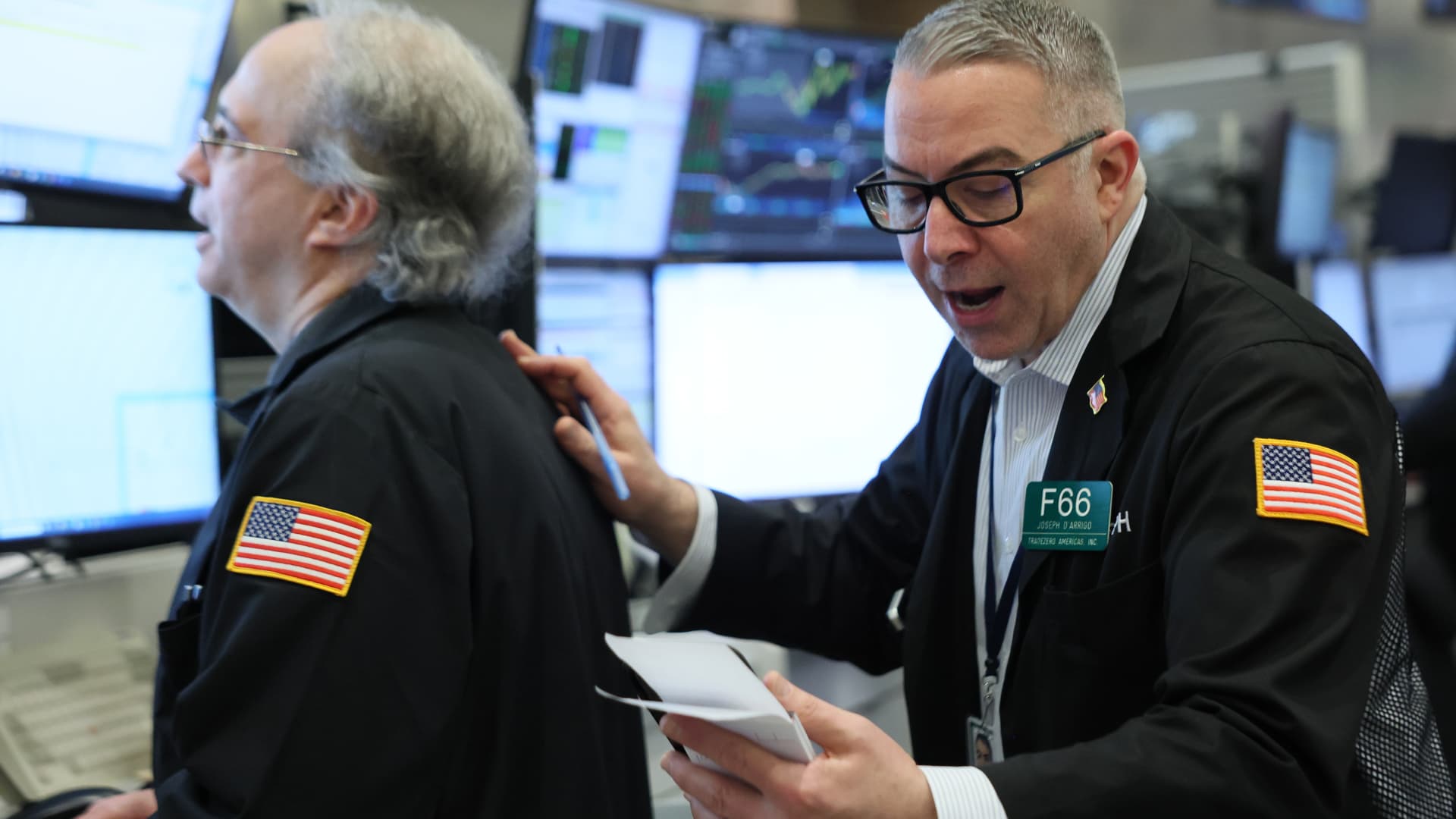
U.S. Treasury Yields Decline as Oil Prices Plummet


- Treasury Yield Changes: U.S. Treasury yields fell as the 10-year yield dropped nearly 2 basis points to 4.117%, the 30-year bond yield decreased to 4.734%, and the 2-year note yield declined by almost 3 basis points to 3.563%, reflecting market uncertainty about future economic conditions.
- Oil Price Fluctuations: President Trump warned that Iran would face 'TWENTY TIMES HARDER' consequences if it attempted to halt shipments through the Strait of Hormuz, causing market panic and leading to a temporary 10% drop in oil prices.
- G7 Emergency Meeting: G7 energy ministers are set to meet virtually to discuss a potential release of emergency oil reserves to address supply disruptions caused by the Iran conflict, with previous finance ministers' discussions deemed 'positive' despite no concrete decisions made.
- Role of IEA: The International Energy Agency's Executive Director participated in the G7 finance ministers' meeting to discuss the global economic outlook and the intensifying Middle East conflict, noting that IEA member countries hold over 1.2 billion barrels of public emergency oil stocks that could be released to alleviate supply pressures.
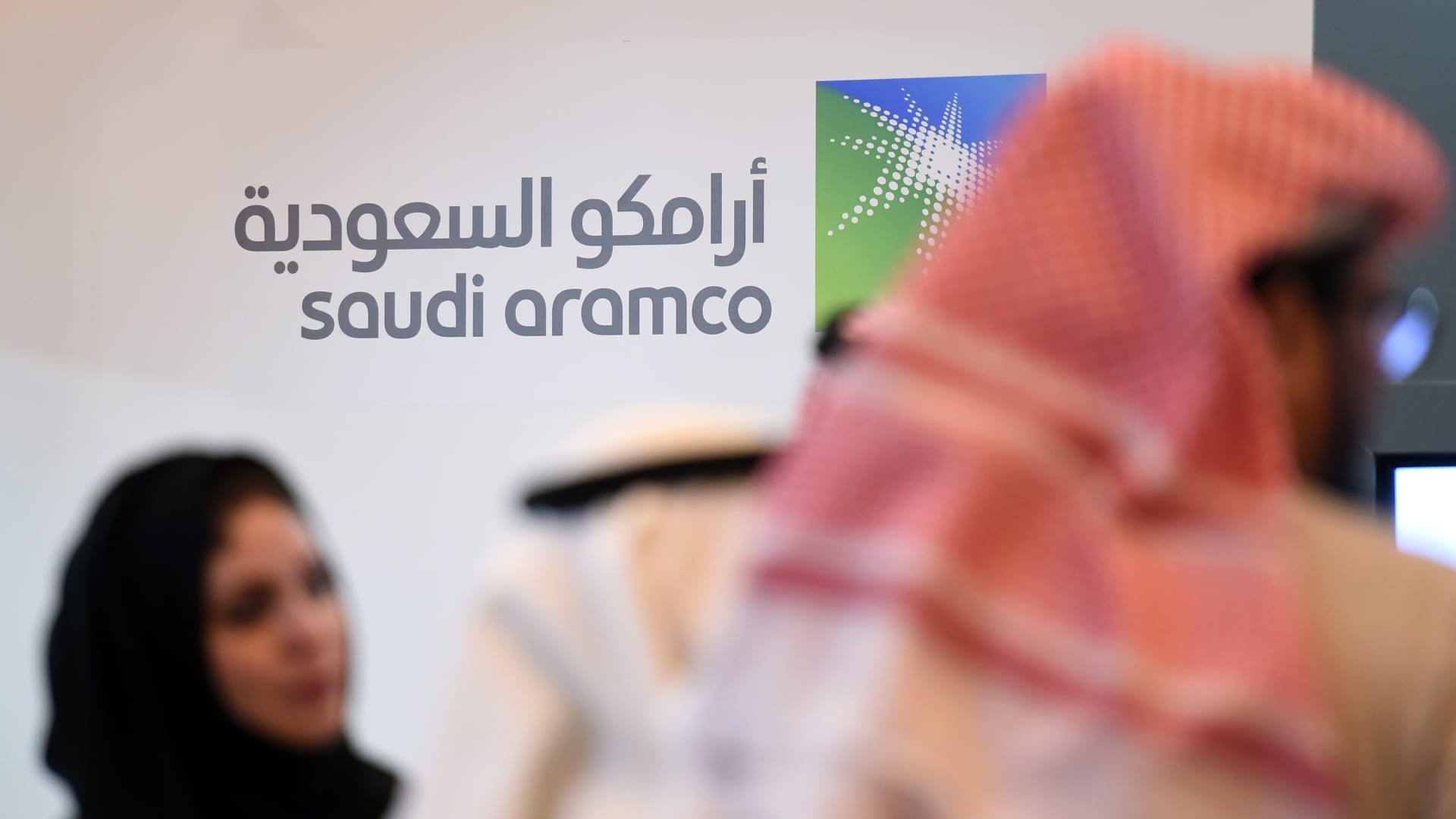
Saudi Aramco Reports 2025 Earnings Exceeding Expectations
- Strong Earnings Performance: Saudi Aramco reported an adjusted net income of $104.7 billion for 2025, which the company described as 'robust growth' despite oil price volatility, demonstrating resilience in an uncertain market.
- Quarterly Profit Exceeds Expectations: The fourth-quarter adjusted profit was $25.1 billion, slightly above the company's expected $24.8 billion, indicating sustained profitability amid rising oil prices.
- Cash Flow and Dividends: The company generated $85.4 billion in free cash flow for the year, with total shareholder distributions reaching $85.5 billion, reflecting a strong cash generation capability despite easing crude prices.
- Share Buyback Program: Aramco announced a share buyback program of up to $3 billion over 18 months, further enhancing shareholder value, while its stock price surged due to rising oil prices amid escalating tensions in the Middle East.
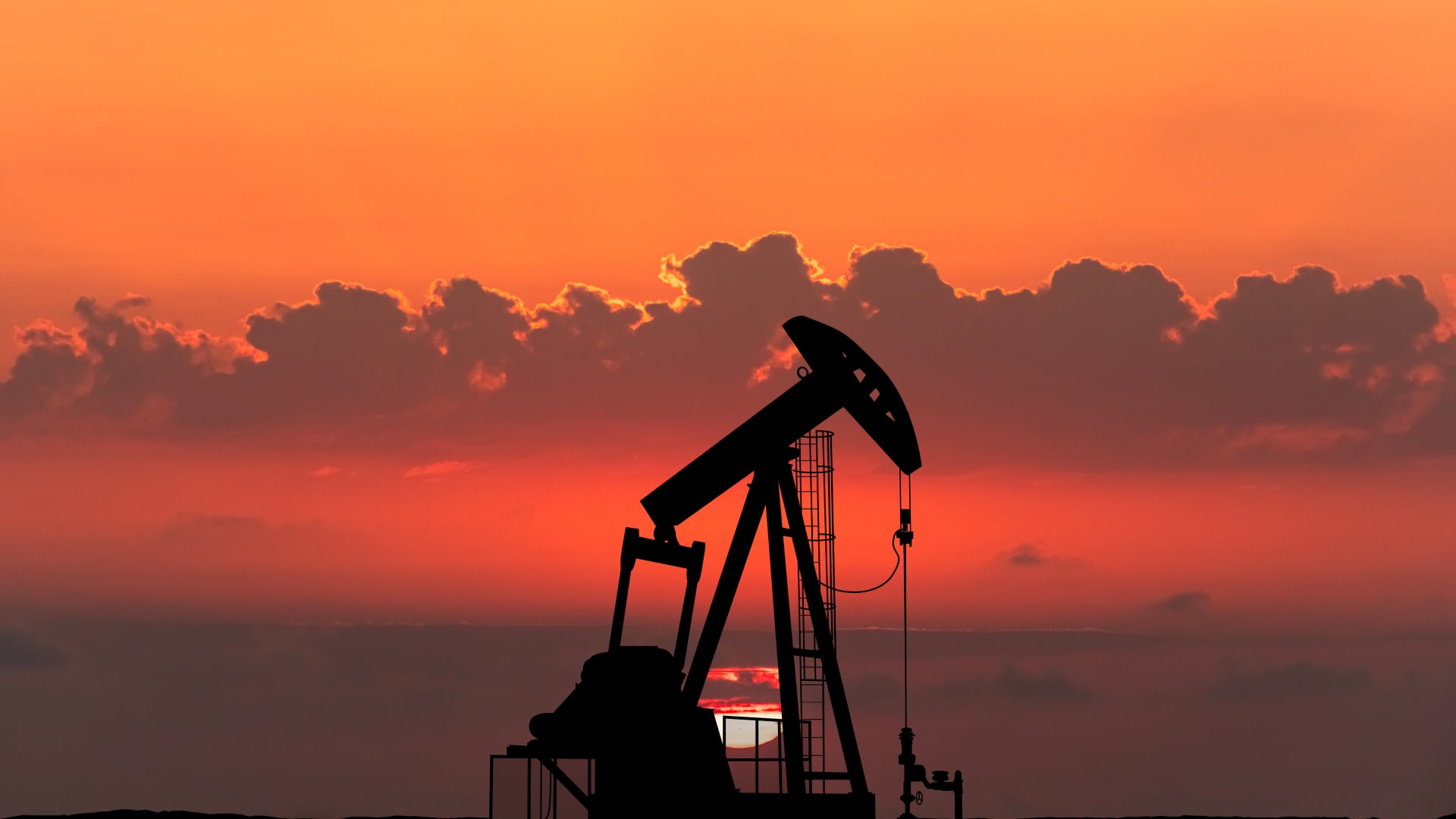
Oil Prices Surge and Plunge Amid U.S.-Iran Tensions
- Oil Price Volatility: Oil prices surged about 20% on Monday due to ongoing U.S.-Israeli tensions with Iran, but plummeted 10% on Tuesday after President Trump warned of severe repercussions for Iran, indicating market fears of prolonged energy supply disruptions.
- Brent Crude Prices: International Brent crude fell nearly 11% to $88.36 per barrel by Monday evening, while U.S. crude dropped to $85.17 per barrel, reflecting the market's sensitive response to geopolitical risks.
- Strait of Hormuz Significance: The Strait of Hormuz is a vital transit route for global energy markets, with approximately 13 million barrels passing through in 2025, accounting for about 31% of global seaborne oil flows, making its security crucial for oil prices.
- Market Optimism: Despite the volatility, the market remains optimistic following Trump's comments that the conflict will end soon and oil prices will drop, with analysts suggesting that such verbal interventions could influence market expectations.
Asia-Pacific Markets Rebound as Oil Prices Fall
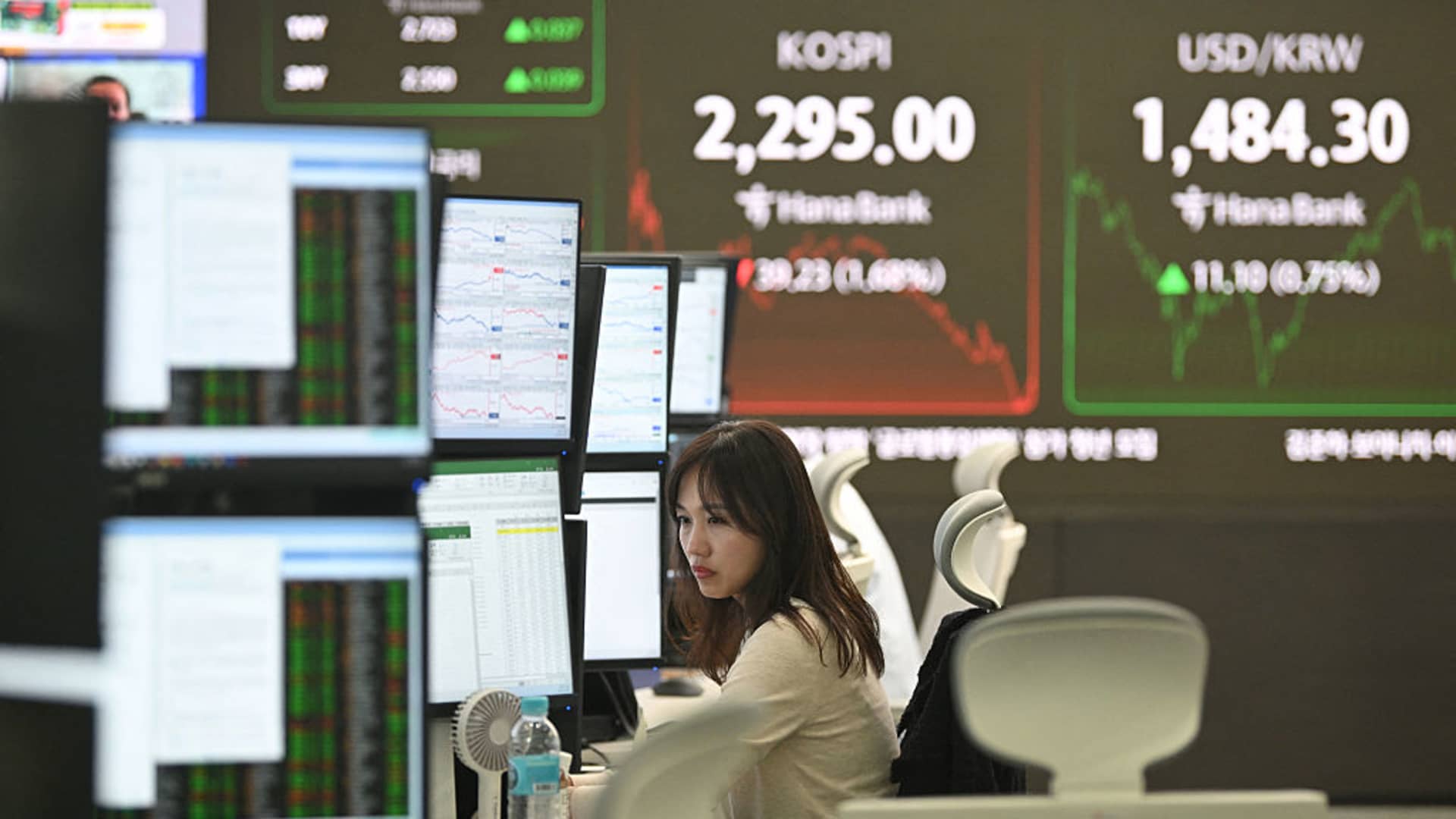
- Market Rebound: Asia-Pacific markets are set to rise at open on Tuesday, with Australia's S&P/ASX 200 up 1.55% in early trade, indicating a strong rebound from Monday's rout and suggesting improved investor sentiment.
- Japanese Stocks Recovery: Japan's Nikkei 225 futures are at 54,575, up from the previous close of 52,728.72, reflecting a positive response to the recovery in U.S. stocks, which may attract more investors into the market.
- Oil Price Decline: Oil prices fell by 6.49% to $88.66 per barrel as Trump considers seizing control of the Strait of Hormuz, which could alleviate global inflationary pressures and impact earnings expectations in related sectors.
- U.S. Stock Market Bounce: U.S. stocks rebounded after significant declines, with the S&P 500 rising 0.83% to 6,795.99, demonstrating market resilience and potentially generating positive spillover effects for the Asia-Pacific markets.
Oil Price Surge Drives Significant Stock Movements
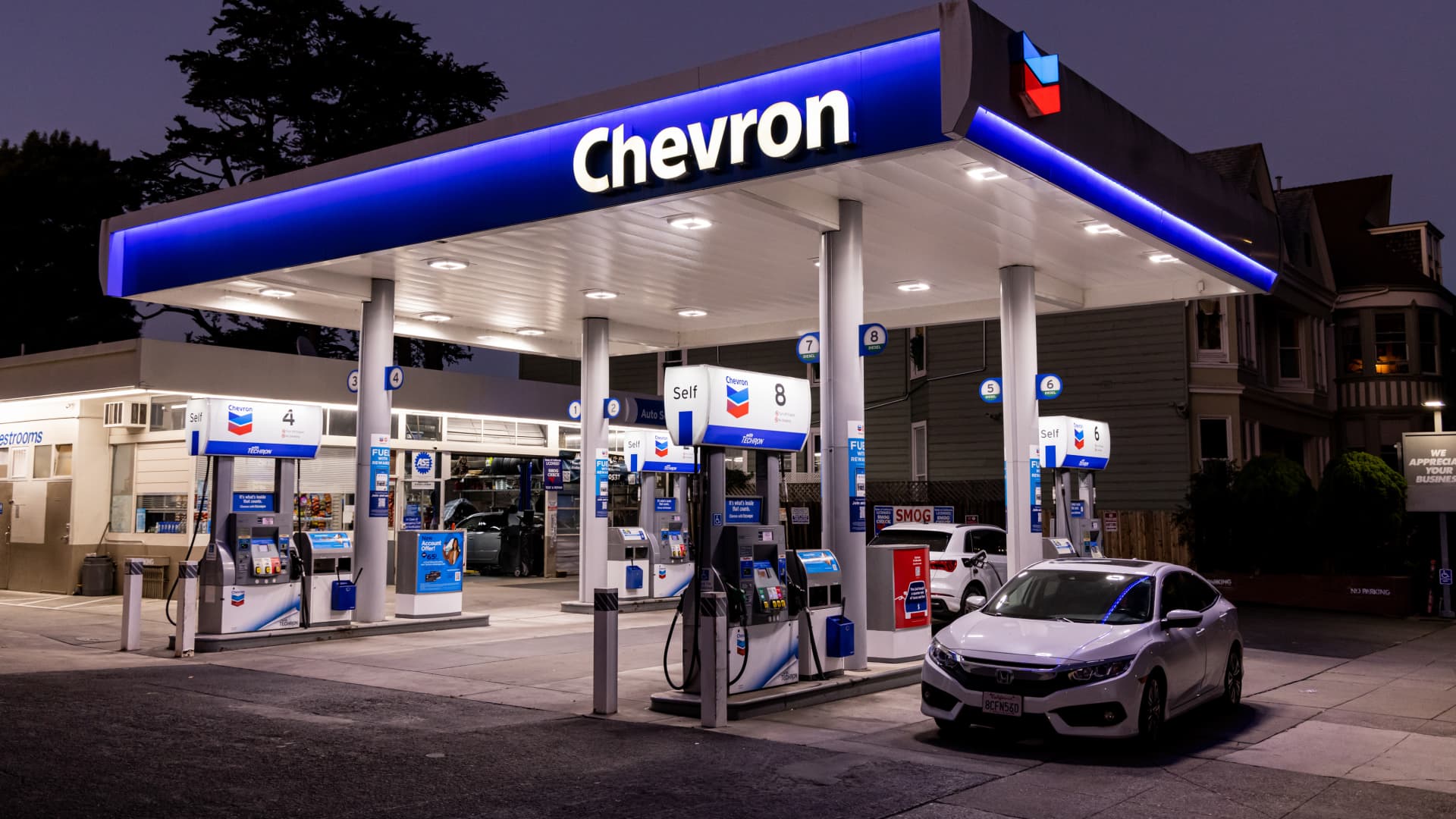
- Oil Price Impact: Oil prices surged past $110 per barrel due to the ongoing Iran conflict, leading Chevron to hit an all-time high, while Talos Energy rose by 5%, and ConocoPhillips and Northern Oil gained 2% and 3% respectively, indicating strong performance among oil companies in a high-price environment.
- Hims & Hers Health Surge: The company's stock soared 39% after striking a deal with Novo Nordisk to sell its weight-loss drug, resolving a lawsuit over a copycat version, which is expected to significantly enhance its market share and brand reputation.
- Live Nation Settlement Near: Live Nation's shares rose 6% as it nears a settlement with the Department of Justice regarding monopoly allegations in the live concert industry, which, if successful, will stabilize and expand its future business operations.
- United Therapeutics Buyback Plan: The pharmaceutical company's shares increased by over 8% after its board authorized a $2 billion stock repurchase plan, with $1.5 billion allocated for accelerated buybacks, which is expected to boost investor confidence and enhance shareholder value.
Trump Hints at Imminent End to U.S.-Iran War, Boosting Market Confidence
- Market Recovery: Following President Trump's indication that the U.S.-Iran war could soon end, the Dow Jones Industrial Average rose over 230 points, marking a more than 1,100-point rebound from session lows, reflecting a restoration of investor confidence.
- Oil Price Volatility: Despite the boost in market confidence from Trump's remarks, U.S. crude oil prices closed lower after surging above $100 per barrel, indicating ongoing concerns about the oil supply disruption.
- New Investment Opportunities: Billionaire investor Bill Ackman's hedge fund, Pershing Square, has filed to list on the New York Stock Exchange, with $2.8 billion in secured commitments expected, enhancing public confidence in its investment platform.
- Economic Outlook Warning: Rising oil prices and a weak jobs report have led economists to warn of potential stagflation in the U.S., with prediction markets showing recession odds rising above 34%, reflecting growing concerns about future economic growth.
U.S. Treasury Yields Decline as Oil Prices Plummet
- Treasury Yield Changes: U.S. Treasury yields fell as the 10-year yield dropped nearly 2 basis points to 4.117%, the 30-year bond yield decreased to 4.734%, and the 2-year note yield declined by almost 3 basis points to 3.563%, reflecting market uncertainty about future economic conditions.
- Oil Price Fluctuations: President Trump warned that Iran would face 'TWENTY TIMES HARDER' consequences if it attempted to halt shipments through the Strait of Hormuz, causing market panic and leading to a temporary 10% drop in oil prices.
- G7 Emergency Meeting: G7 energy ministers are set to meet virtually to discuss a potential release of emergency oil reserves to address supply disruptions caused by the Iran conflict, with previous finance ministers' discussions deemed 'positive' despite no concrete decisions made.
- Role of IEA: The International Energy Agency's Executive Director participated in the G7 finance ministers' meeting to discuss the global economic outlook and the intensifying Middle East conflict, noting that IEA member countries hold over 1.2 billion barrels of public emergency oil stocks that could be released to alleviate supply pressures.
Saudi Aramco Reports 2025 Earnings Exceeding Expectations
- Strong Earnings Performance: Saudi Aramco reported an adjusted net income of $104.7 billion for 2025, which the company described as 'robust growth' despite oil price volatility, demonstrating resilience in an uncertain market.
- Quarterly Profit Exceeds Expectations: The fourth-quarter adjusted profit was $25.1 billion, slightly above the company's expected $24.8 billion, indicating sustained profitability amid rising oil prices.
- Cash Flow and Dividends: The company generated $85.4 billion in free cash flow for the year, with total shareholder distributions reaching $85.5 billion, reflecting a strong cash generation capability despite easing crude prices.
- Share Buyback Program: Aramco announced a share buyback program of up to $3 billion over 18 months, further enhancing shareholder value, while its stock price surged due to rising oil prices amid escalating tensions in the Middle East.
Oil Prices Surge and Plunge Amid U.S.-Iran Tensions
- Oil Price Volatility: Oil prices surged about 20% on Monday due to ongoing U.S.-Israeli tensions with Iran, but plummeted 10% on Tuesday after President Trump warned of severe repercussions for Iran, indicating market fears of prolonged energy supply disruptions.
- Brent Crude Prices: International Brent crude fell nearly 11% to $88.36 per barrel by Monday evening, while U.S. crude dropped to $85.17 per barrel, reflecting the market's sensitive response to geopolitical risks.
- Strait of Hormuz Significance: The Strait of Hormuz is a vital transit route for global energy markets, with approximately 13 million barrels passing through in 2025, accounting for about 31% of global seaborne oil flows, making its security crucial for oil prices.
- Market Optimism: Despite the volatility, the market remains optimistic following Trump's comments that the conflict will end soon and oil prices will drop, with analysts suggesting that such verbal interventions could influence market expectations.
Asia-Pacific Markets Rebound as Oil Prices Fall
- Market Rebound: Asia-Pacific markets are set to rise at open on Tuesday, with Australia's S&P/ASX 200 up 1.55% in early trade, indicating a strong rebound from Monday's rout and suggesting improved investor sentiment.
- Japanese Stocks Recovery: Japan's Nikkei 225 futures are at 54,575, up from the previous close of 52,728.72, reflecting a positive response to the recovery in U.S. stocks, which may attract more investors into the market.
- Oil Price Decline: Oil prices fell by 6.49% to $88.66 per barrel as Trump considers seizing control of the Strait of Hormuz, which could alleviate global inflationary pressures and impact earnings expectations in related sectors.
- U.S. Stock Market Bounce: U.S. stocks rebounded after significant declines, with the S&P 500 rising 0.83% to 6,795.99, demonstrating market resilience and potentially generating positive spillover effects for the Asia-Pacific markets.
Oil Price Surge Drives Significant Stock Movements
- Oil Price Impact: Oil prices surged past $110 per barrel due to the ongoing Iran conflict, leading Chevron to hit an all-time high, while Talos Energy rose by 5%, and ConocoPhillips and Northern Oil gained 2% and 3% respectively, indicating strong performance among oil companies in a high-price environment.
- Hims & Hers Health Surge: The company's stock soared 39% after striking a deal with Novo Nordisk to sell its weight-loss drug, resolving a lawsuit over a copycat version, which is expected to significantly enhance its market share and brand reputation.
- Live Nation Settlement Near: Live Nation's shares rose 6% as it nears a settlement with the Department of Justice regarding monopoly allegations in the live concert industry, which, if successful, will stabilize and expand its future business operations.
- United Therapeutics Buyback Plan: The pharmaceutical company's shares increased by over 8% after its board authorized a $2 billion stock repurchase plan, with $1.5 billion allocated for accelerated buybacks, which is expected to boost investor confidence and enhance shareholder value.