Halliburton stock rises amid optimism for U.S. oil investments in Venezuela

Halliburton Co's stock surged by 11.05% in pre-market trading, reaching a 52-week high. This increase reflects a positive market reaction to recent developments in U.S. oil policy regarding Venezuela, where former President Trump has urged American oil companies to invest billions in restoring the country's oil infrastructure.
The surge in Halliburton's stock is attributed to the optimism surrounding U.S. oil companies' potential investments in Venezuela's oil sector, which could significantly enhance the demand for oilfield services. This sentiment is further supported by Chevron's stock rise of 10.36%, indicating a broader market enthusiasm for energy sector growth amid changing U.S. sanctions.
As the situation evolves, Halliburton stands to benefit from increased service demand if U.S. sanctions are lifted, allowing the company to regain drilling licenses and expand its operations in Venezuela. Investors are closely monitoring these developments, as they could lead to substantial growth opportunities for Halliburton in the coming months.
Trade with 70% Backtested Accuracy
Analyst Views on HAL

About HAL
About the author


Middle East Conflict Escalates Turmoil in Asia-Pacific Markets


- Escalating Middle East Tensions: As the conflict in the Middle East enters its fifth week, President Trump escalates threats to destroy Iran's electricity and oil facilities if the Strait of Hormuz remains closed, heightening market anxiety and diminishing investor confidence in Asia-Pacific markets.
- Surging Oil Prices: West Texas Intermediate crude prices rose over 3% to settle just below $103 per barrel, while Brent crude futures climbed to $112.78, marking the highest levels since 2022, reflecting concerns over potential supply disruptions.
- Declining Asia-Pacific Markets: Australia's S&P/ASX 200 index fell 0.30% in early trading, with Japan's Nikkei 225 and Hong Kong's Hang Seng index futures also indicating downward trends, suggesting a pessimistic outlook among investors regarding future market performance.
- Divergent U.S. Stock Performance: While the S&P 500 and Nasdaq Composite fell by 0.39% and 0.73% respectively, the Dow Jones Industrial Average managed a slight gain of 0.11%, indicating varied investor reactions across different sectors amidst ongoing uncertainty.
Houthi Missile Strike on Israel Drives Oil Prices Higher


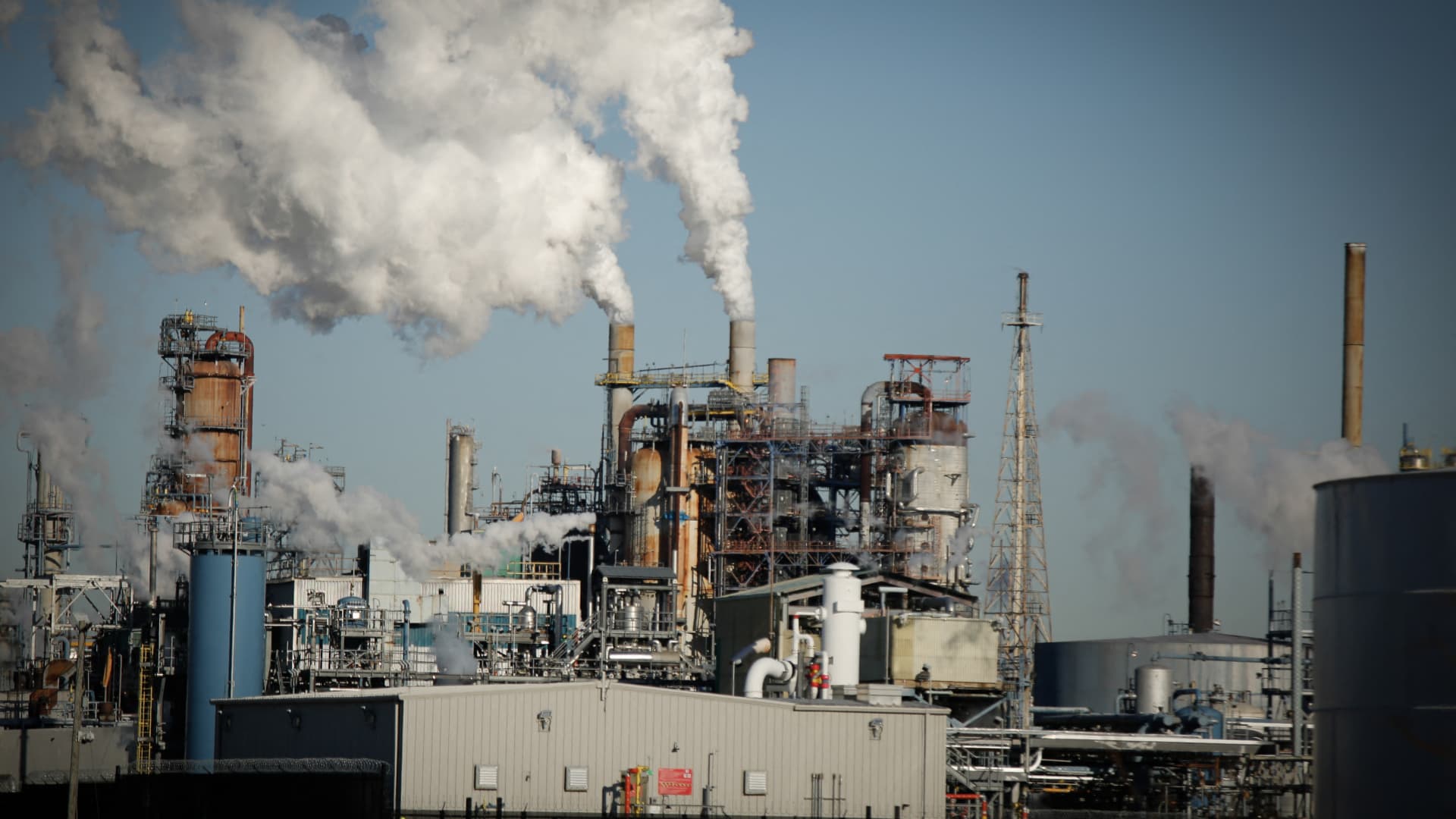
- Oil Price Surge: Following the Houthi missile strike on Israel, Brent crude futures rose by 2.92% to $115.86 per barrel, while WTI futures increased by 3.20% to $102.80 per barrel, indicating a market response to heightened geopolitical risks.
- Conflict Escalation: The Houthis' direct involvement in the U.S.-Israel war against Iran marks a significant escalation, as they targeted sensitive Israeli military sites, potentially leading to increased expectations for oil prices since the conflict began on February 28.
- Market Sentiment: Ed Yardeni of Yardeni Research noted that global equities are beginning to reflect a

US Stocks Plunge as Oil Prices Surge Amid Iran Conflict


- Market Decline: The S&P 500 index fell by 1.67%, marking a 7-month low, while the Nasdaq 100 and Dow Jones Industrial Average dropped by 1.93% and 1.73%, respectively, indicating heightened concerns over economic slowdown.
- Oil Price Surge: WTI crude oil prices surged over 5% due to fears surrounding the Iran conflict, which not only exacerbates inflation expectations but may also compel the Federal Reserve to tighten monetary policy, impacting overall economic growth.
- Consumer Sentiment Drop: The University of Michigan's consumer sentiment index was revised down to 53.3 from 55.5, below the expected 54.0, reflecting a pessimistic outlook among consumers regarding future economic conditions, potentially suppressing consumer spending.
- Escalating US-China Trade Tensions: China launched investigations into US trade practices targeting restrictions on Chinese goods, which could further disrupt global supply chains and increase market uncertainty.

Rising Oil Prices Pressure Stock Market Performance


- Oil Prices Surge: The ongoing rise in oil prices due to the Iran war has pressured the stock market, with the Nasdaq down 2.15%, the Dow Jones Industrial Average falling 1.73%, and the S&P 500 declining 1.67%, marking the fifth consecutive week of losses and reflecting a pessimistic outlook among investors.
- Shift in Investor Preference: As tech stocks struggle, investors are increasingly favoring oil and consumer goods stocks; Cramer noted that despite the poor performance of tech stocks like Nvidia, oil stocks remain strong, indicating sustained confidence in the energy sector.
- Market Outlook Ahead: Cramer highlighted that the upcoming week will be driven by developments in the Iran war, particularly the tense situation in the Strait of Hormuz, which could lead to further increases in oil prices and exacerbate downward pressure on stocks.
- Economic Data Impact: The forthcoming jobs report and earnings from Conagra Brands will provide crucial signals about economic health, with Cramer suggesting that weak economic data could prompt the Federal Reserve to consider rate cuts, thereby influencing market sentiment.
Halliburton Stock Hits Two-Year High as Analysts Remain Bullish
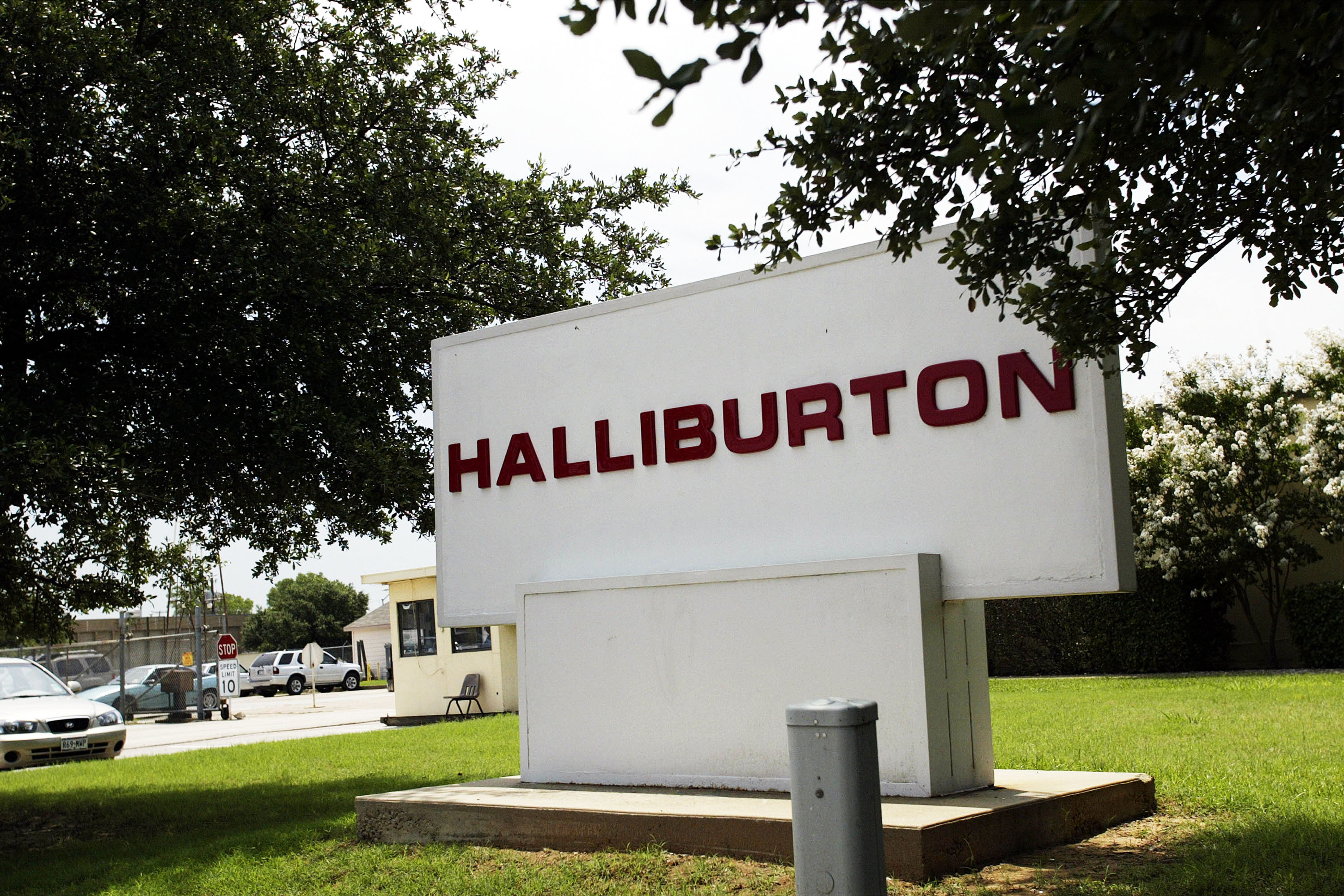
- Stock Surge: Halliburton (HAL) shares rose 3.7% to a peak of $40.36, marking the highest level in nearly two years, reflecting market optimism about its future performance.
- Analyst Rating Upgrade: J.P. Morgan reiterated its Overweight rating on Halliburton, raising the price target from $35 to $40, indicating confidence in the company's Q1 performance despite tensions in the Middle East.
- Stable Earnings Outlook: While analysts expect potential impacts from the Middle East conflict and adverse winter weather on Q1 results, Halliburton's guidance remains optimistic, with revenue and profit projections aligning with Wall Street estimates.
- Competitor Performance Comparison: In contrast to Halliburton, primary competitor Schlumberger (SLB) pre-announced a Q1 EPS shortfall of $0.06 to $0.09, further highlighting Halliburton's relative strength in the current market environment.

US Stocks Decline as Oil Prices Surge Amid Iran Conflict
- Market Sentiment Declines: The S&P 500 and Nasdaq 100 fell by 0.79% and 1.12%, respectively, reaching 6.75-month lows, reflecting investor concerns about the global economic outlook amid escalating tensions in Iran.
- Rising Inflation Expectations: The University of Michigan's consumer sentiment index was revised down to 53.3 from 55.5, below expectations, while 1-year inflation expectations increased to 3.8%, indicating market fears of rising prices that could prompt the Fed to tighten monetary policy.
- Surging Energy Prices: Crude oil prices rose over 3% due to disruptions in global oil supply caused by the Iran conflict, with the IEA warning that the war could cut global oil supply by 8 million barrels per day, exacerbating inflationary pressures.
- US-China Trade Tensions: China launched investigations into US trade practices in retaliation for similar probes by the Trump administration, potentially impacting global supply chains and increasing market uncertainty, further undermining investor confidence.
Middle East Conflict Escalates Turmoil in Asia-Pacific Markets
- Escalating Middle East Tensions: As the conflict in the Middle East enters its fifth week, President Trump escalates threats to destroy Iran's electricity and oil facilities if the Strait of Hormuz remains closed, heightening market anxiety and diminishing investor confidence in Asia-Pacific markets.
- Surging Oil Prices: West Texas Intermediate crude prices rose over 3% to settle just below $103 per barrel, while Brent crude futures climbed to $112.78, marking the highest levels since 2022, reflecting concerns over potential supply disruptions.
- Declining Asia-Pacific Markets: Australia's S&P/ASX 200 index fell 0.30% in early trading, with Japan's Nikkei 225 and Hong Kong's Hang Seng index futures also indicating downward trends, suggesting a pessimistic outlook among investors regarding future market performance.
- Divergent U.S. Stock Performance: While the S&P 500 and Nasdaq Composite fell by 0.39% and 0.73% respectively, the Dow Jones Industrial Average managed a slight gain of 0.11%, indicating varied investor reactions across different sectors amidst ongoing uncertainty.
Houthi Missile Strike on Israel Drives Oil Prices Higher
- Oil Price Surge: Following the Houthi missile strike on Israel, Brent crude futures rose by 2.92% to $115.86 per barrel, while WTI futures increased by 3.20% to $102.80 per barrel, indicating a market response to heightened geopolitical risks.
- Conflict Escalation: The Houthis' direct involvement in the U.S.-Israel war against Iran marks a significant escalation, as they targeted sensitive Israeli military sites, potentially leading to increased expectations for oil prices since the conflict began on February 28.
- Market Sentiment: Ed Yardeni of Yardeni Research noted that global equities are beginning to reflect a
US Stocks Plunge as Oil Prices Surge Amid Iran Conflict
- Market Decline: The S&P 500 index fell by 1.67%, marking a 7-month low, while the Nasdaq 100 and Dow Jones Industrial Average dropped by 1.93% and 1.73%, respectively, indicating heightened concerns over economic slowdown.
- Oil Price Surge: WTI crude oil prices surged over 5% due to fears surrounding the Iran conflict, which not only exacerbates inflation expectations but may also compel the Federal Reserve to tighten monetary policy, impacting overall economic growth.
- Consumer Sentiment Drop: The University of Michigan's consumer sentiment index was revised down to 53.3 from 55.5, below the expected 54.0, reflecting a pessimistic outlook among consumers regarding future economic conditions, potentially suppressing consumer spending.
- Escalating US-China Trade Tensions: China launched investigations into US trade practices targeting restrictions on Chinese goods, which could further disrupt global supply chains and increase market uncertainty.
Rising Oil Prices Pressure Stock Market Performance
- Oil Prices Surge: The ongoing rise in oil prices due to the Iran war has pressured the stock market, with the Nasdaq down 2.15%, the Dow Jones Industrial Average falling 1.73%, and the S&P 500 declining 1.67%, marking the fifth consecutive week of losses and reflecting a pessimistic outlook among investors.
- Shift in Investor Preference: As tech stocks struggle, investors are increasingly favoring oil and consumer goods stocks; Cramer noted that despite the poor performance of tech stocks like Nvidia, oil stocks remain strong, indicating sustained confidence in the energy sector.
- Market Outlook Ahead: Cramer highlighted that the upcoming week will be driven by developments in the Iran war, particularly the tense situation in the Strait of Hormuz, which could lead to further increases in oil prices and exacerbate downward pressure on stocks.
- Economic Data Impact: The forthcoming jobs report and earnings from Conagra Brands will provide crucial signals about economic health, with Cramer suggesting that weak economic data could prompt the Federal Reserve to consider rate cuts, thereby influencing market sentiment.
Halliburton Stock Hits Two-Year High as Analysts Remain Bullish
- Stock Surge: Halliburton (HAL) shares rose 3.7% to a peak of $40.36, marking the highest level in nearly two years, reflecting market optimism about its future performance.
- Analyst Rating Upgrade: J.P. Morgan reiterated its Overweight rating on Halliburton, raising the price target from $35 to $40, indicating confidence in the company's Q1 performance despite tensions in the Middle East.
- Stable Earnings Outlook: While analysts expect potential impacts from the Middle East conflict and adverse winter weather on Q1 results, Halliburton's guidance remains optimistic, with revenue and profit projections aligning with Wall Street estimates.
- Competitor Performance Comparison: In contrast to Halliburton, primary competitor Schlumberger (SLB) pre-announced a Q1 EPS shortfall of $0.06 to $0.09, further highlighting Halliburton's relative strength in the current market environment.
US Stocks Decline as Oil Prices Surge Amid Iran Conflict
- Market Sentiment Declines: The S&P 500 and Nasdaq 100 fell by 0.79% and 1.12%, respectively, reaching 6.75-month lows, reflecting investor concerns about the global economic outlook amid escalating tensions in Iran.
- Rising Inflation Expectations: The University of Michigan's consumer sentiment index was revised down to 53.3 from 55.5, below expectations, while 1-year inflation expectations increased to 3.8%, indicating market fears of rising prices that could prompt the Fed to tighten monetary policy.
- Surging Energy Prices: Crude oil prices rose over 3% due to disruptions in global oil supply caused by the Iran conflict, with the IEA warning that the war could cut global oil supply by 8 million barrels per day, exacerbating inflationary pressures.
- US-China Trade Tensions: China launched investigations into US trade practices in retaliation for similar probes by the Trump administration, potentially impacting global supply chains and increasing market uncertainty, further undermining investor confidence.