Eaton Increases Quarterly Dividend Amid Market Weakness
Eaton Corporation PLC's stock fell 5.01% and hit a 5-day low amid a broader market decline, with the Nasdaq-100 down 1.80% and the S&P 500 down 1.78%.
Despite the market weakness, Eaton's Board of Directors declared a quarterly dividend of $1.10 per share, representing a 6% increase over the previous quarter. This decision reflects the company's ongoing profitability and commitment to shareholder returns, enhancing investor confidence in its financial health. The dividend is payable on March 27, 2026, to shareholders of record as of March 10, 2026, showcasing Eaton's long-standing history of paying dividends since 1923.
This dividend increase signals Eaton's strong financial position and commitment to returning value to shareholders, even as the stock faces pressure from broader market trends. The company's focus on global business expansion and its role in electrification and digitalization trends further solidify its reputation in the market.
Trade with 70% Backtested Accuracy
Analyst Views on ETN

About ETN
About the author


Caterpillar and Eaton Excel in AI Infrastructure Performance

- Strong Performance: Caterpillar reported a record quarterly sales of $19.1 billion in its latest earnings release, with a backlog increasing 70% year-over-year to $51 billion, indicating robust market demand and solidifying its leadership in the data center sector.
- Power & Energy Growth: The Power & Energy segment of Caterpillar achieved sales of $9.4 billion, a 23% year-over-year increase, with power generation products seeing a remarkable 44% growth, reflecting strong demand for data center applications and pushing the stock near all-time highs.
- Cash Flow and Shareholder Returns: Caterpillar deployed $7.9 billion for share repurchases and dividends throughout FY25, showcasing its shareholder-friendly approach while maintaining its status as a Dividend Aristocrat, attracting income-focused investors.
- Eaton's Strong Results: Eaton's adjusted EPS reached $3.33 with quarterly sales hitting $7.1 billion, a 13% year-over-year increase, driven by strong demand for power solutions, boosting free cash flow by 17% to $1.6 billion, and despite not being a Dividend Aristocrat, it has paid dividends annually since 1923, demonstrating stability.

Market Dynamics: The Tug-of-War Between Bonds and Oil Prices


- Bond Market Stability: The slight decline in bond yields indicates a stable market outlook, which helps support the stock market, particularly amid oil price fluctuations, thereby reducing investor panic.
- Tech Stock Recovery: The so-called 'Magnificent Seven' tech companies, including Alphabet and Amazon, are beginning to reap benefits from their previous high expenditures, enhancing market confidence in their future profitability, which could drive further market gains.
- Rise of the AI Economy: The emergence of AI agents is expected to significantly reduce hiring and operational costs for enterprises, driving demand for chips like Nvidia's, which will further boost growth for related companies.
- Improved Investor Sentiment: Despite ongoing market uncertainties, the combination of low bond yields and strong performance from tech stocks fosters an optimistic outlook among investors, potentially attracting more capital into the stock market.
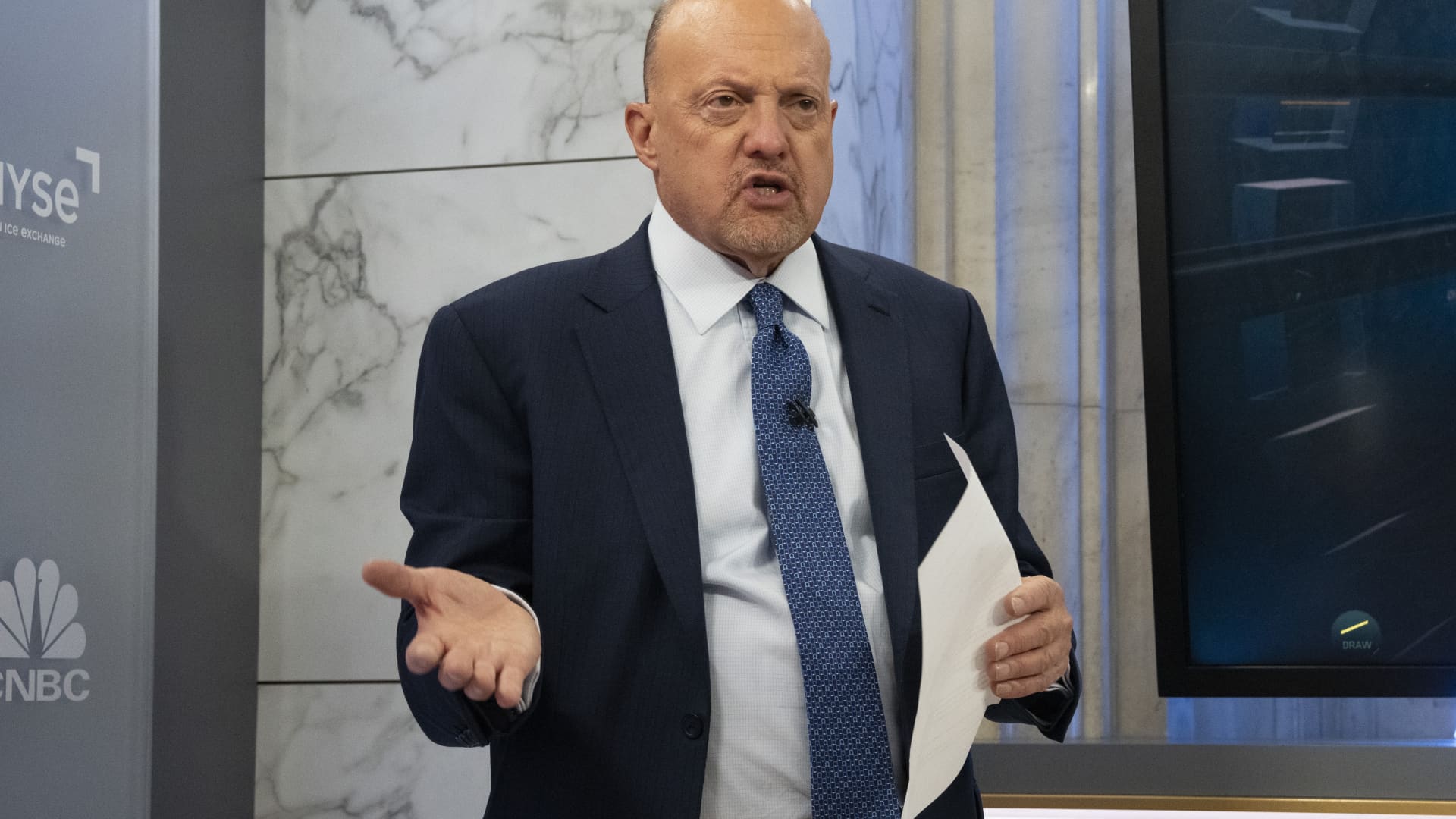
CNBC Investing Club April Meeting Highlights


- Market Rebound Analysis: The S&P 500 index reached a record high in April, marking a significant recovery from the Iran war sell-off, indicating a renewed focus on company fundamentals despite the ongoing conflict, which underscores the importance of investor calmness.
- Nike Investment Reflection: Despite insider buying signals prompting us to increase our stake in Nike last December, we are now skeptical about CEO Elliott Hill's ability to turn the company around, and if next quarter's performance is disappointing, we will consider exiting.
- Amazon Cloud Business Recovery: Amazon's stock rebound highlights the importance of patience, as the market is gradually recognizing the strength of its AWS cloud division and online retail business, which are expected to continue growing in the future.
- Nvidia Market Leadership: Nvidia's leading position in the AI chip sector is paying off, and despite competitive pressures, its advantage in computing power positions it well to maintain market leadership going forward.
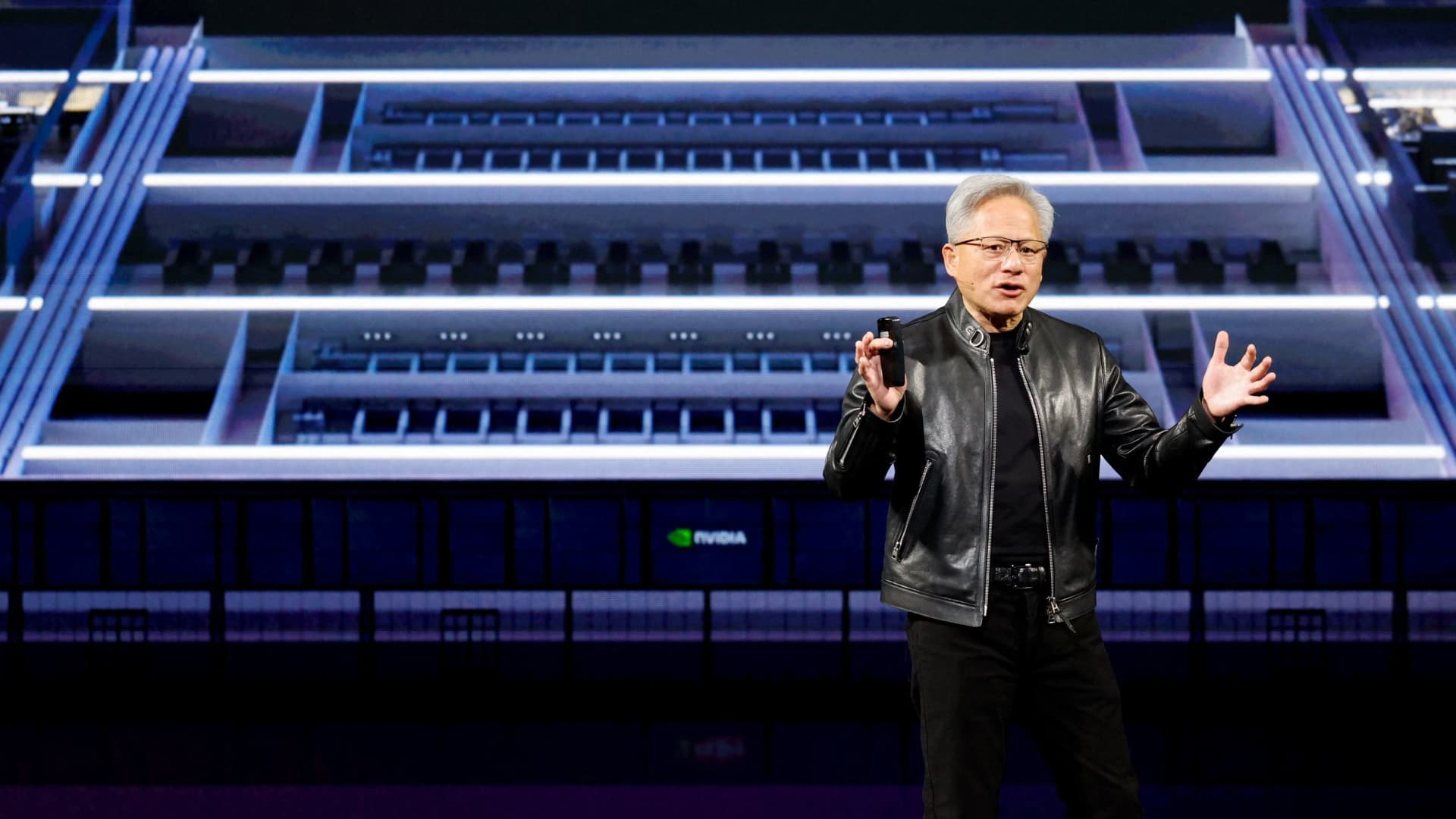
S&P 500 Hits New Yearly High as Tech Stocks Rally
- S&P 500 Performance: The S&P 500 reached a new intraday high on Wednesday, briefly surpassing 7,000 points, indicating a rebound from the Iran war sell-off, and needs to close above 6,978.6 to break its record closing high set on January 27.
- Tech Stock Strength: Major tech stocks like Apple, Meta, Broadcom, Tesla, and Microsoft propelled the index higher, while beaten-down enterprise software names such as Salesforce and ServiceNow extended their rebounds from multiyear lows, showcasing a robust recovery in the tech sector.
- Industrial Sector Pressure: The industrial sector was the worst performer in the S&P 500, with Barclays analyst highlighting that recent changes in Section 232 metal tariffs may have a larger-than-expected impact on the group, necessitating close monitoring of upcoming industrial earnings reports.
- CoreWeave Major Deal: CoreWeave announced a significant partnership with Jane Street, committing approximately $6 billion for access to next-generation computing capabilities, illustrating the broad impact of AI technology across various industries, with Nvidia's AI platform emerging as the technology of choice.

Lucid Appoints New CEO, Shares Rise 5%


- New CEO Appointment: Lucid has appointed Silvio Napoli, former chairman and CEO of Schindler Group, as its new CEO, marking a significant shift following the abrupt departure of founder Peter Rawlinson in February 2025, with Napoli expected to officially take over in the coming weeks.
- Increased Shareholder Investment: The company also announced a $750 million investment from the Saudi Public Investment Fund, which will support future growth plans, leading to a roughly 5% rise in shares during premarket trading, reflecting market confidence in the new leadership.
- Expanded Partnership with Uber: Uber will invest an additional $200 million in Lucid and has committed to purchasing at least 35,000 Lucid vehicles designed for its future global robotaxi service, significantly increasing from the previously announced 20,000 vehicles, showcasing Uber's trust and support for Lucid.
- Strategic Direction Change: Napoli's appointment is seen as a major strategic shift for Lucid, with his expertise in capital allocation and operational efficiency expected to be critical for the company's future plans involving midsize EVs and new autonomy initiatives, positioning Lucid for growth in the competitive electric vehicle market.
Market Faces Multiple Challenges and Opportunities


- Impact of Iran War: Since the onset of the Iran war, oil prices have doubled, and despite a significant drop following the two-week ceasefire news, the S&P 500 remains only 2.3% below its all-time high, indicating market resilience and adaptability to rising oil prices.
- Tech Stock Turmoil: Software stocks like ServiceNow and Salesforce have plummeted by 30% to 40% despite strong profitability due to fears of AI's impact, while hardware stocks have surged by 50% to 150%, reflecting a stark divergence in market sentiment towards the tech sector.
- Bond Market Stability: The 10-year Treasury yield peaked at 4.5% on March 27 before settling at 4.32%, with the low-rate environment providing support for the stock market, even as discussions about Federal Reserve policies remain prevalent.
- Bank Earnings Season: Goldman Sachs is set to report earnings, expected to showcase a stronger narrative than traditional banks, while Wells Fargo's performance may be influenced by market underestimations of its historical issues, potentially leading to more realistic expectations.
Caterpillar and Eaton Excel in AI Infrastructure Performance
- Strong Performance: Caterpillar reported a record quarterly sales of $19.1 billion in its latest earnings release, with a backlog increasing 70% year-over-year to $51 billion, indicating robust market demand and solidifying its leadership in the data center sector.
- Power & Energy Growth: The Power & Energy segment of Caterpillar achieved sales of $9.4 billion, a 23% year-over-year increase, with power generation products seeing a remarkable 44% growth, reflecting strong demand for data center applications and pushing the stock near all-time highs.
- Cash Flow and Shareholder Returns: Caterpillar deployed $7.9 billion for share repurchases and dividends throughout FY25, showcasing its shareholder-friendly approach while maintaining its status as a Dividend Aristocrat, attracting income-focused investors.
- Eaton's Strong Results: Eaton's adjusted EPS reached $3.33 with quarterly sales hitting $7.1 billion, a 13% year-over-year increase, driven by strong demand for power solutions, boosting free cash flow by 17% to $1.6 billion, and despite not being a Dividend Aristocrat, it has paid dividends annually since 1923, demonstrating stability.
Market Dynamics: The Tug-of-War Between Bonds and Oil Prices
- Bond Market Stability: The slight decline in bond yields indicates a stable market outlook, which helps support the stock market, particularly amid oil price fluctuations, thereby reducing investor panic.
- Tech Stock Recovery: The so-called 'Magnificent Seven' tech companies, including Alphabet and Amazon, are beginning to reap benefits from their previous high expenditures, enhancing market confidence in their future profitability, which could drive further market gains.
- Rise of the AI Economy: The emergence of AI agents is expected to significantly reduce hiring and operational costs for enterprises, driving demand for chips like Nvidia's, which will further boost growth for related companies.
- Improved Investor Sentiment: Despite ongoing market uncertainties, the combination of low bond yields and strong performance from tech stocks fosters an optimistic outlook among investors, potentially attracting more capital into the stock market.
CNBC Investing Club April Meeting Highlights
- Market Rebound Analysis: The S&P 500 index reached a record high in April, marking a significant recovery from the Iran war sell-off, indicating a renewed focus on company fundamentals despite the ongoing conflict, which underscores the importance of investor calmness.
- Nike Investment Reflection: Despite insider buying signals prompting us to increase our stake in Nike last December, we are now skeptical about CEO Elliott Hill's ability to turn the company around, and if next quarter's performance is disappointing, we will consider exiting.
- Amazon Cloud Business Recovery: Amazon's stock rebound highlights the importance of patience, as the market is gradually recognizing the strength of its AWS cloud division and online retail business, which are expected to continue growing in the future.
- Nvidia Market Leadership: Nvidia's leading position in the AI chip sector is paying off, and despite competitive pressures, its advantage in computing power positions it well to maintain market leadership going forward.
S&P 500 Hits New Yearly High as Tech Stocks Rally
- S&P 500 Performance: The S&P 500 reached a new intraday high on Wednesday, briefly surpassing 7,000 points, indicating a rebound from the Iran war sell-off, and needs to close above 6,978.6 to break its record closing high set on January 27.
- Tech Stock Strength: Major tech stocks like Apple, Meta, Broadcom, Tesla, and Microsoft propelled the index higher, while beaten-down enterprise software names such as Salesforce and ServiceNow extended their rebounds from multiyear lows, showcasing a robust recovery in the tech sector.
- Industrial Sector Pressure: The industrial sector was the worst performer in the S&P 500, with Barclays analyst highlighting that recent changes in Section 232 metal tariffs may have a larger-than-expected impact on the group, necessitating close monitoring of upcoming industrial earnings reports.
- CoreWeave Major Deal: CoreWeave announced a significant partnership with Jane Street, committing approximately $6 billion for access to next-generation computing capabilities, illustrating the broad impact of AI technology across various industries, with Nvidia's AI platform emerging as the technology of choice.
Lucid Appoints New CEO, Shares Rise 5%
- New CEO Appointment: Lucid has appointed Silvio Napoli, former chairman and CEO of Schindler Group, as its new CEO, marking a significant shift following the abrupt departure of founder Peter Rawlinson in February 2025, with Napoli expected to officially take over in the coming weeks.
- Increased Shareholder Investment: The company also announced a $750 million investment from the Saudi Public Investment Fund, which will support future growth plans, leading to a roughly 5% rise in shares during premarket trading, reflecting market confidence in the new leadership.
- Expanded Partnership with Uber: Uber will invest an additional $200 million in Lucid and has committed to purchasing at least 35,000 Lucid vehicles designed for its future global robotaxi service, significantly increasing from the previously announced 20,000 vehicles, showcasing Uber's trust and support for Lucid.
- Strategic Direction Change: Napoli's appointment is seen as a major strategic shift for Lucid, with his expertise in capital allocation and operational efficiency expected to be critical for the company's future plans involving midsize EVs and new autonomy initiatives, positioning Lucid for growth in the competitive electric vehicle market.
Market Faces Multiple Challenges and Opportunities
- Impact of Iran War: Since the onset of the Iran war, oil prices have doubled, and despite a significant drop following the two-week ceasefire news, the S&P 500 remains only 2.3% below its all-time high, indicating market resilience and adaptability to rising oil prices.
- Tech Stock Turmoil: Software stocks like ServiceNow and Salesforce have plummeted by 30% to 40% despite strong profitability due to fears of AI's impact, while hardware stocks have surged by 50% to 150%, reflecting a stark divergence in market sentiment towards the tech sector.
- Bond Market Stability: The 10-year Treasury yield peaked at 4.5% on March 27 before settling at 4.32%, with the low-rate environment providing support for the stock market, even as discussions about Federal Reserve policies remain prevalent.
- Bank Earnings Season: Goldman Sachs is set to report earnings, expected to showcase a stronger narrative than traditional banks, while Wells Fargo's performance may be influenced by market underestimations of its historical issues, potentially leading to more realistic expectations.