Dutch Bros Reports Strong Q1 Growth Amid Stock Decline
Dutch Bros Inc. saw its stock drop by 3.02% as it hit a 20-day low, despite positive market conditions with the Nasdaq-100 up 1.06% and the S&P 500 up 0.62%.
The company's recent Q1 earnings report revealed a 31% year-over-year sales increase and an earnings per share of $0.16, surpassing expectations. However, the stock fell 11% post-report due to concerns over its high valuation and future growth expectations, indicating a complex market reaction despite strong operational performance.
This decline highlights the sensitivity of investors to valuation metrics, even in the face of solid sales growth and expansion plans. Dutch Bros continues to pursue aggressive growth strategies, including opening new locations and enhancing brand visibility, which may support long-term performance.
Trade with 70% Backtested Accuracy
Analyst Views on BROS

About BROS
About the author

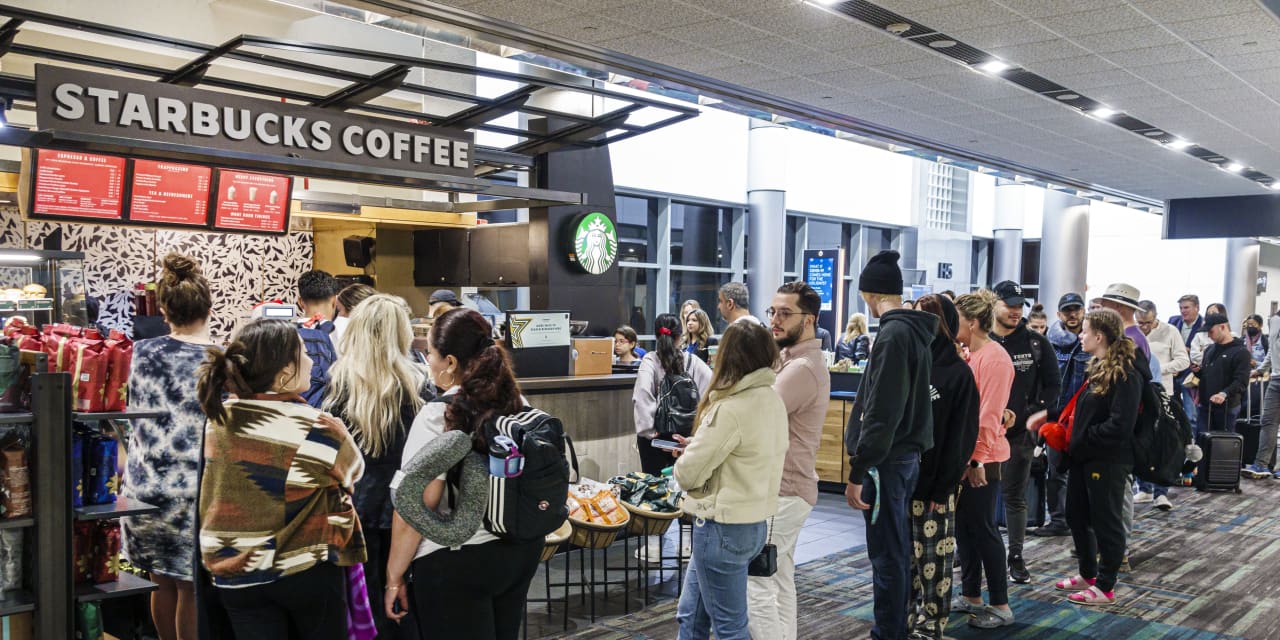
Investment Opportunities Amidst Volatility in Consumer Stocks


- Chipotle Growth Potential: Chipotle Mexican Grill plans to open 350 to 370 new restaurants in 2026, and despite facing sales forecast downgrades and stock price declines, it expects revenue to reach $16.1 billion by 2029, nearly double current levels, demonstrating resilience in its long-term growth trajectory.
- Ulta Sales Growth: Ulta Beauty reported a net sales increase of 11.1% to $3.16 billion in Q1 2026, exceeding analyst expectations, and subsequently raised its annual profit forecast, indicating strong execution capabilities in a competitive beauty market.
- Dutch Bros Market Advantage: Dutch Bros plans to open at least 181 new shops in 2026, and while the market remains cautious about its valuation, its 30% price increase since 2019 compared to Starbucks' 50% shows a genuine competitive edge in a price-sensitive market.
- Consumer Brand Expansion: Dutch Bros launched at-home coffee products in 2026, marking its transition from a regional drive-thru experience to a national consumer brand, further enhancing its market share and brand recognition.

Restaurant Giants Expand Amid Market Noise
- Chipotle Expansion Plans: Chipotle aims to open 350 to 370 new restaurants in 2026, with international expansion into South Korea, Singapore, and Mexico, projecting revenue of $16.1 billion by 2029, nearly double current levels, indicating strong long-term growth potential.
- Ulta Sales Growth: In Q1 2026, Ulta's net sales rose 11.1% to $3.16 billion, exceeding analyst expectations, driven by the launch of prestige beauty brands, with a forecast of 6% to 7% net sales growth in 2026, showcasing its competitive market position.
- Dutch Bros Market Positioning: Dutch Bros plans to open at least 181 new shops in 2026, with a long-term target of over 7,000 locations, leveraging a 30% price increase compared to Starbucks' 50%, gradually enhancing its market share.
- Consumer Product Expansion: In 2026, Dutch Bros launched at-home coffee products available through Amazon and Walmart, marking its transition from a regional drive-thru experience to a national consumer brand, thereby strengthening its market presence.

Dutch Bros Stock Rises 30%, Showcasing Growth Potential
- Significant Sales Growth: Dutch Bros achieved a 31% year-over-year sales increase in Q1 2026, with comparable sales up 8.3%, marking seven consecutive quarters of transaction growth, demonstrating its strong market adaptability and brand appeal amid inflation.
- Ambitious Expansion Plans: The company aims to operate 2,029 stores by 2029 and targets 7,000 stores in the long term, employing a 'cluster' strategy to quickly establish its brand in new regions, particularly achieving nearly 20% comps growth in Texas.
- Increased Market Recognition: Despite disappointing stock performance over the past year, Dutch Bros has seen a 30% stock price increase in the last month, indicating that the market is beginning to recognize its long-term growth opportunities, reflecting investor confidence in its future.
- Valuation Challenges: While the company shows strong growth potential, its current price-to-earnings ratio stands at 105 times, and despite the recent stock surge, investors should be cautious about entry points to avoid investing at inflated valuations.

Dutch Bros Reports Strong Growth and Expansion Plans Amid Inflation
- Significant Sales Growth: Dutch Bros reported a 31% year-over-year sales increase in Q1 2026, with comparable sales up 8.3%, achieving seven consecutive quarters of transaction growth, demonstrating strong market adaptability and brand appeal amid inflation.
- Ambitious Expansion Plans: The company aims to operate 2,029 stores by 2029 and has set a long-term goal of 7,000 stores, employing a 'cluster' strategy to quickly establish its brand in new regions, particularly evidenced by nearly 20% comps growth in Texas during Q1.
- Increased Market Recognition: Despite disappointing stock performance over the past year, Dutch Bros' stock has surged 30% in the past month as the market begins to recognize its long-term growth potential, although it currently trades at a premium P/E ratio of 105 times.
- Unique Brand Positioning: By popularizing innovative beverages and offering convenience through its network of over 1,000 drive-thru locations, Dutch Bros has cultivated a massive following, showcasing its leadership in the beverage market, with the CEO stating the company is poised to continue shaping and commanding this rapidly growing category.

Dutch Bros Rapid Expansion vs. Sweetgreen's Revenue Decline

- Dutch Bros Expansion Plan: Dutch Bros aims to open 2,029 locations by 2029, currently operating less than 1,200, indicating a robust annual growth rate of approximately 19%, positioning itself advantageously in the rapidly growing coffee market.
- Sweetgreen Revenue Decline: Sweetgreen has experienced a revenue drop for three consecutive quarters, with a year-over-year customer count decline of 11% per restaurant in Q1, highlighting increasing competitive pressure in the premium health food sector.
- Profitability Comparison: Dutch Bros boasts $116 million in retained earnings, while Sweetgreen has incurred losses of $884 million, illustrating a significant disparity in profitability, with Dutch Bros demonstrating a more sustainable business model.
- Market Expectation Divergence: Analysts rate Sweetgreen as a “hold,” while Dutch Bros is rated a “strong buy,” indicating a clear divergence in market expectations regarding the future performance of the two companies.
Dutch Bros Coffee Chain Rapid Expansion
- Store Count Surge: As of March 31, Dutch Bros has expanded to 1,177 locations nationwide, a significant increase from 441 at the end of 2020, indicating strong growth potential in the U.S. market, with a target of 2,029 stores by 2029.
- Same-Store Sales Growth: Amid heightened economic uncertainty, Dutch Bros reported an 8.3% increase in system-wide same-store sales in the first quarter, reflecting sustained brand popularity among consumers, which will contribute to future revenue growth.
- Food Sales Strategy: The new food program has been implemented in 485 stores during the first quarter, and although food currently accounts for only 2% of total sales, this percentage is expected to rise significantly as consumer demand for breakfast options increases, thereby boosting overall revenue.
- Profitability Outlook: Analysts project that Dutch Bros will achieve an adjusted diluted earnings per share of $1.53 by 2028, representing a 101% increase from $0.76 in 2025, highlighting the company's substantial future profit potential and attracting investor interest for long-term returns.
Investment Opportunities Amidst Volatility in Consumer Stocks
- Chipotle Growth Potential: Chipotle Mexican Grill plans to open 350 to 370 new restaurants in 2026, and despite facing sales forecast downgrades and stock price declines, it expects revenue to reach $16.1 billion by 2029, nearly double current levels, demonstrating resilience in its long-term growth trajectory.
- Ulta Sales Growth: Ulta Beauty reported a net sales increase of 11.1% to $3.16 billion in Q1 2026, exceeding analyst expectations, and subsequently raised its annual profit forecast, indicating strong execution capabilities in a competitive beauty market.
- Dutch Bros Market Advantage: Dutch Bros plans to open at least 181 new shops in 2026, and while the market remains cautious about its valuation, its 30% price increase since 2019 compared to Starbucks' 50% shows a genuine competitive edge in a price-sensitive market.
- Consumer Brand Expansion: Dutch Bros launched at-home coffee products in 2026, marking its transition from a regional drive-thru experience to a national consumer brand, further enhancing its market share and brand recognition.
Restaurant Giants Expand Amid Market Noise
- Chipotle Expansion Plans: Chipotle aims to open 350 to 370 new restaurants in 2026, with international expansion into South Korea, Singapore, and Mexico, projecting revenue of $16.1 billion by 2029, nearly double current levels, indicating strong long-term growth potential.
- Ulta Sales Growth: In Q1 2026, Ulta's net sales rose 11.1% to $3.16 billion, exceeding analyst expectations, driven by the launch of prestige beauty brands, with a forecast of 6% to 7% net sales growth in 2026, showcasing its competitive market position.
- Dutch Bros Market Positioning: Dutch Bros plans to open at least 181 new shops in 2026, with a long-term target of over 7,000 locations, leveraging a 30% price increase compared to Starbucks' 50%, gradually enhancing its market share.
- Consumer Product Expansion: In 2026, Dutch Bros launched at-home coffee products available through Amazon and Walmart, marking its transition from a regional drive-thru experience to a national consumer brand, thereby strengthening its market presence.
Dutch Bros Stock Rises 30%, Showcasing Growth Potential
- Significant Sales Growth: Dutch Bros achieved a 31% year-over-year sales increase in Q1 2026, with comparable sales up 8.3%, marking seven consecutive quarters of transaction growth, demonstrating its strong market adaptability and brand appeal amid inflation.
- Ambitious Expansion Plans: The company aims to operate 2,029 stores by 2029 and targets 7,000 stores in the long term, employing a 'cluster' strategy to quickly establish its brand in new regions, particularly achieving nearly 20% comps growth in Texas.
- Increased Market Recognition: Despite disappointing stock performance over the past year, Dutch Bros has seen a 30% stock price increase in the last month, indicating that the market is beginning to recognize its long-term growth opportunities, reflecting investor confidence in its future.
- Valuation Challenges: While the company shows strong growth potential, its current price-to-earnings ratio stands at 105 times, and despite the recent stock surge, investors should be cautious about entry points to avoid investing at inflated valuations.
Dutch Bros Reports Strong Growth and Expansion Plans Amid Inflation
- Significant Sales Growth: Dutch Bros reported a 31% year-over-year sales increase in Q1 2026, with comparable sales up 8.3%, achieving seven consecutive quarters of transaction growth, demonstrating strong market adaptability and brand appeal amid inflation.
- Ambitious Expansion Plans: The company aims to operate 2,029 stores by 2029 and has set a long-term goal of 7,000 stores, employing a 'cluster' strategy to quickly establish its brand in new regions, particularly evidenced by nearly 20% comps growth in Texas during Q1.
- Increased Market Recognition: Despite disappointing stock performance over the past year, Dutch Bros' stock has surged 30% in the past month as the market begins to recognize its long-term growth potential, although it currently trades at a premium P/E ratio of 105 times.
- Unique Brand Positioning: By popularizing innovative beverages and offering convenience through its network of over 1,000 drive-thru locations, Dutch Bros has cultivated a massive following, showcasing its leadership in the beverage market, with the CEO stating the company is poised to continue shaping and commanding this rapidly growing category.
Dutch Bros Rapid Expansion vs. Sweetgreen's Revenue Decline
- Dutch Bros Expansion Plan: Dutch Bros aims to open 2,029 locations by 2029, currently operating less than 1,200, indicating a robust annual growth rate of approximately 19%, positioning itself advantageously in the rapidly growing coffee market.
- Sweetgreen Revenue Decline: Sweetgreen has experienced a revenue drop for three consecutive quarters, with a year-over-year customer count decline of 11% per restaurant in Q1, highlighting increasing competitive pressure in the premium health food sector.
- Profitability Comparison: Dutch Bros boasts $116 million in retained earnings, while Sweetgreen has incurred losses of $884 million, illustrating a significant disparity in profitability, with Dutch Bros demonstrating a more sustainable business model.
- Market Expectation Divergence: Analysts rate Sweetgreen as a “hold,” while Dutch Bros is rated a “strong buy,” indicating a clear divergence in market expectations regarding the future performance of the two companies.
Dutch Bros Coffee Chain Rapid Expansion
- Store Count Surge: As of March 31, Dutch Bros has expanded to 1,177 locations nationwide, a significant increase from 441 at the end of 2020, indicating strong growth potential in the U.S. market, with a target of 2,029 stores by 2029.
- Same-Store Sales Growth: Amid heightened economic uncertainty, Dutch Bros reported an 8.3% increase in system-wide same-store sales in the first quarter, reflecting sustained brand popularity among consumers, which will contribute to future revenue growth.
- Food Sales Strategy: The new food program has been implemented in 485 stores during the first quarter, and although food currently accounts for only 2% of total sales, this percentage is expected to rise significantly as consumer demand for breakfast options increases, thereby boosting overall revenue.
- Profitability Outlook: Analysts project that Dutch Bros will achieve an adjusted diluted earnings per share of $1.53 by 2028, representing a 101% increase from $0.76 in 2025, highlighting the company's substantial future profit potential and attracting investor interest for long-term returns.