ConocoPhillips reaches 20-day high amid market strength
Written by Emily J. Thompson, Senior Investment Analyst
Updated: Aug 09 2024
0mins

Should l Buy COP?
Source: Coinmarketcap
ConocoPhillips' stock price increased by 5.60% in pre-market trading, reaching a 20-day high. This movement aligns with the broader market context, as the Nasdaq-100 is up 0.64% and the S&P 500 is up 0.29%.
The positive movement aligns with broader market strength, as the Nasdaq-100 rose 0.64% and the S&P 500 gained 0.29%. Investors are optimistic about the energy sector, particularly in light of potential shifts in U.S. sanctions on Venezuela, which could impact oil supply dynamics and benefit companies like ConocoPhillips.
This upward trend in ConocoPhillips' stock reflects a favorable market environment for energy stocks, suggesting that investors are positioning themselves for potential gains in the sector as geopolitical factors evolve.
Trade with 70% Backtested Accuracy
Stop guessing "Should I Buy COP?" and start using high-conviction signals backed by rigorous historical data.
Sign up today to access powerful investing tools and make smarter, data-driven decisions.
Analyst Views on COP
Wall Street analysts forecast COP stock price to fall
19 Analyst Rating
15 Buy
3 Hold
1 Sell
Moderate Buy
Current: 133.800

Low
98.00
Averages
115.67
High
133.00
Current: 133.800
Low
98.00
Averages
115.67
High
133.00
About COP
ConocoPhillips is an exploration and production company. Its Alaska segment primarily explores for, produces, transports and markets crude oil, natural gas and NGLs. The Lower 48 segment consists of operations located in the 48 contiguous states in the United States and the Gulf of Mexico. Canadian operations consist of the Surmont oil sands development in Alberta, the liquids-rich Montney unconventional play in British Columbia and commercial operations. The Europe, Middle East and North Africa segment consists of operations principally located in the Norwegian sector of the North Sea, the Norwegian Sea, Qatar, Libya, Equatorial Guinea and commercial and terminalling operations in the United Kingdom. Asia Pacific segment has exploration and production operations in China, Malaysia, Australia and commercial operations in China, Singapore and Japan. Other International segment includes interests in Colombia as well as contingencies associated with prior operations in other countries.
About the author

Emily J. Thompson
Emily J. Thompson, a Chartered Financial Analyst (CFA) with 12 years in investment research, graduated with honors from the Wharton School. Specializing in industrial and technology stocks, she provides in-depth analysis for Intellectia’s earnings and market brief reports.

South Korea Proposes ₩26.2 Trillion Budget to Address Energy Crisis

- Budget Proposal: The South Korean government has proposed a supplementary budget of ₩26.2 trillion (approximately $17.1 billion) to address rising energy prices due to the Middle East conflict, aiming to alleviate economic pressure on households and industries.
- Key Measures: Of this, ₩10.1 trillion will be specifically allocated to ease high oil prices, alongside support for exporters and increased grants to local governments, all aimed at fostering economic recovery.
- Need for Fiscal Support: Minister of Planning and Budget Park Hong-geun emphasized the necessity of swift fiscal support to alleviate hardships faced by citizens, ensuring that the momentum of economic recovery is not lost.
- Funding Sources: The budget will be financed through tax revenues from booming chip exports and a rally in the stock market, with expectations for parliamentary approval by April 10, reflecting the government's strong commitment to economic stability.
See More

Strait of Hormuz Closure Triggers Oil Price Shock

- Energy Supply Crisis: The closure of the Strait of Hormuz significantly reduces global oil and natural gas supplies, leading to anticipated fuel shortages in regions like Europe, India, and East Asia, which in turn drives up oil prices and heightens market anxiety.
- Historical Parallel: This situation echoes the 1973 oil embargo when prices surged from $2.90 to $11.35 per barrel, resulting in recession and stagflation, with the stock market crashing by 50%, serving as a cautionary tale for today's economic landscape.
- Market Environment Shift: Unlike in 1973, the current global oil market is less reliant on Middle Eastern supplies, with the U.S. now the world's largest oil and gas producer, and a more diverse energy consumption landscape makes the impact of rising oil prices more manageable.
- Investment Strategy Advice: In light of a potential Middle East-induced energy crisis, investors are advised to focus on energy producers with significant exposure to more secure regions like the U.S., such as ConocoPhillips, Occidental Petroleum, and Diamondback Energy, to hedge their portfolios effectively.
See More

Analysis of Economic Impact from Rising Oil Prices
- Historical Oil Price Comparison: In 1973, oil prices surged nearly fourfold due to the Middle Eastern embargo, rising from $2.90 to $11.35 per barrel, which plunged the U.S. economy into stagflation and caused a 50% stock market crash, whereas current prices around $60 reflect a much milder increase.
- Reduced Market Dependence: Today, global reliance on Middle Eastern oil has significantly decreased, particularly as the U.S. has become the world's largest oil and natural gas producer, which mitigates the economic impact of current oil price increases.
- Diversified Energy Consumption: Investments in renewable energy and the adoption of efficient products like modern vehicles have made the economic repercussions of rising oil prices more manageable than they were 50 years ago, although worsening conditions in the Middle East could still lead to inflation and market volatility.
- Investment Strategy Recommendation: In light of a potential Middle Eastern energy crisis, investors are advised to focus on U.S. energy producers such as ConocoPhillips, Occidental Petroleum, and Diamondback Energy, which can serve as secure hedges for portfolio performance.
See More
S&P 500 Falls for Third Day; Bond Market Dynamics in Focus


- Bond Yield Movements: The 10-year Treasury yield stands at 4.35%, while the 2-year yield is at 3.838%, indicating investor expectations for a potential rate cut, which could impact stock market performance and trigger shifts in capital flows.
- Oil Price Surge: Amid concerns that the Houthi group in Yemen may attack Israel, both West Texas Intermediate and Brent crude oil futures have risen, reflecting market sensitivity to geopolitical risks that could lead to volatility in energy stocks.
- Palo Alto Networks Stock Fluctuation: The company's shares rose about 5% on Monday, yet they are down 31% from the October peak, highlighting the volatility in market demand for cybersecurity and its potential impact on future performance.
- McCormick Earnings Outlook: The company's stock has fallen 21.6% in the past three months and is down 35% from last March's high, reflecting cautious market sentiment regarding its future performance, which may affect investor confidence.
See More

Markets Misinterpret Fed's Rate Hike Signals Amid Oil Price Surge

- Market Expectation Volatility: Investors have rapidly shifted their expectations regarding U.S. interest rates, with the CME Group's FedWatch tool indicating that futures markets implied over a 50% chance of a rate hike by the end of 2026 on Friday, which fell to about 14% by Monday morning, reflecting an overreaction to rate hike signals.
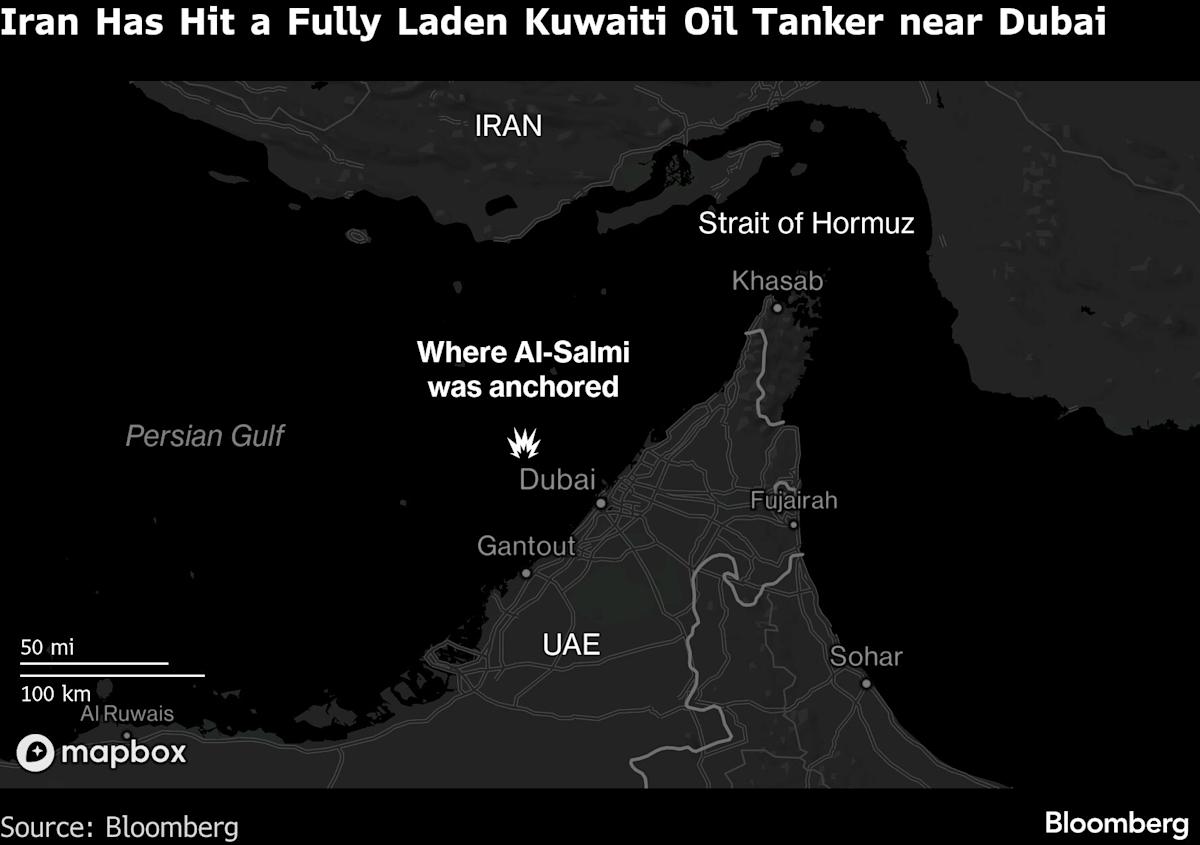
- Impact of Surging Oil Prices: Global Brent crude prices have surged above $115 per barrel due to the ongoing Iran war, exacerbating inflation concerns and prompting investors to question whether the Fed might tighten monetary policy again despite signs of slowing growth.
- Historical Lessons: Goldman Sachs highlights the cautionary tale of the 1990 oil shock, where markets initially anticipated a hawkish Fed response but ultimately saw rate cuts as economic conditions worsened, suggesting that current market pricing may be misaligned with historical precedents.
- Political Factors at Play: President Trump indicated that an end to the conflict with Iran may be near, although he warned that if a peace deal is not reached soon, the U.S. would attack key Iranian energy infrastructure, which could further influence oil price movements.
See More

Stock Futures Rise Amid Oil Price Surge and Market Recovery

- Oil Price Surge: Crude oil prices skyrocketed by 55% in March following Trump's threat to seize Iranian oil, marking the largest monthly gain ever, which pressures the U.S. economy and forces companies to adjust pricing strategies to cope with rising costs.
- Market Recovery Signal: Despite the S&P 500 and Nasdaq Composite experiencing their worst week of 2026, stock futures rose after Trump indicated “great progress” in negotiations with Iran, reflecting investor optimism about market recovery.
- TSA Employee Pay Restoration: Trump signed an executive order ensuring Transportation Security Administration employees will receive pay after Congress failed to reach a deal to end the government shutdown, alleviating traveler frustrations caused by long security wait times.
- AI Drug Development Partnership: Eli Lilly struck a $2.75 billion deal with Insilico Medicine to bring AI-developed drugs to market, enhancing Lilly's market confidence and potentially accelerating the application of AI in the pharmaceutical industry.
See More
South Korea Proposes ₩26.2 Trillion Budget to Address Energy Crisis
- Budget Proposal: The South Korean government has proposed a supplementary budget of ₩26.2 trillion (approximately $17.1 billion) to address rising energy prices due to the Middle East conflict, aiming to alleviate economic pressure on households and industries.
- Key Measures: Of this, ₩10.1 trillion will be specifically allocated to ease high oil prices, alongside support for exporters and increased grants to local governments, all aimed at fostering economic recovery.
- Need for Fiscal Support: Minister of Planning and Budget Park Hong-geun emphasized the necessity of swift fiscal support to alleviate hardships faced by citizens, ensuring that the momentum of economic recovery is not lost.
- Funding Sources: The budget will be financed through tax revenues from booming chip exports and a rally in the stock market, with expectations for parliamentary approval by April 10, reflecting the government's strong commitment to economic stability.
See More
Strait of Hormuz Closure Triggers Oil Price Shock
- Energy Supply Crisis: The closure of the Strait of Hormuz significantly reduces global oil and natural gas supplies, leading to anticipated fuel shortages in regions like Europe, India, and East Asia, which in turn drives up oil prices and heightens market anxiety.
- Historical Parallel: This situation echoes the 1973 oil embargo when prices surged from $2.90 to $11.35 per barrel, resulting in recession and stagflation, with the stock market crashing by 50%, serving as a cautionary tale for today's economic landscape.
- Market Environment Shift: Unlike in 1973, the current global oil market is less reliant on Middle Eastern supplies, with the U.S. now the world's largest oil and gas producer, and a more diverse energy consumption landscape makes the impact of rising oil prices more manageable.
- Investment Strategy Advice: In light of a potential Middle East-induced energy crisis, investors are advised to focus on energy producers with significant exposure to more secure regions like the U.S., such as ConocoPhillips, Occidental Petroleum, and Diamondback Energy, to hedge their portfolios effectively.
See More
Analysis of Economic Impact from Rising Oil Prices
- Historical Oil Price Comparison: In 1973, oil prices surged nearly fourfold due to the Middle Eastern embargo, rising from $2.90 to $11.35 per barrel, which plunged the U.S. economy into stagflation and caused a 50% stock market crash, whereas current prices around $60 reflect a much milder increase.
- Reduced Market Dependence: Today, global reliance on Middle Eastern oil has significantly decreased, particularly as the U.S. has become the world's largest oil and natural gas producer, which mitigates the economic impact of current oil price increases.
- Diversified Energy Consumption: Investments in renewable energy and the adoption of efficient products like modern vehicles have made the economic repercussions of rising oil prices more manageable than they were 50 years ago, although worsening conditions in the Middle East could still lead to inflation and market volatility.
- Investment Strategy Recommendation: In light of a potential Middle Eastern energy crisis, investors are advised to focus on U.S. energy producers such as ConocoPhillips, Occidental Petroleum, and Diamondback Energy, which can serve as secure hedges for portfolio performance.
See More
S&P 500 Falls for Third Day; Bond Market Dynamics in Focus
- Bond Yield Movements: The 10-year Treasury yield stands at 4.35%, while the 2-year yield is at 3.838%, indicating investor expectations for a potential rate cut, which could impact stock market performance and trigger shifts in capital flows.
- Oil Price Surge: Amid concerns that the Houthi group in Yemen may attack Israel, both West Texas Intermediate and Brent crude oil futures have risen, reflecting market sensitivity to geopolitical risks that could lead to volatility in energy stocks.
- Palo Alto Networks Stock Fluctuation: The company's shares rose about 5% on Monday, yet they are down 31% from the October peak, highlighting the volatility in market demand for cybersecurity and its potential impact on future performance.
- McCormick Earnings Outlook: The company's stock has fallen 21.6% in the past three months and is down 35% from last March's high, reflecting cautious market sentiment regarding its future performance, which may affect investor confidence.
See More
Markets Misinterpret Fed's Rate Hike Signals Amid Oil Price Surge
- Market Expectation Volatility: Investors have rapidly shifted their expectations regarding U.S. interest rates, with the CME Group's FedWatch tool indicating that futures markets implied over a 50% chance of a rate hike by the end of 2026 on Friday, which fell to about 14% by Monday morning, reflecting an overreaction to rate hike signals.
- Impact of Surging Oil Prices: Global Brent crude prices have surged above $115 per barrel due to the ongoing Iran war, exacerbating inflation concerns and prompting investors to question whether the Fed might tighten monetary policy again despite signs of slowing growth.
- Historical Lessons: Goldman Sachs highlights the cautionary tale of the 1990 oil shock, where markets initially anticipated a hawkish Fed response but ultimately saw rate cuts as economic conditions worsened, suggesting that current market pricing may be misaligned with historical precedents.
- Political Factors at Play: President Trump indicated that an end to the conflict with Iran may be near, although he warned that if a peace deal is not reached soon, the U.S. would attack key Iranian energy infrastructure, which could further influence oil price movements.
See More
Stock Futures Rise Amid Oil Price Surge and Market Recovery
- Oil Price Surge: Crude oil prices skyrocketed by 55% in March following Trump's threat to seize Iranian oil, marking the largest monthly gain ever, which pressures the U.S. economy and forces companies to adjust pricing strategies to cope with rising costs.
- Market Recovery Signal: Despite the S&P 500 and Nasdaq Composite experiencing their worst week of 2026, stock futures rose after Trump indicated “great progress” in negotiations with Iran, reflecting investor optimism about market recovery.
- TSA Employee Pay Restoration: Trump signed an executive order ensuring Transportation Security Administration employees will receive pay after Congress failed to reach a deal to end the government shutdown, alleviating traveler frustrations caused by long security wait times.
- AI Drug Development Partnership: Eli Lilly struck a $2.75 billion deal with Insilico Medicine to bring AI-developed drugs to market, enhancing Lilly's market confidence and potentially accelerating the application of AI in the pharmaceutical industry.
See More