Cisco Reports Strong Q2 Results but Guidance Meets Expectations
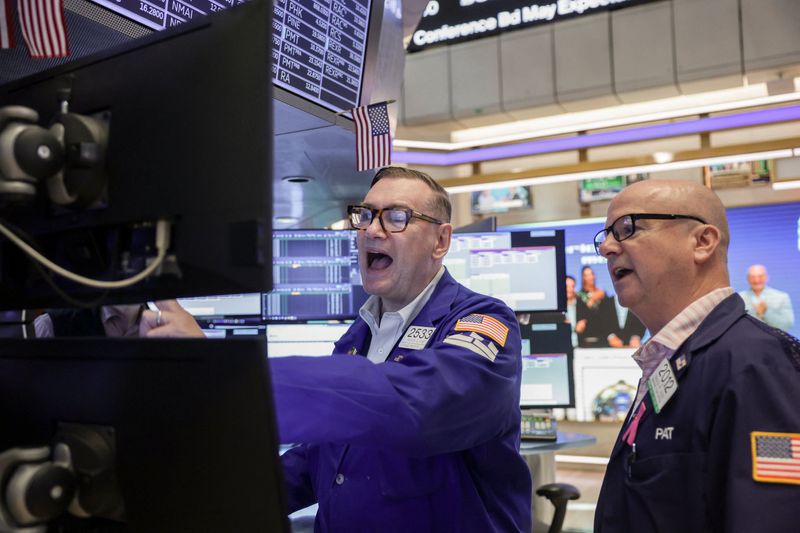
Cisco Systems Inc's stock fell 7.06% in pre-market trading, hitting a 5-day low, despite reporting strong fiscal Q2 results. The company achieved adjusted earnings per share of $1.04, exceeding expectations, and revenue of $15.35 billion, also above forecasts. However, the stock's decline is attributed to cautious investor sentiment regarding future guidance, which met expectations but did not exceed them, leading to a negative market reaction.
The stock's drop is primarily due to cautious investor sentiment following Cisco's guidance for the upcoming quarter, which anticipates adjusted earnings per share between $1.02 and $1.04 and revenue projected at $15.4 to $15.6 billion. Although the company reported strong performance and secured significant AI infrastructure orders, the market's reaction reflects a preference for more optimistic forecasts, resulting in a decline in stock price despite overall positive earnings results.
This situation highlights the delicate balance between strong performance and investor expectations. While Cisco's results indicate robust market competitiveness, the cautious outlook may lead to volatility in the stock as investors reassess their positions based on future growth potential.
Trade with 70% Backtested Accuracy
Analyst Views on CSCO

About CSCO
About the author


SentinelOne Cuts 8% Workforce to Focus on AI Investments

- Layoff Announcement: SentinelOne's decision to cut 8% of its full-time workforce resulted in a 12% drop in stock price, indicating market concerns about the company's growth trajectory amidst a shift towards AI and data investments.
- Financial Guidance: The company anticipates quarterly revenues between $289 million and $291 million, falling short of the $292 million expected by analysts, while its full-year revenue outlook of $1.195 billion to $1.205 billion also misses the $1.21 billion forecast, reflecting potential operational challenges.
- Industry Context: The trend of workforce reductions is prevalent across the tech sector, with companies like Wix, Cisco, and Block also downsizing to reallocate resources for AI advancements, highlighting a broader industry shift towards automation and efficiency.
- Management Insights: CEO Tomer Weingarten emphasized that the layoffs are part of a strategic evolution to streamline operations and enhance performance, despite incurring a one-time charge of $25 million, and noted that the company has already experienced meaningful productivity gains from increased AI utilization.
SentinelOne Cuts 8% Workforce to Focus on AI Investments

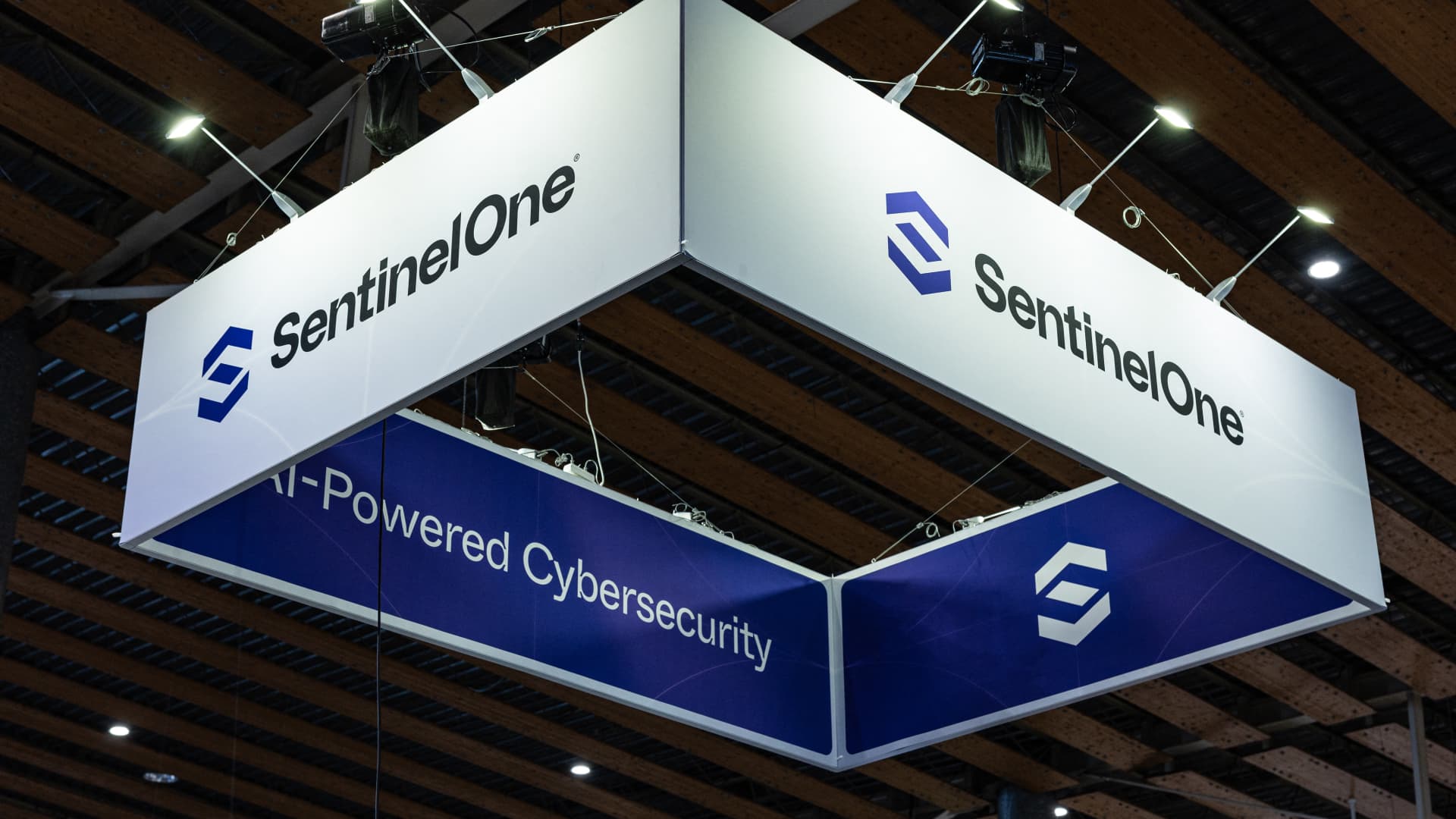
- Layoff Announcement: SentinelOne has announced an 8% workforce reduction, affecting approximately 240 employees, which is expected to incur a one-time charge of $25 million, aimed at streamlining operations and enhancing efficiency.
- Strategic Shift: CEO Tomer Weingarten stated that the layoffs are a strategic move towards focusing on artificial intelligence and data investments, intended to boost productivity and create a more agile organization.
- Financial Outlook: The company anticipates quarterly revenues between $289 million and $291 million, falling short of the $292 million expected by analysts, while the full-year revenue guidance is set between $1.195 billion and $1.205 billion, missing the $1.21 billion forecast.
- Market Reaction: Following the layoffs and lackluster financial guidance, SentinelOne's stock plummeted by 12%, indicating investor concerns regarding the company's growth potential, particularly in the rapidly evolving AI landscape.

U.S.-Iran Peace Agreement Close Yet Obstacles Remain


- U.S.-Iran Peace Progress: The peace agreement between the U.S. and Iran appears tantalizingly close, yet mixed messages from Washington and Tehran, along with ongoing missile strikes, present significant obstacles, as President Trump has yet to give final approval for a 60-day memorandum of understanding.
- Oil Price Volatility: Brent crude prices have fallen over 17% in May, while WTI has dropped more than 15%, significantly impacting the energy market, with forecasts indicating that oil inventories could reach record lows in the coming weeks.
- Strong Corporate Earnings: Dell's shares surged nearly 40% in after-hours trading after exceeding Wall Street's earnings forecasts and raising guidance, with analysts attributing this solid performance to Michael Dell's early efforts to foster good relations with the Trump Administration.
- Ferrari EV Launch Crisis: The launch of Ferrari's first full-electric car, the Luce, turned into a PR crisis due to overly strict security measures that disappointed investors, leading to an 8% drop in stock price the following day, although this move signifies a crucial step for the company in the electric vehicle market.

Escalating Middle East Conflict Impacts Markets
- Market Volatility: The escalation of U.S. military strikes against Iran has led to significant volatility in Asian stocks and oil prices, reflecting the market's heightened sensitivity to Middle Eastern tensions, which could destabilize investor sentiment and impact global economic recovery.
- Rising Oil Prices: U.S. military actions have driven oil prices higher, raising concerns over the safety of commercial shipping through the Strait of Hormuz, which may further increase global energy costs and affect national economies.
- Fed Officials' Insights: Federal Reserve officials have indicated that while the labor market remains strong, the energy inflation stemming from the Middle East conflict could create a
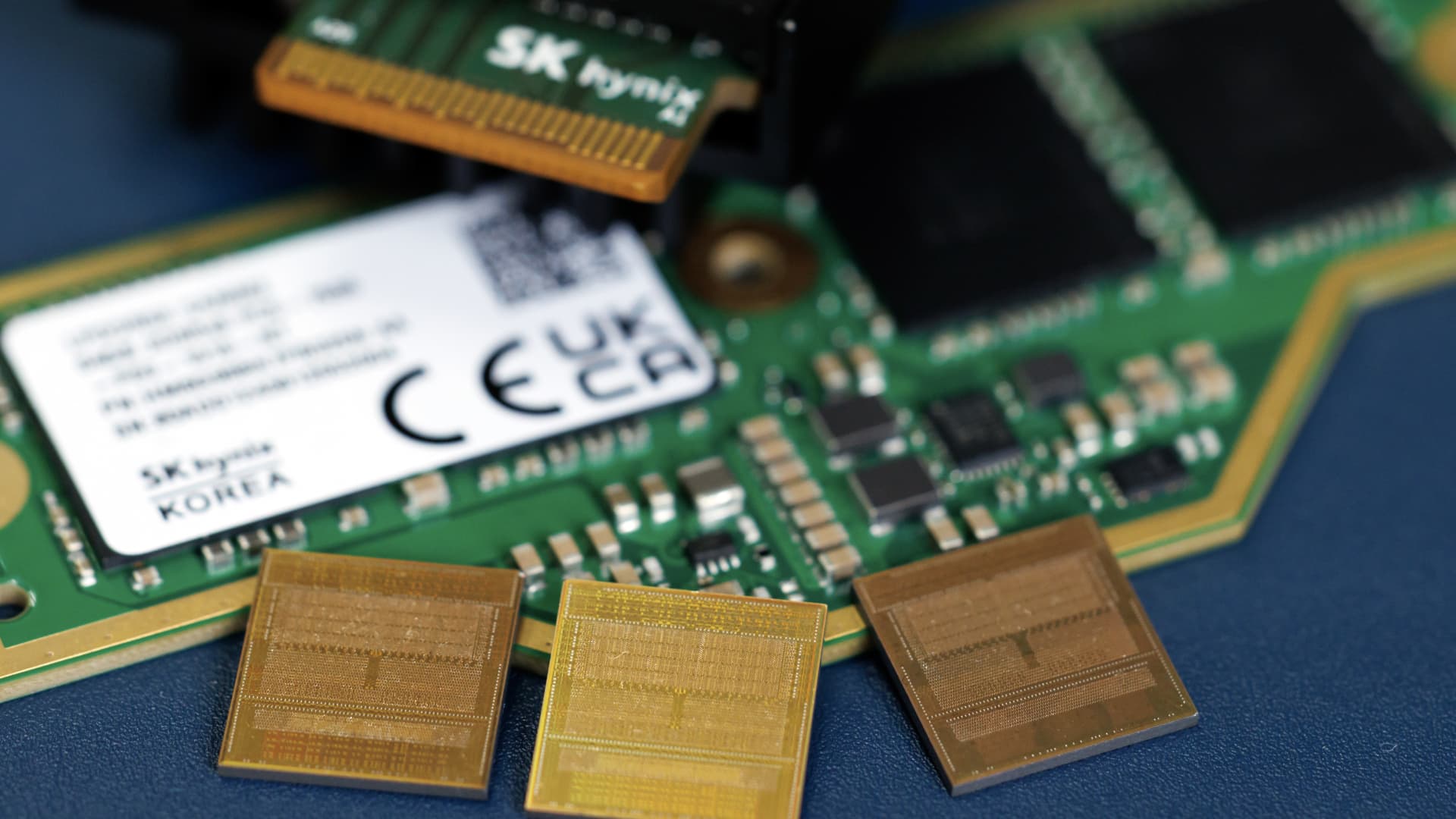
SK Hynix Market Cap Surpasses $1 Trillion for First Time
- Market Cap Milestone: SK Hynix's market capitalization surpassed $1 trillion for the first time on Wednesday, marking a significant achievement as the stock has skyrocketed approximately 250% since the beginning of the year, which not only enhances the company's market position but also reflects the robust performance of global tech stocks.
- Surging AI Chip Demand: The substantial increase in demand for AI chips has driven SK Hynix's stock price higher, propelling the South Korean KOPSI index to record highs, indicating the company's critical role and competitiveness in the rapidly evolving semiconductor market.
- Industrial Profit Surge: China's industrial profits surged by 24.7% in April, marking the fastest growth since November 2023, with computing and electronics equipment manufacturing nearly doubling in earnings, highlighting the sector's recovery and growth potential.
- Positive Market Reaction: SK Hynix's success has captured investor attention in global markets, further driving record highs in Japanese and South Korean stock markets, demonstrating market optimism towards the tech sector and expectations for future growth.
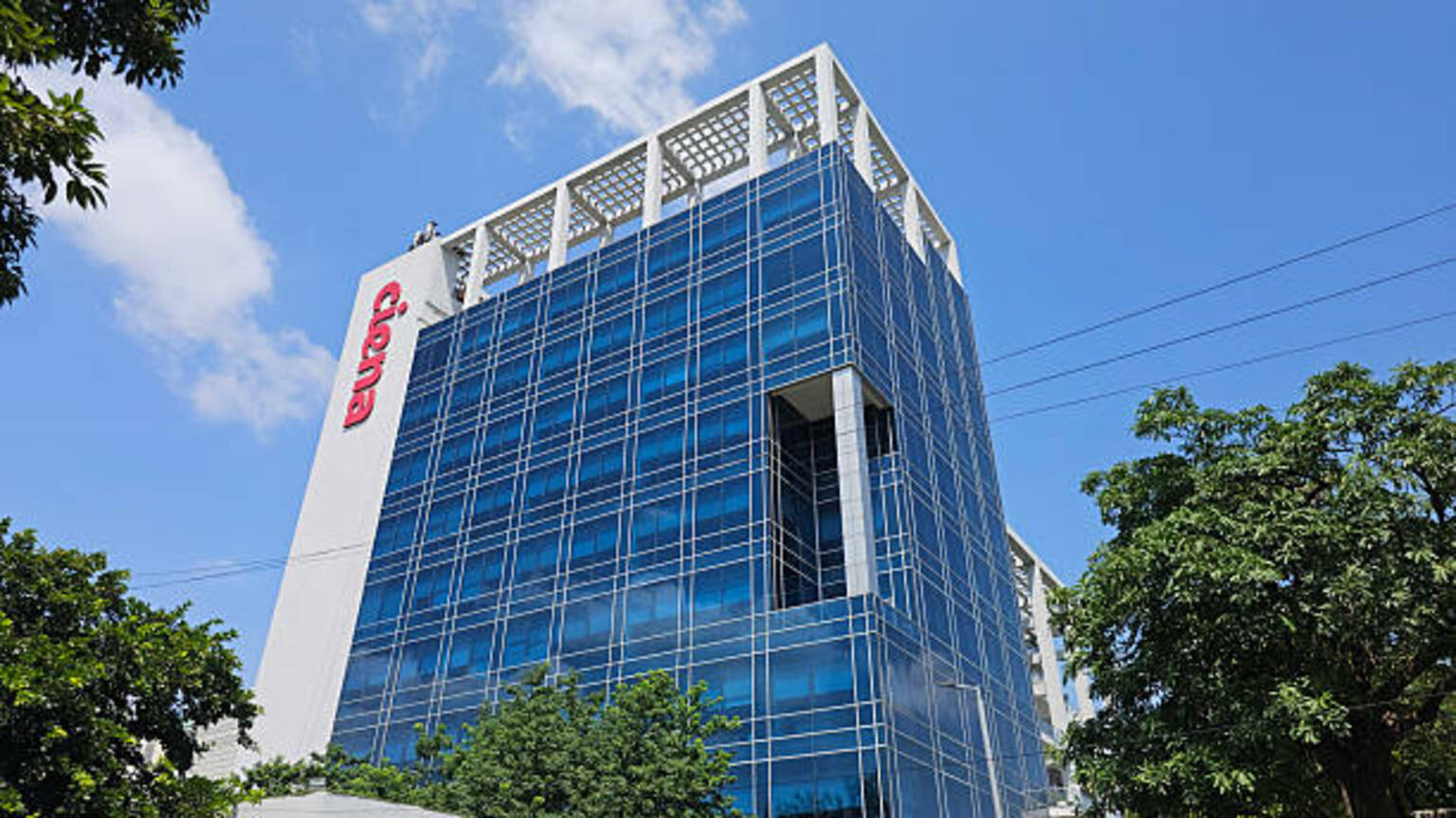
Bank of America Raises Price Targets for Ciena and Cisco Amid Optical Networking Growth

- Strong Optical Demand: Analyst Tal Liani from Bank of America highlighted that Cisco's Acacia orders exceeded $1 billion in Q3 2023, with AI-related optics demand growing nearly fourfold to approximately $950 million, indicating resilience and ongoing growth potential in the optical networking market.
- Price Target Increases: Reflecting strong participation in optical infrastructure buildout, Bank of America raised Cisco's price target from $114 to $135 and Ciena's from $550 to $660, showcasing an optimistic outlook for future performance.
- Market Leadership: As the industry transitions from 400G to 800G pluggables, both Cisco and Ciena are positioned to maintain leading market shares within the rapidly growing optical cycle, further solidifying their competitive advantages in the sector.
- Buy Ratings Maintained: Bank of America maintains Buy ratings on both Ciena and Cisco, indicating analysts' positive sentiment regarding the long-term growth prospects of both companies in the optical networking space, expected to benefit from increasing hyperscale demand.
SentinelOne Cuts 8% Workforce to Focus on AI Investments
- Layoff Announcement: SentinelOne's decision to cut 8% of its full-time workforce resulted in a 12% drop in stock price, indicating market concerns about the company's growth trajectory amidst a shift towards AI and data investments.
- Financial Guidance: The company anticipates quarterly revenues between $289 million and $291 million, falling short of the $292 million expected by analysts, while its full-year revenue outlook of $1.195 billion to $1.205 billion also misses the $1.21 billion forecast, reflecting potential operational challenges.
- Industry Context: The trend of workforce reductions is prevalent across the tech sector, with companies like Wix, Cisco, and Block also downsizing to reallocate resources for AI advancements, highlighting a broader industry shift towards automation and efficiency.
- Management Insights: CEO Tomer Weingarten emphasized that the layoffs are part of a strategic evolution to streamline operations and enhance performance, despite incurring a one-time charge of $25 million, and noted that the company has already experienced meaningful productivity gains from increased AI utilization.
SentinelOne Cuts 8% Workforce to Focus on AI Investments
- Layoff Announcement: SentinelOne has announced an 8% workforce reduction, affecting approximately 240 employees, which is expected to incur a one-time charge of $25 million, aimed at streamlining operations and enhancing efficiency.
- Strategic Shift: CEO Tomer Weingarten stated that the layoffs are a strategic move towards focusing on artificial intelligence and data investments, intended to boost productivity and create a more agile organization.
- Financial Outlook: The company anticipates quarterly revenues between $289 million and $291 million, falling short of the $292 million expected by analysts, while the full-year revenue guidance is set between $1.195 billion and $1.205 billion, missing the $1.21 billion forecast.
- Market Reaction: Following the layoffs and lackluster financial guidance, SentinelOne's stock plummeted by 12%, indicating investor concerns regarding the company's growth potential, particularly in the rapidly evolving AI landscape.
U.S.-Iran Peace Agreement Close Yet Obstacles Remain
- U.S.-Iran Peace Progress: The peace agreement between the U.S. and Iran appears tantalizingly close, yet mixed messages from Washington and Tehran, along with ongoing missile strikes, present significant obstacles, as President Trump has yet to give final approval for a 60-day memorandum of understanding.
- Oil Price Volatility: Brent crude prices have fallen over 17% in May, while WTI has dropped more than 15%, significantly impacting the energy market, with forecasts indicating that oil inventories could reach record lows in the coming weeks.
- Strong Corporate Earnings: Dell's shares surged nearly 40% in after-hours trading after exceeding Wall Street's earnings forecasts and raising guidance, with analysts attributing this solid performance to Michael Dell's early efforts to foster good relations with the Trump Administration.
- Ferrari EV Launch Crisis: The launch of Ferrari's first full-electric car, the Luce, turned into a PR crisis due to overly strict security measures that disappointed investors, leading to an 8% drop in stock price the following day, although this move signifies a crucial step for the company in the electric vehicle market.
Escalating Middle East Conflict Impacts Markets
- Market Volatility: The escalation of U.S. military strikes against Iran has led to significant volatility in Asian stocks and oil prices, reflecting the market's heightened sensitivity to Middle Eastern tensions, which could destabilize investor sentiment and impact global economic recovery.
- Rising Oil Prices: U.S. military actions have driven oil prices higher, raising concerns over the safety of commercial shipping through the Strait of Hormuz, which may further increase global energy costs and affect national economies.
- Fed Officials' Insights: Federal Reserve officials have indicated that while the labor market remains strong, the energy inflation stemming from the Middle East conflict could create a
SK Hynix Market Cap Surpasses $1 Trillion for First Time
- Market Cap Milestone: SK Hynix's market capitalization surpassed $1 trillion for the first time on Wednesday, marking a significant achievement as the stock has skyrocketed approximately 250% since the beginning of the year, which not only enhances the company's market position but also reflects the robust performance of global tech stocks.
- Surging AI Chip Demand: The substantial increase in demand for AI chips has driven SK Hynix's stock price higher, propelling the South Korean KOPSI index to record highs, indicating the company's critical role and competitiveness in the rapidly evolving semiconductor market.
- Industrial Profit Surge: China's industrial profits surged by 24.7% in April, marking the fastest growth since November 2023, with computing and electronics equipment manufacturing nearly doubling in earnings, highlighting the sector's recovery and growth potential.
- Positive Market Reaction: SK Hynix's success has captured investor attention in global markets, further driving record highs in Japanese and South Korean stock markets, demonstrating market optimism towards the tech sector and expectations for future growth.
Bank of America Raises Price Targets for Ciena and Cisco Amid Optical Networking Growth
- Strong Optical Demand: Analyst Tal Liani from Bank of America highlighted that Cisco's Acacia orders exceeded $1 billion in Q3 2023, with AI-related optics demand growing nearly fourfold to approximately $950 million, indicating resilience and ongoing growth potential in the optical networking market.
- Price Target Increases: Reflecting strong participation in optical infrastructure buildout, Bank of America raised Cisco's price target from $114 to $135 and Ciena's from $550 to $660, showcasing an optimistic outlook for future performance.
- Market Leadership: As the industry transitions from 400G to 800G pluggables, both Cisco and Ciena are positioned to maintain leading market shares within the rapidly growing optical cycle, further solidifying their competitive advantages in the sector.
- Buy Ratings Maintained: Bank of America maintains Buy ratings on both Ciena and Cisco, indicating analysts' positive sentiment regarding the long-term growth prospects of both companies in the optical networking space, expected to benefit from increasing hyperscale demand.