Chipotle Faces Sales Decline Amid Economic Uncertainty

Chipotle Mexican Grill Inc's stock has fallen 3.62%, hitting a 20-day low amid broader market declines, with the Nasdaq-100 down 0.60% and the S&P 500 down 0.73%.
The company's recent financial performance has been under pressure, with same-store sales growth declining by 1.7% in 2025, reflecting the impact of falling consumer confidence. Despite opening 334 new restaurants in 2025 and plans for further expansion, the market has shown diminished appetite for the stock, which has dropped 46% from its all-time high in June 2024. Analysts at Bank of America have noted that while there is potential upside for restaurant stocks, Chipotle faces significant challenges in maintaining profitability amid rising costs and subdued demand trends.
The implications of these developments suggest that Chipotle's growth strategy may be hindered by current economic conditions, and investors are advised to approach with caution as the company navigates these challenges.
Trade with 70% Backtested Accuracy
Analyst Views on CMG

About CMG
About the author

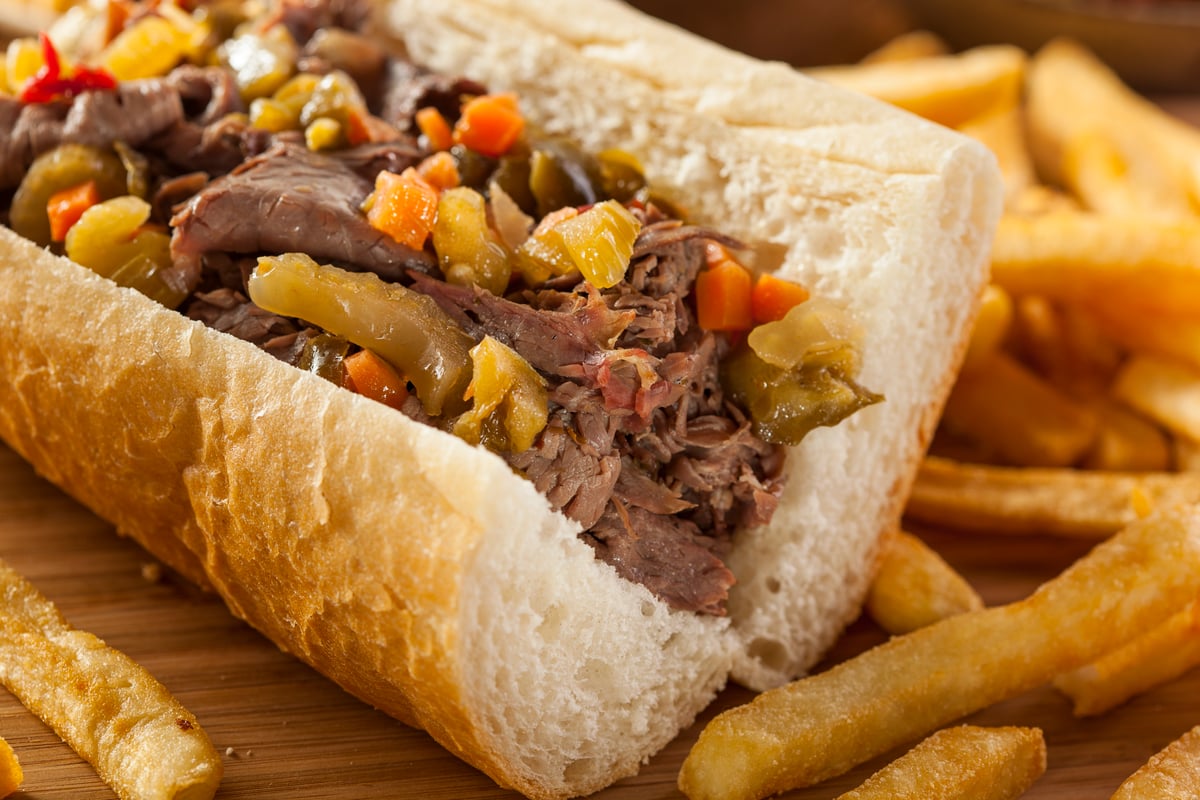
Jersey Mike's Confidentially Files for IPO Amid Growth Prospects

- IPO Announcement: Jersey Mike's disclosed in a press release today that it has confidentially filed for an initial public offering (IPO), aiming to raise $1 billion at a $12 billion valuation, indicating strong market potential.
- Acquisition Context: In November 2024, Blackstone acquired Jersey Mike's for an enterprise value of $8 billion, which included an earn-out provision that requires full payment after the company opens its 4,000th location, reflecting its ambitious expansion plans.
- Financial Performance: Despite reporting nearly $310 million in revenue for 2025, a 10.6% increase year-over-year, net income fell from nearly $239 million in 2024 to approximately $184 million, highlighting pressures in a high-inflation and labor-shortage environment.
- Expansion Outlook: Jersey Mike's grew its locations by 8% in 2025, with CEO Charlie Morrison stating that the brand could potentially double its U.S. locations and expand internationally, further boosting investor confidence in its future growth prospects.
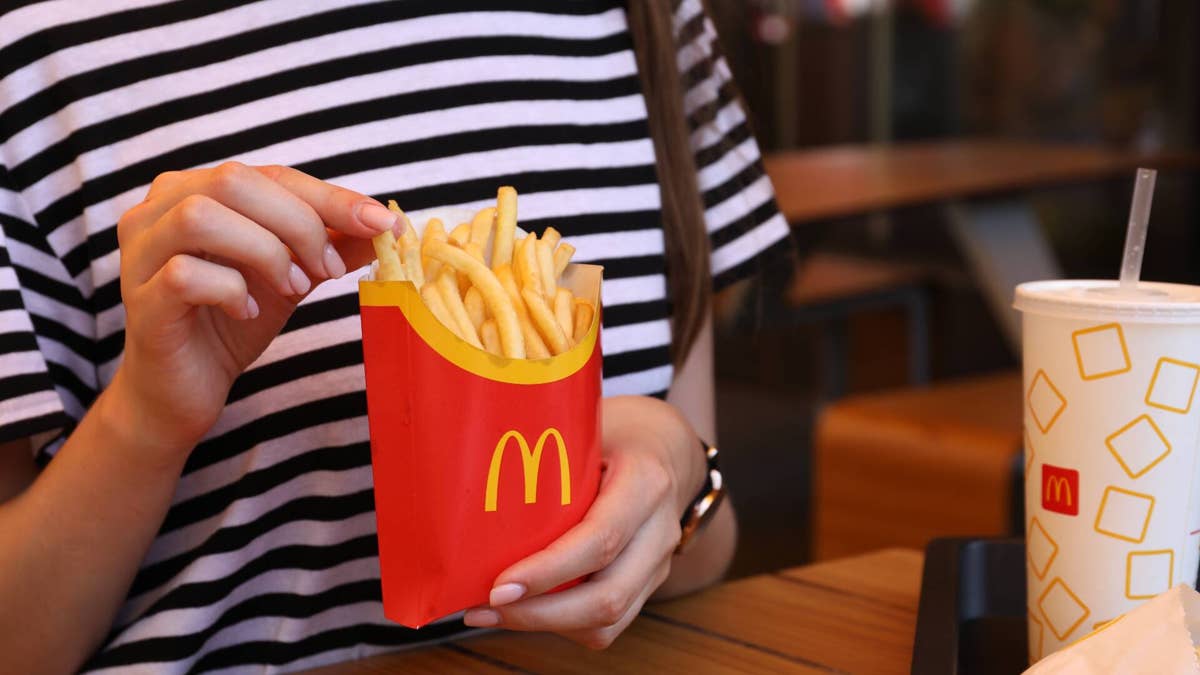
Survey Reveals Shift in Fast Food Value Perception Among Americans

- Shift to Luxury Perception: A recent Lending Tree survey indicates that 78% of consumers now view fast food as a luxury, particularly among those earning less than $30,000 annually, where 71% share this sentiment, highlighting the economic pressures reshaping consumer perceptions.
- Changing Consumer Choices: While 67% of respondents believe fast food should be cheaper than home-cooked meals, 75% report that it is not, with 46% stating fast food prices are comparable to local sit-down restaurants, indicating a crisis in value perception within the fast food industry.
- McDonald's Response Strategy: McDonald's CEO acknowledged the brand's value perception issues and introduced an everyday affordable price menu along with a $2.99 Snack Wrap to address consumer price sensitivity, aiming to enhance brand image and drive sales.
- Diverse Competitor Strategies: Chipotle and Taco Bell have adopted different approaches; Chipotle refuses to implement a $1 menu, emphasizing the value of its offerings, while Taco Bell launched its Luxe Value Menu, providing premium items at lower price points to attract a broader customer base.

Chipotle Mexican Grill Q1 Same-Store Sales Likely to Exceed Expectations
- Sales Outlook Positive: Chipotle Mexican Grill's Q1 same-store sales are expected to slightly exceed consensus estimates, indicating strong performance amid recovering consumer demand, which could drive stock price appreciation.
- Market Response Favorable: This upward revision in sales expectations may bolster investor confidence in Chipotle, particularly as the restaurant industry rebounds, further solidifying its market position.
- Competitive Advantage Evident: With increasing consumer preference for healthier fast-food options, Chipotle's brand positioning and menu innovations may allow it to stand out in a competitive market, attracting more customers.
- Optimistic Future Outlook: The strong performance in Q1 lays a foundation for future growth, potentially prompting management to provide more positive guidance in upcoming earnings reports.

RBC Lowers Target Price for Chipotle Mexican Grill Inc. to $45 from $50

- Chipotle Price Adjustment: Chipotle Mexican Grill has reduced its target price from $50 to $45.
- Market Impact: This price cut reflects changes in market conditions and expectations for the company's performance.
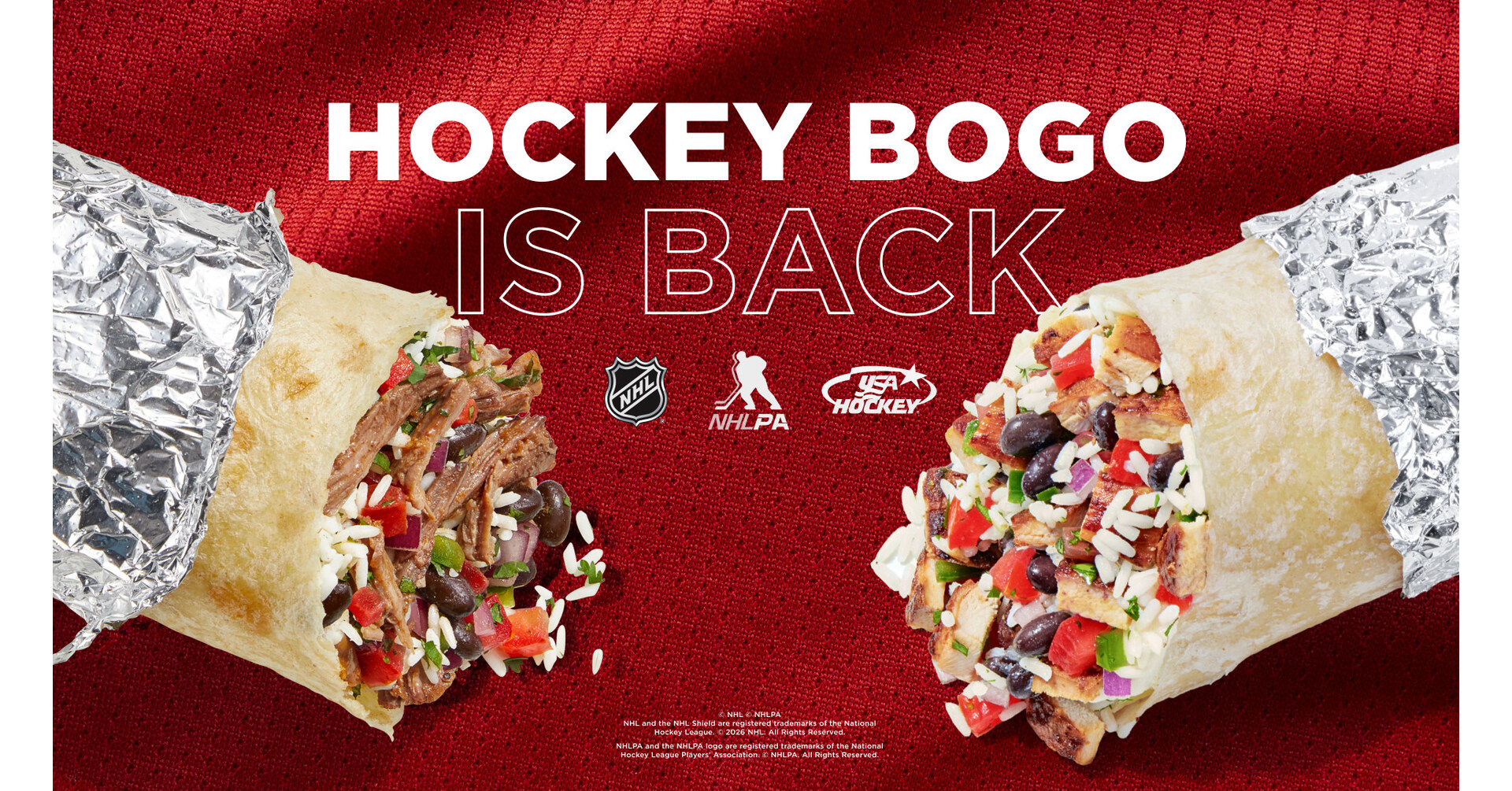
Chipotle Launches Hockey Jersey BOGO Promotion for Stanley Cup Playoffs
- Promotion Return: Chipotle is bringing back its sixth annual Hockey Jersey BOGO promotion during the 2026 Stanley Cup Playoffs, allowing customers wearing hockey jerseys to receive a buy-one-get-one offer at participating locations, thereby strengthening the brand's connection to the hockey community.
- Limited Edition Jerseys: For the first time, Chipotle is releasing a limited-edition hockey jersey, with only 75 available through the Chipotle Rewards Exchange, showcasing the brand's commitment to hockey culture while providing loyal customers with a unique brand experience.
- Community Support: Chipotle has contributed over $190,000 to hockey organizations across North America through hockey-related fundraisers, including more than $52,000 raised in 2025 alone, demonstrating the brand's ongoing commitment to grassroots hockey development.
- Brand Partnership: This promotion extends Chipotle's partnership with the National Hockey League (NHL), reinforcing the brand's engagement with players and fans, and enhancing its influence within hockey culture.
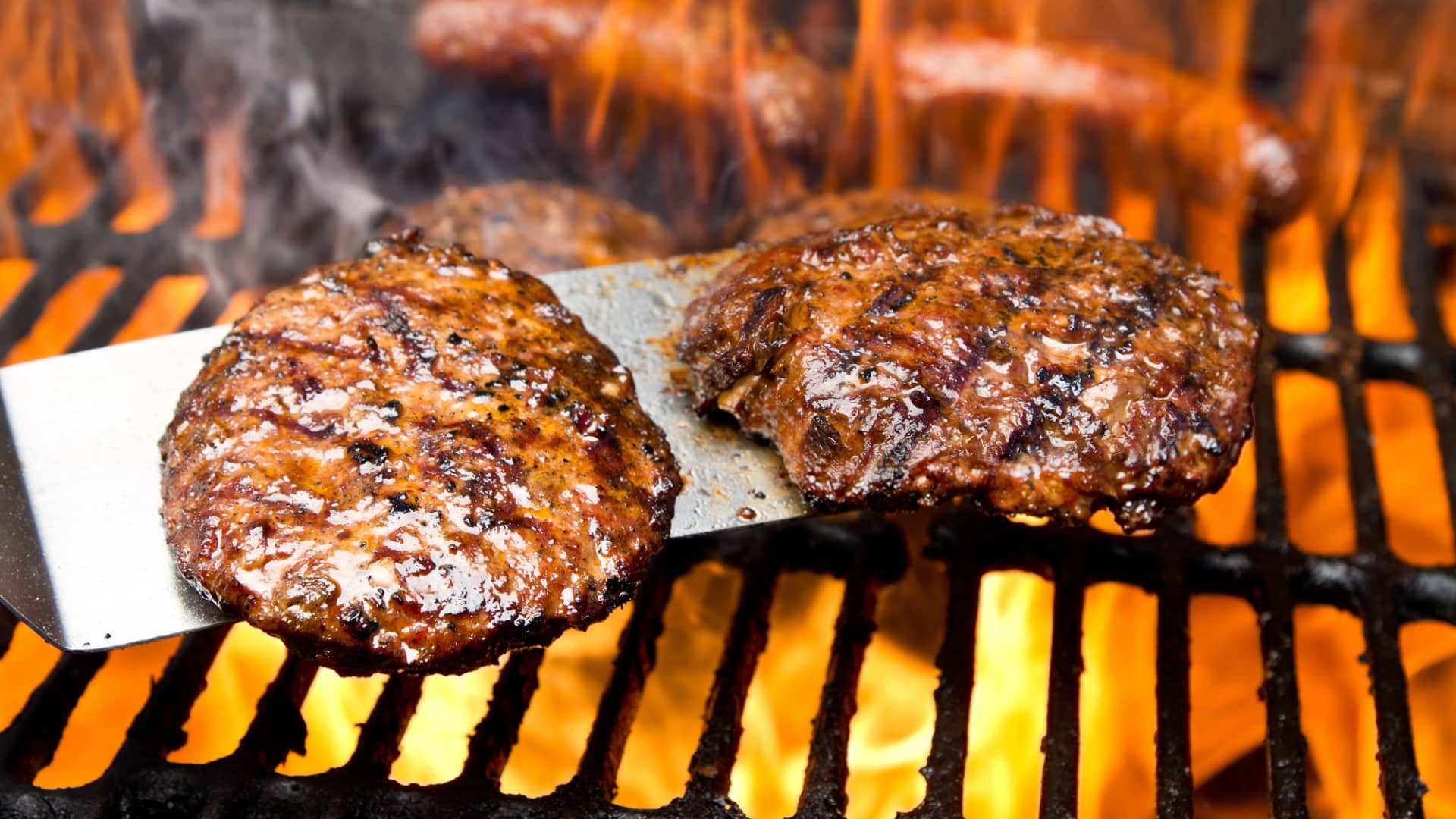
Beef Prices Hit All-Time Highs Amid Supply Constraints
- Futures Price Surge: On Tuesday, live cattle futures at the CME Group settled at $2.51 per pound, marking the highest price on record since the 1960s, driven by rising ranching costs and herd reductions, with prices increasing over 25% in the past year.
- Slaughter Volume Decline: Barclays estimates that cattle slaughter is expected to fall to 2.2 million head in March, down from 2.5 million a year earlier, resulting in a 300,000-pound drop in beef production to 1.9 million pounds, exacerbating supply constraints in the market.
- Retail Price Increase: The Bureau of Labor Statistics reported that the average retail price of ground beef for hamburgers reached approximately $6.70 per pound in March, reflecting a 12% increase from the same month last year, leading to higher costs for consumers planning summer barbecues.
- Financial Strain on Farmers: A survey by the American Farm Bureau Federation revealed that nearly 60% of U.S. farmers reported worsening financial conditions, with many unable to afford the necessary fertilizer for their fields, highlighting the broader impact of rising agricultural production costs on farmers.
Jersey Mike's Confidentially Files for IPO Amid Growth Prospects
- IPO Announcement: Jersey Mike's disclosed in a press release today that it has confidentially filed for an initial public offering (IPO), aiming to raise $1 billion at a $12 billion valuation, indicating strong market potential.
- Acquisition Context: In November 2024, Blackstone acquired Jersey Mike's for an enterprise value of $8 billion, which included an earn-out provision that requires full payment after the company opens its 4,000th location, reflecting its ambitious expansion plans.
- Financial Performance: Despite reporting nearly $310 million in revenue for 2025, a 10.6% increase year-over-year, net income fell from nearly $239 million in 2024 to approximately $184 million, highlighting pressures in a high-inflation and labor-shortage environment.
- Expansion Outlook: Jersey Mike's grew its locations by 8% in 2025, with CEO Charlie Morrison stating that the brand could potentially double its U.S. locations and expand internationally, further boosting investor confidence in its future growth prospects.
Survey Reveals Shift in Fast Food Value Perception Among Americans
- Shift to Luxury Perception: A recent Lending Tree survey indicates that 78% of consumers now view fast food as a luxury, particularly among those earning less than $30,000 annually, where 71% share this sentiment, highlighting the economic pressures reshaping consumer perceptions.
- Changing Consumer Choices: While 67% of respondents believe fast food should be cheaper than home-cooked meals, 75% report that it is not, with 46% stating fast food prices are comparable to local sit-down restaurants, indicating a crisis in value perception within the fast food industry.
- McDonald's Response Strategy: McDonald's CEO acknowledged the brand's value perception issues and introduced an everyday affordable price menu along with a $2.99 Snack Wrap to address consumer price sensitivity, aiming to enhance brand image and drive sales.
- Diverse Competitor Strategies: Chipotle and Taco Bell have adopted different approaches; Chipotle refuses to implement a $1 menu, emphasizing the value of its offerings, while Taco Bell launched its Luxe Value Menu, providing premium items at lower price points to attract a broader customer base.
Chipotle Mexican Grill Q1 Same-Store Sales Likely to Exceed Expectations
- Sales Outlook Positive: Chipotle Mexican Grill's Q1 same-store sales are expected to slightly exceed consensus estimates, indicating strong performance amid recovering consumer demand, which could drive stock price appreciation.
- Market Response Favorable: This upward revision in sales expectations may bolster investor confidence in Chipotle, particularly as the restaurant industry rebounds, further solidifying its market position.
- Competitive Advantage Evident: With increasing consumer preference for healthier fast-food options, Chipotle's brand positioning and menu innovations may allow it to stand out in a competitive market, attracting more customers.
- Optimistic Future Outlook: The strong performance in Q1 lays a foundation for future growth, potentially prompting management to provide more positive guidance in upcoming earnings reports.
RBC Lowers Target Price for Chipotle Mexican Grill Inc. to $45 from $50
- Chipotle Price Adjustment: Chipotle Mexican Grill has reduced its target price from $50 to $45.
- Market Impact: This price cut reflects changes in market conditions and expectations for the company's performance.
Chipotle Launches Hockey Jersey BOGO Promotion for Stanley Cup Playoffs
- Promotion Return: Chipotle is bringing back its sixth annual Hockey Jersey BOGO promotion during the 2026 Stanley Cup Playoffs, allowing customers wearing hockey jerseys to receive a buy-one-get-one offer at participating locations, thereby strengthening the brand's connection to the hockey community.
- Limited Edition Jerseys: For the first time, Chipotle is releasing a limited-edition hockey jersey, with only 75 available through the Chipotle Rewards Exchange, showcasing the brand's commitment to hockey culture while providing loyal customers with a unique brand experience.
- Community Support: Chipotle has contributed over $190,000 to hockey organizations across North America through hockey-related fundraisers, including more than $52,000 raised in 2025 alone, demonstrating the brand's ongoing commitment to grassroots hockey development.
- Brand Partnership: This promotion extends Chipotle's partnership with the National Hockey League (NHL), reinforcing the brand's engagement with players and fans, and enhancing its influence within hockey culture.
Beef Prices Hit All-Time Highs Amid Supply Constraints
- Futures Price Surge: On Tuesday, live cattle futures at the CME Group settled at $2.51 per pound, marking the highest price on record since the 1960s, driven by rising ranching costs and herd reductions, with prices increasing over 25% in the past year.
- Slaughter Volume Decline: Barclays estimates that cattle slaughter is expected to fall to 2.2 million head in March, down from 2.5 million a year earlier, resulting in a 300,000-pound drop in beef production to 1.9 million pounds, exacerbating supply constraints in the market.
- Retail Price Increase: The Bureau of Labor Statistics reported that the average retail price of ground beef for hamburgers reached approximately $6.70 per pound in March, reflecting a 12% increase from the same month last year, leading to higher costs for consumers planning summer barbecues.
- Financial Strain on Farmers: A survey by the American Farm Bureau Federation revealed that nearly 60% of U.S. farmers reported worsening financial conditions, with many unable to afford the necessary fertilizer for their fields, highlighting the broader impact of rising agricultural production costs on farmers.