YOTEL Partners with Hilton for Global Expansion
- Brand Partnership Expansion: YOTEL has entered into an exclusive agreement with Hilton, becoming the first independent brand under the newly established Select by Hilton, which is expected to significantly enhance its visibility and customer demand in the global market.
- Hotel Network Growth: YOTEL aims to expand its portfolio from 23 to over 70 hotels across 10 countries in the coming years, addressing the rising demand in the lifestyle segment and further solidifying its market position.
- Loyalty Program Integration: Hilton Honors members will enjoy unique benefits at YOTEL properties, leveraging Hilton's global distribution and technology platforms, which is anticipated to attract more customers and increase occupancy rates.
- Smart Design Advantage: Known for its innovative smart room designs and tech-driven services, YOTEL's integration with Hilton is expected to enhance its brand value while preserving the unique experience and service style that defines YOTEL.
Trade with 70% Backtested Accuracy
Analyst Views on HLT

About HLT
About the author


HILTON WORLDWIDE HOLDINGS: BARCLAYS INCREASES TARGET PRICE TO $363, UP FROM $350

Company Update: Hilton Worldwide Holdings has raised its target price for Barclays from $350 to $363.
Market Reaction: This adjustment reflects positive expectations for Hilton's performance in the market.

Jerome Dodson's Q1 2026 Investment Moves

- New Stock Additions: Jerome Dodson added a total of 8 stocks in Q1 2026, with the most significant being Dick's Sporting Goods Inc (NYSE:DKS), acquiring 75,518 shares, which represents 2.07% of the portfolio and a total value of $14.97 million, indicating confidence in the sports retail market.
- Key Position Increases: Dodson increased his stake in DoorDash Inc (NASDAQ:DASH) by 50,768 shares, a 135.47% rise, bringing the total to 88,243 shares, impacting the portfolio by 1.05% with a total value of $13.25 million, reflecting optimism in the food delivery sector.
- Complete Exits: In Q1 2026, Dodson completely exited 8 holdings, including Equifax Inc (NYSE:EFX), selling all 98,891 shares, resulting in a -2.67% impact on the portfolio, demonstrating caution towards the data services industry.
- Significant Reductions: Dodson reduced his position in Teradyne Inc (NASDAQ:TER) by 67,375 shares, a 45.27% decrease, impacting the portfolio by -1.62%, while the stock has returned 58.85% over the past three months, indicating a reassessment of the tech sector.

EXCLUSIVE: COMMVault Systems Considering Sale with Assistance from Goldman Sachs Following Takeover Interest, Sources Reveal

Potential Sale Exploration: Commvault Systems is considering a potential sale following interest from Goldman Sachs.
Takeover Interest: The exploration of a sale comes after the company received takeover interest, indicating a shift in its strategic direction.
Travel Sector Shows Strong Resilience Amid Market Turmoil


- Hilton's Strong Performance: Hilton Worldwide Holdings (HLT) has achieved an annualized total return of 21% over the past five years and an impressive 23% over ten years, demonstrating robust recovery in the post-COVID era, with a projected 9% revenue growth and 38% EBIT growth for 2025.
- Marriott's Expansion Momentum: Marriott International (MAR) ended 2025 with over 1.78 million rooms and a Bonvoy loyalty program membership increase to nearly 271 million, with the 2026 FIFA World Cup expected to boost revenue per available room by 40 basis points, further solidifying its market position.
- Viking's Rapid Growth: Viking Holdings Ltd. (VIK) posted a 62% return in 2025 and has already booked 86% of its 2026 capacity, expecting 13% revenue growth and 35% EBITDA growth, reflecting strong demand in the river cruise market.
- Market Sentiment Impact: Despite Marriott facing technical damage from rising oil prices, its fundamentals remain solid, and investors should monitor the 200-day moving average for support to assess future trend changes.
Middle East Conflict Disrupts Tourism Industry


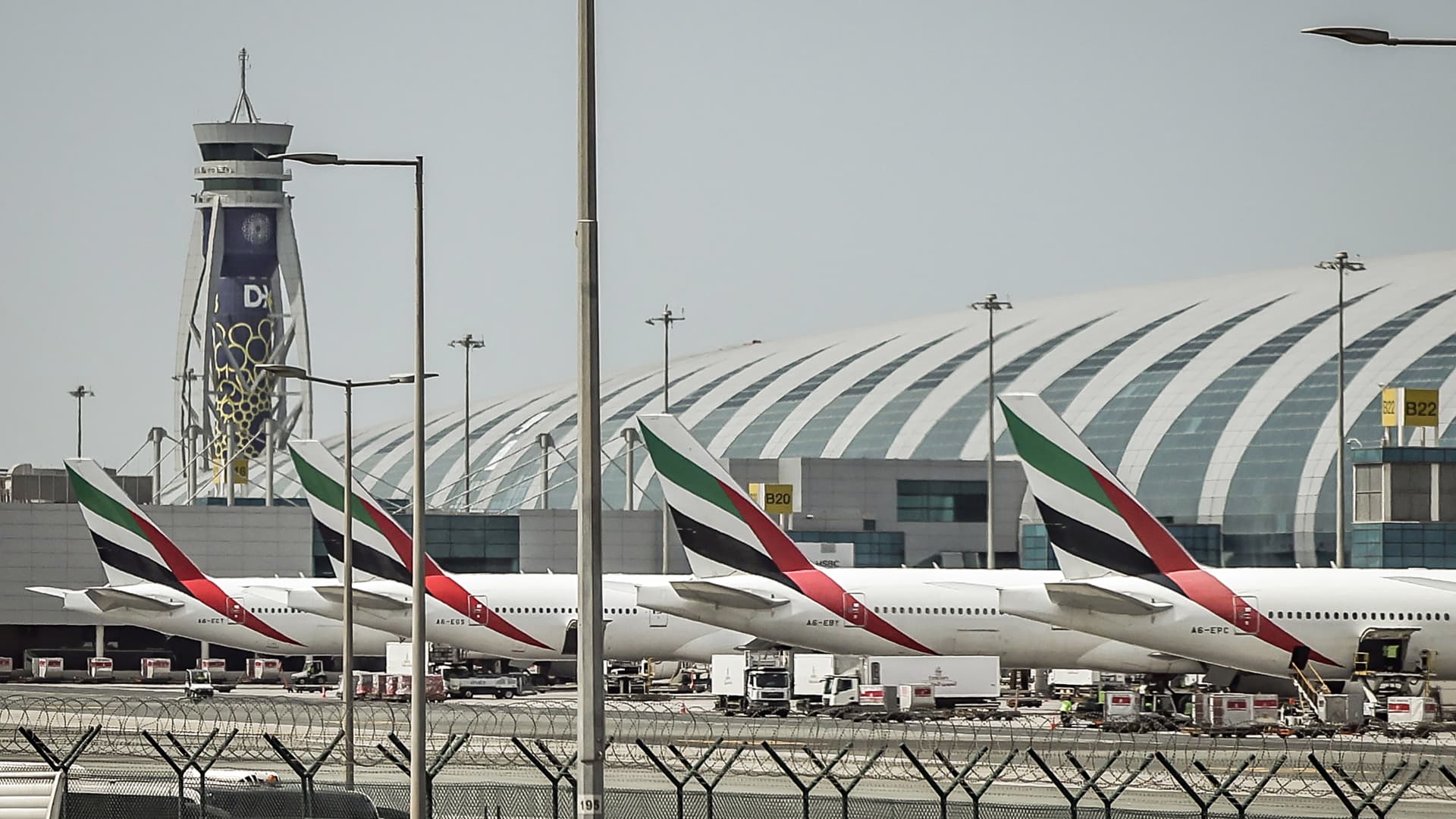
- Flight Cancellations Surge: Over 46,000 flights to and from the Middle East have been canceled since the U.S.-Israel conflict began, posing significant operational challenges for airlines and destabilizing the global aviation market.
- High Airfare Affects Travel Plans: Vietnamese traveler Michelle Bui canceled her trip to the Middle East due to soaring ticket prices ranging from $1,500 to $2,000, highlighting the direct impact of the conflict on travel demand.
- Corporate Travel Strategy Adjustments: Voluntary flight cancellations on Europe-Asia routes more than doubled in the first week of March due to safety concerns, indicating that companies are reassessing employee travel safety, which affects the frequency of business trips.
- Regional Travel Gains Popularity: Ferry travel from Singapore to Batam, Indonesia, remains popular despite a $4.66 fuel surcharge, reflecting the appeal of regional travel options as Asian travelers prefer short getaways over long-haul flights.

Hotels Temper World Cup Expectations Amid Low Bookings

- Booking Trends Decline: According to Hotel Dive, early booking trends for the World Cup indicate that some host cities are experiencing single-digit bookings, reflecting a cautious outlook on match-related demand that could negatively impact overall hotel revenue.
- Weak RevPAR Projections: An analysis by OysterLink suggests that U.S. RevPAR is expected to rise only slightly during the tournament, which is disappointing for hotel operators who had high hopes for a summer surge in bookings.
- Strategy Adjustments: Many properties in host markets have filled only a small share of FIFA room blocks, prompting operators to abandon an event-only strategy and reopen inventory to regular corporate and leisure travelers to avoid unused rooms.
- Flexible Pricing Strategies: Hotel operators are adjusting by embracing more dynamic pricing, loosening length-of-stay restrictions, and maintaining broad distribution, indicating a shift in treating the World Cup as a high-demand summer period rather than a once-in-a-lifetime windfall.
HILTON WORLDWIDE HOLDINGS: BARCLAYS INCREASES TARGET PRICE TO $363, UP FROM $350
Company Update: Hilton Worldwide Holdings has raised its target price for Barclays from $350 to $363.
Market Reaction: This adjustment reflects positive expectations for Hilton's performance in the market.
Jerome Dodson's Q1 2026 Investment Moves
- New Stock Additions: Jerome Dodson added a total of 8 stocks in Q1 2026, with the most significant being Dick's Sporting Goods Inc (NYSE:DKS), acquiring 75,518 shares, which represents 2.07% of the portfolio and a total value of $14.97 million, indicating confidence in the sports retail market.
- Key Position Increases: Dodson increased his stake in DoorDash Inc (NASDAQ:DASH) by 50,768 shares, a 135.47% rise, bringing the total to 88,243 shares, impacting the portfolio by 1.05% with a total value of $13.25 million, reflecting optimism in the food delivery sector.
- Complete Exits: In Q1 2026, Dodson completely exited 8 holdings, including Equifax Inc (NYSE:EFX), selling all 98,891 shares, resulting in a -2.67% impact on the portfolio, demonstrating caution towards the data services industry.
- Significant Reductions: Dodson reduced his position in Teradyne Inc (NASDAQ:TER) by 67,375 shares, a 45.27% decrease, impacting the portfolio by -1.62%, while the stock has returned 58.85% over the past three months, indicating a reassessment of the tech sector.
EXCLUSIVE: COMMVault Systems Considering Sale with Assistance from Goldman Sachs Following Takeover Interest, Sources Reveal
Potential Sale Exploration: Commvault Systems is considering a potential sale following interest from Goldman Sachs.
Takeover Interest: The exploration of a sale comes after the company received takeover interest, indicating a shift in its strategic direction.
Travel Sector Shows Strong Resilience Amid Market Turmoil
- Hilton's Strong Performance: Hilton Worldwide Holdings (HLT) has achieved an annualized total return of 21% over the past five years and an impressive 23% over ten years, demonstrating robust recovery in the post-COVID era, with a projected 9% revenue growth and 38% EBIT growth for 2025.
- Marriott's Expansion Momentum: Marriott International (MAR) ended 2025 with over 1.78 million rooms and a Bonvoy loyalty program membership increase to nearly 271 million, with the 2026 FIFA World Cup expected to boost revenue per available room by 40 basis points, further solidifying its market position.
- Viking's Rapid Growth: Viking Holdings Ltd. (VIK) posted a 62% return in 2025 and has already booked 86% of its 2026 capacity, expecting 13% revenue growth and 35% EBITDA growth, reflecting strong demand in the river cruise market.
- Market Sentiment Impact: Despite Marriott facing technical damage from rising oil prices, its fundamentals remain solid, and investors should monitor the 200-day moving average for support to assess future trend changes.
Middle East Conflict Disrupts Tourism Industry
- Flight Cancellations Surge: Over 46,000 flights to and from the Middle East have been canceled since the U.S.-Israel conflict began, posing significant operational challenges for airlines and destabilizing the global aviation market.
- High Airfare Affects Travel Plans: Vietnamese traveler Michelle Bui canceled her trip to the Middle East due to soaring ticket prices ranging from $1,500 to $2,000, highlighting the direct impact of the conflict on travel demand.
- Corporate Travel Strategy Adjustments: Voluntary flight cancellations on Europe-Asia routes more than doubled in the first week of March due to safety concerns, indicating that companies are reassessing employee travel safety, which affects the frequency of business trips.
- Regional Travel Gains Popularity: Ferry travel from Singapore to Batam, Indonesia, remains popular despite a $4.66 fuel surcharge, reflecting the appeal of regional travel options as Asian travelers prefer short getaways over long-haul flights.
Hotels Temper World Cup Expectations Amid Low Bookings
- Booking Trends Decline: According to Hotel Dive, early booking trends for the World Cup indicate that some host cities are experiencing single-digit bookings, reflecting a cautious outlook on match-related demand that could negatively impact overall hotel revenue.
- Weak RevPAR Projections: An analysis by OysterLink suggests that U.S. RevPAR is expected to rise only slightly during the tournament, which is disappointing for hotel operators who had high hopes for a summer surge in bookings.
- Strategy Adjustments: Many properties in host markets have filled only a small share of FIFA room blocks, prompting operators to abandon an event-only strategy and reopen inventory to regular corporate and leisure travelers to avoid unused rooms.
- Flexible Pricing Strategies: Hotel operators are adjusting by embracing more dynamic pricing, loosening length-of-stay restrictions, and maintaining broad distribution, indicating a shift in treating the World Cup as a high-demand summer period rather than a once-in-a-lifetime windfall.