Warsh's Wealth Surpasses All Recent Fed Chairs
Written by Emily J. Thompson, Senior Investment Analyst
Updated: 6 days ago
0mins

Should l Buy UPS?
Source: CNBC
- Wealth Disclosure: Warsh's financial disclosures reveal a wealth range of $131 million to $209 million, significantly surpassing current Fed Chair Powell's $19 million to $75 million, highlighting Warsh's prominent status in the financial sector.
- Diverse Income Sources: Warsh disclosed $10 million in income from advisor Stanley Druckenmiller and approximately $3 million from his role at Stanford's Hoover Institution, indicating his influence across multiple domains.
- Asset Transparency Issues: His filings detail around 1,800 individual assets, yet many are subject to 'pre-existing confidentiality obligations,' which may hinder transparency in his confirmation process.
- Uncertain Political Future: Although Warsh's Senate hearing is expected next week, his path to final approval remains unclear as Senator Tillis has stated he will block it until the federal criminal probe into Powell is resolved, casting doubt on Warsh's political prospects.
Trade with 70% Backtested Accuracy
Stop guessing "Should I Buy UPS?" and start using high-conviction signals backed by rigorous historical data.
Sign up today to access powerful investing tools and make smarter, data-driven decisions.
Analyst Views on UPS
Wall Street analysts forecast UPS stock price to rise
19 Analyst Rating
9 Buy
9 Hold
1 Sell
Moderate Buy
Current: 106.440

Low
80.00
Averages
107.06
High
126.00
Current: 106.440
Low
80.00
Averages
107.06
High
126.00
About UPS
United Parcel Service, Inc. is a global package delivery and logistics provider. Its U.S. Domestic Package segment offers a full spectrum of air and ground package transportation services. Its air portfolio offers time-definite, same-day, next-day, two-day and three-day delivery alternatives as well as air cargo services. Its ground network enables customers to ship using its day-definite ground service. Ground Saver provides residential ground service for customers with non-urgent, lightweight residential shipments. Its International Package segment consists of small package operations in Europe, Middle East and Africa, Canada and Latin America and Asia. It offers a selection of guaranteed day and time-definite international transportation services supported by its brokerage capabilities that facilitate cross-border clearance for international shipments. Its supply chain solutions consist of customized third-party logistics and specialized cold chain transportation solutions.
About the author

Emily J. Thompson
Emily J. Thompson, a Chartered Financial Analyst (CFA) with 12 years in investment research, graduated with honors from the Wharton School. Specializing in industrial and technology stocks, she provides in-depth analysis for Intellectia’s earnings and market brief reports.
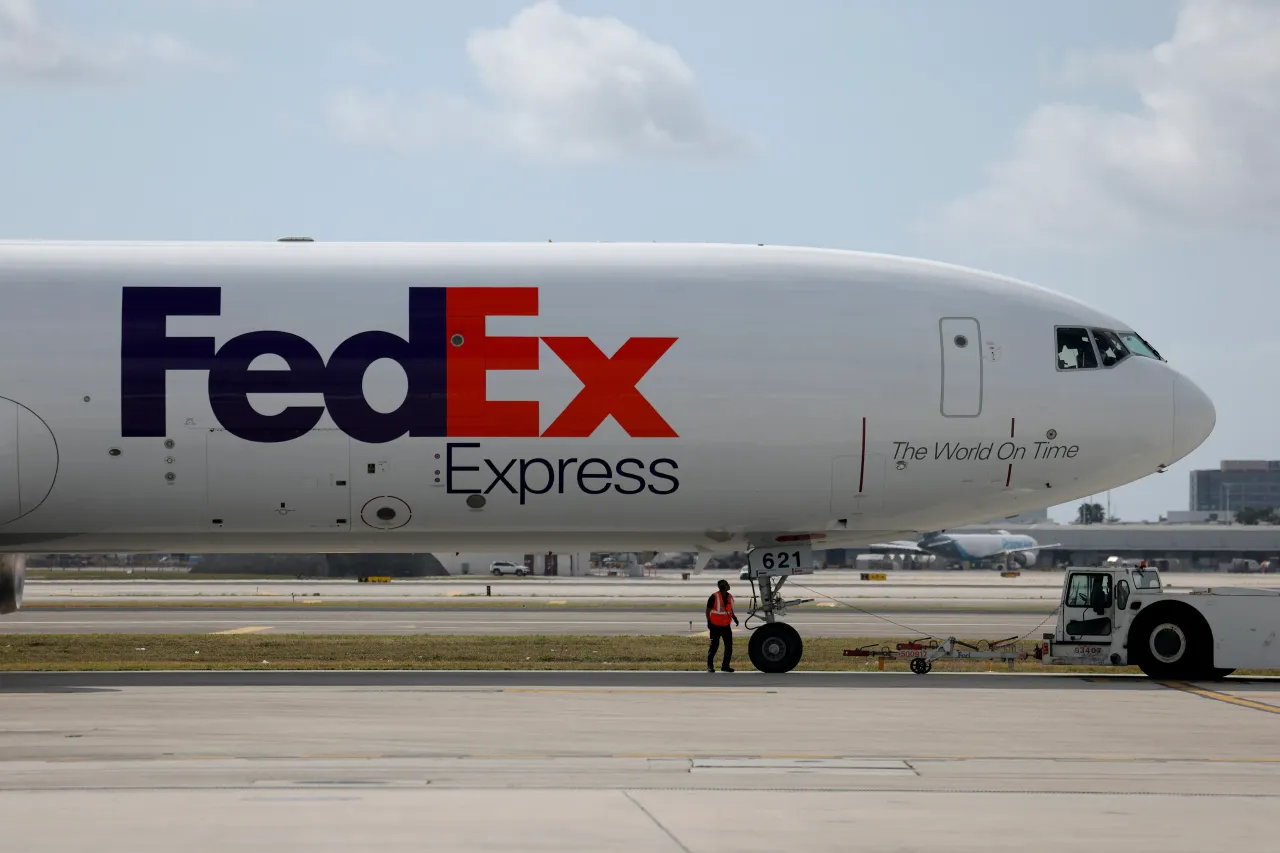
Trump Administration Initiates $166 Billion Tariff Refunds Following Supreme Court Ruling

- Tariff Refund Initiation: The Trump administration is set to initiate $166 billion in tariff refunds following a Supreme Court ruling, impacting over 53 million shipments and potentially alleviating financial pressure on importers.
- Lawsuit Surge: Major U.S. importers, including FedEx, Costco, and UPS, are facing lawsuits from consumers seeking compensation for increased costs due to tariffs, which could negatively affect these companies' market performance.
- Market Reaction: Following the acceptance of tariff refund claims, FedEx shares surged to record highs, gaining 35% year-to-date, while Costco shares also rose 17%, indicating a positive market response to the refund news.
- Retailer Strategies: FedEx has committed to returning tariff refunds to customers, while Costco plans to pass on refunds through lower prices and better values, showcasing differing strategies among retailers in response to tariff pressures.
See More

The Pros and Cons of Portfolio Rebalancing


- Portfolio Growth: Over the past decade, the S&P 500 has surged approximately 240%, which is excellent news for long-term investors; however, failing to adjust portfolios may lead to individual stocks representing a disproportionately high percentage, increasing risk exposure.
- Risks of Rebalancing: Annual rebalancing may force investors to sell top-performing stocks, potentially missing out on significant long-term gains, particularly for stocks like Nvidia, which have excelled over the past decade, leading to regret if sold prematurely.
- Tax Implications: Selling stocks that have appreciated significantly can trigger substantial capital gains taxes, especially for stocks held for less than a year, thereby increasing the tax burden on investors.
- Investment Strategy Choices: While rebalancing helps manage risk, long-term holding of high-performing stocks often yields better returns, prompting investors to choose strategies that align with their individual circumstances and risk tolerance.
See More

UPS Stock Rises for Ten Consecutive Days Amid Market Volatility
- Stock Performance: UPS shares have risen for ten consecutive trading days, closing up 0.6% at $107.03 on Monday, with a year-to-date increase of over 7%, outperforming the S&P 500's 4% rise, indicating strong market confidence in its business.
- Strong Monthly Gains: The stock has gained nearly 11% over the past month, with 11 out of 13 trading days in April showing gains, reflecting the company's robust performance in the current market environment and enhancing investor expectations for future growth.
- Analyst Rating Divergence: According to Seeking Alpha's Quant Rating, UPS holds a 3.24 Hold rating, with an A+ in profitability prospects but a D- in growth factors, indicating analysts' cautious stance on its growth potential despite strong fundamentals.
- Future Growth Potential: Barron anticipates that if UPS continues its operational excellence, shareholders could see approximately 30% gains over the next 12 months, reflecting the market's underestimation of its recovery potential, even amid macroeconomic volatility and geopolitical tensions.
See More

UPS Turnaround Outlook: Inflection Point in 2026
- Financial Restructuring Challenges: UPS has seen its stock price decline over 50% in the past two years, yet management suggests that the troubling financial results may soon come to an end, indicating a difficult turnaround process for the company.
- Customer Structure Adjustment: By cutting costs and focusing on more profitable customers, UPS has experienced a revenue decline; however, revenue per piece in the U.S. market rose 7.1% in 2025, reflecting the initial success of the company's strategic shift.
- 2026 Outlook: Management anticipates that financial results will improve in the second half of 2026, despite the first half continuing recent trends of declining revenues and pressured margins, marking a potential turning point for the company.
- Investment Opportunity: With UPS's stock down significantly, market expectations are low, suggesting that if management's projections materialize, the financial reports in Q3 and Q4 could substantially boost the stock price, making preemptive buying a potentially lucrative decision.
See More

UPS Faces Challenges in Turnaround Efforts
- Performance Decline: UPS's stock has fallen over 50% from its 2022 peak, reflecting the pressure on the company's performance during its turnaround efforts, although management anticipates improvements in the second half of 2026.
- Revenue Strategy Shift: The company has cut costs and focused on more profitable customers, leading to a revenue decline; however, the revenue per piece in the U.S. market increased by 7.1% in 2025, indicating initial success of the transformation.
- Future Outlook: Management expects revenues to begin climbing and margins to improve in the second half of 2026, although the overall performance for the year may remain flat compared to 2025, yet investor optimism could drive stock price recovery.
- Low Market Expectations: With UPS's stock significantly down, Wall Street has low expectations for its future performance, suggesting that buying now could yield substantial returns as improvements are reflected in upcoming financial reports.
See More

UPS's Turnaround Outlook Sparks Investor Interest
- Performance Decline Context: UPS's stock has fallen over 50% since its 2022 peak, and while management claims financial results are set to improve, investors must remain vigilant regarding its turnaround efforts.
- Revenue Growth Signs: In 2025, UPS's revenue per piece in the U.S. market increased by 7.1%, indicating some success in shifting towards more profitable customers, even as overall revenues continue to decline.
- 2026 Outlook: Management anticipates that the second half of 2026 will mark a turning point, with revenues expected to rebound and margins to improve, despite continued pressure in the first half of the year.
- Investor Strategy: Given UPS's significant stock decline and low market expectations, buying before the second half could yield substantial returns, particularly if the anticipated performance improvements materialize.
See More
Trump Administration Initiates $166 Billion Tariff Refunds Following Supreme Court Ruling
- Tariff Refund Initiation: The Trump administration is set to initiate $166 billion in tariff refunds following a Supreme Court ruling, impacting over 53 million shipments and potentially alleviating financial pressure on importers.
- Lawsuit Surge: Major U.S. importers, including FedEx, Costco, and UPS, are facing lawsuits from consumers seeking compensation for increased costs due to tariffs, which could negatively affect these companies' market performance.
- Market Reaction: Following the acceptance of tariff refund claims, FedEx shares surged to record highs, gaining 35% year-to-date, while Costco shares also rose 17%, indicating a positive market response to the refund news.
- Retailer Strategies: FedEx has committed to returning tariff refunds to customers, while Costco plans to pass on refunds through lower prices and better values, showcasing differing strategies among retailers in response to tariff pressures.
See More
The Pros and Cons of Portfolio Rebalancing
- Portfolio Growth: Over the past decade, the S&P 500 has surged approximately 240%, which is excellent news for long-term investors; however, failing to adjust portfolios may lead to individual stocks representing a disproportionately high percentage, increasing risk exposure.
- Risks of Rebalancing: Annual rebalancing may force investors to sell top-performing stocks, potentially missing out on significant long-term gains, particularly for stocks like Nvidia, which have excelled over the past decade, leading to regret if sold prematurely.
- Tax Implications: Selling stocks that have appreciated significantly can trigger substantial capital gains taxes, especially for stocks held for less than a year, thereby increasing the tax burden on investors.
- Investment Strategy Choices: While rebalancing helps manage risk, long-term holding of high-performing stocks often yields better returns, prompting investors to choose strategies that align with their individual circumstances and risk tolerance.
See More
UPS Stock Rises for Ten Consecutive Days Amid Market Volatility
- Stock Performance: UPS shares have risen for ten consecutive trading days, closing up 0.6% at $107.03 on Monday, with a year-to-date increase of over 7%, outperforming the S&P 500's 4% rise, indicating strong market confidence in its business.
- Strong Monthly Gains: The stock has gained nearly 11% over the past month, with 11 out of 13 trading days in April showing gains, reflecting the company's robust performance in the current market environment and enhancing investor expectations for future growth.
- Analyst Rating Divergence: According to Seeking Alpha's Quant Rating, UPS holds a 3.24 Hold rating, with an A+ in profitability prospects but a D- in growth factors, indicating analysts' cautious stance on its growth potential despite strong fundamentals.
- Future Growth Potential: Barron anticipates that if UPS continues its operational excellence, shareholders could see approximately 30% gains over the next 12 months, reflecting the market's underestimation of its recovery potential, even amid macroeconomic volatility and geopolitical tensions.
See More
UPS Turnaround Outlook: Inflection Point in 2026
- Financial Restructuring Challenges: UPS has seen its stock price decline over 50% in the past two years, yet management suggests that the troubling financial results may soon come to an end, indicating a difficult turnaround process for the company.
- Customer Structure Adjustment: By cutting costs and focusing on more profitable customers, UPS has experienced a revenue decline; however, revenue per piece in the U.S. market rose 7.1% in 2025, reflecting the initial success of the company's strategic shift.
- 2026 Outlook: Management anticipates that financial results will improve in the second half of 2026, despite the first half continuing recent trends of declining revenues and pressured margins, marking a potential turning point for the company.
- Investment Opportunity: With UPS's stock down significantly, market expectations are low, suggesting that if management's projections materialize, the financial reports in Q3 and Q4 could substantially boost the stock price, making preemptive buying a potentially lucrative decision.
See More
UPS Faces Challenges in Turnaround Efforts
- Performance Decline: UPS's stock has fallen over 50% from its 2022 peak, reflecting the pressure on the company's performance during its turnaround efforts, although management anticipates improvements in the second half of 2026.
- Revenue Strategy Shift: The company has cut costs and focused on more profitable customers, leading to a revenue decline; however, the revenue per piece in the U.S. market increased by 7.1% in 2025, indicating initial success of the transformation.
- Future Outlook: Management expects revenues to begin climbing and margins to improve in the second half of 2026, although the overall performance for the year may remain flat compared to 2025, yet investor optimism could drive stock price recovery.
- Low Market Expectations: With UPS's stock significantly down, Wall Street has low expectations for its future performance, suggesting that buying now could yield substantial returns as improvements are reflected in upcoming financial reports.
See More
UPS's Turnaround Outlook Sparks Investor Interest
- Performance Decline Context: UPS's stock has fallen over 50% since its 2022 peak, and while management claims financial results are set to improve, investors must remain vigilant regarding its turnaround efforts.
- Revenue Growth Signs: In 2025, UPS's revenue per piece in the U.S. market increased by 7.1%, indicating some success in shifting towards more profitable customers, even as overall revenues continue to decline.
- 2026 Outlook: Management anticipates that the second half of 2026 will mark a turning point, with revenues expected to rebound and margins to improve, despite continued pressure in the first half of the year.
- Investor Strategy: Given UPS's significant stock decline and low market expectations, buying before the second half could yield substantial returns, particularly if the anticipated performance improvements materialize.
See More