Vertical Farming Faces Survival Challenges After Billions in Funding
Written by Emily J. Thompson, Senior Investment Analyst
Updated: Mar 22 2026
0mins

Source: seekingalpha
- Industry Struggles: After attracting billions in venture capital, vertical farming is now facing survival challenges, with notable startups like Bowery Farming and AppHarvest shutting down, leaving only a fraction of early entrants operational, highlighting the high risks and uncertainties in the sector.
- Cost Pressures: Vertical farms require expensive infrastructure such as warehouses, lighting, and custom systems, and they struggle against traditional agriculture, which operates with higher efficiency and thinner margins, leading to squeezed profitability across the industry.
- Demand Misestimation: Many companies overestimated market demand by focusing on premium products like lettuce, facing strong competition and limited pricing power, prompting some to pivot towards niche crops like strawberries to attract customers willing to pay more.
- Strategic Shifts: Survivors in the industry are adjusting their strategies by moving towards smaller, focused operations and forming partnerships with institutions like schools and hospitals, replacing earlier ambitions of mass-market disruption, indicating a role as a complement rather than a replacement for traditional agriculture.
Trade with 70% Backtested Accuracy
Stop guessing "Should I Buy MOS?" and start using high-conviction signals backed by rigorous historical data.
Sign up today to access powerful investing tools and make smarter, data-driven decisions.
Analyst Views on MOS
Wall Street analysts forecast MOS stock price to rise
13 Analyst Rating
6 Buy
7 Hold
0 Sell
Moderate Buy
Current: 24.110

Low
24.00
Averages
32.38
High
43.00
Current: 24.110
Low
24.00
Averages
32.38
High
43.00
About MOS
The Mosaic Company is a producer and marketer of concentrated phosphate and potash crop nutrients. The Company’s segments include Phosphates, Potash and Mosaic Fertilizantes. The Phosphates segment sells phosphate-based crop nutrients and animal feed ingredients throughout North America and internationally. The Potash business segment owns and operates potash mines and production facilities in Canada and the United States, which produces potash-based crop nutrients, animal feed ingredients and industrial products, and is sold both in domestic and international. The Mosaic Fertilizantes Segment produces and sells phosphate- and potash-based crop nutrients, and animal feed ingredients, in Brazil. In addition to phosphate rock mines and chemical plants, this segment consists of sales offices, crop nutrient blending and bagging facilities, port terminals and warehouses in Brazil and Paraguay. This segment also serves as a distribution outlet for its Phosphates and Potash segments.
About the author

Emily J. Thompson
Emily J. Thompson, a Chartered Financial Analyst (CFA) with 12 years in investment research, graduated with honors from the Wharton School. Specializing in industrial and technology stocks, she provides in-depth analysis for Intellectia’s earnings and market brief reports.

Mosaic Company to Release Q1 2026 Earnings Results
- Earnings Release Schedule: The Mosaic Company plans to release its Q1 2026 earnings results on May 11, 2026, before the NYSE opens, indicating the company's commitment to transparency and investor communication, which may influence market expectations for its future performance.
- Conference Call Details: The company will host a conference call at 11:00 a.m. Eastern Time on May 11 to discuss the earnings results and will open the lines for questions, aiming to enhance investor engagement and boost market confidence.
- Webcast Availability: The conference call will be accessible via a webcast on Mosaic's website, with an audio replay available for one year, reflecting the company's emphasis on information dissemination and ensuring investors can access critical updates at their convenience.
- Company Background: Mosaic is one of the world's leading producers of concentrated phosphate and potash crop nutrients, committed to advancing sustainable agricultural practices through its Biosciences platform, highlighting its strategic position and market influence in the agriculture sector.
See More

Trump Extends Iran Ceasefire Deadline Amid Market Uncertainty


- Ceasefire Extension: President Trump has extended the Iran ceasefire deadline by two weeks, a move that may exacerbate uncertainty in the Middle East conflict as Tehran shows reluctance to engage in diplomatic efforts, potentially impacting global market sentiment.
- Tariff Policy Impact: Trump expressed hope that U.S. companies that have not sought refunds for his tariffs will adhere to a 'no take back' policy, despite the Supreme Court ruling the tariffs illegal; major firms like Apple and Amazon have yet to file for refunds, which could affect their future financial performance.
- Market Reaction: Following Trump's announcement of the ceasefire extension, U.S. stock index futures rose, despite a lower close on Tuesday, while crude oil prices increased, indicating market sensitivity to developments in the Middle East.
- Aviation Industry Outlook: United Airlines has slashed its 2026 earnings outlook due to supply chain issues stemming from the Middle East conflict, reflecting the direct impact of soaring fuel prices on the airline industry and potentially leading to broader industry adjustments.
See More

Iran Opens Strait of Hormuz, Fertilizer Stocks Plummet

- Fertilizer Stocks Plummet: Fertilizer stocks faced a sharp decline on Friday as Iran declared the Strait of Hormuz 'completely open' to commercial vessels, with CF Industries and Nutrien dropping 9.6% and 5.2% respectively, marking their lowest levels since early March and indicating a rapid unwinding of the supply-risk premium.
- Market Performance Rankings: CF Industries leads the sector with a year-to-date performance of 61.25%, followed by Intrepid Potash at 41.65% and FMC at 26.75%, reflecting a lingering market confidence in the fertilizer industry despite the easing of supply risks.
- Other Company Performances: CVR Partners, Itafos, and Corteva reported year-to-date gains between 21% and 23%, demonstrating relative resilience in a declining market and indicating their competitive strength within the sector.
- Shifting Market Sentiment: With the opening of the Strait of Hormuz, fertilizer prices have plunged, leading to a shift in market sentiment towards pessimism, particularly as Mosaic only fell 0.6%, suggesting cautious investor sentiment regarding its future outlook.
See More
Israel and Lebanon Reach Historic Ceasefire Agreement

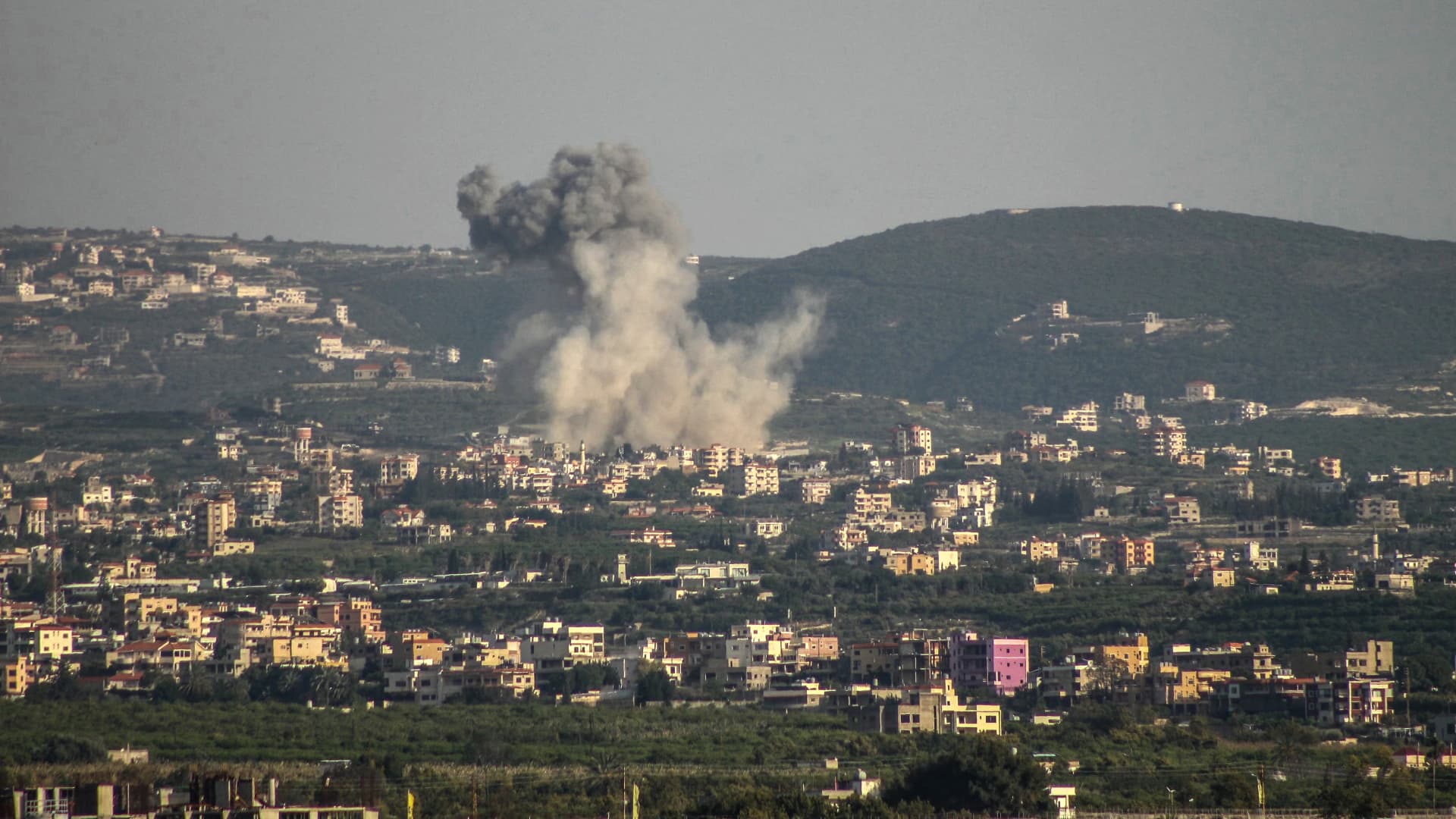
- Historic Ceasefire Agreement: Israel and Lebanon have reached a 10-day ceasefire agreement in Washington, marking the first meaningful talks between the two nations since 1983, potentially paving the way for a broader peace agreement in the Middle East.
- Positive Market Reaction: Israel's central bank governor noted that markets are responding positively to the latest peace developments, with major markets holding near record highs, reflecting investor optimism for stability in the region despite ongoing geopolitical uncertainties.
- U.S. Diplomatic Efforts: President Trump plans to invite Israeli Prime Minister Netanyahu and Lebanese President Aoun for talks, further advancing the improvement of relations between the two countries and highlighting the U.S.'s active role in the Middle East peace process.
- Impact of Iranian Situation: Trump mentioned that the war in Iran is progressing well and is expected to end soon, a statement that could influence regional security dynamics and market reactions, prompting investors to monitor future military and diplomatic developments.
See More
US Stocks Close Higher with Chipmakers Rallying


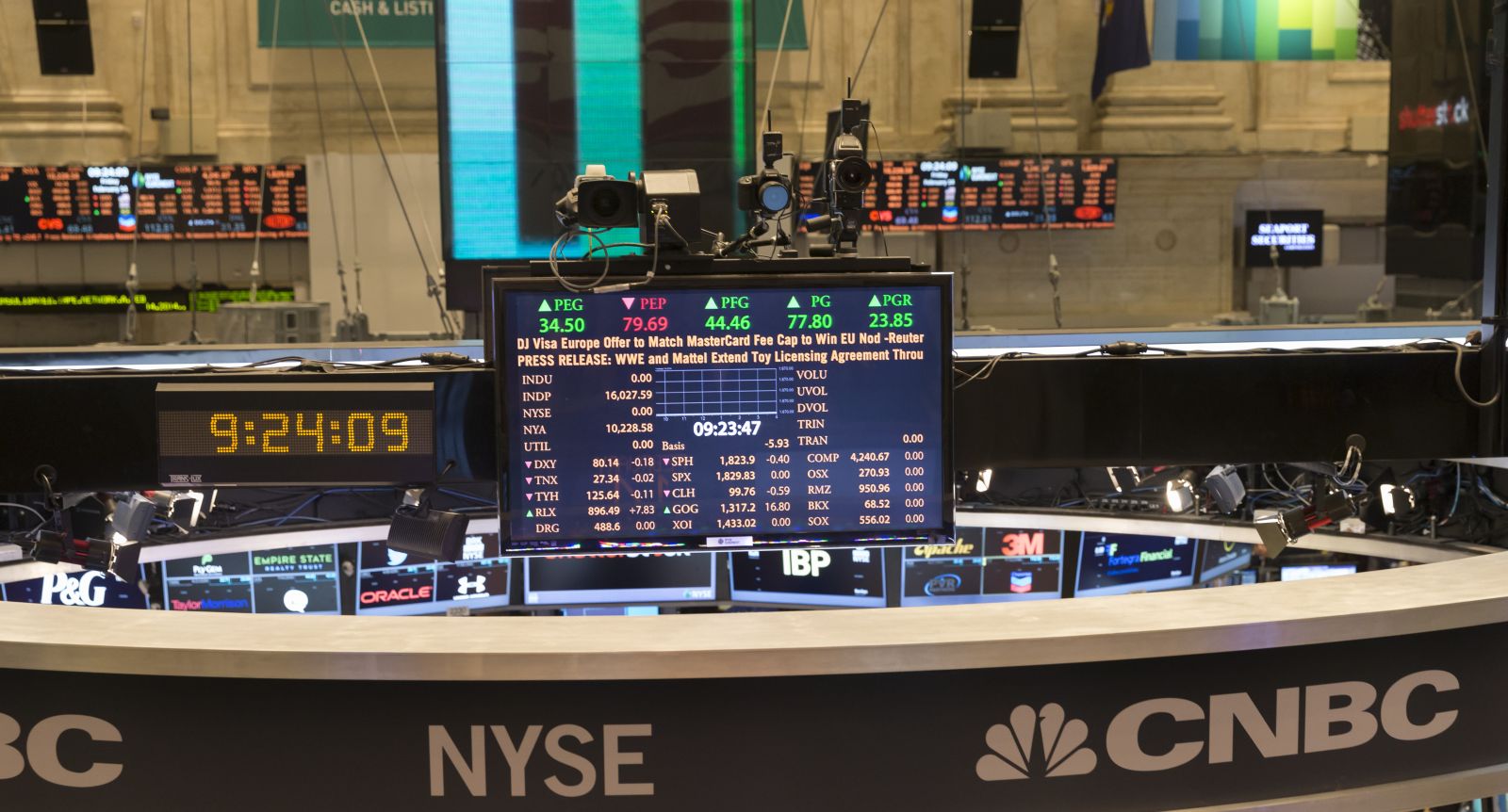
- Market Recovery: On Thursday, the S&P 500 rose by 0.26% and the Nasdaq 100 by 0.49%, reaching new highs, indicating a strong rebound after early losses and reflecting investor confidence in economic recovery.
- Chip Sector Boost: Taiwan Semiconductor Manufacturing Co raised its 2026 revenue forecast, highlighting strong AI demand, which propelled chipmakers' stock prices, particularly benefiting major suppliers to Nvidia and Apple, further enhancing market optimism.
- Oil Price Impact: Despite the stock market gains, crude oil prices surged over 3%, raising concerns about the Middle East situation and limiting the market's upward momentum, illustrating the potential impact of energy prices on the overall economy.
- Mixed Economic Data: Initial jobless claims fell to 207,000, exceeding expectations and indicating labor market strength, but unexpected declines in manufacturing production reflect economic uncertainty, which could influence future monetary policy.
See More
Bank of America Recommends High-Yield Stocks to Navigate Market Volatility

- Market Volatility Strategy: Bank of America highlights that in the face of market volatility and stagflation risks, investors should focus on sustainable high-yield stocks to protect their portfolios, especially as the S&P 500 reaches an all-time high.
- Sustainable Dividend Yields: With the S&P 500's dividend yield at only 1.1%, Bank of America advises investors to seek stocks with above-market but not overstretched dividend yields to achieve better returns, particularly in the current interest rate environment.
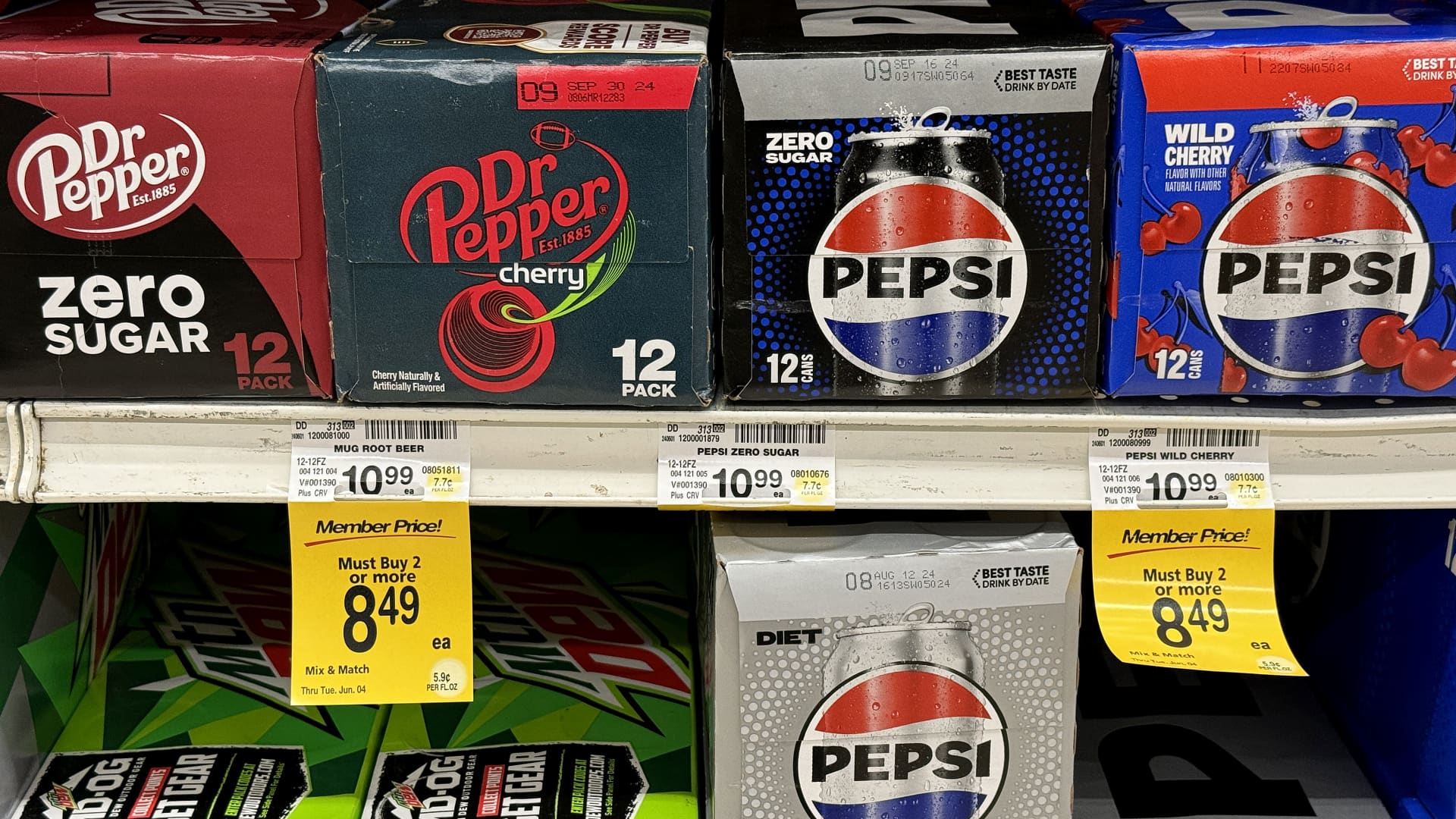
- PepsiCo's Strong Performance: PepsiCo reported first-quarter adjusted earnings of $1.61 per share, exceeding market expectations, and its North American food business saw volume growth for the first time in two years, demonstrating the company's adaptability following price adjustments.
- Citizens Financial's Positive Outlook: Citizens Financial reported first-quarter earnings of $1.13 per share, surpassing expectations, and forecasts net interest income growth of 3% to 4%, indicating resilience and growth potential for the regional bank in the current economic climate.
See More
Mosaic Company to Release Q1 2026 Earnings Results
- Earnings Release Schedule: The Mosaic Company plans to release its Q1 2026 earnings results on May 11, 2026, before the NYSE opens, indicating the company's commitment to transparency and investor communication, which may influence market expectations for its future performance.
- Conference Call Details: The company will host a conference call at 11:00 a.m. Eastern Time on May 11 to discuss the earnings results and will open the lines for questions, aiming to enhance investor engagement and boost market confidence.
- Webcast Availability: The conference call will be accessible via a webcast on Mosaic's website, with an audio replay available for one year, reflecting the company's emphasis on information dissemination and ensuring investors can access critical updates at their convenience.
- Company Background: Mosaic is one of the world's leading producers of concentrated phosphate and potash crop nutrients, committed to advancing sustainable agricultural practices through its Biosciences platform, highlighting its strategic position and market influence in the agriculture sector.
See More
Trump Extends Iran Ceasefire Deadline Amid Market Uncertainty
- Ceasefire Extension: President Trump has extended the Iran ceasefire deadline by two weeks, a move that may exacerbate uncertainty in the Middle East conflict as Tehran shows reluctance to engage in diplomatic efforts, potentially impacting global market sentiment.
- Tariff Policy Impact: Trump expressed hope that U.S. companies that have not sought refunds for his tariffs will adhere to a 'no take back' policy, despite the Supreme Court ruling the tariffs illegal; major firms like Apple and Amazon have yet to file for refunds, which could affect their future financial performance.
- Market Reaction: Following Trump's announcement of the ceasefire extension, U.S. stock index futures rose, despite a lower close on Tuesday, while crude oil prices increased, indicating market sensitivity to developments in the Middle East.
- Aviation Industry Outlook: United Airlines has slashed its 2026 earnings outlook due to supply chain issues stemming from the Middle East conflict, reflecting the direct impact of soaring fuel prices on the airline industry and potentially leading to broader industry adjustments.
See More
Iran Opens Strait of Hormuz, Fertilizer Stocks Plummet
- Fertilizer Stocks Plummet: Fertilizer stocks faced a sharp decline on Friday as Iran declared the Strait of Hormuz 'completely open' to commercial vessels, with CF Industries and Nutrien dropping 9.6% and 5.2% respectively, marking their lowest levels since early March and indicating a rapid unwinding of the supply-risk premium.
- Market Performance Rankings: CF Industries leads the sector with a year-to-date performance of 61.25%, followed by Intrepid Potash at 41.65% and FMC at 26.75%, reflecting a lingering market confidence in the fertilizer industry despite the easing of supply risks.
- Other Company Performances: CVR Partners, Itafos, and Corteva reported year-to-date gains between 21% and 23%, demonstrating relative resilience in a declining market and indicating their competitive strength within the sector.
- Shifting Market Sentiment: With the opening of the Strait of Hormuz, fertilizer prices have plunged, leading to a shift in market sentiment towards pessimism, particularly as Mosaic only fell 0.6%, suggesting cautious investor sentiment regarding its future outlook.
See More
Israel and Lebanon Reach Historic Ceasefire Agreement
- Historic Ceasefire Agreement: Israel and Lebanon have reached a 10-day ceasefire agreement in Washington, marking the first meaningful talks between the two nations since 1983, potentially paving the way for a broader peace agreement in the Middle East.
- Positive Market Reaction: Israel's central bank governor noted that markets are responding positively to the latest peace developments, with major markets holding near record highs, reflecting investor optimism for stability in the region despite ongoing geopolitical uncertainties.
- U.S. Diplomatic Efforts: President Trump plans to invite Israeli Prime Minister Netanyahu and Lebanese President Aoun for talks, further advancing the improvement of relations between the two countries and highlighting the U.S.'s active role in the Middle East peace process.
- Impact of Iranian Situation: Trump mentioned that the war in Iran is progressing well and is expected to end soon, a statement that could influence regional security dynamics and market reactions, prompting investors to monitor future military and diplomatic developments.
See More
US Stocks Close Higher with Chipmakers Rallying
- Market Recovery: On Thursday, the S&P 500 rose by 0.26% and the Nasdaq 100 by 0.49%, reaching new highs, indicating a strong rebound after early losses and reflecting investor confidence in economic recovery.
- Chip Sector Boost: Taiwan Semiconductor Manufacturing Co raised its 2026 revenue forecast, highlighting strong AI demand, which propelled chipmakers' stock prices, particularly benefiting major suppliers to Nvidia and Apple, further enhancing market optimism.
- Oil Price Impact: Despite the stock market gains, crude oil prices surged over 3%, raising concerns about the Middle East situation and limiting the market's upward momentum, illustrating the potential impact of energy prices on the overall economy.
- Mixed Economic Data: Initial jobless claims fell to 207,000, exceeding expectations and indicating labor market strength, but unexpected declines in manufacturing production reflect economic uncertainty, which could influence future monetary policy.
See More
Bank of America Recommends High-Yield Stocks to Navigate Market Volatility
- Market Volatility Strategy: Bank of America highlights that in the face of market volatility and stagflation risks, investors should focus on sustainable high-yield stocks to protect their portfolios, especially as the S&P 500 reaches an all-time high.
- Sustainable Dividend Yields: With the S&P 500's dividend yield at only 1.1%, Bank of America advises investors to seek stocks with above-market but not overstretched dividend yields to achieve better returns, particularly in the current interest rate environment.
- PepsiCo's Strong Performance: PepsiCo reported first-quarter adjusted earnings of $1.61 per share, exceeding market expectations, and its North American food business saw volume growth for the first time in two years, demonstrating the company's adaptability following price adjustments.
- Citizens Financial's Positive Outlook: Citizens Financial reported first-quarter earnings of $1.13 per share, surpassing expectations, and forecasts net interest income growth of 3% to 4%, indicating resilience and growth potential for the regional bank in the current economic climate.
See More