Venezuelan Opposition Leader Calls for Investment
Written by Emily J. Thompson, Senior Investment Analyst
Updated: 5 days ago
0mins

Should l Buy COP?
Source: CNBC
- Investment Hesitation: Venezuelan opposition leader María Corina Machado will address the S&P Global CERAWeek in Houston, yet the oil and gas industry remains hesitant to invest in the country despite the U.S. ousting former President Maduro, indicating deep concerns over political stability.
- Need for Political Reform: Machado's opposition movement seeks a transition to democracy and a market economy; however, industry leaders like ConocoPhillips and Exxon Mobil have made it clear they will only consider returning after significant political reforms are implemented to protect private sector investments, reflecting dissatisfaction with the current situation.
- Asset Compensation Issues: ConocoPhillips CEO Ryan Lance highlighted that the company lost $12 billion due to asset seizures by the Chávez government in 2007, emphasizing that they will not invest without a mechanism for compensation recovery, underscoring a lack of confidence in the investment environment.
- Policy Durability Challenges: Lance noted that attracting the billions needed for investment requires not only guarantees of physical security and contracts but also policy durability from both Venezuela and the U.S., indicating international investors' concerns about potential political shifts that could affect investment decisions.
Trade with 70% Backtested Accuracy
Stop guessing "Should I Buy COP?" and start using high-conviction signals backed by rigorous historical data.
Sign up today to access powerful investing tools and make smarter, data-driven decisions.
Analyst Views on COP
Wall Street analysts forecast COP stock price to fall
19 Analyst Rating
15 Buy
3 Hold
1 Sell
Moderate Buy
Current: 133.800

Low
98.00
Averages
115.67
High
133.00
Current: 133.800
Low
98.00
Averages
115.67
High
133.00
About COP
ConocoPhillips is an exploration and production company. Its Alaska segment primarily explores for, produces, transports and markets crude oil, natural gas and NGLs. The Lower 48 segment consists of operations located in the 48 contiguous states in the United States and the Gulf of Mexico. Canadian operations consist of the Surmont oil sands development in Alberta, the liquids-rich Montney unconventional play in British Columbia and commercial operations. The Europe, Middle East and North Africa segment consists of operations principally located in the Norwegian sector of the North Sea, the Norwegian Sea, Qatar, Libya, Equatorial Guinea and commercial and terminalling operations in the United Kingdom. Asia Pacific segment has exploration and production operations in China, Malaysia, Australia and commercial operations in China, Singapore and Japan. Other International segment includes interests in Colombia as well as contingencies associated with prior operations in other countries.
About the author

Emily J. Thompson
Emily J. Thompson, a Chartered Financial Analyst (CFA) with 12 years in investment research, graduated with honors from the Wharton School. Specializing in industrial and technology stocks, she provides in-depth analysis for Intellectia’s earnings and market brief reports.
Markets Misinterpret Fed's Rate Hike Signals Amid Oil Price Surge


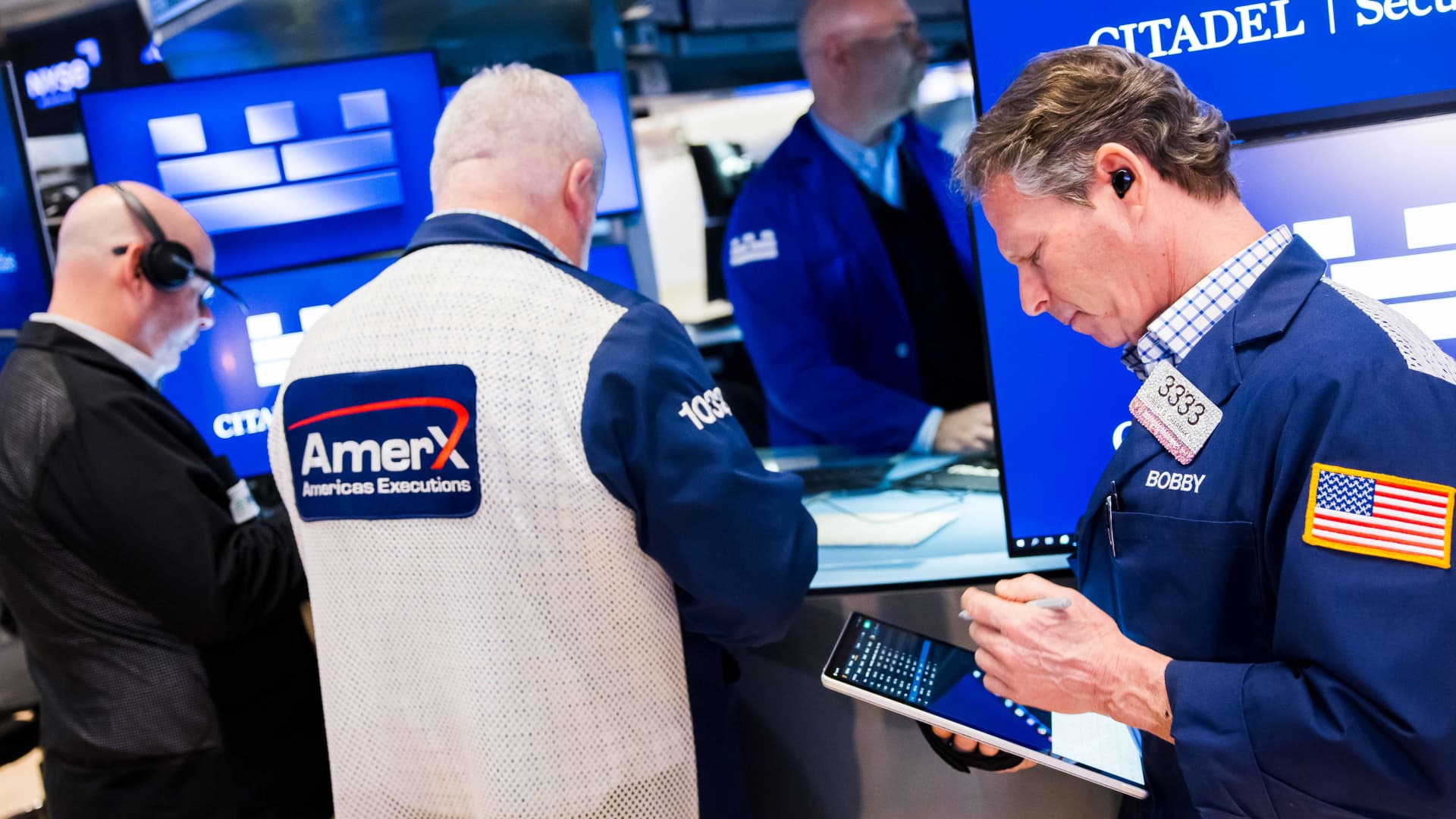
- Market Expectation Volatility: Investors have rapidly shifted their expectations regarding U.S. interest rates, with the CME Group's FedWatch tool indicating that futures markets implied over a 50% chance of a rate hike by the end of 2026 on Friday, which fell to about 14% by Monday morning, reflecting an overreaction to rate hike signals.
- Impact of Surging Oil Prices: Global Brent crude prices have surged above $115 per barrel due to the ongoing Iran war, exacerbating inflation concerns and prompting investors to question whether the Fed might tighten monetary policy again despite signs of slowing growth.
- Historical Lessons: Goldman Sachs highlights the cautionary tale of the 1990 oil shock, where markets initially anticipated a hawkish Fed response but ultimately saw rate cuts as economic conditions worsened, suggesting that current market pricing may be misaligned with historical precedents.
- Political Factors at Play: President Trump indicated that an end to the conflict with Iran may be near, although he warned that if a peace deal is not reached soon, the U.S. would attack key Iranian energy infrastructure, which could further influence oil price movements.
See More
Trump Threatens to Obliterate Iran's Energy Infrastructure


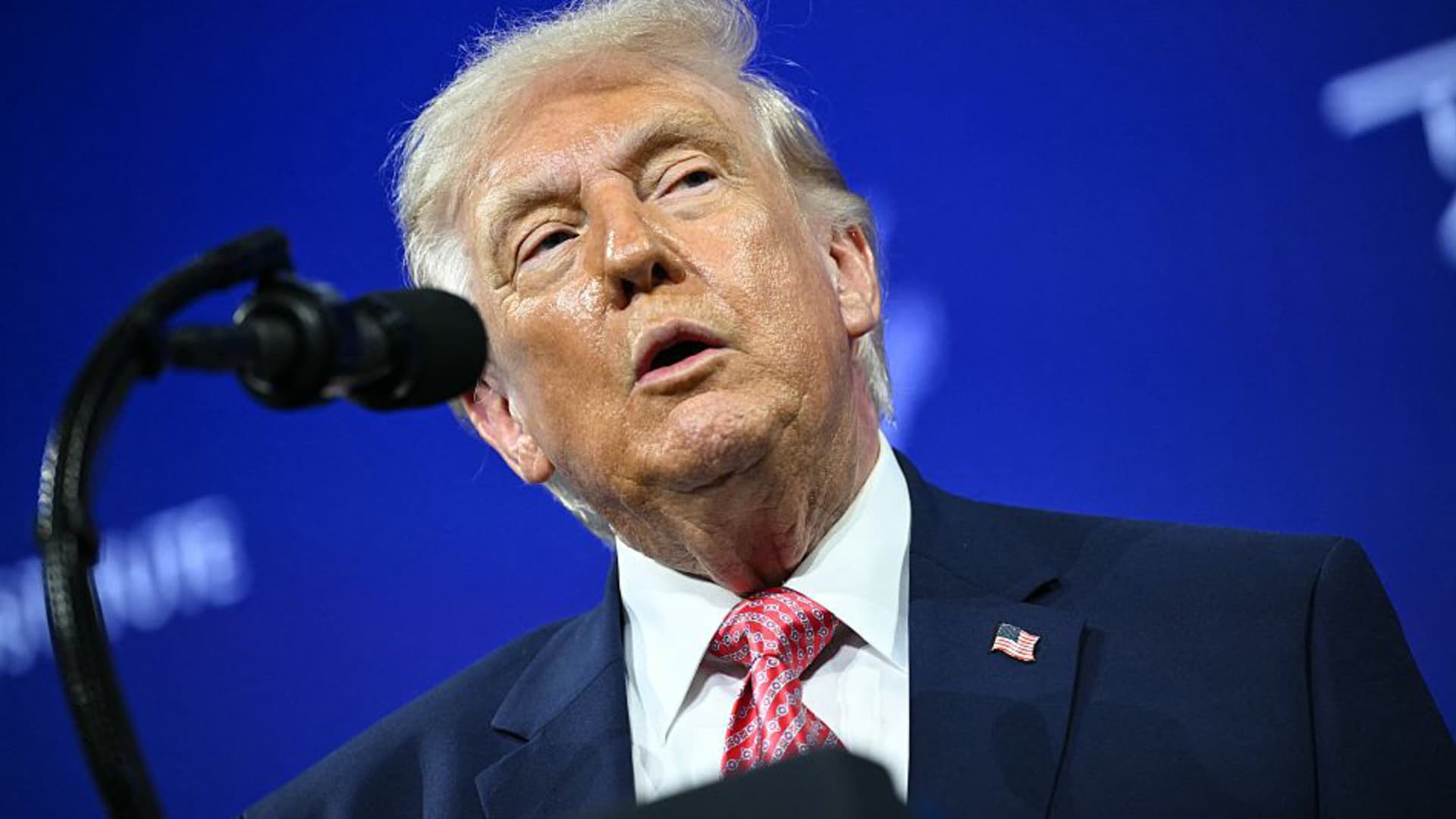
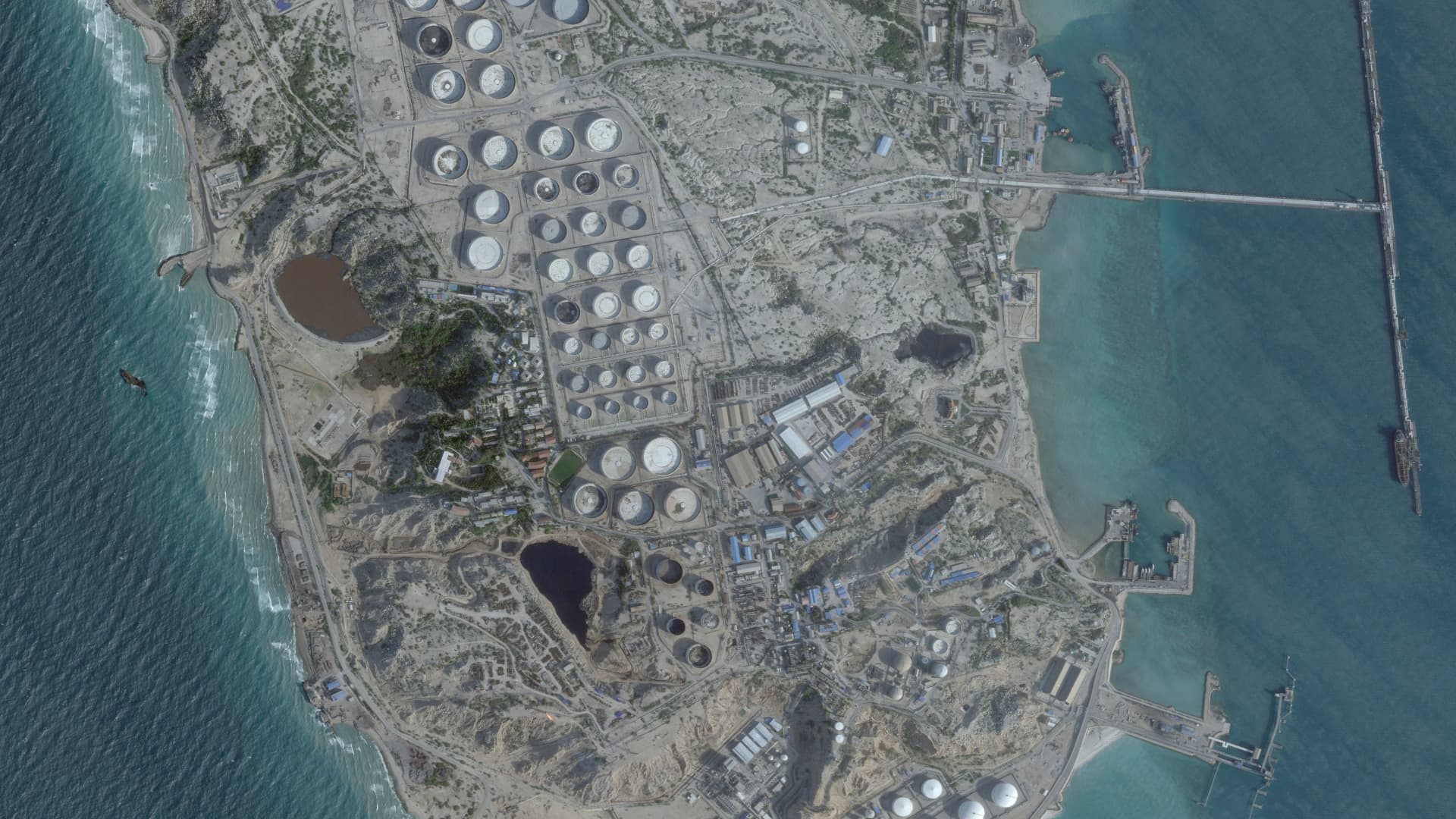
- Escalating Strategic Threats: Trump stated that the U.S. would completely obliterate Iran's electric generating plants, oil wells, and Kharg Island if the Strait of Hormuz is not reopened and a peace deal is not reached, which could escalate regional tensions and impact global energy markets significantly.
- Oil Export Dependency: Kharg Island serves as a critical hub for Iran's oil industry, with approximately 90% of the country's crude exports passing through it and a loading capacity of around 7 million barrels per day; Trump's threats could have substantial implications for global oil prices, especially given the current upward trend.
- Military Action Consideration: The Trump administration is weighing the deployment of ground forces to seize Kharg Island, which would intensify military conflict with Iran and potentially lead to broader regional instability, affecting international relations.
- Iran's Tepid Response: Despite the attention Trump's remarks have garnered, Iran has yet to formally respond, with a Foreign Ministry spokesperson labeling the U.S. 15-point plan as
See More
Stock Futures Rise Amid Oil Price Surge and Market Recovery

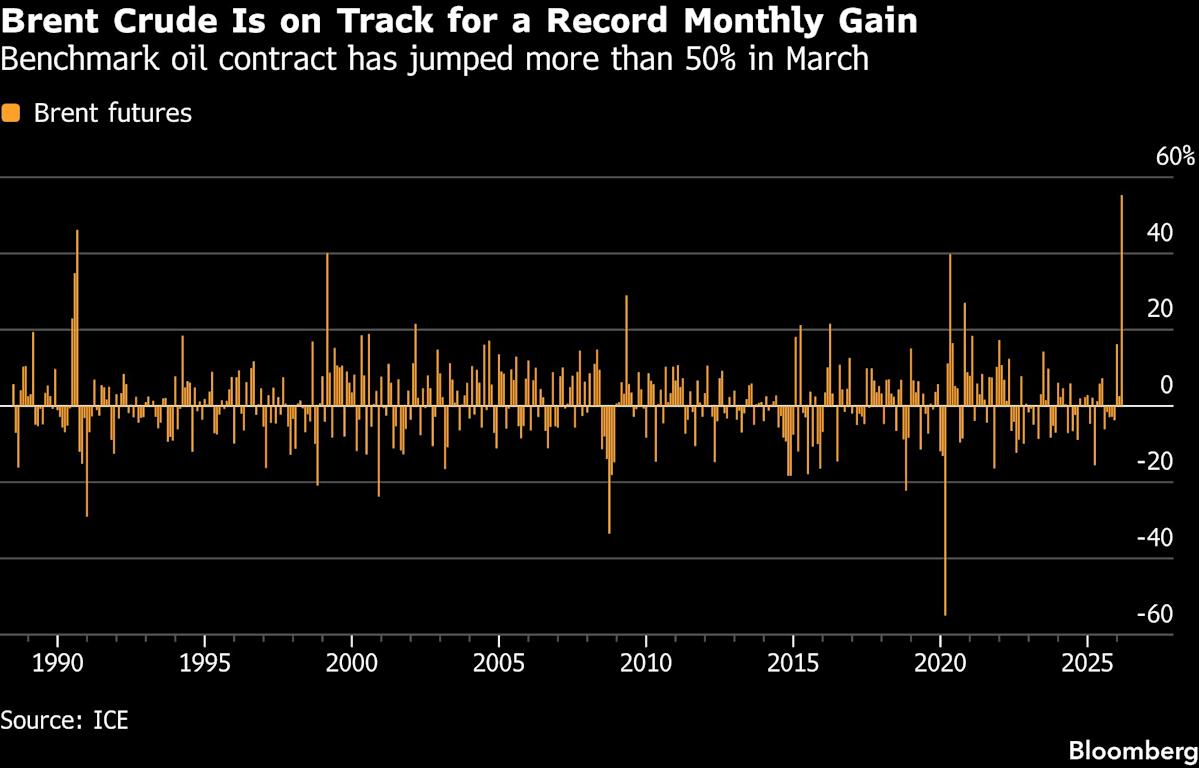
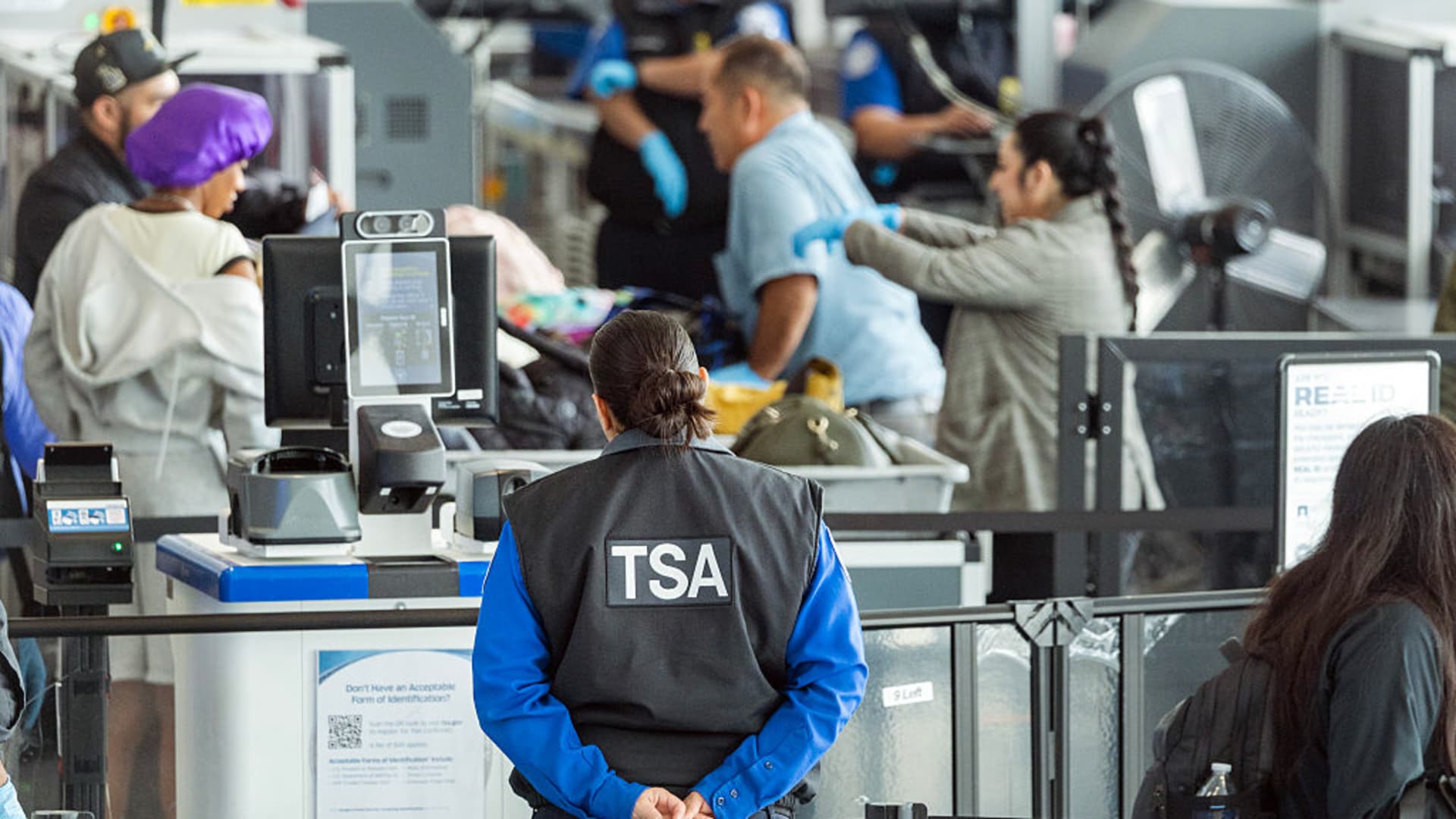
- Oil Price Surge: Crude oil prices skyrocketed by 55% in March following Trump's threat to seize Iranian oil, marking the largest monthly gain ever, which pressures the U.S. economy and forces companies to adjust pricing strategies to cope with rising costs.
- Market Recovery Signal: Despite the S&P 500 and Nasdaq Composite experiencing their worst week of 2026, stock futures rose after Trump indicated “great progress” in negotiations with Iran, reflecting investor optimism about market recovery.
- TSA Employee Pay Restoration: Trump signed an executive order ensuring Transportation Security Administration employees will receive pay after Congress failed to reach a deal to end the government shutdown, alleviating traveler frustrations caused by long security wait times.
- AI Drug Development Partnership: Eli Lilly struck a $2.75 billion deal with Insilico Medicine to bring AI-developed drugs to market, enhancing Lilly's market confidence and potentially accelerating the application of AI in the pharmaceutical industry.
See More
European Stocks Expected to Open Lower Amid Escalating Iran Conflict
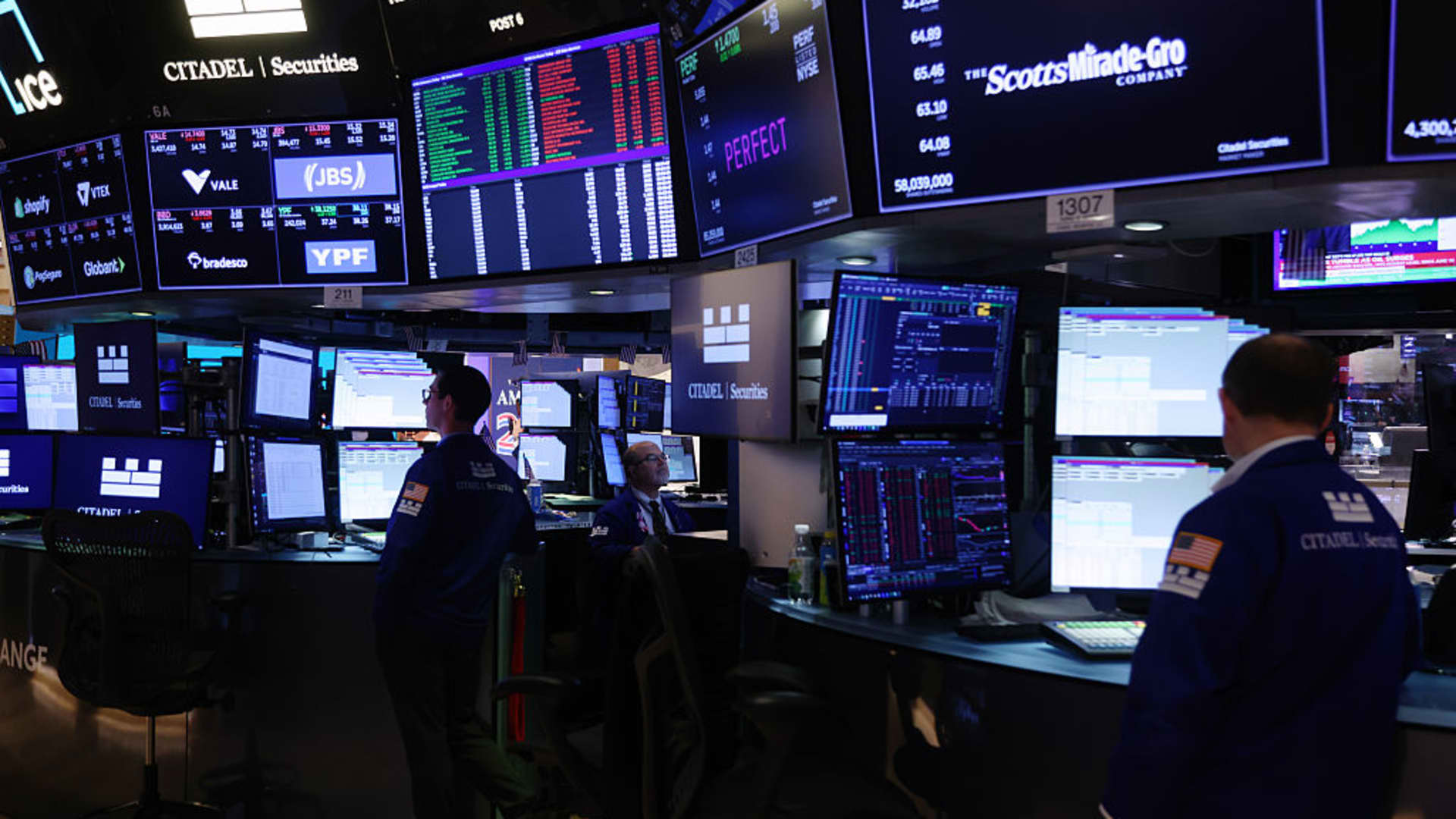
- Market Expectations Decline: European stocks are anticipated to open lower on Monday as investors grapple with escalating concerns over the Iran war, with the UK's FTSE 100 expected to drop 0.2%, Germany's DAX down 0.6%, France's CAC 40 down 0.4%, and Italy's FTSE MIB down 0.4%, indicating heightened sensitivity to geopolitical risks.
- Oil Prices Surge: West Texas Intermediate crude futures rose 2.58% to $102.19 per barrel during early Asian trading hours, reflecting market concerns over potential supply disruptions due to the escalating conflict, which further intensifies investor focus on energy prices.
- Houthi Movement's Involvement: Yemen's Houthi movement has directly engaged in the conflict by launching missiles at Israel, marking a significant escalation and potentially leading to broader regional instability, which could adversely affect global market sentiment.
- G7 Emergency Meeting: G7 finance ministers, energy ministers, and central bank governors are set to hold an emergency meeting on Monday, marking the fourth ministerial-level gathering since the war began, aimed at coordinating responses to the evolving economic and energy landscape, demonstrating the international community's heightened concern over the situation.
See More
Trump's Intent to Seize Iran's Oil Market Raises Concerns
- Cautious Market Reaction: Trump's declaration of wanting to 'take Iran's oil' while suggesting a 'peace deal could be made fairly quickly' has left markets feeling uneasy, leading investors to adopt a risk-averse stance as Asia-Pacific markets fell sharply on Monday.
- Military Deployment Escalation: The Pentagon is reportedly preparing for weeks of ground operations in Iran, with thousands of American soldiers and Marines arriving in the Middle East, raising concerns about an escalation in the Iran conflict that could disrupt global supply chains and increase prices.
- Rising Oil Price Pressure: Oil prices are climbing again as the conflict intensifies, particularly after Yemen's Iran-backed Houthis fired missiles at Israel, heightening fears over energy supply disruptions that could impact the global economy.
- Shipping Route Risks: The Strait of Hormuz, a vital shipping route, is being impeded by the ongoing war, with industry leaders warning that if it does not reopen by mid-April, supply disruptions could worsen significantly, affecting operations across various sectors.
See More
Middle East Tensions Escalate, Oil Prices Surge
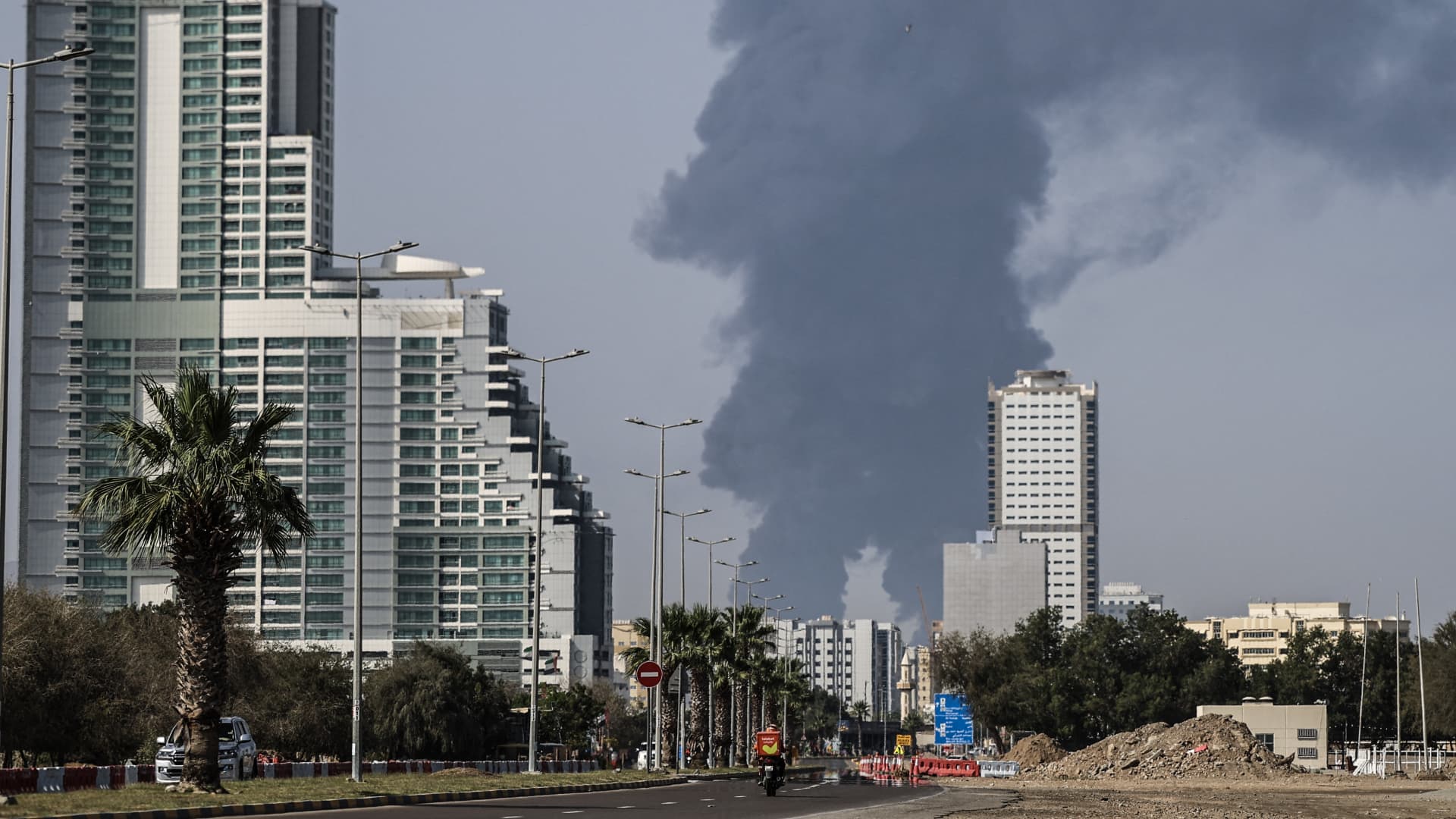
- U.S. Troop Increase: President Trump indicated the possibility of deploying ground forces to Iran's Kharg Island, with 3,500 U.S. troops already in the region, signaling an escalation in military presence that could heighten tensions and impact global energy markets.
- Surging Oil Prices: Brent crude futures rose 2.92% to $115.86 per barrel, while U.S. West Texas Intermediate futures increased by 3.20% to $102.80 per barrel, reflecting market concerns over escalating tensions in the Middle East that could lead to higher energy costs.
- Infrastructure Attacks: An attack on a power generation and desalination plant in Kuwait resulted in the death of an Indian worker, highlighting the threat posed by Iranian aggression to critical infrastructure, which could disrupt water and electricity supplies and escalate regional conflict.
- Houthi Forces Involvement: The Houthi forces from Yemen launched ballistic missiles targeting Israel, further intensifying regional tensions and indicating a broader conflict that could have significant implications for global markets.
See More
Markets Misinterpret Fed's Rate Hike Signals Amid Oil Price Surge
- Market Expectation Volatility: Investors have rapidly shifted their expectations regarding U.S. interest rates, with the CME Group's FedWatch tool indicating that futures markets implied over a 50% chance of a rate hike by the end of 2026 on Friday, which fell to about 14% by Monday morning, reflecting an overreaction to rate hike signals.
- Impact of Surging Oil Prices: Global Brent crude prices have surged above $115 per barrel due to the ongoing Iran war, exacerbating inflation concerns and prompting investors to question whether the Fed might tighten monetary policy again despite signs of slowing growth.
- Historical Lessons: Goldman Sachs highlights the cautionary tale of the 1990 oil shock, where markets initially anticipated a hawkish Fed response but ultimately saw rate cuts as economic conditions worsened, suggesting that current market pricing may be misaligned with historical precedents.
- Political Factors at Play: President Trump indicated that an end to the conflict with Iran may be near, although he warned that if a peace deal is not reached soon, the U.S. would attack key Iranian energy infrastructure, which could further influence oil price movements.
See More
Trump Threatens to Obliterate Iran's Energy Infrastructure
- Escalating Strategic Threats: Trump stated that the U.S. would completely obliterate Iran's electric generating plants, oil wells, and Kharg Island if the Strait of Hormuz is not reopened and a peace deal is not reached, which could escalate regional tensions and impact global energy markets significantly.
- Oil Export Dependency: Kharg Island serves as a critical hub for Iran's oil industry, with approximately 90% of the country's crude exports passing through it and a loading capacity of around 7 million barrels per day; Trump's threats could have substantial implications for global oil prices, especially given the current upward trend.
- Military Action Consideration: The Trump administration is weighing the deployment of ground forces to seize Kharg Island, which would intensify military conflict with Iran and potentially lead to broader regional instability, affecting international relations.
- Iran's Tepid Response: Despite the attention Trump's remarks have garnered, Iran has yet to formally respond, with a Foreign Ministry spokesperson labeling the U.S. 15-point plan as
See More
Stock Futures Rise Amid Oil Price Surge and Market Recovery
- Oil Price Surge: Crude oil prices skyrocketed by 55% in March following Trump's threat to seize Iranian oil, marking the largest monthly gain ever, which pressures the U.S. economy and forces companies to adjust pricing strategies to cope with rising costs.
- Market Recovery Signal: Despite the S&P 500 and Nasdaq Composite experiencing their worst week of 2026, stock futures rose after Trump indicated “great progress” in negotiations with Iran, reflecting investor optimism about market recovery.
- TSA Employee Pay Restoration: Trump signed an executive order ensuring Transportation Security Administration employees will receive pay after Congress failed to reach a deal to end the government shutdown, alleviating traveler frustrations caused by long security wait times.
- AI Drug Development Partnership: Eli Lilly struck a $2.75 billion deal with Insilico Medicine to bring AI-developed drugs to market, enhancing Lilly's market confidence and potentially accelerating the application of AI in the pharmaceutical industry.
See More
European Stocks Expected to Open Lower Amid Escalating Iran Conflict
- Market Expectations Decline: European stocks are anticipated to open lower on Monday as investors grapple with escalating concerns over the Iran war, with the UK's FTSE 100 expected to drop 0.2%, Germany's DAX down 0.6%, France's CAC 40 down 0.4%, and Italy's FTSE MIB down 0.4%, indicating heightened sensitivity to geopolitical risks.
- Oil Prices Surge: West Texas Intermediate crude futures rose 2.58% to $102.19 per barrel during early Asian trading hours, reflecting market concerns over potential supply disruptions due to the escalating conflict, which further intensifies investor focus on energy prices.
- Houthi Movement's Involvement: Yemen's Houthi movement has directly engaged in the conflict by launching missiles at Israel, marking a significant escalation and potentially leading to broader regional instability, which could adversely affect global market sentiment.
- G7 Emergency Meeting: G7 finance ministers, energy ministers, and central bank governors are set to hold an emergency meeting on Monday, marking the fourth ministerial-level gathering since the war began, aimed at coordinating responses to the evolving economic and energy landscape, demonstrating the international community's heightened concern over the situation.
See More
Trump's Intent to Seize Iran's Oil Market Raises Concerns
- Cautious Market Reaction: Trump's declaration of wanting to 'take Iran's oil' while suggesting a 'peace deal could be made fairly quickly' has left markets feeling uneasy, leading investors to adopt a risk-averse stance as Asia-Pacific markets fell sharply on Monday.
- Military Deployment Escalation: The Pentagon is reportedly preparing for weeks of ground operations in Iran, with thousands of American soldiers and Marines arriving in the Middle East, raising concerns about an escalation in the Iran conflict that could disrupt global supply chains and increase prices.
- Rising Oil Price Pressure: Oil prices are climbing again as the conflict intensifies, particularly after Yemen's Iran-backed Houthis fired missiles at Israel, heightening fears over energy supply disruptions that could impact the global economy.
- Shipping Route Risks: The Strait of Hormuz, a vital shipping route, is being impeded by the ongoing war, with industry leaders warning that if it does not reopen by mid-April, supply disruptions could worsen significantly, affecting operations across various sectors.
See More
Middle East Tensions Escalate, Oil Prices Surge
- U.S. Troop Increase: President Trump indicated the possibility of deploying ground forces to Iran's Kharg Island, with 3,500 U.S. troops already in the region, signaling an escalation in military presence that could heighten tensions and impact global energy markets.
- Surging Oil Prices: Brent crude futures rose 2.92% to $115.86 per barrel, while U.S. West Texas Intermediate futures increased by 3.20% to $102.80 per barrel, reflecting market concerns over escalating tensions in the Middle East that could lead to higher energy costs.
- Infrastructure Attacks: An attack on a power generation and desalination plant in Kuwait resulted in the death of an Indian worker, highlighting the threat posed by Iranian aggression to critical infrastructure, which could disrupt water and electricity supplies and escalate regional conflict.
- Houthi Forces Involvement: The Houthi forces from Yemen launched ballistic missiles targeting Israel, further intensifying regional tensions and indicating a broader conflict that could have significant implications for global markets.
See More