United Airlines Introduces New Fare Structure to Simplify Flight Choices
United announced a new tiered fare structure that will make it easier for customers to find the flight experience that best matches their preferences. The airline will offer three fare options in premium cabins for long-haul international, transcontinental U.S. and select Hawaii flights: base - a new option, standard and flexible, that will join the airline's existing basic, standard and flexible fares in economy. The front cabin will also be branded United Polaris on select transcontinental U.S. and select longer Hawaii flights, and customers who buy the standard or flexible fares in United Polaris on these flights will have access to the United Polaris lounge. Customers who purchase the base option for United Polaris will still have access to the United Club.
Trade with 70% Backtested Accuracy
Analyst Views on UAL

About UAL
About the author

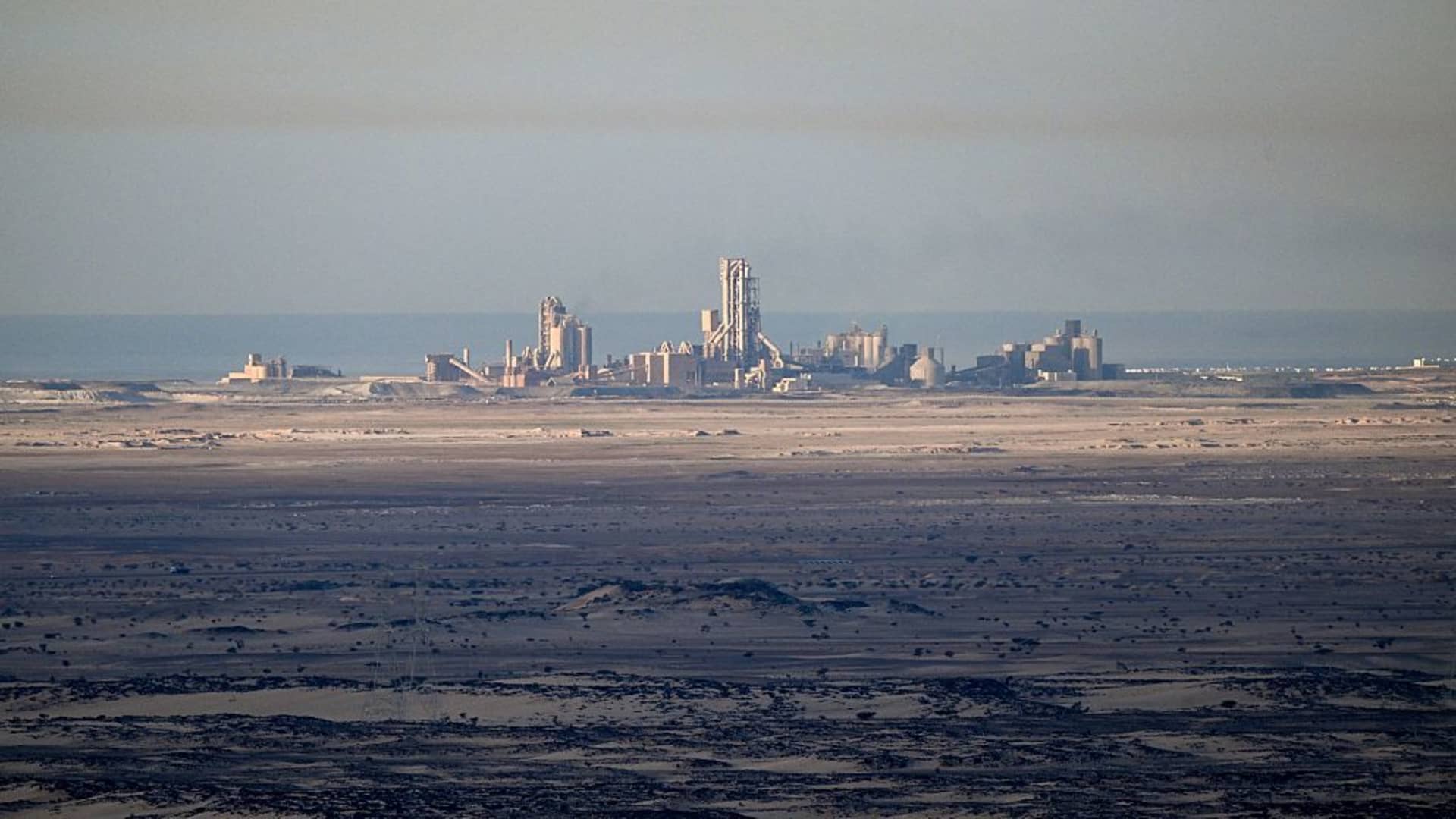
Fragile U.S.-Iran Ceasefire Tested Amid Oil Price Volatility


- Oil Price Fluctuations: Iran's attack on Saudi Arabia's Red Sea pipeline has cut throughput by 700,000 barrels per day, causing oil prices to hover below $100 per barrel, which exacerbates uncertainty in global markets.
- Ceasefire Negotiations Tension: U.S. and Iranian negotiators are set to meet in Pakistan, and despite heated rhetoric, there remains a willingness to maintain the ceasefire, which could impact future energy supply and price stability.
- Global Economic Impact: China's factory-gate prices have risen for the first time in over three years, indicating the war's disruption of global energy markets, potentially leading to increased inflationary pressures for the Federal Reserve.
- Political Landscape Attention: The British Prime Minister expressed frustration over energy price volatility, highlighting the influence of international politics on domestic economies, which underscores the far-reaching effects of global political dynamics on markets.

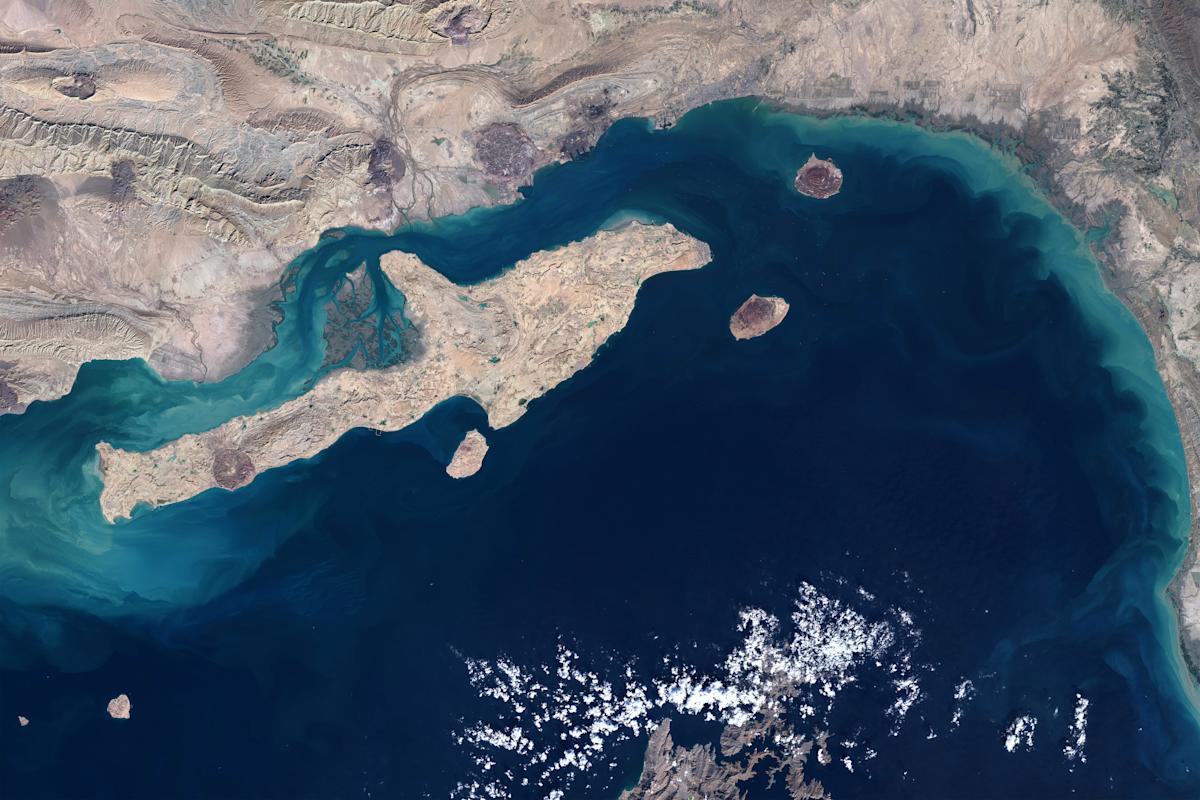
Closure of Strait of Hormuz Triggers Global Energy Crisis
- Market Reaction: Oil prices surged above $100 per barrel due to the closure of the Strait of Hormuz, reflecting market concerns over tight energy supplies that could lead to a global economic slowdown.
- Transport Restrictions: The CEO of Abu Dhabi National Oil Co. confirmed that the Strait of Hormuz is not open to shipping, with traffic being restricted, which will further exacerbate international oil price volatility and impact the global energy supply chain.
- Geopolitical Tensions: Iran's plan to charge shipping companies cryptocurrency tolls for passage through the Strait could provoke strong international backlash, increasing the risk of regional conflict.
- Emergency Measures Escalate: Japan is reportedly considering releasing about 20 days' worth of oil reserves as early as May to address the global supply crisis, demonstrating the urgency and strategic responses of governments facing energy shortages.

Stock Price Movements of Various Companies


- Revenue Miss: Simply Good Foods' stock fell 19% after its fiscal second-quarter revenue and adjusted EBITDA significantly missed Wall Street consensus, indicating investor concerns about future growth and potentially impacting market confidence.
- Acquisition Potential: Brown-Forman's shares surged 12% following reports that Sazerac is approaching the company for a potential deal, reflecting market optimism regarding its merger prospects, which could enhance long-term value.
- Tech Stocks Under Pressure: Software stocks declined for the second consecutive day, with the iShares Expanded Tech-Software Sector ETF dropping nearly 4%, highlighting investor concerns over AI-related risks that may weaken confidence in tech equities.
- Strong Earnings Guidance: Staar Surgical's stock jumped about 27% after guiding for first-quarter revenue exceeding $90 million, well above the $67.6 million expected by analysts, showcasing the company's robust performance and growth potential in the market.
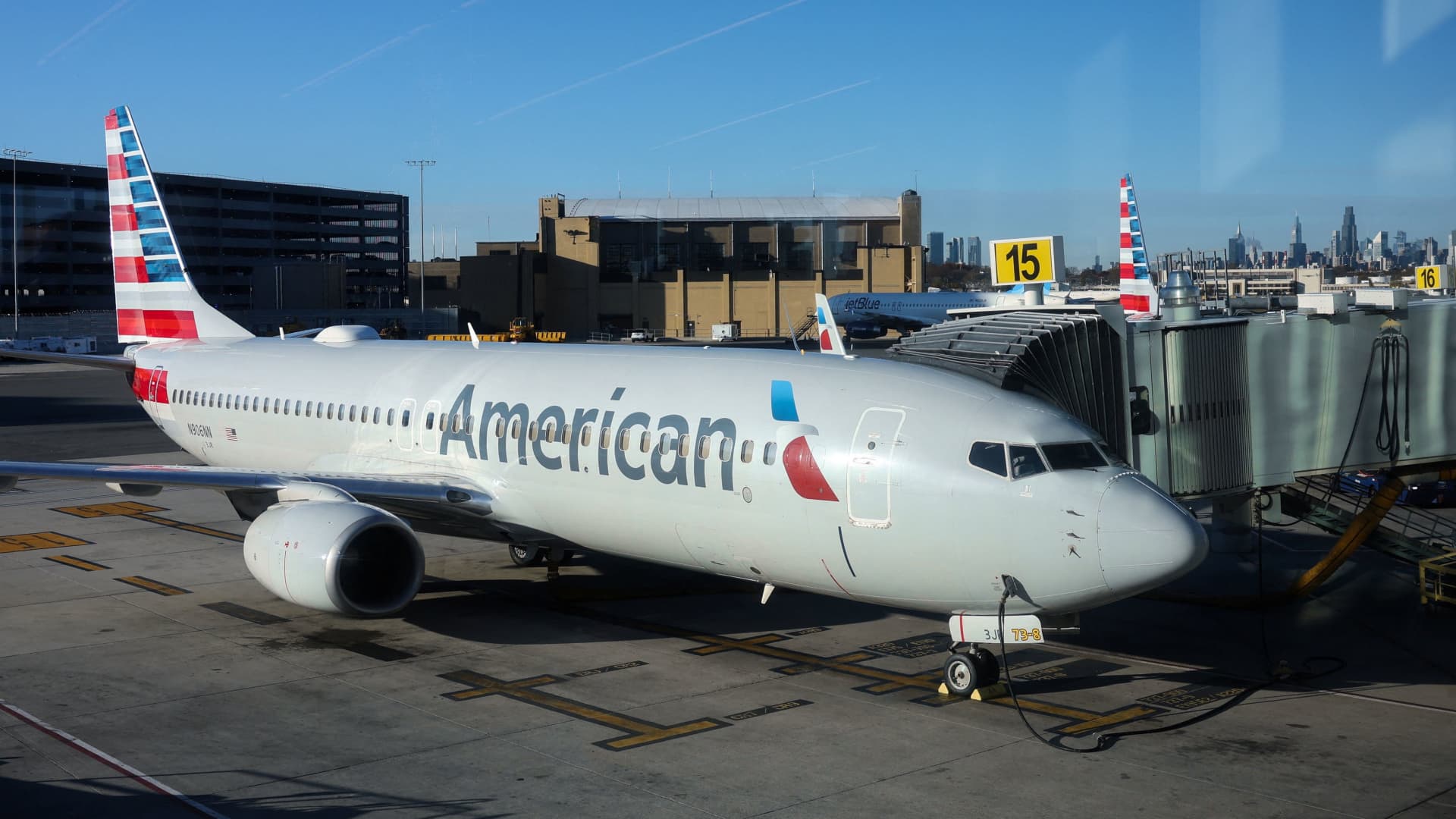
American Airlines Raises Baggage Fees Amid Rising Fuel Costs

- Baggage Fee Increase: American Airlines announced a $10 increase for the first checked bag on domestic and short-haul international flights starting Thursday, raising the fee to $50, while the second bag will cost $60, reflecting the airline's strategy to cope with soaring fuel costs.
- Basic Economy Fee Hike: Customers purchasing basic economy tickets will face even higher baggage fees, with the first bag costing $55 and the second $65, indicating the airline's pricing strategy targeting low-cost passengers amid high demand.
- Industry-Wide Price Hikes: In the past two weeks, several airlines, including United, JetBlue, and Delta, have raised baggage fees, demonstrating that the entire industry is responding to rising fuel prices driven by the conflict in the Middle East.
- Strong Market Demand: Although airline executives state that travel demand remains high, it remains unclear whether carriers can fully cover the rising fuel costs due to the effective closure of the Strait of Hormuz, which is limiting supplies of crude and refined products.
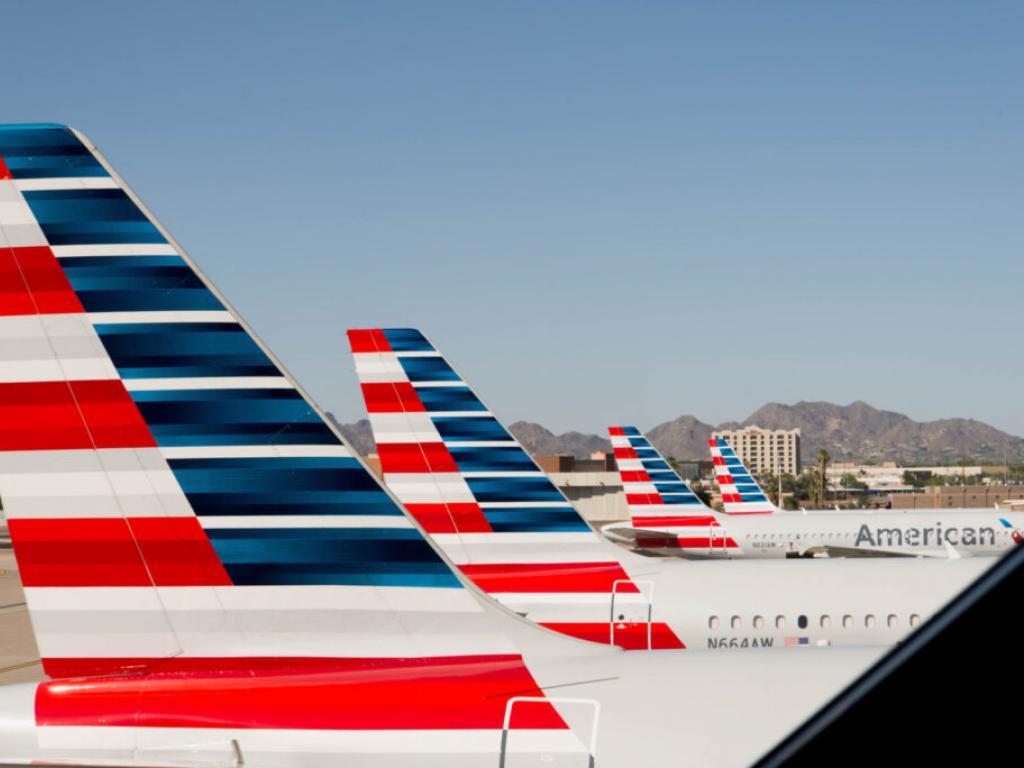
American Airlines Raises Baggage Fees Amid Rising Jet Fuel Costs
- Baggage Fee Increase: American Airlines has announced a $10 increase in checked baggage fees effective Thursday, raising the cost for the first bag to $50 and the second to $60 on domestic and short-haul international flights, reflecting the airline's strategy to cope with high jet fuel prices.
- Impact on Basic Economy Tickets: Customers purchasing basic economy tickets will face even higher baggage fees, with the first bag costing $55 and the second $65, indicating a tightening of low-cost options in a high-demand environment.
- Industry Trend: The fee hike by American Airlines aligns with similar increases from Delta, United, JetBlue, and Southwest, highlighting the widespread challenge of rising fuel costs in the airline industry, while premium offerings are growing faster than regular economy sales.
- Market Demand and Challenges: Although airline executives report strong travel demand, the effective closure of the Strait of Hormuz is limiting supplies of crude and refined products, making it unclear whether airlines can fully offset the rising fuel prices, which could impact overall profitability.

Major Moves in Premarket Trading by Various Companies


- Datadog Stock Rise: Datadog shares increased by 2.3% after Guggenheim upgraded its rating from neutral to buy, with analysts believing the company will benefit from AI-driven growth in data volumes and IT complexity.
- CoreWeave Infrastructure Expansion: CoreWeave's stock surged over 5% following the announcement of a $21 billion infrastructure deal with Meta Platforms, which aims to optimize performance and scalability for Meta's AI operations.
- Constellation Brands Guidance Withdrawal: Constellation Brands saw its shares dip less than 1% after withdrawing its 2028 guidance due to subdued demand, despite reporting fourth-quarter results that exceeded market expectations.
- Airlines Stock Fluctuation: Rising oil prices led to a decline in airline stocks, with Alaska Air dropping approximately 2%, while United Airlines, American Airlines, and Delta Air Lines each fell by 1%.
Fragile U.S.-Iran Ceasefire Tested Amid Oil Price Volatility
- Oil Price Fluctuations: Iran's attack on Saudi Arabia's Red Sea pipeline has cut throughput by 700,000 barrels per day, causing oil prices to hover below $100 per barrel, which exacerbates uncertainty in global markets.
- Ceasefire Negotiations Tension: U.S. and Iranian negotiators are set to meet in Pakistan, and despite heated rhetoric, there remains a willingness to maintain the ceasefire, which could impact future energy supply and price stability.
- Global Economic Impact: China's factory-gate prices have risen for the first time in over three years, indicating the war's disruption of global energy markets, potentially leading to increased inflationary pressures for the Federal Reserve.
- Political Landscape Attention: The British Prime Minister expressed frustration over energy price volatility, highlighting the influence of international politics on domestic economies, which underscores the far-reaching effects of global political dynamics on markets.
Closure of Strait of Hormuz Triggers Global Energy Crisis
- Market Reaction: Oil prices surged above $100 per barrel due to the closure of the Strait of Hormuz, reflecting market concerns over tight energy supplies that could lead to a global economic slowdown.
- Transport Restrictions: The CEO of Abu Dhabi National Oil Co. confirmed that the Strait of Hormuz is not open to shipping, with traffic being restricted, which will further exacerbate international oil price volatility and impact the global energy supply chain.
- Geopolitical Tensions: Iran's plan to charge shipping companies cryptocurrency tolls for passage through the Strait could provoke strong international backlash, increasing the risk of regional conflict.
- Emergency Measures Escalate: Japan is reportedly considering releasing about 20 days' worth of oil reserves as early as May to address the global supply crisis, demonstrating the urgency and strategic responses of governments facing energy shortages.
Stock Price Movements of Various Companies
- Revenue Miss: Simply Good Foods' stock fell 19% after its fiscal second-quarter revenue and adjusted EBITDA significantly missed Wall Street consensus, indicating investor concerns about future growth and potentially impacting market confidence.
- Acquisition Potential: Brown-Forman's shares surged 12% following reports that Sazerac is approaching the company for a potential deal, reflecting market optimism regarding its merger prospects, which could enhance long-term value.
- Tech Stocks Under Pressure: Software stocks declined for the second consecutive day, with the iShares Expanded Tech-Software Sector ETF dropping nearly 4%, highlighting investor concerns over AI-related risks that may weaken confidence in tech equities.
- Strong Earnings Guidance: Staar Surgical's stock jumped about 27% after guiding for first-quarter revenue exceeding $90 million, well above the $67.6 million expected by analysts, showcasing the company's robust performance and growth potential in the market.
American Airlines Raises Baggage Fees Amid Rising Fuel Costs
- Baggage Fee Increase: American Airlines announced a $10 increase for the first checked bag on domestic and short-haul international flights starting Thursday, raising the fee to $50, while the second bag will cost $60, reflecting the airline's strategy to cope with soaring fuel costs.
- Basic Economy Fee Hike: Customers purchasing basic economy tickets will face even higher baggage fees, with the first bag costing $55 and the second $65, indicating the airline's pricing strategy targeting low-cost passengers amid high demand.
- Industry-Wide Price Hikes: In the past two weeks, several airlines, including United, JetBlue, and Delta, have raised baggage fees, demonstrating that the entire industry is responding to rising fuel prices driven by the conflict in the Middle East.
- Strong Market Demand: Although airline executives state that travel demand remains high, it remains unclear whether carriers can fully cover the rising fuel costs due to the effective closure of the Strait of Hormuz, which is limiting supplies of crude and refined products.
American Airlines Raises Baggage Fees Amid Rising Jet Fuel Costs
- Baggage Fee Increase: American Airlines has announced a $10 increase in checked baggage fees effective Thursday, raising the cost for the first bag to $50 and the second to $60 on domestic and short-haul international flights, reflecting the airline's strategy to cope with high jet fuel prices.
- Impact on Basic Economy Tickets: Customers purchasing basic economy tickets will face even higher baggage fees, with the first bag costing $55 and the second $65, indicating a tightening of low-cost options in a high-demand environment.
- Industry Trend: The fee hike by American Airlines aligns with similar increases from Delta, United, JetBlue, and Southwest, highlighting the widespread challenge of rising fuel costs in the airline industry, while premium offerings are growing faster than regular economy sales.
- Market Demand and Challenges: Although airline executives report strong travel demand, the effective closure of the Strait of Hormuz is limiting supplies of crude and refined products, making it unclear whether airlines can fully offset the rising fuel prices, which could impact overall profitability.
Major Moves in Premarket Trading by Various Companies
- Datadog Stock Rise: Datadog shares increased by 2.3% after Guggenheim upgraded its rating from neutral to buy, with analysts believing the company will benefit from AI-driven growth in data volumes and IT complexity.
- CoreWeave Infrastructure Expansion: CoreWeave's stock surged over 5% following the announcement of a $21 billion infrastructure deal with Meta Platforms, which aims to optimize performance and scalability for Meta's AI operations.
- Constellation Brands Guidance Withdrawal: Constellation Brands saw its shares dip less than 1% after withdrawing its 2028 guidance due to subdued demand, despite reporting fourth-quarter results that exceeded market expectations.
- Airlines Stock Fluctuation: Rising oil prices led to a decline in airline stocks, with Alaska Air dropping approximately 2%, while United Airlines, American Airlines, and Delta Air Lines each fell by 1%.