Trump Drives Markets These Days. Economic Data Take a Back Seat.
Written by Emily J. Thompson, Senior Investment Analyst
Updated: Aug 12 2025
0mins

Should l Buy AMD?
Source: Barron's
Market Focus: U.S. markets are closely monitoring the July inflation data as it may influence upcoming Federal Reserve rate decisions.
Investor Concerns: There is growing concern among investors regarding price pressures from tariffs affecting economic conditions.
Trade with 70% Backtested Accuracy
Stop guessing "Should I Buy AMD?" and start using high-conviction signals backed by rigorous historical data.
Sign up today to access powerful investing tools and make smarter, data-driven decisions.
Analyst Views on AMD
Wall Street analysts forecast AMD stock price to rise
33 Analyst Rating
25 Buy
8 Hold
0 Sell
Strong Buy
Current: 203.430

Low
210.00
Averages
289.13
High
377.00
Current: 203.430
Low
210.00
Averages
289.13
High
377.00
About AMD
Advanced Micro Devices, Inc. is a global semiconductor company. The Company is focused on high-performance computing and artificial intelligence (AI). Its segments include Data Center, Client and Gaming, and Embedded. Data Center segment includes AI accelerators, microprocessors (CPUs) for servers, graphics processing units (GPUs), accelerated processing units (APUs), data processing units (DPUs), Field Programmable Gate Arrays (FPGAs), and Adaptive system-on-Chip (SoC) products for data centers. Client and Gaming segment includes CPUs, APUs, chipsets for desktops and notebooks, discrete GPUs, and semi-custom SoC products and development services. Embedded segment includes embedded CPUs, APUs, FPGAs, system on modules (SOMs), and Adaptive SoC products. It markets and sells its products under the AMD trademark. Its products include AMD EPYC, AMD Ryzen, AMD Ryzen PRO, Virtex UltraScale+, among others.
About the author

Emily J. Thompson
Emily J. Thompson, a Chartered Financial Analyst (CFA) with 12 years in investment research, graduated with honors from the Wharton School. Specializing in industrial and technology stocks, she provides in-depth analysis for Intellectia’s earnings and market brief reports.
Latest Wall Street Ratings Overview


- Boeing Rating: Wells Fargo initiates coverage of Boeing with a Buy rating, forecasting a significant recovery in free cash flow as production normalizes, setting a price target of $250 based on a 20x FCF multiple on its 2028 forecast, indicating strong confidence in future growth.
- Disney Upgrade: Raymond James upgrades Disney from Market Perform to Outperform with a price target of $115, viewing the current macro backdrop and international visitation challenges as an attractive investment opportunity, reflecting optimism about its valuation.
- Microsoft Buy Rating: Benchmark initiates Microsoft with a Buy rating and a price target of $450, describing it as a juggernaut in artificial intelligence, leveraging its comprehensive portfolio of digital applications and cloud services to drive enterprise and consumer transformation, showcasing its strong market position.
- Algonquin Power Rating: Barclays initiates coverage of Algonquin Power & Utilities with an Overweight rating, citing the company's undervaluation and strong turnaround potential, indicating market confidence in its future performance.
See More

Oracle Cuts Thousands of Jobs to Support AI Infrastructure Development


- Layoff Announcement: Oracle has begun notifying its 162,000 employees about plans to cut thousands of jobs to free up cash flow for AI data center infrastructure development, which is expected to significantly reduce operating costs and enhance financial flexibility.
- Stock Price Reaction: Following the layoff news, Oracle's shares rose 2.6% in early trading, despite being down approximately 25% year-to-date, indicating a cautiously optimistic market response to the company's future strategy.
- Capital Expenditure Pressure: Oracle plans to raise up to $50 billion in 2025 through a mix of debt and equity to meet cloud service demand from clients, particularly from companies like Nvidia and Meta, reflecting strong market demand for AI infrastructure.
- Analyst Perspective: Barclays analysts noted that the layoffs will help free up cash flow and viewed this move as unsurprising, projecting that Oracle could triple its revenue over the next few years, despite lower employee productivity compared to competitors.
See More

Oracle Layoffs to Support AI Infrastructure Buildout

- Layoff Announcement: Oracle has begun notifying its 162,000 employees about plans to cut thousands of jobs, aiming to free up cash flow to support its $50 billion data center buildout, which is expected to enhance revenue in the long term.
- Stock Price Reaction: Following the layoff news, Oracle's shares rose 2.6% in premarket trading, although the stock has declined approximately 25% this year, indicating market caution regarding the company's future prospects.
- Capital Expenditure Concerns: Oracle plans to raise up to $50 billion in 2025 through a mix of debt and equity to meet cloud demand from clients, yet investors are worried about the substantial spending on AI infrastructure.
- Analyst Insights: Barclays analysts noted that the layoffs will help free up cash flow and expect Oracle's revenue to triple over the next few years, despite lower profit per employee compared to competitors, highlighting the company's potential for cost control.
See More

Shift in China's AI Chip Market Dynamics
- Market Share Shift: By 2025, Chinese GPU and AI chip makers captured 41% of the AI accelerator server market, significantly narrowing Nvidia's once-dominant position, indicating the rapid rise of local companies in market competition.
- Shipment Data: Total shipments of AI accelerator cards by Nvidia, AMD, and Chinese chipmakers reached approximately 4 million units in 2025, with Nvidia shipping nearly 2.2 million cards for a 55% market share, reflecting a decline from its previous dominance amid increasing competition.
- Local Vendor Performance: Huawei led among Chinese vendors with approximately 812,000 AI chips shipped, accounting for nearly half of all local branded shipments, showcasing its strong influence in the domestic market.
- Policy Incentives: In 2025, Beijing unveiled a new wave of AI infrastructure spending, with local governments boosting intelligent computing centers, many of which carried implicit directives to “buy Chinese,” further promoting the use of domestic chips.
See More
Trump's Remarks Boost Chip Stocks Amid Market Optimism

- Market Optimism: President Trump's statement that the Iran war could end in 'two to three weeks' sparked optimism across the market, leading major chip stocks like Nvidia, Intel, and AMD to rise approximately 0.5% in premarket trading on Wednesday.
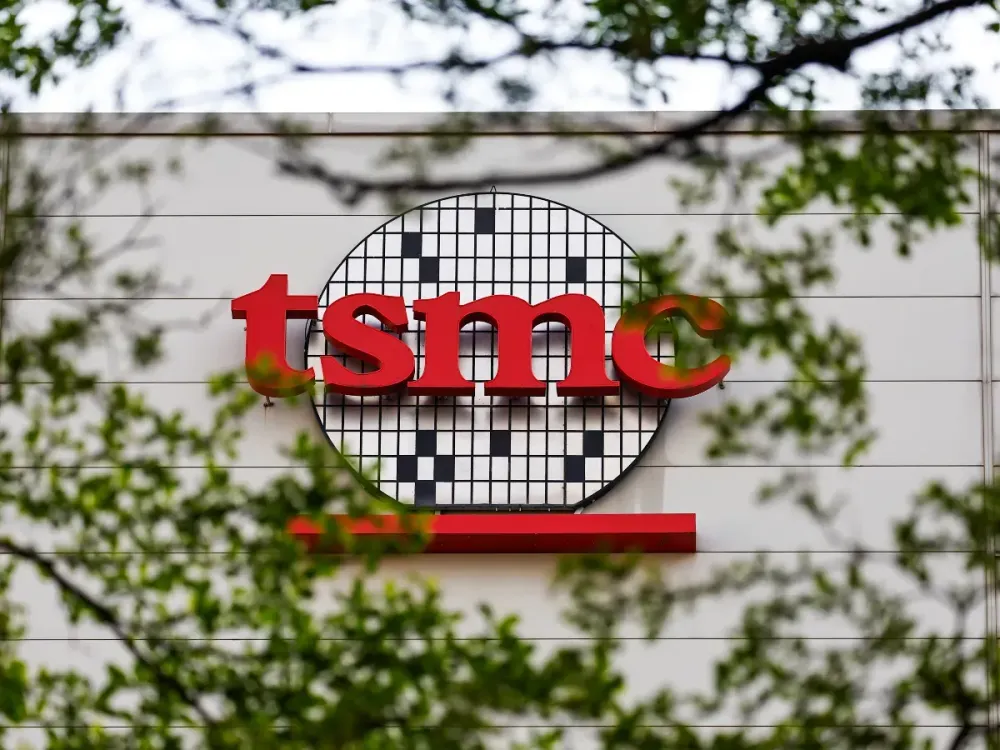
- TSMC Expansion Plans: Taiwan Semiconductor Manufacturing Company (TSMC) plans to begin mass production of 3 nm chips at its second Japanese fab in 2028, targeting a monthly output of 15,000 12-inch wafers, marking a significant technological advancement and enhancing its competitive position.
- Broad Market Gains: The optimism surrounding Trump's remarks and the opening of a new quarter led to widespread gains in the stock market, with TSMC climbing 1.2% in premarket trading, reflecting positive sentiment regarding a potential resolution to the U.S.-Iran conflict.
- Retail Sentiment Shift: As of April 1, retail sentiment for TSMC on Stocktwits shifted from 'bearish' to 'neutral', with investors posting about increasing their positions, indicating a growing confidence in the company's future performance.
See More

Investment Opportunity Analysis for Nasdaq-100 Index


- Historical Return Potential: The Nasdaq-100 has achieved an average five-year return of 103% over the past two decades, with historical data suggesting that it could nearly double investors' money in the next five years, making it an attractive option for investors.
- AI-Driven Growth: The Invesco QQQ Trust is heavily invested in AI-related stocks, with top holdings including tech giants like Nvidia and Apple, which are expected to benefit from the rapid development of AI technologies, further enhancing market performance.
- Market Correction Timing: The Nasdaq Composite is currently in a market correction, down over 10% from its all-time high, and historical data indicates that such corrections have led to an average five-year return of 146%, presenting a favorable investment opportunity.
- Concentration Risk Warning: While the Invesco QQQ Trust has a reasonable expense ratio of 0.18%, its top ten holdings account for nearly 50% of its performance, prompting investors to carefully consider the concentration risk and potential price volatility.
See More
Latest Wall Street Ratings Overview
- Boeing Rating: Wells Fargo initiates coverage of Boeing with a Buy rating, forecasting a significant recovery in free cash flow as production normalizes, setting a price target of $250 based on a 20x FCF multiple on its 2028 forecast, indicating strong confidence in future growth.
- Disney Upgrade: Raymond James upgrades Disney from Market Perform to Outperform with a price target of $115, viewing the current macro backdrop and international visitation challenges as an attractive investment opportunity, reflecting optimism about its valuation.
- Microsoft Buy Rating: Benchmark initiates Microsoft with a Buy rating and a price target of $450, describing it as a juggernaut in artificial intelligence, leveraging its comprehensive portfolio of digital applications and cloud services to drive enterprise and consumer transformation, showcasing its strong market position.
- Algonquin Power Rating: Barclays initiates coverage of Algonquin Power & Utilities with an Overweight rating, citing the company's undervaluation and strong turnaround potential, indicating market confidence in its future performance.
See More
Oracle Cuts Thousands of Jobs to Support AI Infrastructure Development
- Layoff Announcement: Oracle has begun notifying its 162,000 employees about plans to cut thousands of jobs to free up cash flow for AI data center infrastructure development, which is expected to significantly reduce operating costs and enhance financial flexibility.
- Stock Price Reaction: Following the layoff news, Oracle's shares rose 2.6% in early trading, despite being down approximately 25% year-to-date, indicating a cautiously optimistic market response to the company's future strategy.
- Capital Expenditure Pressure: Oracle plans to raise up to $50 billion in 2025 through a mix of debt and equity to meet cloud service demand from clients, particularly from companies like Nvidia and Meta, reflecting strong market demand for AI infrastructure.
- Analyst Perspective: Barclays analysts noted that the layoffs will help free up cash flow and viewed this move as unsurprising, projecting that Oracle could triple its revenue over the next few years, despite lower employee productivity compared to competitors.
See More
Oracle Layoffs to Support AI Infrastructure Buildout
- Layoff Announcement: Oracle has begun notifying its 162,000 employees about plans to cut thousands of jobs, aiming to free up cash flow to support its $50 billion data center buildout, which is expected to enhance revenue in the long term.
- Stock Price Reaction: Following the layoff news, Oracle's shares rose 2.6% in premarket trading, although the stock has declined approximately 25% this year, indicating market caution regarding the company's future prospects.
- Capital Expenditure Concerns: Oracle plans to raise up to $50 billion in 2025 through a mix of debt and equity to meet cloud demand from clients, yet investors are worried about the substantial spending on AI infrastructure.
- Analyst Insights: Barclays analysts noted that the layoffs will help free up cash flow and expect Oracle's revenue to triple over the next few years, despite lower profit per employee compared to competitors, highlighting the company's potential for cost control.
See More
Shift in China's AI Chip Market Dynamics
- Market Share Shift: By 2025, Chinese GPU and AI chip makers captured 41% of the AI accelerator server market, significantly narrowing Nvidia's once-dominant position, indicating the rapid rise of local companies in market competition.
- Shipment Data: Total shipments of AI accelerator cards by Nvidia, AMD, and Chinese chipmakers reached approximately 4 million units in 2025, with Nvidia shipping nearly 2.2 million cards for a 55% market share, reflecting a decline from its previous dominance amid increasing competition.
- Local Vendor Performance: Huawei led among Chinese vendors with approximately 812,000 AI chips shipped, accounting for nearly half of all local branded shipments, showcasing its strong influence in the domestic market.
- Policy Incentives: In 2025, Beijing unveiled a new wave of AI infrastructure spending, with local governments boosting intelligent computing centers, many of which carried implicit directives to “buy Chinese,” further promoting the use of domestic chips.
See More
Trump's Remarks Boost Chip Stocks Amid Market Optimism
- Market Optimism: President Trump's statement that the Iran war could end in 'two to three weeks' sparked optimism across the market, leading major chip stocks like Nvidia, Intel, and AMD to rise approximately 0.5% in premarket trading on Wednesday.
- TSMC Expansion Plans: Taiwan Semiconductor Manufacturing Company (TSMC) plans to begin mass production of 3 nm chips at its second Japanese fab in 2028, targeting a monthly output of 15,000 12-inch wafers, marking a significant technological advancement and enhancing its competitive position.
- Broad Market Gains: The optimism surrounding Trump's remarks and the opening of a new quarter led to widespread gains in the stock market, with TSMC climbing 1.2% in premarket trading, reflecting positive sentiment regarding a potential resolution to the U.S.-Iran conflict.
- Retail Sentiment Shift: As of April 1, retail sentiment for TSMC on Stocktwits shifted from 'bearish' to 'neutral', with investors posting about increasing their positions, indicating a growing confidence in the company's future performance.
See More
Investment Opportunity Analysis for Nasdaq-100 Index
- Historical Return Potential: The Nasdaq-100 has achieved an average five-year return of 103% over the past two decades, with historical data suggesting that it could nearly double investors' money in the next five years, making it an attractive option for investors.
- AI-Driven Growth: The Invesco QQQ Trust is heavily invested in AI-related stocks, with top holdings including tech giants like Nvidia and Apple, which are expected to benefit from the rapid development of AI technologies, further enhancing market performance.
- Market Correction Timing: The Nasdaq Composite is currently in a market correction, down over 10% from its all-time high, and historical data indicates that such corrections have led to an average five-year return of 146%, presenting a favorable investment opportunity.
- Concentration Risk Warning: While the Invesco QQQ Trust has a reasonable expense ratio of 0.18%, its top ten holdings account for nearly 50% of its performance, prompting investors to carefully consider the concentration risk and potential price volatility.
See More