Tesla's Earnings and Strategic Shift
Written by Emily J. Thompson, Senior Investment Analyst
Updated: Feb 04 2026
0mins

Should l Buy TSLA?
Source: Fool
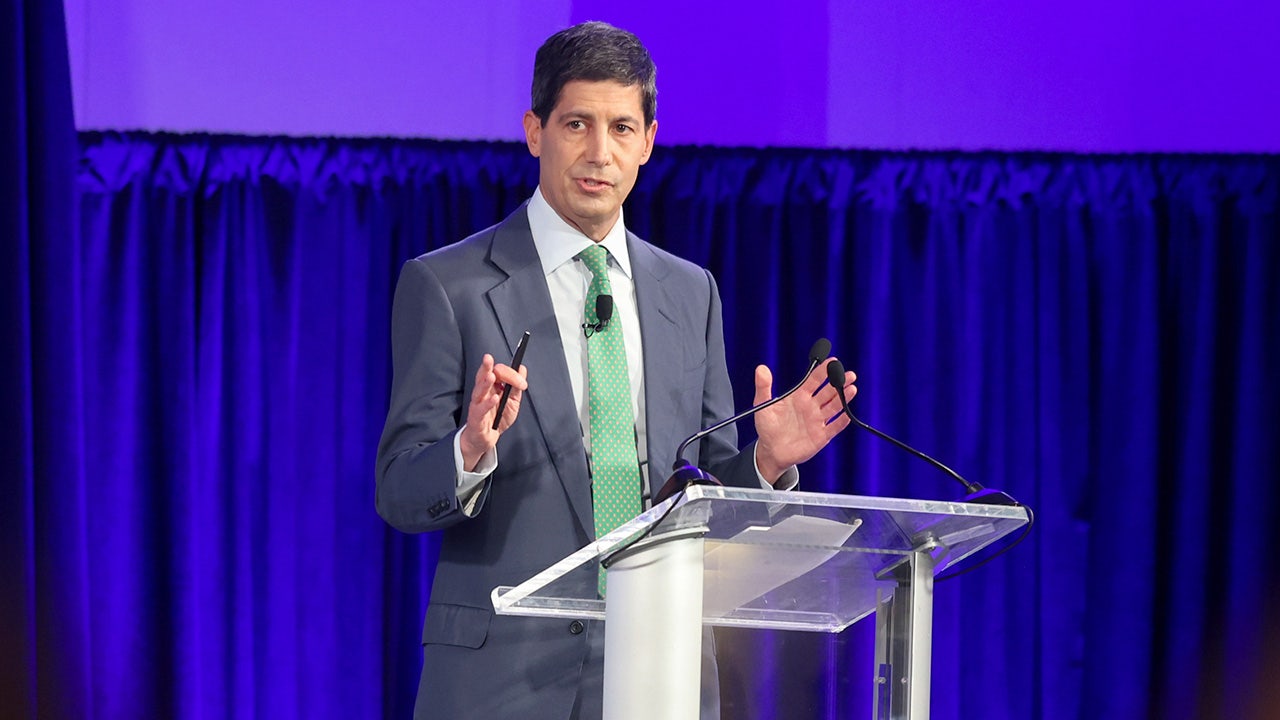
- Earnings Performance: Tesla reported earnings per share of $0.50 for Q4, exceeding estimates but down 63% year-over-year, marking the lowest fourth-quarter results since 2020, indicating significant pressure on its automotive business amid intensifying market competition and declining demand.
- Capital Expenditure Plan: Tesla announced it will increase its capital spending to $20 billion for 2026, more than doubling its previous all-time high, aiming to invest heavily in autonomous driving and robotics, although this may exacerbate cash flow pressures requiring substantial returns within the next two years.
- Product Line Adjustment: Tesla will discontinue production of the Model S and X to repurpose its Fremont plant for Optimus robot production, a strategic shift intended to focus resources on future automation and AI projects, despite these models accounting for only 5% of total sales.
- Market Reaction: Tesla's stock has garnered market attention due to its ambitious plans, yet analysts express skepticism about the company's ability to mass-produce robots and robotaxis within two years, reflecting cautious investor sentiment regarding its future growth potential.
Trade with 70% Backtested Accuracy
Stop guessing "Should I Buy TSLA?" and start using high-conviction signals backed by rigorous historical data.
Sign up today to access powerful investing tools and make smarter, data-driven decisions.
Analyst Views on TSLA
Wall Street analysts forecast TSLA stock price to rise
30 Analyst Rating
12 Buy
11 Hold
7 Sell
Hold
Current: 400.620

Low
25.28
Averages
401.93
High
600.00
Current: 400.620
Low
25.28
Averages
401.93
High
600.00
About TSLA
Tesla, Inc. designs, develops, manufactures, sells and leases high-performance fully electric vehicles and energy generation and storage systems, and offers services related to its products. Its segments include automotive, and energy generation and storage. The automotive segment includes the design, development, manufacturing, sales and leasing of high-performance fully electric vehicles, and sales of automotive regulatory credits. It also includes sales of used vehicles, non-warranty maintenance services and collisions, part sales, paid supercharging, insurance services revenue and retail merchandise sales. The energy generation and storage segment include the design, manufacture, installation, sales and leasing of solar energy generation and energy storage products and related services and sales of solar energy systems incentives. Its consumer vehicles include the Model 3, Y, S, X and Cybertruck. Its lithium-ion battery energy storage products include Powerwall and Megapack.
About the author

Emily J. Thompson
Emily J. Thompson, a Chartered Financial Analyst (CFA) with 12 years in investment research, graduated with honors from the Wharton School. Specializing in industrial and technology stocks, she provides in-depth analysis for Intellectia’s earnings and market brief reports.
Tesla Faces Margin Pressure and Cash Burn Ahead of Q1 Earnings

- Significant Margin Pressure: Jefferies raised Tesla's price target from $300 to $350, still implying an 11% downside from current levels, with Q1 revenue expected around $21.2 billion and a core automotive gross margin of only 15.5%, highlighting the profitability challenges the company faces.
- Increased Cash Burn: Tesla's capital expenditures are projected to exceed $19 billion this year, more than doubling from $9 billion last year, leading to a cash burn of $4.9 billion, which could negatively impact the company's short-term financial health.
- Widening Delivery and Production Gap: Tesla delivered 358,023 vehicles in Q1, showing year-over-year growth, but produced 408,386 vehicles, resulting in a delivery-production gap of over 50,000 units, indicating pressure on demand absorption that investors will closely monitor.
- Shift in Future Investment Focus: Tesla plans to direct most of its investments towards Cybercab production lines and Optimus robots rather than traditional EV models, with CEO Elon Musk stating that 2026 will be a “big capex year,” indicating the company's preparation for future technological transformations.
See More
Tesla's Energy Business Expected to Outshine Automotive Revenue
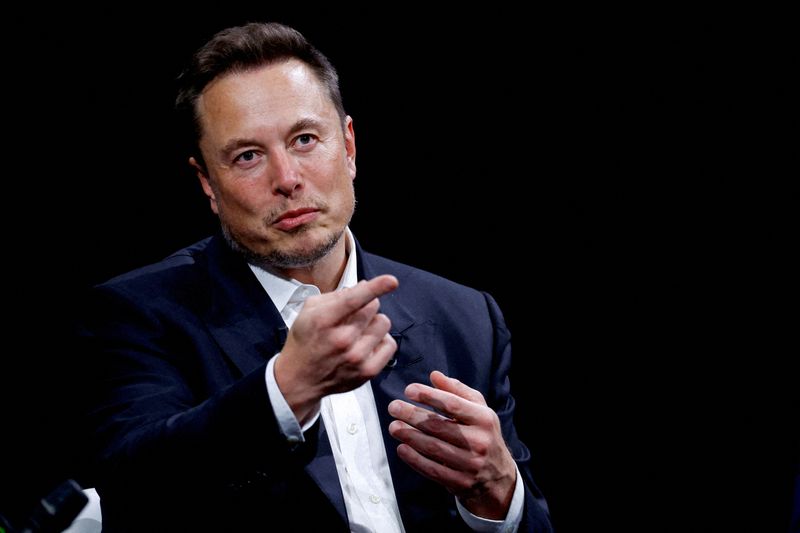
- Energy Business Growth: Tesla's energy division is expected to grow by 25% this quarter, surpassing the automotive revenue growth of 12%, indicating resilience as the company navigates challenges in its core business.
- Cash Flow Situation: The company is projected to report a negative cash flow of $1.44 billion this quarter, highlighting ongoing financial pressures as it transitions towards robotics and self-driving technologies.
- Storage Deployment Trends: In Q1 2026, Tesla's energy storage deployments reached 8.8 gigawatt-hours, down 15% year-over-year; however, revenue is anticipated to rise as the company focuses on selling more profitable products.
- Market Competition Pressure: Analysts note that while growth in the energy sector is likely to remain strong, profit margins may come under pressure due to pricing competition and delays in passing on higher tariff costs, raising concerns among investors.
See More

Tesla Faces Earnings Challenges Ahead of Reports


- Tesla Earnings Outlook: Tesla has missed earnings expectations seven times in the past five years, with three misses in the last five quarters, indicating a troubling trend as earnings fell 31.4% in 2025; although a 21.7% rise is expected in 2026, analysts remain bearish on its prospects.
- Microsoft's Steady Performance: Microsoft has only missed earnings once in the last five years, and its P/E ratio has improved from over 30x to 24.7, despite an 11.6% decline in stock price year-to-date in 2026, indicating strong earnings potential and market optimism for future performance.
- Apple's Leadership Change: Apple has missed earnings only once in the last five years, with a modest 0.8% stock increase year-to-date; however, its high P/E ratio of 31.8 raises concerns, especially with CEO Tim Cook set to retire by August 2026, introducing potential uncertainty for the company.
- NVIDIA's Growth Potential: NVIDIA has missed earnings three times in the last five years, with a projected 69% earnings growth for fiscal 2026 following a 59.5% increase last year, showcasing its strong performance amid the AI revolution, although its earnings report is not due until late May 2026, leaving the market confident in its continued growth.
See More
Chinese Humanoid Startups See Rising Valuations Amid U.S. Competition

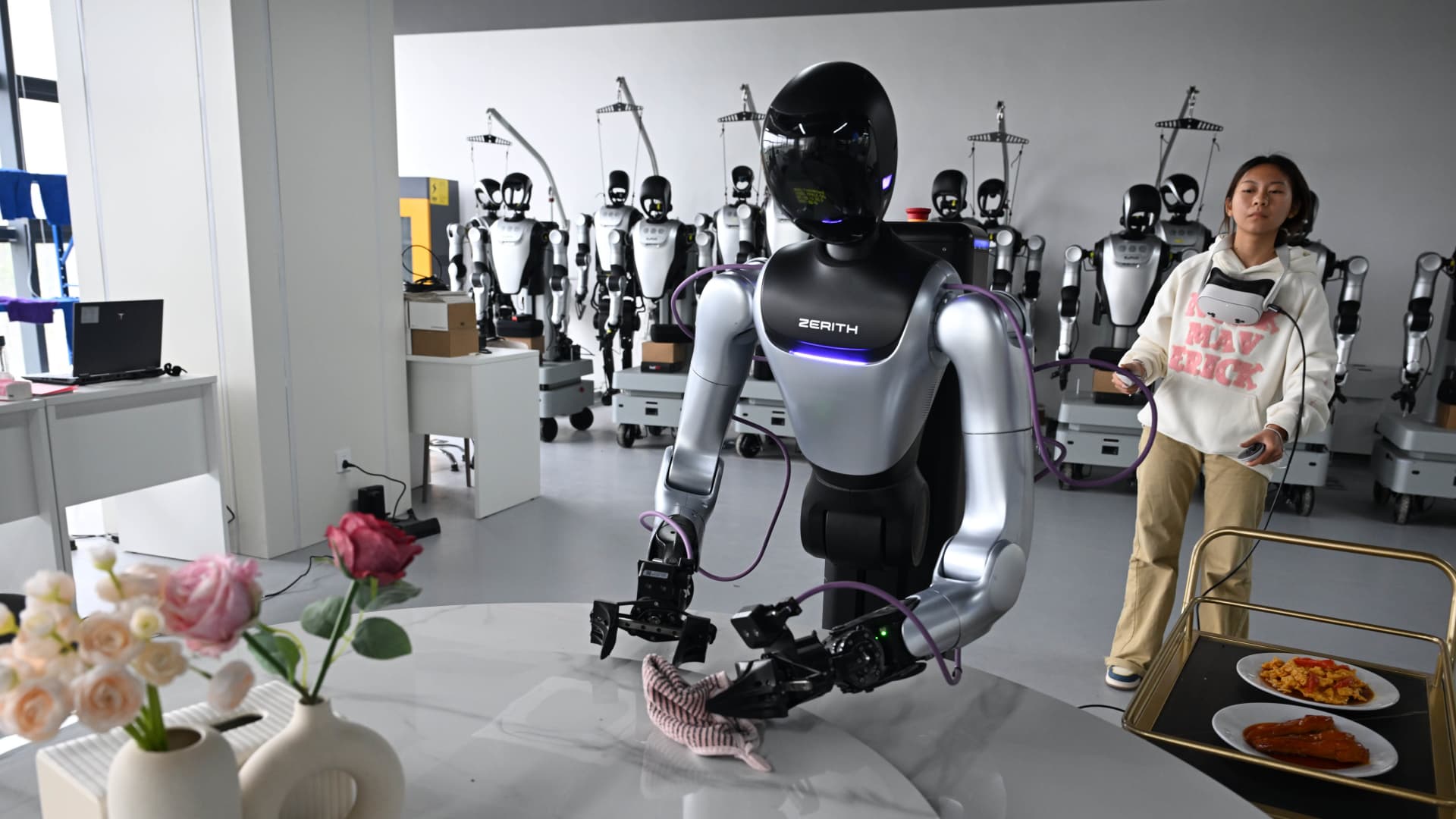
- Valuation Disparity: Despite Chinese humanoid startups already shipping robots to factories and malls, their valuations remain significantly lower than U.S. rivals, with Figure valued at $39 billion compared to Galbot's $3 billion, highlighting differing perceptions and investment preferences in the U.S. and China.
- Market Leadership: Chinese humanoid startups secured the top six spots in Omdia's 2025 global robot shipment rankings, while only Figure and Tesla made the top ten, indicating China's growing advantage in real-world deployment and manufacturing scale.
- Changing Investment Landscape: U.S.-China tensions have led many U.S. pension funds to reduce investments in Chinese startups, creating opportunities for Middle Eastern funds that are flexibly investing in both regions by supporting Chinese venture capital and purchasing locally developed robots.
- Accelerated Tech Transformation: China's experience in electric vehicle and drone manufacturing is translating into humanoid robot production capabilities, as evidenced by Future Capital raising nearly 200 million yuan for its portfolio company Pongbot in less than six months, indicating a rapid influx of capital, albeit still below U.S. levels.
See More
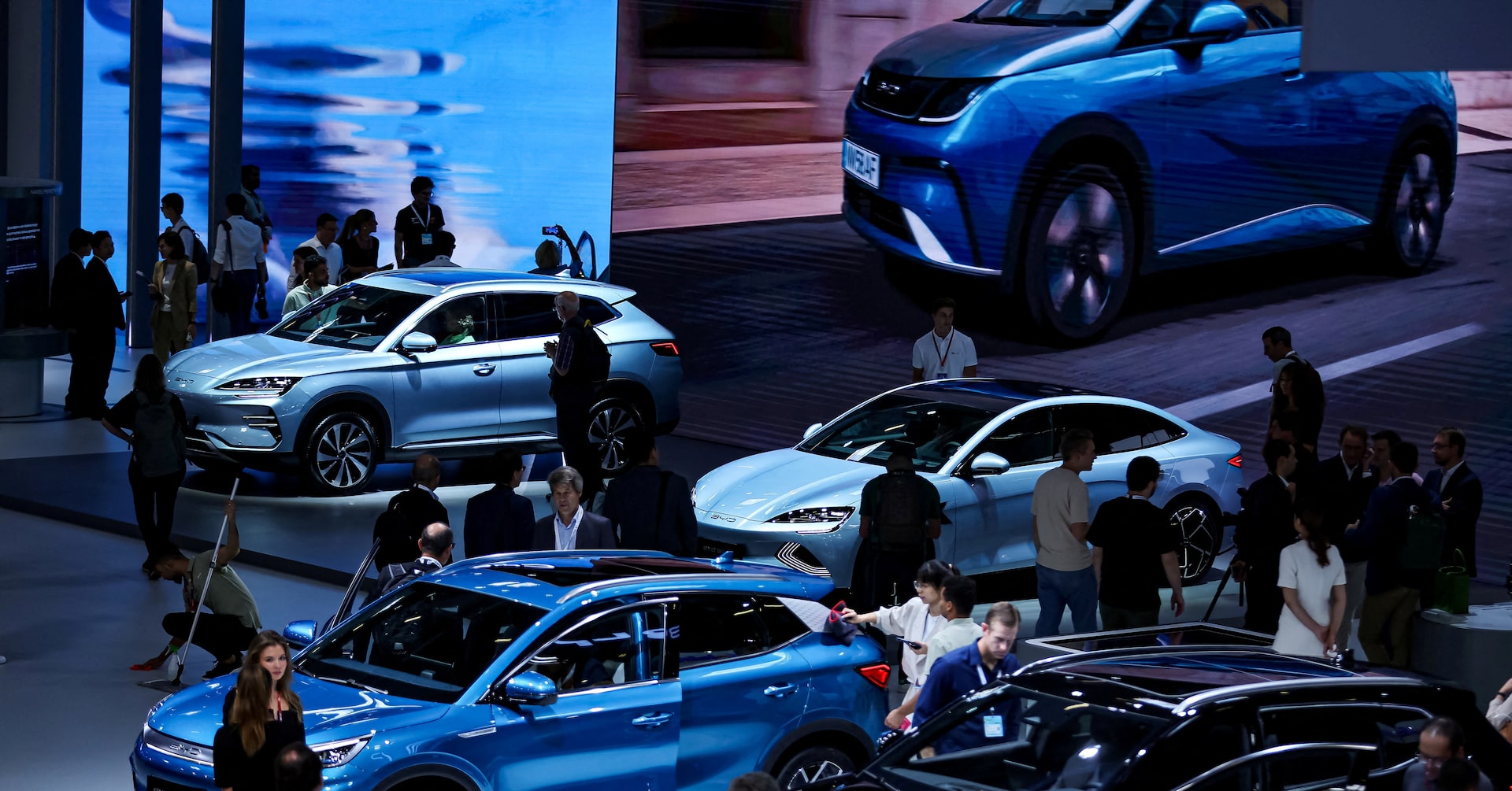
General Motors' New Product Chief Sterling Anderson Receives Up to $40 Million Pay Package

- Executive Recruitment Strategy: General Motors' recruitment of former Tesla executive Sterling Anderson last year, with a total pay package of up to $40 million, underscores the company's strategic focus on developing electric and gasoline vehicles to enhance market competitiveness.
- Innovative Compensation Structure: To attract Anderson, GM established a new compensation structure, paying him $16 million last year with the potential to earn an additional $24 million in performance-based awards by 2027, reflecting the company's expectations for his future contributions.
- Succession Planning Potential: Industry insiders view Anderson as a potential successor to current CEO Mary Barra, indicating GM's proactive approach to management succession planning to ensure leadership stability and ongoing growth.
- CEO Pay Comparison: Mary Barra's pay package for 2025 could total $29.9 million, including future stock awards and bonuses, highlighting the company's commitment to its executive team and its competitive stance in the industry.
See More
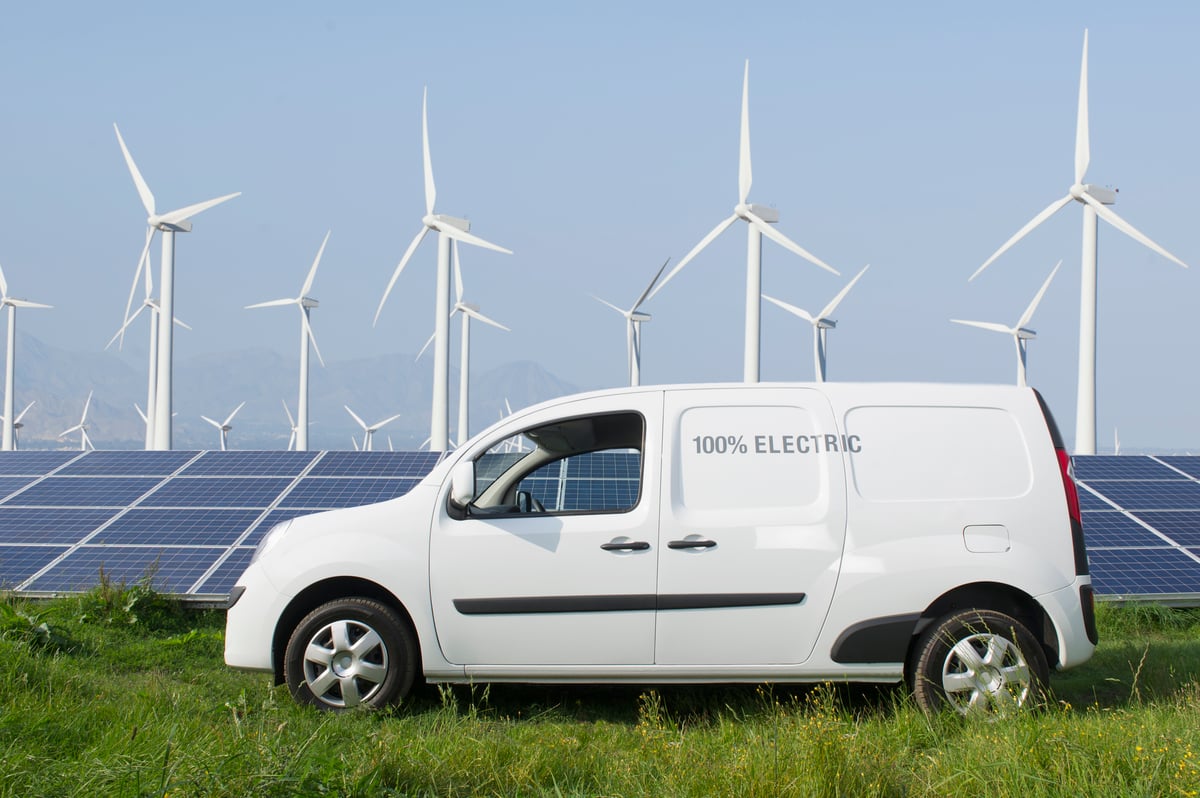
Rivian Automotive Faces Potential Comeback

- Stagnant Delivery Growth: Rivian's electric vehicle deliveries have stagnated in recent years, with high-quality electric trucks and SUVs priced at $60,000 limiting market reach, resulting in only about 10,000 vehicles delivered last quarter compared to Tesla's hundreds of thousands.
- New Model Strategy: Management aims to stimulate growth by launching cheaper R2 SUV models, expecting deliveries to reach 62,000 to 67,000 units in 2026, with prices dropping from $60,000 to below $50,000, targeting a broader consumer base.
- Funding Challenges: Despite having approximately $6 billion in cash at the end of 2025, Rivian faces a negative free cash flow of $2.5 billion, likely worsening in 2026, forcing reliance on funding commitments from Volkswagen Group and a $6 billion loan from the Department of Energy to sustain operations.
- Long-Term Profit Potential: If Rivian successfully scales its manufacturing and software businesses, annual revenue could grow from $5.4 billion to tens of billions, with a market cap of just $22 billion, suggesting significant stock price appreciation potential over the next decade if profitability and positive cash flow are achieved.
See More
Tesla Faces Margin Pressure and Cash Burn Ahead of Q1 Earnings
- Significant Margin Pressure: Jefferies raised Tesla's price target from $300 to $350, still implying an 11% downside from current levels, with Q1 revenue expected around $21.2 billion and a core automotive gross margin of only 15.5%, highlighting the profitability challenges the company faces.
- Increased Cash Burn: Tesla's capital expenditures are projected to exceed $19 billion this year, more than doubling from $9 billion last year, leading to a cash burn of $4.9 billion, which could negatively impact the company's short-term financial health.
- Widening Delivery and Production Gap: Tesla delivered 358,023 vehicles in Q1, showing year-over-year growth, but produced 408,386 vehicles, resulting in a delivery-production gap of over 50,000 units, indicating pressure on demand absorption that investors will closely monitor.
- Shift in Future Investment Focus: Tesla plans to direct most of its investments towards Cybercab production lines and Optimus robots rather than traditional EV models, with CEO Elon Musk stating that 2026 will be a “big capex year,” indicating the company's preparation for future technological transformations.
See More
Tesla's Energy Business Expected to Outshine Automotive Revenue
- Energy Business Growth: Tesla's energy division is expected to grow by 25% this quarter, surpassing the automotive revenue growth of 12%, indicating resilience as the company navigates challenges in its core business.
- Cash Flow Situation: The company is projected to report a negative cash flow of $1.44 billion this quarter, highlighting ongoing financial pressures as it transitions towards robotics and self-driving technologies.
- Storage Deployment Trends: In Q1 2026, Tesla's energy storage deployments reached 8.8 gigawatt-hours, down 15% year-over-year; however, revenue is anticipated to rise as the company focuses on selling more profitable products.
- Market Competition Pressure: Analysts note that while growth in the energy sector is likely to remain strong, profit margins may come under pressure due to pricing competition and delays in passing on higher tariff costs, raising concerns among investors.
See More
Tesla Faces Earnings Challenges Ahead of Reports
- Tesla Earnings Outlook: Tesla has missed earnings expectations seven times in the past five years, with three misses in the last five quarters, indicating a troubling trend as earnings fell 31.4% in 2025; although a 21.7% rise is expected in 2026, analysts remain bearish on its prospects.
- Microsoft's Steady Performance: Microsoft has only missed earnings once in the last five years, and its P/E ratio has improved from over 30x to 24.7, despite an 11.6% decline in stock price year-to-date in 2026, indicating strong earnings potential and market optimism for future performance.
- Apple's Leadership Change: Apple has missed earnings only once in the last five years, with a modest 0.8% stock increase year-to-date; however, its high P/E ratio of 31.8 raises concerns, especially with CEO Tim Cook set to retire by August 2026, introducing potential uncertainty for the company.
- NVIDIA's Growth Potential: NVIDIA has missed earnings three times in the last five years, with a projected 69% earnings growth for fiscal 2026 following a 59.5% increase last year, showcasing its strong performance amid the AI revolution, although its earnings report is not due until late May 2026, leaving the market confident in its continued growth.
See More
Chinese Humanoid Startups See Rising Valuations Amid U.S. Competition
- Valuation Disparity: Despite Chinese humanoid startups already shipping robots to factories and malls, their valuations remain significantly lower than U.S. rivals, with Figure valued at $39 billion compared to Galbot's $3 billion, highlighting differing perceptions and investment preferences in the U.S. and China.
- Market Leadership: Chinese humanoid startups secured the top six spots in Omdia's 2025 global robot shipment rankings, while only Figure and Tesla made the top ten, indicating China's growing advantage in real-world deployment and manufacturing scale.
- Changing Investment Landscape: U.S.-China tensions have led many U.S. pension funds to reduce investments in Chinese startups, creating opportunities for Middle Eastern funds that are flexibly investing in both regions by supporting Chinese venture capital and purchasing locally developed robots.
- Accelerated Tech Transformation: China's experience in electric vehicle and drone manufacturing is translating into humanoid robot production capabilities, as evidenced by Future Capital raising nearly 200 million yuan for its portfolio company Pongbot in less than six months, indicating a rapid influx of capital, albeit still below U.S. levels.
See More
General Motors' New Product Chief Sterling Anderson Receives Up to $40 Million Pay Package
- Executive Recruitment Strategy: General Motors' recruitment of former Tesla executive Sterling Anderson last year, with a total pay package of up to $40 million, underscores the company's strategic focus on developing electric and gasoline vehicles to enhance market competitiveness.
- Innovative Compensation Structure: To attract Anderson, GM established a new compensation structure, paying him $16 million last year with the potential to earn an additional $24 million in performance-based awards by 2027, reflecting the company's expectations for his future contributions.
- Succession Planning Potential: Industry insiders view Anderson as a potential successor to current CEO Mary Barra, indicating GM's proactive approach to management succession planning to ensure leadership stability and ongoing growth.
- CEO Pay Comparison: Mary Barra's pay package for 2025 could total $29.9 million, including future stock awards and bonuses, highlighting the company's commitment to its executive team and its competitive stance in the industry.
See More
Rivian Automotive Faces Potential Comeback
- Stagnant Delivery Growth: Rivian's electric vehicle deliveries have stagnated in recent years, with high-quality electric trucks and SUVs priced at $60,000 limiting market reach, resulting in only about 10,000 vehicles delivered last quarter compared to Tesla's hundreds of thousands.
- New Model Strategy: Management aims to stimulate growth by launching cheaper R2 SUV models, expecting deliveries to reach 62,000 to 67,000 units in 2026, with prices dropping from $60,000 to below $50,000, targeting a broader consumer base.
- Funding Challenges: Despite having approximately $6 billion in cash at the end of 2025, Rivian faces a negative free cash flow of $2.5 billion, likely worsening in 2026, forcing reliance on funding commitments from Volkswagen Group and a $6 billion loan from the Department of Energy to sustain operations.
- Long-Term Profit Potential: If Rivian successfully scales its manufacturing and software businesses, annual revenue could grow from $5.4 billion to tens of billions, with a market cap of just $22 billion, suggesting significant stock price appreciation potential over the next decade if profitability and positive cash flow are achieved.
See More