Surge in Oil Prices Fuels Energy Stocks Rally
Written by Emily J. Thompson, Senior Investment Analyst
Updated: Apr 27 2026
0mins

Source: Fool
- Oil Price Surge: The price of crude oil has skyrocketed over 60% this year to around $100 per barrel due to the war with Iran, leading to an average rally of over 28% in energy stocks within the S&P 500, highlighting the vitality and significance of the energy market.
- Chevron's Growth Potential: Chevron (CVX) can sustain its capital spending and dividends at oil prices below $50 per barrel, while projecting over 10% compound annual growth in free cash flow at $70 oil, demonstrating its strong financial resilience.
- Enbridge's Stable Cash Flow: Enbridge (ENB), a leader in North American energy infrastructure, generates 98% of its earnings from cost-of-service or contracted assets and is currently constructing CA$39 billion (approximately $28.5 billion) in expansion projects, which are expected to support future earnings growth and continued dividend increases.
- ExxonMobil's Strategic Investments: ExxonMobil (XOM) aims to enhance its earnings capacity by $25 billion and cash flow by $35 billion by 2030, with an expected cumulative surplus cash of about $145 billion, enabling share buybacks and ongoing dividend growth, showcasing its long-term growth potential.
Trade with 70% Backtested Accuracy
Stop guessing "Should I Buy CVX?" and start using high-conviction signals backed by rigorous historical data.
Sign up today to access powerful investing tools and make smarter, data-driven decisions.
Analyst Views on CVX
Wall Street analysts forecast CVX stock price to fall
19 Analyst Rating
15 Buy
4 Hold
0 Sell
Strong Buy
Current: 192.280

Low
158.00
Averages
176.95
High
206.00
Current: 192.280
Low
158.00
Averages
176.95
High
206.00
About CVX
Chevron Corporation is an integrated energy company. The Company produces crude oil and natural gas; manufactures transportation fuels, lubricants, petrochemicals and additives; and develops technologies that enhance its business and industry. The Company’s segments include Upstream and Downstream. Upstream operations consist primarily of exploring for, developing, producing and transporting crude oil and natural gas; liquefaction, transportation and regasification associated with LNG; transporting crude oil by major international oil export pipelines; processing, transporting, storage and marketing of natural gas; carbon capture and storage; and a gas-to-liquids plant. Downstream operations consist primarily of the refining of crude oil into petroleum products; marketing crude oil, refined products, and lubricants; manufacturing and marketing of renewable fuels, and transporting of crude oil and refined products by pipeline, marine vessel, motor equipment and rail car.
About the author

Emily J. Thompson
Emily J. Thompson, a Chartered Financial Analyst (CFA) with 12 years in investment research, graduated with honors from the Wharton School. Specializing in industrial and technology stocks, she provides in-depth analysis for Intellectia’s earnings and market brief reports.
Chevron to Explore Oil and Gas South of Malta

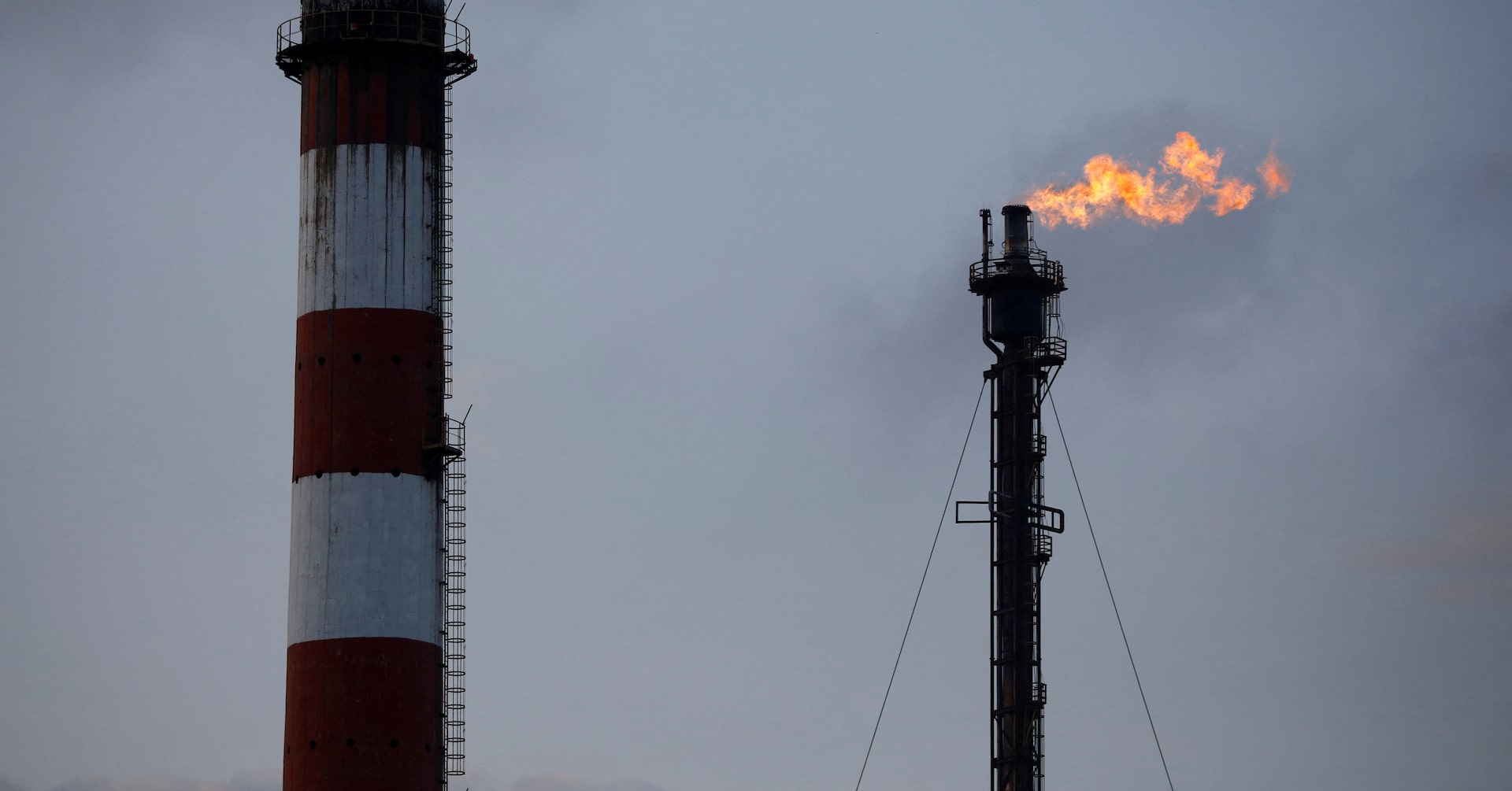
- New Exploration Initiative: Chevron announced plans to explore for oil and gas south of Malta, a region that has yet to see any production, but is strategically located near producing nations like Libya, Italy, and Tunisia, indicating potential resource value.
- Market Potential: This move could not only open new resource avenues for Chevron but also enhance its market position in the Mediterranean, especially against the backdrop of rising global energy demand.
- Strategic Diversification: By exploring south of Malta, Chevron aims to diversify its energy portfolio and reduce reliance on traditional production areas, thereby strengthening the company's long-term sustainability and profitability.
- Regional Collaboration Opportunities: The exploration initiative may provide opportunities for Chevron to collaborate with neighboring countries, fostering energy cooperation and development in the region, further solidifying its influence in the international market.
See More
Impact of Rising Oil Prices on Chevron
- Surging Oil Prices: The ongoing conflict with Iran has pushed Brent crude prices above $110 per barrel, marking a nearly 90% increase this year, which could have significant implications for the global energy market, particularly for companies like Chevron that are sensitive to oil price fluctuations.
- Cash Flow Projections: Chevron anticipates generating an incremental $12.5 billion in free cash flow this year if oil averages $70 per barrel, and with current prices being double that, the company is positioned to significantly enhance its cash flow, thereby supporting its capital expenditures and dividend payments.
- Profitability Fluctuations: Despite rising oil prices, Chevron's profits fell in the first quarter due to timing mismatches related to financial derivatives, but as it delivers those products in the future, earnings and cash flow are expected to improve, showcasing the company's potential in a high-price environment.
- Market Outlook: While the market generally expects oil prices to remain elevated this year, Chevron's ability to sustain capital spending and dividends even at sub-$50 oil levels demonstrates its resilience and long-term growth potential in a volatile market.
See More
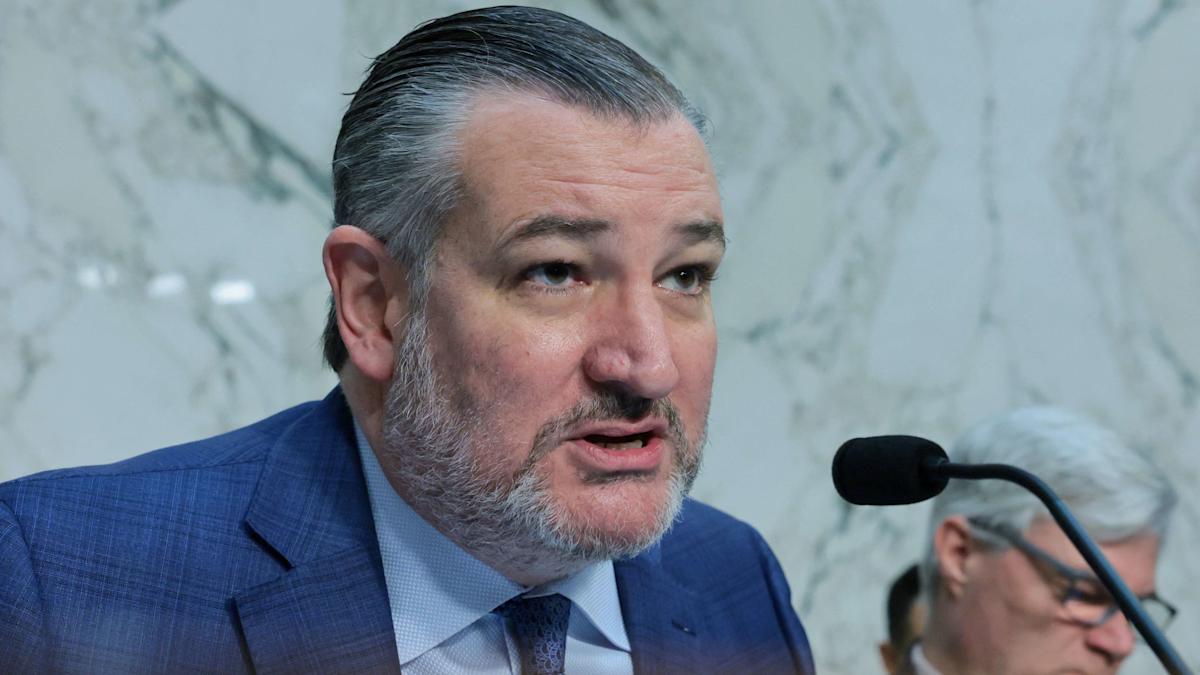
Texas Thrives in AI Boom Amid Regulatory Discussions

- Texas AI Infrastructure: Texas is experiencing rapid growth in the AI sector, particularly with the construction of data centers, attracting investments from companies like SpaceX and Tesla, showcasing the state's favorable business environment.
- SpaceX Rocket Production: SpaceX has established a new city in Boca Chica, Texas, currently producing one rocket per month with precision down to a millimeter, marking significant advancements in the aerospace sector for the state.
- AI Regulatory Legislation: Senator Cruz's 'Take It Down Act' criminalizes the use of AI to create non-consensual intimate images, reflecting a commitment to child safety and imposing legal obligations on tech platforms to remove such content.
- Child Protection Bills: Cruz has introduced several bills aimed at protecting children, particularly regulating AI chatbots to ensure parental supervision and prevent potential psychological harm and abuse, highlighting the need for proactive legislative measures.
See More

Chevron's Profit Potential Amid Rising Oil Prices
- Low-Cost Operational Advantage: Chevron operates at a cost below $50 per barrel, expected to maintain this level through 2030, which allows the company to generate significant free cash flow in the current environment of oil prices exceeding $110, enhancing its financial stability and competitive position.
- Cash Flow Growth Expectations: The company anticipates generating an incremental $12.5 billion in free cash flow this year if oil averages $70 per barrel, driven by recently completed expansion projects and the acquisition of Hess, showcasing its profitability and growth potential in a high oil price environment.
- Market Uncertainty Impact: Despite significant oil price increases in the first half of the year, uncertainty regarding the trajectory of oil prices in the second half exists due to a stalemate in peace talks with Iran, which could lead to price volatility affecting Chevron's earnings performance in the coming months.
- Long-Term Growth Strategy: Chevron expects to grow its free cash flow at an annual rate exceeding 10% at $70 oil, demonstrating resilience and ongoing investment capability in low oil price environments, further solidifying its position in the global energy market.
See More

Norway's Sovereign Wealth Fund Reduces Climate Engagement

- Climate Goals Not Met: Norway's $2.2 trillion sovereign wealth fund, despite its commitment to achieve net-zero emissions by 2050, has significantly reduced its active engagement on climate change, resulting in unmet climate targets across approximately 7,200 companies worldwide.
- Voting Record Analysis: A report from an environmental NGO indicates that the fund only voted against management in three instances out of 23 priority votes concerning 12 upstream oil and gas developers last year, highlighting a concerning lack of engagement on climate risk that could lead to a permanent pullback.
- BP AGM Performance: At this year's BP AGM, the fund chose to protect the BP board's position rather than align with the majority of investors demanding better disclosure and oversight of fossil fuel strategies, further reflecting its shortcomings in managing climate-related financial risks.
- Commitment to Pressure: Despite facing criticism, the fund maintains its expectation for portfolio companies to align with net-zero pathways and disclose credible transition plans, emphasizing the close relationship between climate risk and financial risk, which underscores its long-term commitment to climate governance.
See More
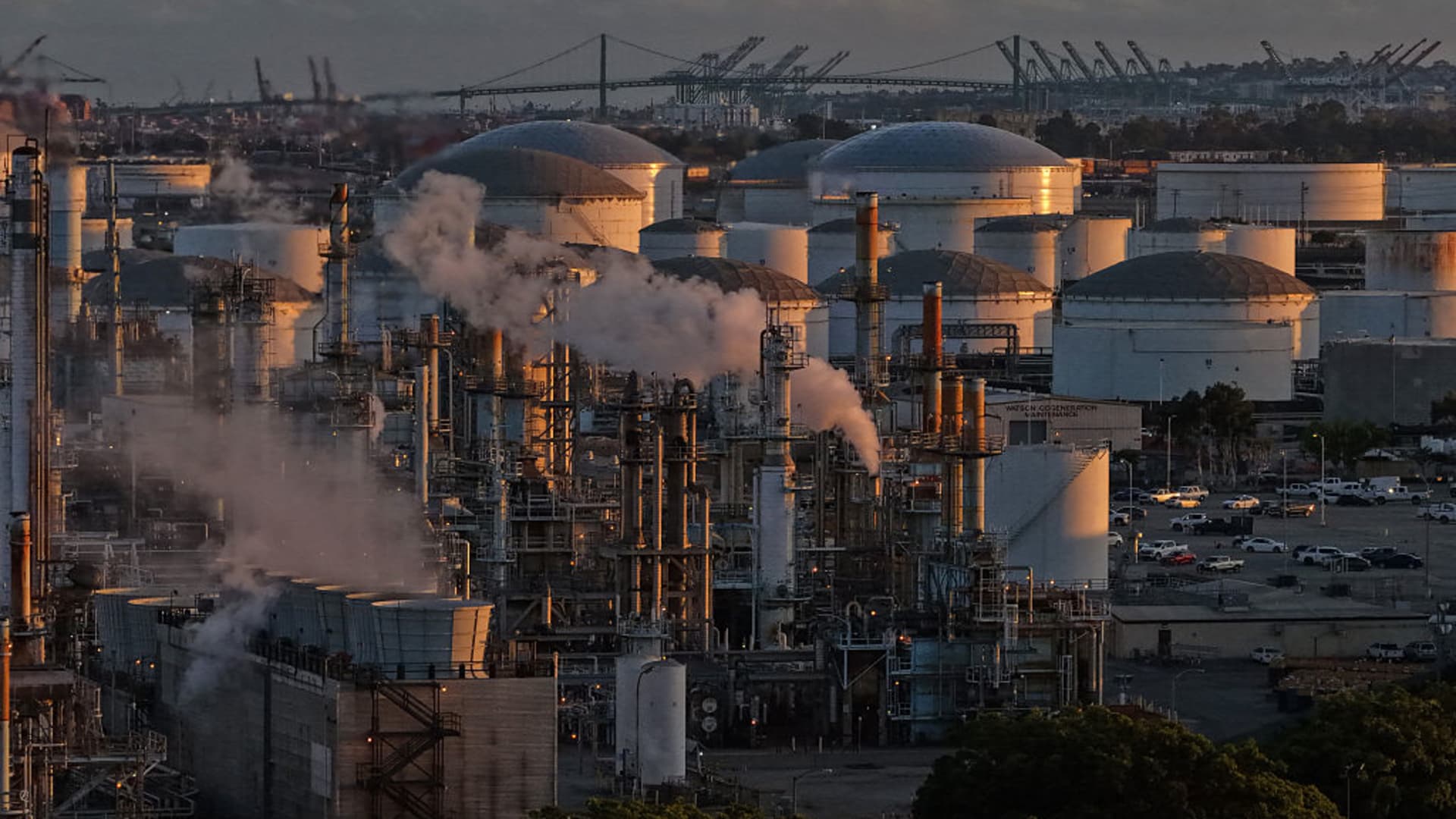
Oil Prices Decline Amid Supply Disruption Risks

- Oil Price Fluctuations: Brent crude futures for July delivery fell 0.60% to $113.77 per barrel, while U.S. West Texas Intermediate futures dropped 1.35% to $105.06, reflecting market concerns over potential supply disruptions amid geopolitical tensions.
- Geopolitical Tensions: The fragile ceasefire between the U.S. and Iran appears close to unraveling, as Iranian drones and missiles struck the UAE, with President Trump warning of severe consequences if Iran targets U.S. vessels, heightening market anxiety.
- Inventory Status: Goldman Sachs noted that while global oil inventories are not critically low, the rapid depletion of refined products, especially petrochemical feedstocks and jet fuel, is raising concerns about localized shortages that could disrupt global supply chains.
- Regional Shortage Risks: Analysts at Goldman Sachs warned of increasing risks of refined product scarcity in regions such as South Africa, India, Thailand, and Taiwan, predicting that total global oil stocks could decline from 101 days of demand to 98 days by the end of May, despite remaining above emergency thresholds, highlighting specific regional supply issues.
See More
Chevron to Explore Oil and Gas South of Malta
- New Exploration Initiative: Chevron announced plans to explore for oil and gas south of Malta, a region that has yet to see any production, but is strategically located near producing nations like Libya, Italy, and Tunisia, indicating potential resource value.
- Market Potential: This move could not only open new resource avenues for Chevron but also enhance its market position in the Mediterranean, especially against the backdrop of rising global energy demand.
- Strategic Diversification: By exploring south of Malta, Chevron aims to diversify its energy portfolio and reduce reliance on traditional production areas, thereby strengthening the company's long-term sustainability and profitability.
- Regional Collaboration Opportunities: The exploration initiative may provide opportunities for Chevron to collaborate with neighboring countries, fostering energy cooperation and development in the region, further solidifying its influence in the international market.
See More
Impact of Rising Oil Prices on Chevron
- Surging Oil Prices: The ongoing conflict with Iran has pushed Brent crude prices above $110 per barrel, marking a nearly 90% increase this year, which could have significant implications for the global energy market, particularly for companies like Chevron that are sensitive to oil price fluctuations.
- Cash Flow Projections: Chevron anticipates generating an incremental $12.5 billion in free cash flow this year if oil averages $70 per barrel, and with current prices being double that, the company is positioned to significantly enhance its cash flow, thereby supporting its capital expenditures and dividend payments.
- Profitability Fluctuations: Despite rising oil prices, Chevron's profits fell in the first quarter due to timing mismatches related to financial derivatives, but as it delivers those products in the future, earnings and cash flow are expected to improve, showcasing the company's potential in a high-price environment.
- Market Outlook: While the market generally expects oil prices to remain elevated this year, Chevron's ability to sustain capital spending and dividends even at sub-$50 oil levels demonstrates its resilience and long-term growth potential in a volatile market.
See More
Texas Thrives in AI Boom Amid Regulatory Discussions
- Texas AI Infrastructure: Texas is experiencing rapid growth in the AI sector, particularly with the construction of data centers, attracting investments from companies like SpaceX and Tesla, showcasing the state's favorable business environment.
- SpaceX Rocket Production: SpaceX has established a new city in Boca Chica, Texas, currently producing one rocket per month with precision down to a millimeter, marking significant advancements in the aerospace sector for the state.
- AI Regulatory Legislation: Senator Cruz's 'Take It Down Act' criminalizes the use of AI to create non-consensual intimate images, reflecting a commitment to child safety and imposing legal obligations on tech platforms to remove such content.
- Child Protection Bills: Cruz has introduced several bills aimed at protecting children, particularly regulating AI chatbots to ensure parental supervision and prevent potential psychological harm and abuse, highlighting the need for proactive legislative measures.
See More
Chevron's Profit Potential Amid Rising Oil Prices
- Low-Cost Operational Advantage: Chevron operates at a cost below $50 per barrel, expected to maintain this level through 2030, which allows the company to generate significant free cash flow in the current environment of oil prices exceeding $110, enhancing its financial stability and competitive position.
- Cash Flow Growth Expectations: The company anticipates generating an incremental $12.5 billion in free cash flow this year if oil averages $70 per barrel, driven by recently completed expansion projects and the acquisition of Hess, showcasing its profitability and growth potential in a high oil price environment.
- Market Uncertainty Impact: Despite significant oil price increases in the first half of the year, uncertainty regarding the trajectory of oil prices in the second half exists due to a stalemate in peace talks with Iran, which could lead to price volatility affecting Chevron's earnings performance in the coming months.
- Long-Term Growth Strategy: Chevron expects to grow its free cash flow at an annual rate exceeding 10% at $70 oil, demonstrating resilience and ongoing investment capability in low oil price environments, further solidifying its position in the global energy market.
See More
Norway's Sovereign Wealth Fund Reduces Climate Engagement
- Climate Goals Not Met: Norway's $2.2 trillion sovereign wealth fund, despite its commitment to achieve net-zero emissions by 2050, has significantly reduced its active engagement on climate change, resulting in unmet climate targets across approximately 7,200 companies worldwide.
- Voting Record Analysis: A report from an environmental NGO indicates that the fund only voted against management in three instances out of 23 priority votes concerning 12 upstream oil and gas developers last year, highlighting a concerning lack of engagement on climate risk that could lead to a permanent pullback.
- BP AGM Performance: At this year's BP AGM, the fund chose to protect the BP board's position rather than align with the majority of investors demanding better disclosure and oversight of fossil fuel strategies, further reflecting its shortcomings in managing climate-related financial risks.
- Commitment to Pressure: Despite facing criticism, the fund maintains its expectation for portfolio companies to align with net-zero pathways and disclose credible transition plans, emphasizing the close relationship between climate risk and financial risk, which underscores its long-term commitment to climate governance.
See More
Oil Prices Decline Amid Supply Disruption Risks
- Oil Price Fluctuations: Brent crude futures for July delivery fell 0.60% to $113.77 per barrel, while U.S. West Texas Intermediate futures dropped 1.35% to $105.06, reflecting market concerns over potential supply disruptions amid geopolitical tensions.
- Geopolitical Tensions: The fragile ceasefire between the U.S. and Iran appears close to unraveling, as Iranian drones and missiles struck the UAE, with President Trump warning of severe consequences if Iran targets U.S. vessels, heightening market anxiety.
- Inventory Status: Goldman Sachs noted that while global oil inventories are not critically low, the rapid depletion of refined products, especially petrochemical feedstocks and jet fuel, is raising concerns about localized shortages that could disrupt global supply chains.
- Regional Shortage Risks: Analysts at Goldman Sachs warned of increasing risks of refined product scarcity in regions such as South Africa, India, Thailand, and Taiwan, predicting that total global oil stocks could decline from 101 days of demand to 98 days by the end of May, despite remaining above emergency thresholds, highlighting specific regional supply issues.
See More