Supreme Court May Rule on Trump's Tariff Legality
Written by Emily J. Thompson, Senior Investment Analyst
Updated: Feb 19 2026
0mins
Should l Buy WMT?
Source: CNBC
- Consumer Impact of Tariffs: The current average effective tariff rate in the U.S. stands at 16.9%, the highest since 1932, with projections indicating that consumers will pay an additional $1,300 to $1,700 in 2026, significantly increasing household economic burdens.
- Potential Legal Changes: Should the Supreme Court rule IEEPA tariffs unconstitutional, the consumer burden could be halved to between $600 and $800, providing some economic relief for families and influencing future spending patterns.
- Tariff Revenue Analysis: U.S. Customs and Border Protection collected approximately $133.5 billion in tariff revenue in fiscal year 2025, accounting for 60% of total tariff revenue during that period, highlighting the significant impact of tariff policies on government finances.
- Alternative Tariff Pathways: The Trump administration may resort to other legal frameworks to continue imposing tariffs, and economists note that even if IEEPA is overturned, this will limit potential consumer relief while maintaining high tariff burdens.
Trade with 70% Backtested Accuracy
Stop guessing "Should I Buy WMT?" and start using high-conviction signals backed by rigorous historical data.
Sign up today to access powerful investing tools and make smarter, data-driven decisions.
Analyst Views on WMT
Wall Street analysts forecast WMT stock price to rise
26 Analyst Rating
25 Buy
1 Hold
0 Sell
Strong Buy
Current: 123.800

Low
119.00
Averages
125.75
High
136.00
Current: 123.800
Low
119.00
Averages
125.75
High
136.00
About WMT
Walmart Inc. is a technology-powered omnichannel retailer. The Company is engaged in the operation of retail and wholesale stores and clubs, as well as eCommerce Websites and mobile applications, located throughout the United States (U.S.), Africa, Canada, Central America, Chile, China, India and Mexico. It operates in three reportable segments: Walmart U.S., Walmart International and Sam's Club U.S. The Walmart U.S. segment includes the Company's mass merchandising concept in the U.S., as well as eCommerce, which includes omni-channel initiatives and certain other business offerings such as advertising services. The Walmart International segment consists of the Company's operations outside of the U.S. through its subsidiaries, as well as eCommerce and omni-channel initiatives. The Sam's Club U.S. segment includes the warehouse membership clubs in the U.S., as well as samsclub.com and omni-channel initiatives.
About the author

Emily J. Thompson
Emily J. Thompson, a Chartered Financial Analyst (CFA) with 12 years in investment research, graduated with honors from the Wharton School. Specializing in industrial and technology stocks, she provides in-depth analysis for Intellectia’s earnings and market brief reports.
Target at a Crossroads with Turnaround Plan


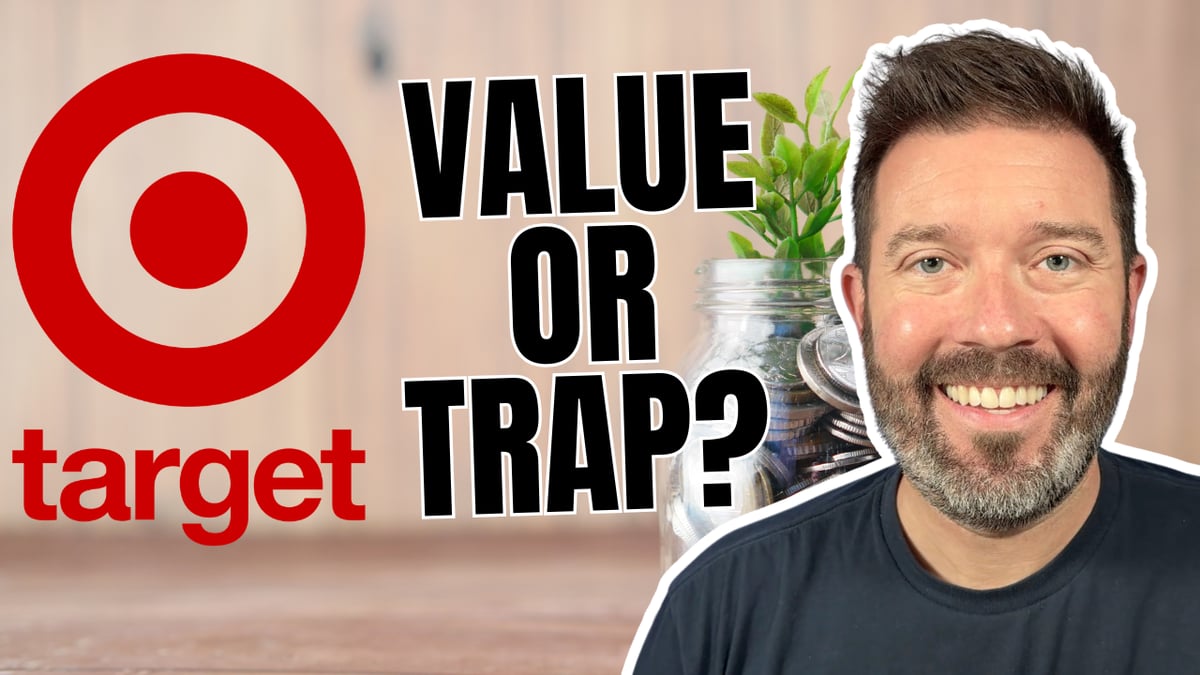
- Attractive Price Discount: Target (TGT) is currently trading at a mid-teens P/E ratio, which presents a significant discount compared to Walmart (WMT), potentially drawing interest from value investors.
- Stagnant Sales Concerns: Despite the attractive stock price, stagnant sales and shifting consumer habits raise concerns among some investors about the possibility of a 'value trap', which could undermine investment confidence.
- New CEO's Strategy: Under the leadership of new CEO Michael Fiddelke, Target is launching a massive turnaround plan for 2026, focusing on store refreshes to bring customers back, indicating a proactive approach to future growth.
- Uncertain Success Outlook: While the turnaround plan aims to enhance customer experience, market opinions on its potential success are mixed, prompting investors to carefully assess the associated risks and rewards.
See More

Target Plans $2 Billion Investment for 2026 Store Refresh
- Investment Plan: Target is planning a $2 billion incremental investment in 2026 aimed at refreshing stores and modernizing the digital experience to tackle economic challenges and shifting consumer habits.
- Sales Growth Outlook: While the company anticipates a modest return to same-store sales growth, it faces tough market competition, particularly in comparison to Walmart, amid a challenging economic environment.
- Management Changes: Under new CEO Michael Fiddelke, the company is launching a massive turnaround plan focused on store refreshes to bring customers back, but the likelihood of success remains uncertain.
- Investor Confidence: Due to stagnant sales and changing consumer habits, some investors are expressing concerns about Target's future, viewing it as a potential 'value trap', which negatively impacts stock prices.
See More
Impact of Oil Prices Surpassing $100 Per Barrel

- Surge in Oil Prices: Oil prices have surged past $100 per barrel, with strategist Paul Eitelman indicating that if prices reach $150, gas prices in the U.S. could exceed $4.50 per gallon, raising consumer concerns about a potential recession.
- Market Disruption: While the U.S. is less reliant on oil flows from the Strait of Hormuz, a spike in prices could significantly disrupt European and Asian markets, ultimately affecting U.S. consumer spending and economic activity.
- Wholesale Retailer Impact: Wholesale retailers like Costco typically price gas about 20 cents below the national average, currently around $3.47 per gallon, with Costco's price at approximately $3.20; however, rising oil prices may compress their fuel margins at gas stations.
- Consumer Behavior Shift: Costco's members often shop in-store after fueling, with about 50% of customers entering the store post-refueling, which brings incremental traffic, although rising oil prices could impact overall profitability.
See More

Caterpillar and Walmart Stocks Surge to New Highs
- Walmart's Strong Performance: Walmart's quarterly results highlight robust growth in its digital business, contributing to a stock price increase of over 40% in the past year, significantly outperforming the S&P 500, indicating its adaptability in uncertain economic times and long-term growth potential.
- Robust Dividend Growth: Walmart has increased its dividend payout five times over the past five years, achieving a 5.5% annualized growth rate, which not only boosts investor confidence but also positions it as a solid dividend investment choice, further solidifying its market standing.
- Caterpillar's Record Sales: Caterpillar's latest earnings report reveals quarterly sales of $18 billion, marking a historic high, while the company exited the quarter with a record backlog, reflecting strong demand driven by the AI buildout.
- Long-Term Investment Value: Both Caterpillar and Walmart have outperformed the S&P 500 over the last decade, and with new growth avenues emerging in the technology era, both companies are expected to maintain strong market performance, attracting more investor interest.
See More
Tesla May Drop Out of $1 Trillion Club by 2026

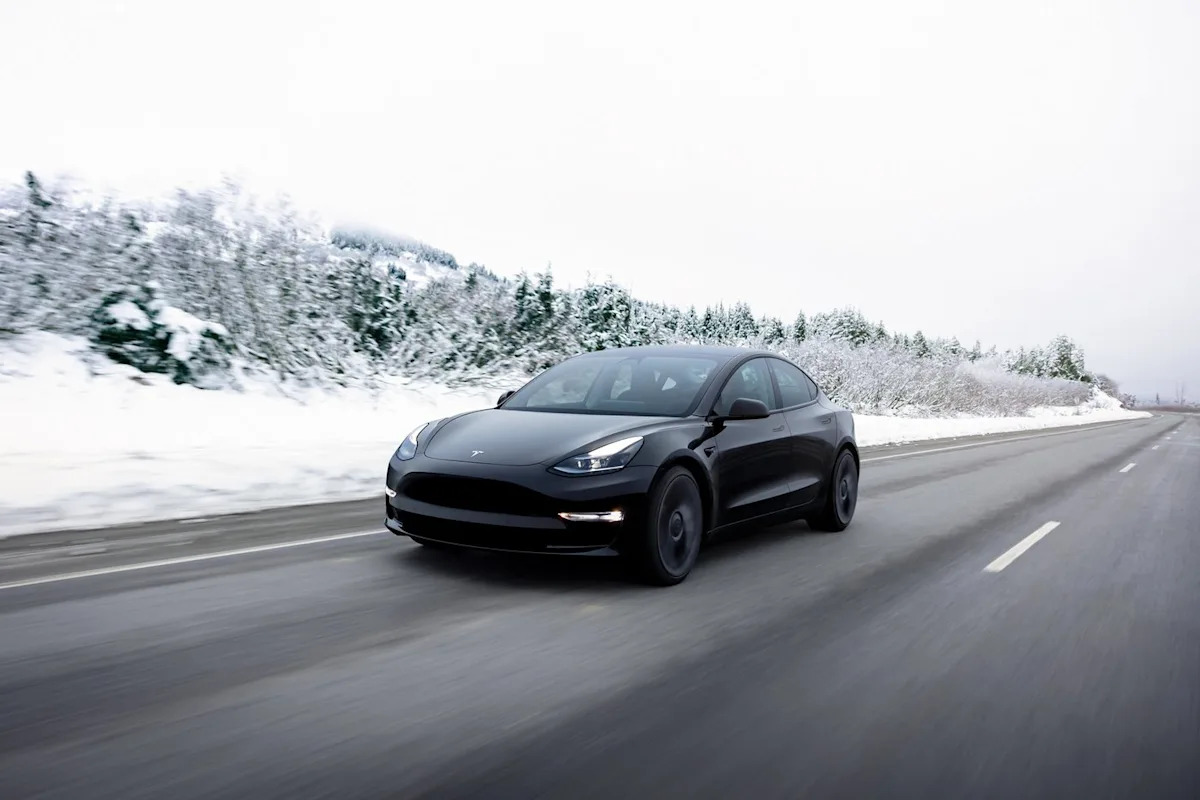
- Declining Sales: Tesla delivered 1.63 million EVs in 2025, a 9% drop from 2024, leading to a 10% decline in automotive revenue and a significant 47% impact on earnings, highlighting the vulnerability of its core business.
- Intensifying Competition: By phasing out the Model X and Model S, Tesla aims to focus on higher-volume models like the Model Y and Model 3 to counter competition from low-cost manufacturers like BYD, which outsold Tesla globally for the first time in 2025.
- Future Product Potential: While Tesla's Cybercab and Optimus robots could generate high-margin revenue streams, regulatory hurdles for FSD technology may delay the Cybercab's rollout, impacting future revenue growth.
- Significant Valuation Risks: With a P/E ratio of 377, Tesla's stock is heavily overvalued compared to other trillion-dollar companies, and if EV sales continue to decline, a 34% drop in stock price could lead to its exit from the trillion-dollar club.
See More

Lego Reports 12% Revenue Growth for Fiscal Year 2025

- Significant Revenue Growth: Lego achieved a revenue of 83.5 billion Danish kroner (approximately $12.9 billion) for fiscal year 2025, marking a 12% increase that showcases the company's strong performance in the toy industry, outpacing the overall market growth of 7%.
- Operating Profit Increase: The company's operating profit rose by 18% year-over-year to 22 billion Danish kroner (about $3.4 billion), indicating successful cost management and market demand strategies that further solidify its market position.
- Product Line Expansion: Lego launched its largest portfolio ever with 860 new products, about half of which are entirely new series, covering various popular culture themes that attract a broader consumer base, particularly adult buyers who account for 25% to 30% of global toy sales.
- Supply Chain Optimization: By establishing factories in Mexico, Hungary, and Vietnam, Lego has enhanced supply chain efficiency, reduced delivery times, and lowered costs, allowing for quick responses to market demand fluctuations and strengthening its competitive edge.
See More
Target at a Crossroads with Turnaround Plan
- Attractive Price Discount: Target (TGT) is currently trading at a mid-teens P/E ratio, which presents a significant discount compared to Walmart (WMT), potentially drawing interest from value investors.
- Stagnant Sales Concerns: Despite the attractive stock price, stagnant sales and shifting consumer habits raise concerns among some investors about the possibility of a 'value trap', which could undermine investment confidence.
- New CEO's Strategy: Under the leadership of new CEO Michael Fiddelke, Target is launching a massive turnaround plan for 2026, focusing on store refreshes to bring customers back, indicating a proactive approach to future growth.
- Uncertain Success Outlook: While the turnaround plan aims to enhance customer experience, market opinions on its potential success are mixed, prompting investors to carefully assess the associated risks and rewards.
See More
Target Plans $2 Billion Investment for 2026 Store Refresh
- Investment Plan: Target is planning a $2 billion incremental investment in 2026 aimed at refreshing stores and modernizing the digital experience to tackle economic challenges and shifting consumer habits.
- Sales Growth Outlook: While the company anticipates a modest return to same-store sales growth, it faces tough market competition, particularly in comparison to Walmart, amid a challenging economic environment.
- Management Changes: Under new CEO Michael Fiddelke, the company is launching a massive turnaround plan focused on store refreshes to bring customers back, but the likelihood of success remains uncertain.
- Investor Confidence: Due to stagnant sales and changing consumer habits, some investors are expressing concerns about Target's future, viewing it as a potential 'value trap', which negatively impacts stock prices.
See More
Impact of Oil Prices Surpassing $100 Per Barrel
- Surge in Oil Prices: Oil prices have surged past $100 per barrel, with strategist Paul Eitelman indicating that if prices reach $150, gas prices in the U.S. could exceed $4.50 per gallon, raising consumer concerns about a potential recession.
- Market Disruption: While the U.S. is less reliant on oil flows from the Strait of Hormuz, a spike in prices could significantly disrupt European and Asian markets, ultimately affecting U.S. consumer spending and economic activity.
- Wholesale Retailer Impact: Wholesale retailers like Costco typically price gas about 20 cents below the national average, currently around $3.47 per gallon, with Costco's price at approximately $3.20; however, rising oil prices may compress their fuel margins at gas stations.
- Consumer Behavior Shift: Costco's members often shop in-store after fueling, with about 50% of customers entering the store post-refueling, which brings incremental traffic, although rising oil prices could impact overall profitability.
See More
Caterpillar and Walmart Stocks Surge to New Highs
- Walmart's Strong Performance: Walmart's quarterly results highlight robust growth in its digital business, contributing to a stock price increase of over 40% in the past year, significantly outperforming the S&P 500, indicating its adaptability in uncertain economic times and long-term growth potential.
- Robust Dividend Growth: Walmart has increased its dividend payout five times over the past five years, achieving a 5.5% annualized growth rate, which not only boosts investor confidence but also positions it as a solid dividend investment choice, further solidifying its market standing.
- Caterpillar's Record Sales: Caterpillar's latest earnings report reveals quarterly sales of $18 billion, marking a historic high, while the company exited the quarter with a record backlog, reflecting strong demand driven by the AI buildout.
- Long-Term Investment Value: Both Caterpillar and Walmart have outperformed the S&P 500 over the last decade, and with new growth avenues emerging in the technology era, both companies are expected to maintain strong market performance, attracting more investor interest.
See More
Tesla May Drop Out of $1 Trillion Club by 2026
- Declining Sales: Tesla delivered 1.63 million EVs in 2025, a 9% drop from 2024, leading to a 10% decline in automotive revenue and a significant 47% impact on earnings, highlighting the vulnerability of its core business.
- Intensifying Competition: By phasing out the Model X and Model S, Tesla aims to focus on higher-volume models like the Model Y and Model 3 to counter competition from low-cost manufacturers like BYD, which outsold Tesla globally for the first time in 2025.
- Future Product Potential: While Tesla's Cybercab and Optimus robots could generate high-margin revenue streams, regulatory hurdles for FSD technology may delay the Cybercab's rollout, impacting future revenue growth.
- Significant Valuation Risks: With a P/E ratio of 377, Tesla's stock is heavily overvalued compared to other trillion-dollar companies, and if EV sales continue to decline, a 34% drop in stock price could lead to its exit from the trillion-dollar club.
See More
Lego Reports 12% Revenue Growth for Fiscal Year 2025
- Significant Revenue Growth: Lego achieved a revenue of 83.5 billion Danish kroner (approximately $12.9 billion) for fiscal year 2025, marking a 12% increase that showcases the company's strong performance in the toy industry, outpacing the overall market growth of 7%.
- Operating Profit Increase: The company's operating profit rose by 18% year-over-year to 22 billion Danish kroner (about $3.4 billion), indicating successful cost management and market demand strategies that further solidify its market position.
- Product Line Expansion: Lego launched its largest portfolio ever with 860 new products, about half of which are entirely new series, covering various popular culture themes that attract a broader consumer base, particularly adult buyers who account for 25% to 30% of global toy sales.
- Supply Chain Optimization: By establishing factories in Mexico, Hungary, and Vietnam, Lego has enhanced supply chain efficiency, reduced delivery times, and lowered costs, allowing for quick responses to market demand fluctuations and strengthening its competitive edge.
See More