Travelers Companies Reports Non-GAAP EPS of $8.14, Exceeding Estimates by $1.84
Earnings Performance: The Travelers Companies reported a Q3 Non-GAAP EPS of $8.14, exceeding expectations by $1.84, with earned premiums of $11.14 billion, reflecting a 4.1% year-over-year increase.
Improved Ratios and Losses: The consolidated combined ratio improved to 87.3%, while the underlying combined ratio reached 83.9%. Catastrophe losses significantly decreased to $402 million from $939 million in the previous year quarter.
Book Value Growth: There was a notable increase in book value per share, which rose by 16%, and adjusted book value per share, which increased by 15% compared to the prior year quarter.
Future Outlook: The Travelers Companies is expected to continue performing strongly, with analysts raising price targets and maintaining a positive outlook for upcoming quarters.
Trade with 70% Backtested Accuracy
Analyst Views on TRV

About TRV
About the author


DIA ETF 52-Week Price Fluctuation Analysis


- Price Range Analysis: The DIA ETF has a 52-week low of $366.32 and a high of $505.30, with the last trade at $477.40, indicating relative stability and investor confidence in the current market.
- Technical Analysis Tool: Comparing the recent share price to the 200-day moving average provides valuable technical insights for investors, aiding in more informed investment decisions.
- ETF Unit Trading Mechanism: ETFs trade like stocks, where investors buy and sell 'units' that can be created or destroyed based on investor demand, impacting liquidity and market performance.
- Inflows and Outflows Monitoring: Weekly monitoring of changes in shares outstanding helps identify ETFs experiencing significant inflows or outflows, enabling investors to grasp market dynamics and adjust their investment strategies accordingly.
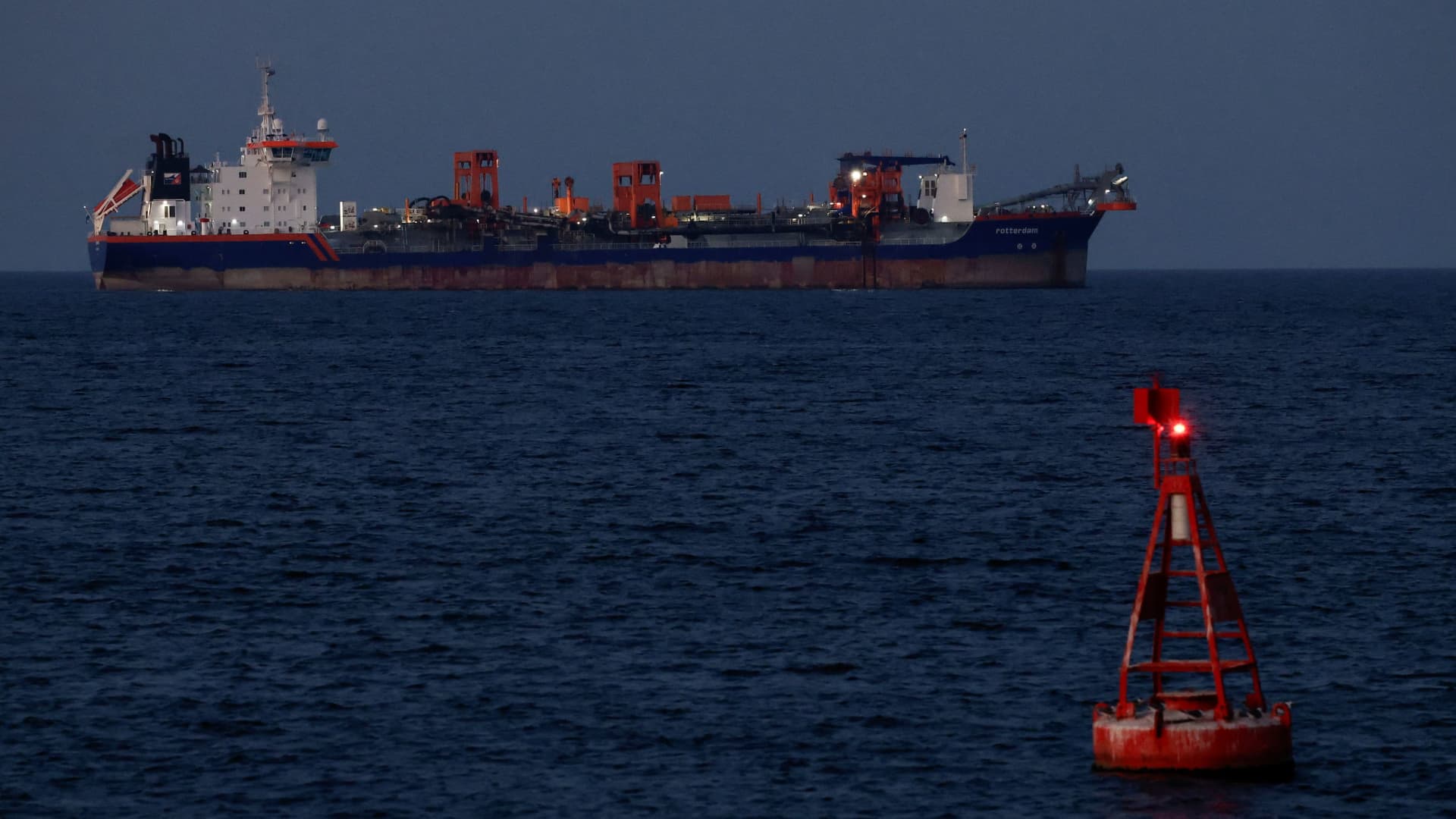
Concerns Rise Over Oil Tanker Sinking Risks in Gulf

- Environmental Catastrophe Risk: Global insurers and shipping companies are alarmed by the potential environmental disaster from an oil tanker sinking in the Persian Gulf, particularly given the region's lack of advanced cleanup technology, which could lead to severe ecological damage and economic losses.
- Surging Insurance Costs: Amid missile threats, shipping companies are facing insurance costs for hull, machinery, and cargo that have surged to 4-6 times previous rates, indicating the market's heightened sensitivity to potential risks, which could impact profitability in the shipping industry.
- Government Support Commitment: President Trump's commitment to insure tankers and facilitate commerce has somewhat alleviated market concerns, yet the current $20 billion reinsurance facility only covers hull and cargo, excluding essential pollution risk coverage.
- Lack of Response Mechanism: The absence of insurance support for environmental risks may continue to obstruct commerce in the Persian Gulf, reminiscent of the terrorism risk faced by the U.S. post-9/11, highlighting the urgent need for effective risk management frameworks.

Mass Flight Cancellations in Middle East Leave Travelers Stranded Worldwide

- Flight Cancellation Overview: Approximately 3,000 flights have been canceled since the conflict began, leaving travelers stranded globally, particularly in Australia, Brazil, and the Maldives, resulting in significant inconvenience and economic losses for airlines and passengers alike.
- Airspace Closure Impact: Following U.S. and Israeli military strikes on Iran, airspace across the Middle East has been closed, severely affecting flights to and from major hubs like Dubai, Tel Aviv, and Doha, with over 40 flights forced to divert early Saturday morning.
- Airlines' Response Measures: Major airlines are repositioning aircraft to cope with the ongoing airspace closures, with Etihad starting to relocate its A380s from its Abu Dhabi hub, and they are expected to add extra flights once airspace reopens to accommodate the surge in demand.
- Travel Insurance Concerns: Standard travel insurance policies generally do not cover events that have already occurred, meaning travelers must have purchased more expensive

Middle East Flight Cancellations Leave Travelers Stranded Amid Ongoing Conflict
- Flight Cancellations: Approximately 3,000 flights have been canceled since the onset of the conflict in Iran, leaving travelers stranded globally, particularly affecting those in Australia, Brazil, and the Maldives who are struggling to return home.
- Airspace Closure Impact: The closure of airspace across a large portion of the Middle East has led to the suspension of flights from major hubs like Dubai International Airport and Tel Aviv, with over 40 flights forced to divert early Saturday morning, exacerbating the situation for stranded travelers.
- Airlines' Response: Major airlines are beginning to reposition their aircraft to prepare for a surge in demand once airspace reopens, although it remains unclear when normal flight operations will resume, with airlines prioritizing the return of ticket-holding travelers.
- Travel Insurance Limitations: Standard travel insurance policies typically do not cover events that have already occurred, leaving travelers at risk of not being able to claim compensation unless they purchased more expensive

Berkshire Hathaway Reports Significant Decline in Q4 Operating Earnings


- Operating Earnings Decline: Berkshire Hathaway reported Q4 operating earnings of $10.2 billion, down 29% year-over-year, primarily due to weakness in its insurance business, highlighting challenges in its diversified operations.
- Insurance Business Losses: Insurance underwriting profits plummeted 54% to $1.56 billion, while investment income fell nearly 25% to $3.1 billion, reflecting pressures in the insurance market and its impact on overall profitability.
- Annual Overall Earnings Drop: Total overall earnings for 2025 fell to $66.97 billion from $89 billion the previous year, indicating volatility in investment performance and potential implications for shareholders.
- Cash Reserves Slightly Decrease: Despite no stock buybacks, Berkshire's cash reserves dipped from $381.6 billion to $373.3 billion, demonstrating a cautious approach to capital allocation and reflecting its strategy in navigating market fluctuations.
State Farm Announces Historic $5 Billion Dividend for Auto Insurance Members

- Historic Dividend: State Farm has announced a $5 billion dividend for its auto insurance members, marking the largest payout in the company's 103-year history, reflecting its financial strength and better-than-expected underwriting performance.
- Customer Refund Expectations: Customers can expect an average refund of $100, although the amount will vary by state and premium paid, aiming to alleviate the economic pressure faced by clients due to soaring premiums.
- Rising Premium Trends: Despite declining auto repair costs and accident frequency in 2025, car insurance premiums have surged over 50% in three years, the highest inflation rate in 50 years, prompting consumers to regularly shop for better insurance deals to reduce household expenses.
- Intensifying Market Competition: State Farm faces competitive pressure from companies like Progressive, which paid $1 billion in dividends to customers in 2025, highlighting the fierce competition within the insurance industry and the importance of customer loyalty.
DIA ETF 52-Week Price Fluctuation Analysis
- Price Range Analysis: The DIA ETF has a 52-week low of $366.32 and a high of $505.30, with the last trade at $477.40, indicating relative stability and investor confidence in the current market.
- Technical Analysis Tool: Comparing the recent share price to the 200-day moving average provides valuable technical insights for investors, aiding in more informed investment decisions.
- ETF Unit Trading Mechanism: ETFs trade like stocks, where investors buy and sell 'units' that can be created or destroyed based on investor demand, impacting liquidity and market performance.
- Inflows and Outflows Monitoring: Weekly monitoring of changes in shares outstanding helps identify ETFs experiencing significant inflows or outflows, enabling investors to grasp market dynamics and adjust their investment strategies accordingly.
Concerns Rise Over Oil Tanker Sinking Risks in Gulf
- Environmental Catastrophe Risk: Global insurers and shipping companies are alarmed by the potential environmental disaster from an oil tanker sinking in the Persian Gulf, particularly given the region's lack of advanced cleanup technology, which could lead to severe ecological damage and economic losses.
- Surging Insurance Costs: Amid missile threats, shipping companies are facing insurance costs for hull, machinery, and cargo that have surged to 4-6 times previous rates, indicating the market's heightened sensitivity to potential risks, which could impact profitability in the shipping industry.
- Government Support Commitment: President Trump's commitment to insure tankers and facilitate commerce has somewhat alleviated market concerns, yet the current $20 billion reinsurance facility only covers hull and cargo, excluding essential pollution risk coverage.
- Lack of Response Mechanism: The absence of insurance support for environmental risks may continue to obstruct commerce in the Persian Gulf, reminiscent of the terrorism risk faced by the U.S. post-9/11, highlighting the urgent need for effective risk management frameworks.
Mass Flight Cancellations in Middle East Leave Travelers Stranded Worldwide
- Flight Cancellation Overview: Approximately 3,000 flights have been canceled since the conflict began, leaving travelers stranded globally, particularly in Australia, Brazil, and the Maldives, resulting in significant inconvenience and economic losses for airlines and passengers alike.
- Airspace Closure Impact: Following U.S. and Israeli military strikes on Iran, airspace across the Middle East has been closed, severely affecting flights to and from major hubs like Dubai, Tel Aviv, and Doha, with over 40 flights forced to divert early Saturday morning.
- Airlines' Response Measures: Major airlines are repositioning aircraft to cope with the ongoing airspace closures, with Etihad starting to relocate its A380s from its Abu Dhabi hub, and they are expected to add extra flights once airspace reopens to accommodate the surge in demand.
- Travel Insurance Concerns: Standard travel insurance policies generally do not cover events that have already occurred, meaning travelers must have purchased more expensive
Middle East Flight Cancellations Leave Travelers Stranded Amid Ongoing Conflict
- Flight Cancellations: Approximately 3,000 flights have been canceled since the onset of the conflict in Iran, leaving travelers stranded globally, particularly affecting those in Australia, Brazil, and the Maldives who are struggling to return home.
- Airspace Closure Impact: The closure of airspace across a large portion of the Middle East has led to the suspension of flights from major hubs like Dubai International Airport and Tel Aviv, with over 40 flights forced to divert early Saturday morning, exacerbating the situation for stranded travelers.
- Airlines' Response: Major airlines are beginning to reposition their aircraft to prepare for a surge in demand once airspace reopens, although it remains unclear when normal flight operations will resume, with airlines prioritizing the return of ticket-holding travelers.
- Travel Insurance Limitations: Standard travel insurance policies typically do not cover events that have already occurred, leaving travelers at risk of not being able to claim compensation unless they purchased more expensive
Berkshire Hathaway Reports Significant Decline in Q4 Operating Earnings
- Operating Earnings Decline: Berkshire Hathaway reported Q4 operating earnings of $10.2 billion, down 29% year-over-year, primarily due to weakness in its insurance business, highlighting challenges in its diversified operations.
- Insurance Business Losses: Insurance underwriting profits plummeted 54% to $1.56 billion, while investment income fell nearly 25% to $3.1 billion, reflecting pressures in the insurance market and its impact on overall profitability.
- Annual Overall Earnings Drop: Total overall earnings for 2025 fell to $66.97 billion from $89 billion the previous year, indicating volatility in investment performance and potential implications for shareholders.
- Cash Reserves Slightly Decrease: Despite no stock buybacks, Berkshire's cash reserves dipped from $381.6 billion to $373.3 billion, demonstrating a cautious approach to capital allocation and reflecting its strategy in navigating market fluctuations.
State Farm Announces Historic $5 Billion Dividend for Auto Insurance Members
- Historic Dividend: State Farm has announced a $5 billion dividend for its auto insurance members, marking the largest payout in the company's 103-year history, reflecting its financial strength and better-than-expected underwriting performance.
- Customer Refund Expectations: Customers can expect an average refund of $100, although the amount will vary by state and premium paid, aiming to alleviate the economic pressure faced by clients due to soaring premiums.
- Rising Premium Trends: Despite declining auto repair costs and accident frequency in 2025, car insurance premiums have surged over 50% in three years, the highest inflation rate in 50 years, prompting consumers to regularly shop for better insurance deals to reduce household expenses.
- Intensifying Market Competition: State Farm faces competitive pressure from companies like Progressive, which paid $1 billion in dividends to customers in 2025, highlighting the fierce competition within the insurance industry and the importance of customer loyalty.