Red Rock Resorts (RRR) Rises 12.5% Since Previous Earnings Report: Will the Momentum Persist?

Earnings Report Overview: Red Rock Resorts reported third-quarter 2025 earnings with adjusted EPS of 68 cents, exceeding estimates, while revenues of $475.6 million fell slightly short of expectations but showed a year-over-year increase.
Financial Performance: The company experienced a net income increase to $76.9 million and an adjusted EBITDA margin expansion to 40.1%, indicating improved operational efficiency.
Stock Performance and Estimates: Despite a 12.5% rise in shares over the past month, estimates for Red Rock Resorts have trended downward, leading to a Zacks Rank #3 (Hold) and a mixed score on growth and momentum.
Industry Context: In comparison, Boyd Gaming, a competitor in the gaming industry, reported a revenue increase and maintained a similar Zacks Rank, highlighting competitive dynamics within the sector.
Trade with 70% Backtested Accuracy
Analyst Views on BYD

About BYD
About the author


Boyd Gaming Opens New Casino in Las Vegas Area After 20 Years
- New Casino Opening: Boyd Gaming opened Cadence Crossing in Henderson on March 25, marking the first new casino in the Las Vegas area in over 20 years, aimed at serving local residents and enhancing the company's market position in Southern Nevada.
- Market Positioning: Cadence Crossing replaces the long-standing Joker's Wild casino, reflecting Boyd's strategy of refreshing its local market presence to adapt to residential growth, with expectations of delivering strong returns on investment.
- Future Development Potential: CEO Keith Smith stated that significant land remains available around Cadence Crossing for future development, providing opportunities to expand the property to meet growing demand and further solidifying the company's market position.
- Stock Performance: While Boyd Gaming's shares have remained relatively flat for 2026, they are over 20% higher than a year ago, indicating confidence in the company's continued growth in core customer base and major property investments.
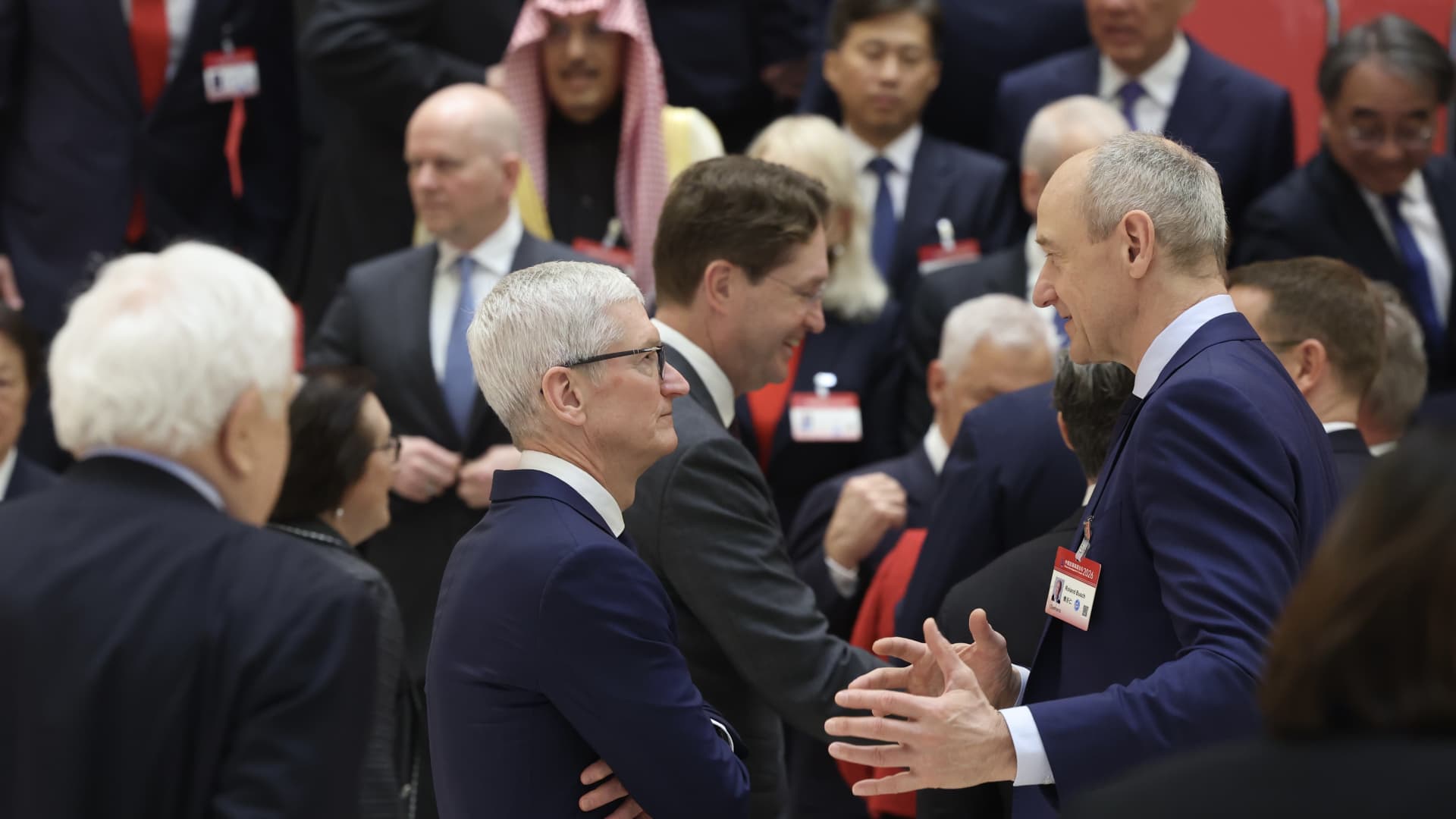
Global Executives Focus on Opportunities in China Market


- Apple CEO Remarks: At the China Development Forum, Apple CEO Tim Cook highlighted the 'extraordinary' pace of technological progress in China, stating that over 90% of Apple's production is powered by clean energy, demonstrating Apple's ongoing commitment and confidence in the Chinese market.
- Significant Sales Growth: Driven by the iPhone 17 launch, Apple's smartphone sales surged 23% year-on-year in the first nine weeks of 2023, contrasting with a 4% decline in China's overall market, indicating Apple's robust growth potential in a competitive landscape.
- Pharmaceutical Investment Plans: Pharmaceutical giant Eli Lilly announced plans to invest $3 billion in China over the next decade, despite only 3% of its revenue coming from the country last year; the CEO expressed optimism about the potential for its GLP-1 obesity drug in China, reflecting foreign confidence in the market.
- Volkswagen's New Strategy: Volkswagen CEO Oliver Blume stated that the company will launch 20 new models in China this year, despite an 8% drop in passenger car sales last year, emphasizing the importance of a stable market environment for foreign investors and showcasing a long-term commitment to the Chinese market.
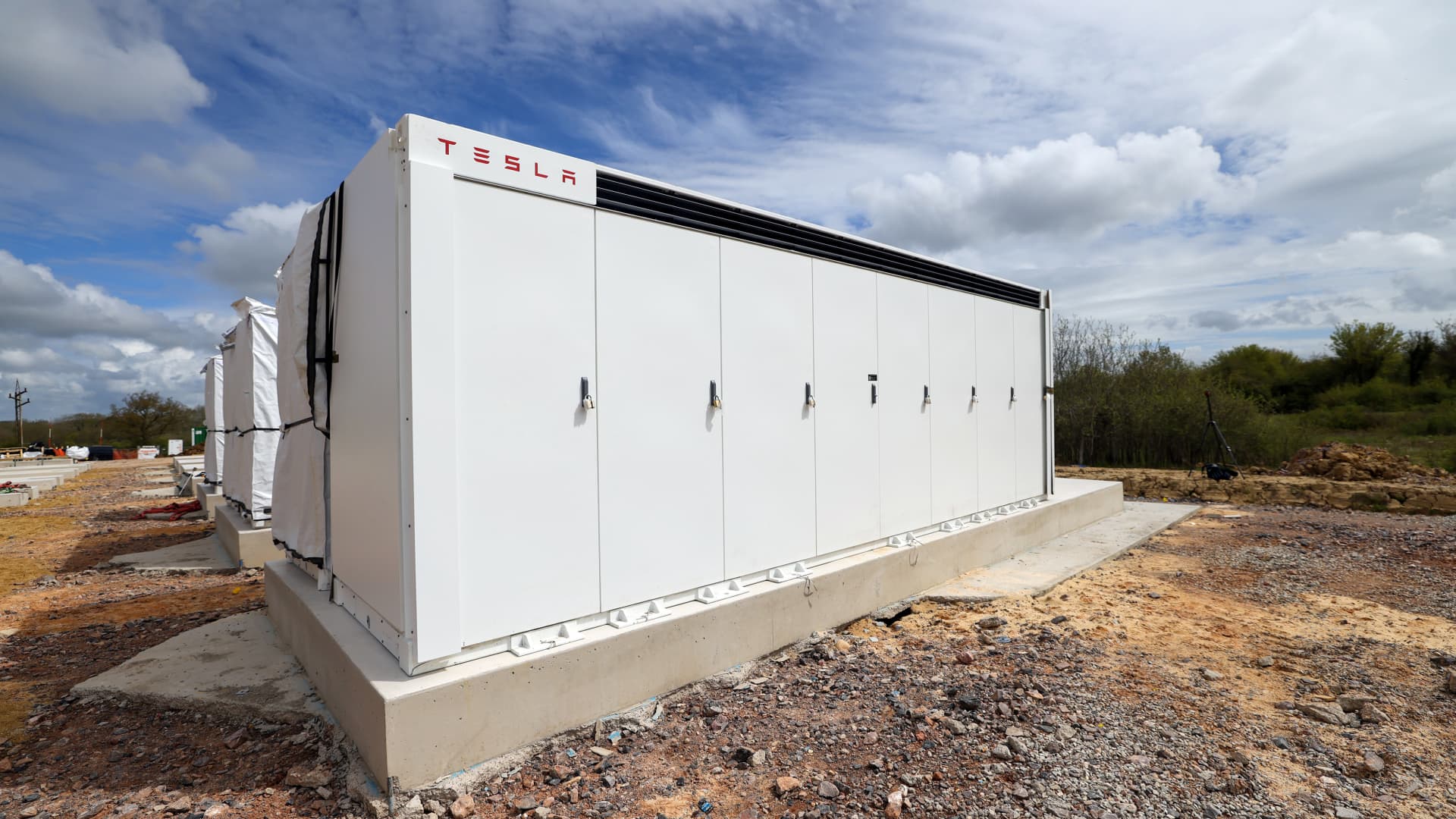
Tesla Strikes $4.3 Billion Battery Deal with LG Energy


- Battery Procurement Agreement: Tesla has struck a $4.3 billion deal with LG Energy Solution to procure battery cells for energy storage systems produced in Lansing, Michigan, further solidifying its position in the energy market.
- Energy Business Growth: Tesla's energy segment saw a 27% revenue increase last year, reaching $12.8 billion and accounting for 13% of total revenue, showcasing its rapid expansion potential outside of electric vehicles, despite a 10% decline in the auto sector.
- Production Line Development: LG Energy will establish dedicated production lines at its Lansing facility to meet Tesla's needs, indicating the depth of their collaboration and expectations for future market demand, while also reflecting LG's commitment to battery production capabilities.
- Market Competition Pressure: Tesla anticipates margin compression in its energy business due to low-cost competition, particularly from BYD in China and emerging climate-tech startups, highlighting the complexity of the market environment and the intensity of competition.
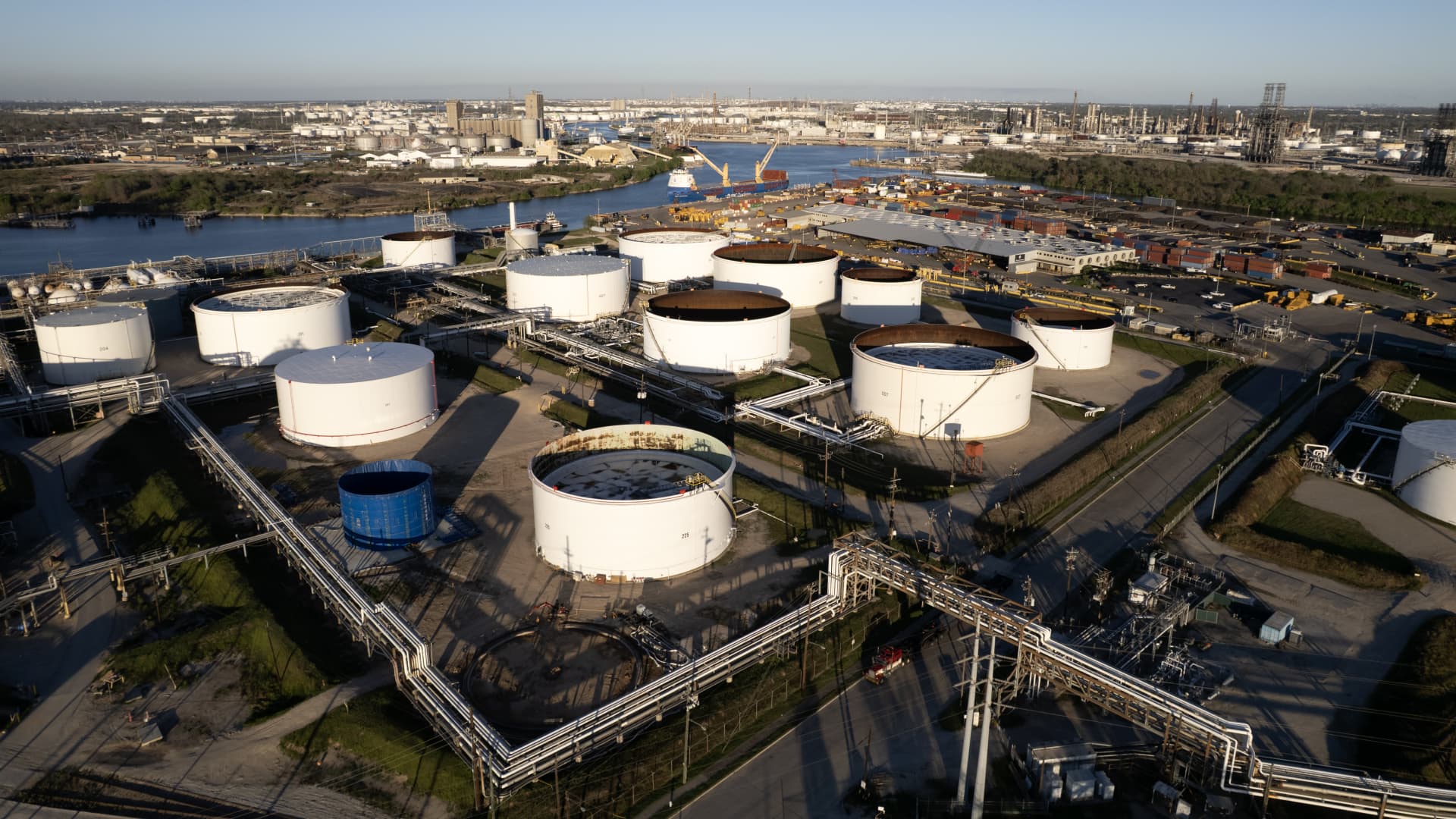
Oil Prices Surge Over 2% Amid Middle East Tensions

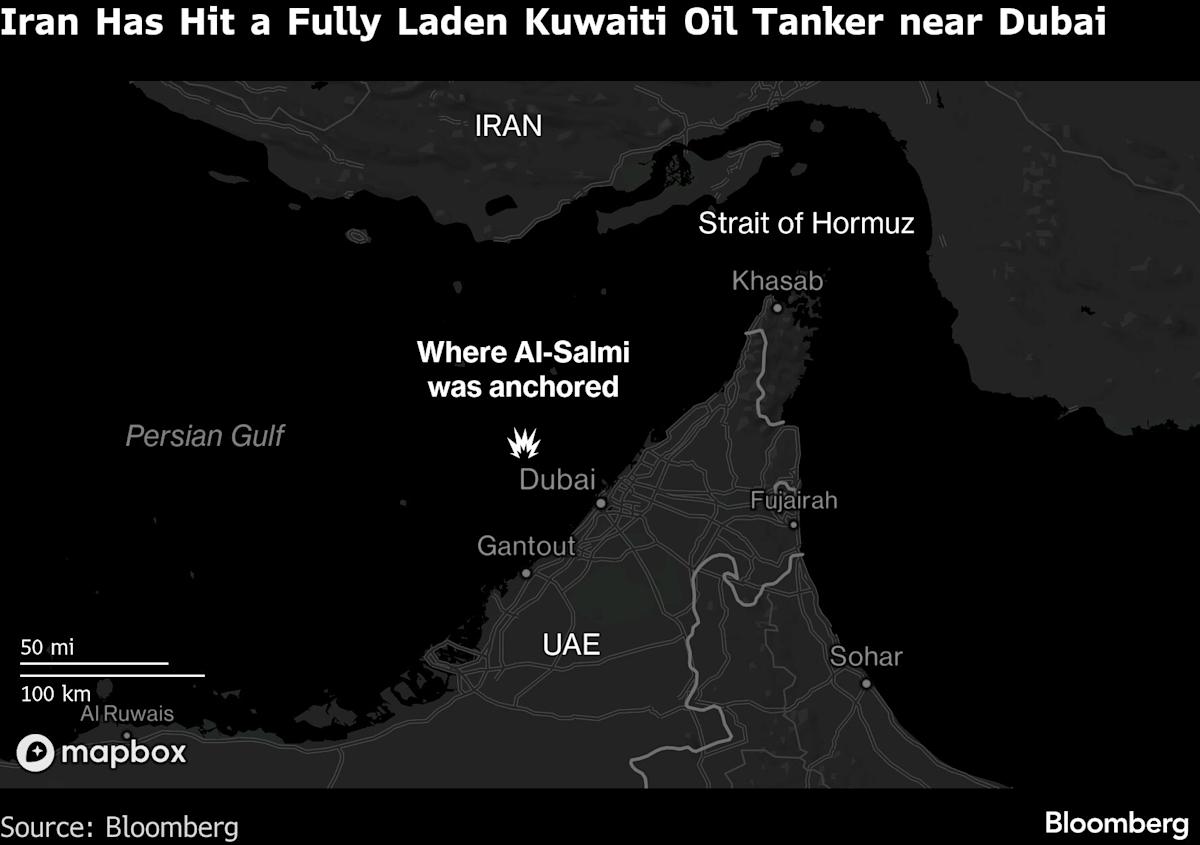
- Oil Price Surge: Oil prices jumped over 2% on Tuesday due to uncertainty surrounding a U.S.-led coalition to protect shipping through the Strait of Hormuz, reflecting the market's heightened sensitivity to Middle Eastern tensions that could lead to further price increases.
- Middle East Tensions: The UAE reopened its airspace after a brief shutdown, indicating that security conditions in the region remain precarious, with ongoing missile and drone attacks from Iran disrupting shipping and oil production.
- Interest Rate Hike: The Reserve Bank of Australia raised its benchmark policy rate for the second consecutive time due to inflation risks posed by the war in Iran, a move that could dampen economic growth and affect investor confidence.
- Market Reactions: Asia-Pacific equities rose on Tuesday, driven by gains in auto and tech stocks, particularly after Nvidia announced a robust revenue forecast, showcasing market optimism in the tech sector despite a lack of direction in European and U.S. futures trading.
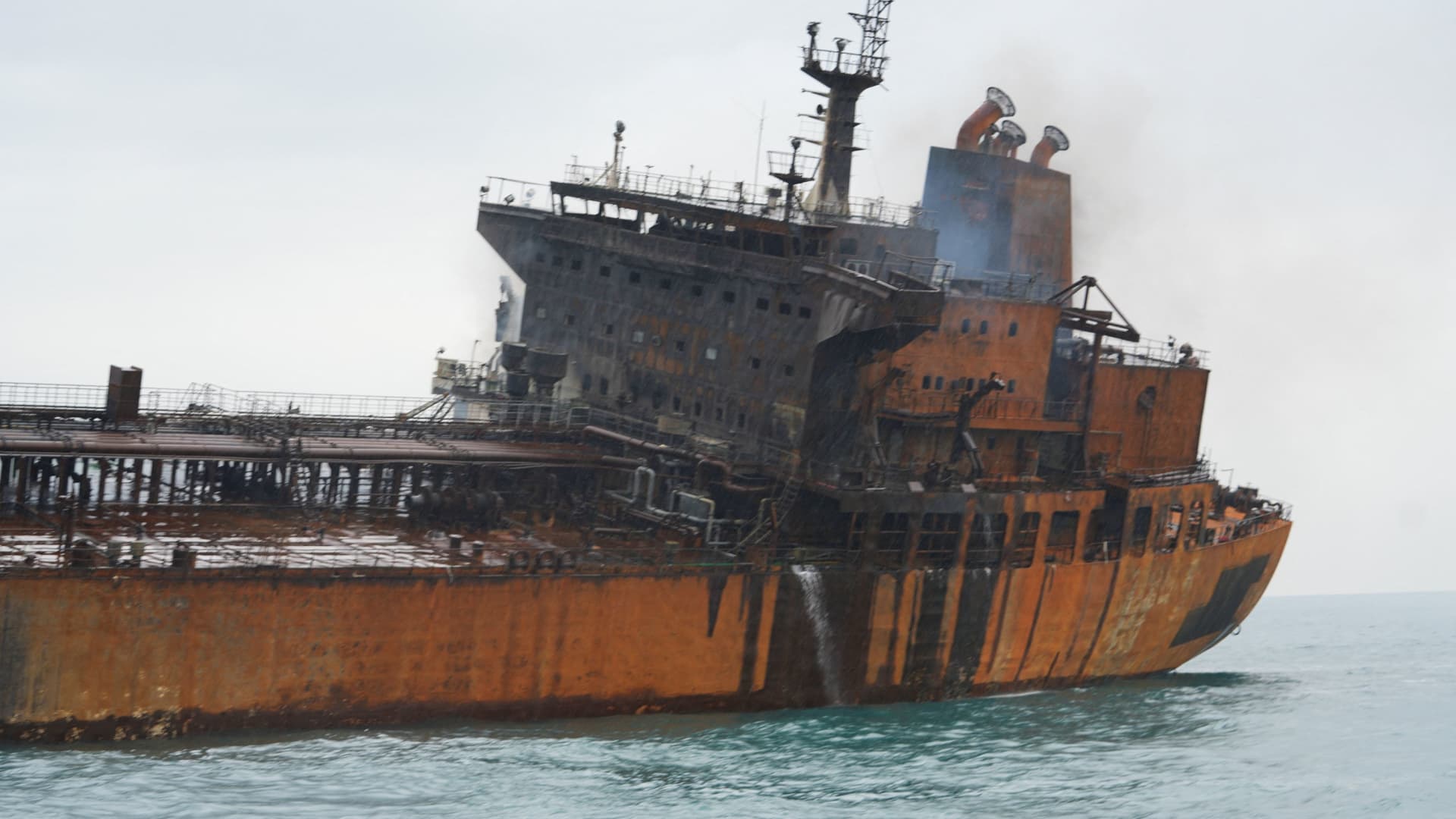
Foreign Tanker Catches Fire in Iraqi Waters Amid Attacks
- Tanker Attack Incident: A foreign tanker carrying Iraqi fuel caught fire in Iraq's territorial waters near Basra, indicating a deterioration in regional security that could lead to further fluctuations in international oil prices.
- Escalating Middle East Tensions: The attack is linked to Iran's ongoing aggression towards its neighbors, which may exacerbate tensions between the U.S. and Iran, thereby impacting the stability of the global energy supply chain.
- Rising Oil Prices: Amid the ongoing Middle East crisis, West Texas Intermediate crude futures rose approximately 2% to $95.34 per barrel, while global benchmark Brent increased by 1.8% to $102.03 per barrel, reflecting market concerns over potential supply disruptions.
- Geopolitical Implications: President Trump is seeking assistance from other nations to secure the Strait of Hormuz, but the lukewarm response indicates doubts about U.S. leadership and influence in the region, potentially leading to future market uncertainties.
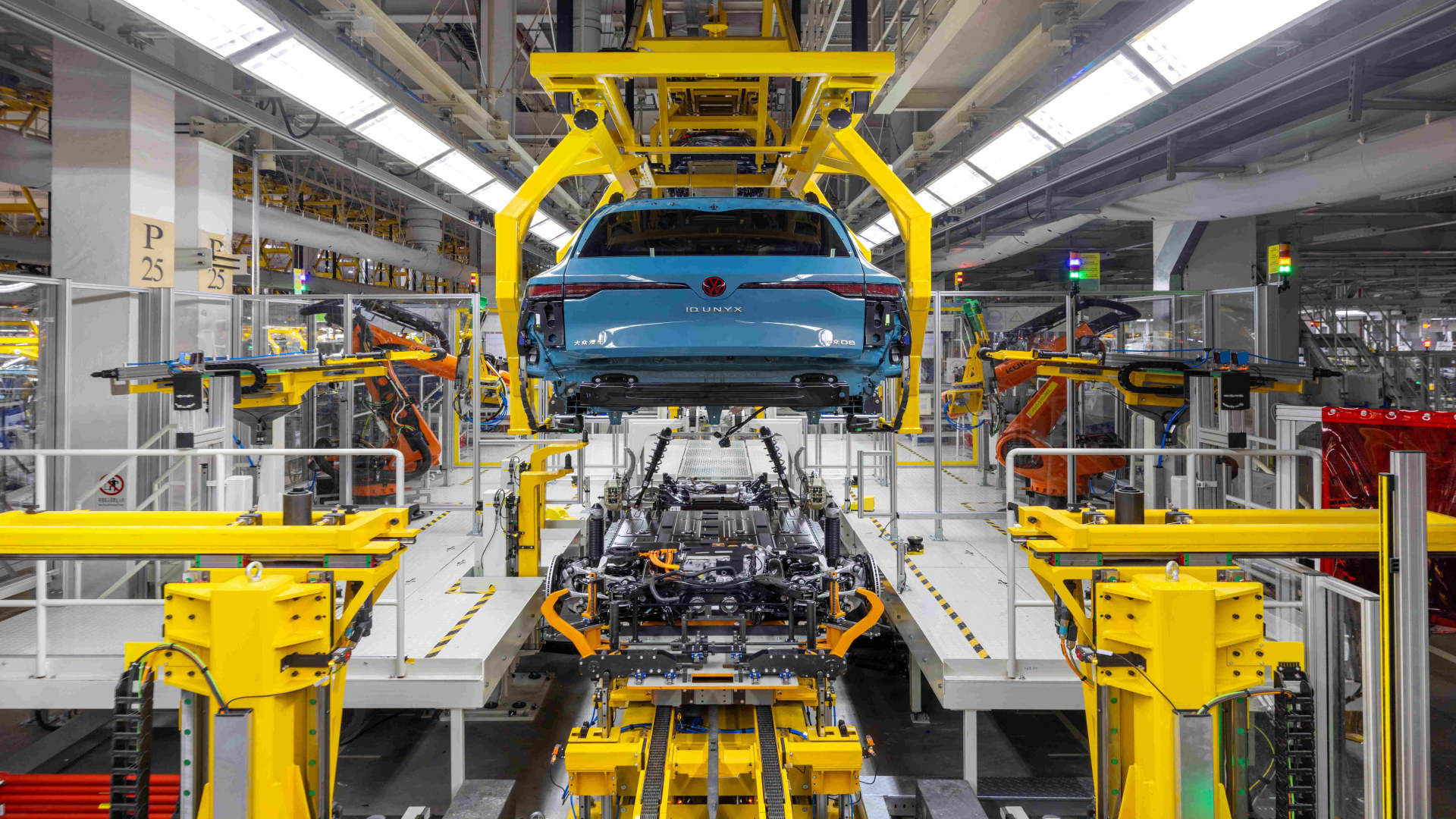
Volkswagen Begins Production of First All-Electric SUV

- Production Launch: Volkswagen commenced production of its first all-electric SUV, the ID. UNYX 08, on March 13, 2026, in Hefei, utilizing Xpeng's Turing chip, which signifies a crucial advancement in its electric vehicle strategy aimed at enhancing competitiveness in the Chinese market.
- Delivery Timeline: The ID. UNYX 08 is set to begin deliveries by the end of June, equipped with L2 advanced driver-assist technology that aids drivers in navigating highways and urban streets, thereby increasing consumer demand for smart electric vehicles.
- Future Technology Plans: Volkswagen anticipates that its vehicles in China will achieve L3 autonomous driving capabilities within two years, allowing drivers to take their hands off the wheel under specific conditions, which will shift liability for accidents from drivers to manufacturers, enhancing consumer trust.
- Market Strategy Adjustment: Following a business overhaul in 2023, Volkswagen plans to launch 20 new electric models in 2026 and aims for a total of 50 new models by 2030, demonstrating a strong commitment to the Chinese market and a focus on electrification transformation.
Boyd Gaming Opens New Casino in Las Vegas Area After 20 Years
- New Casino Opening: Boyd Gaming opened Cadence Crossing in Henderson on March 25, marking the first new casino in the Las Vegas area in over 20 years, aimed at serving local residents and enhancing the company's market position in Southern Nevada.
- Market Positioning: Cadence Crossing replaces the long-standing Joker's Wild casino, reflecting Boyd's strategy of refreshing its local market presence to adapt to residential growth, with expectations of delivering strong returns on investment.
- Future Development Potential: CEO Keith Smith stated that significant land remains available around Cadence Crossing for future development, providing opportunities to expand the property to meet growing demand and further solidifying the company's market position.
- Stock Performance: While Boyd Gaming's shares have remained relatively flat for 2026, they are over 20% higher than a year ago, indicating confidence in the company's continued growth in core customer base and major property investments.
Global Executives Focus on Opportunities in China Market
- Apple CEO Remarks: At the China Development Forum, Apple CEO Tim Cook highlighted the 'extraordinary' pace of technological progress in China, stating that over 90% of Apple's production is powered by clean energy, demonstrating Apple's ongoing commitment and confidence in the Chinese market.
- Significant Sales Growth: Driven by the iPhone 17 launch, Apple's smartphone sales surged 23% year-on-year in the first nine weeks of 2023, contrasting with a 4% decline in China's overall market, indicating Apple's robust growth potential in a competitive landscape.
- Pharmaceutical Investment Plans: Pharmaceutical giant Eli Lilly announced plans to invest $3 billion in China over the next decade, despite only 3% of its revenue coming from the country last year; the CEO expressed optimism about the potential for its GLP-1 obesity drug in China, reflecting foreign confidence in the market.
- Volkswagen's New Strategy: Volkswagen CEO Oliver Blume stated that the company will launch 20 new models in China this year, despite an 8% drop in passenger car sales last year, emphasizing the importance of a stable market environment for foreign investors and showcasing a long-term commitment to the Chinese market.
Tesla Strikes $4.3 Billion Battery Deal with LG Energy
- Battery Procurement Agreement: Tesla has struck a $4.3 billion deal with LG Energy Solution to procure battery cells for energy storage systems produced in Lansing, Michigan, further solidifying its position in the energy market.
- Energy Business Growth: Tesla's energy segment saw a 27% revenue increase last year, reaching $12.8 billion and accounting for 13% of total revenue, showcasing its rapid expansion potential outside of electric vehicles, despite a 10% decline in the auto sector.
- Production Line Development: LG Energy will establish dedicated production lines at its Lansing facility to meet Tesla's needs, indicating the depth of their collaboration and expectations for future market demand, while also reflecting LG's commitment to battery production capabilities.
- Market Competition Pressure: Tesla anticipates margin compression in its energy business due to low-cost competition, particularly from BYD in China and emerging climate-tech startups, highlighting the complexity of the market environment and the intensity of competition.
Oil Prices Surge Over 2% Amid Middle East Tensions
- Oil Price Surge: Oil prices jumped over 2% on Tuesday due to uncertainty surrounding a U.S.-led coalition to protect shipping through the Strait of Hormuz, reflecting the market's heightened sensitivity to Middle Eastern tensions that could lead to further price increases.
- Middle East Tensions: The UAE reopened its airspace after a brief shutdown, indicating that security conditions in the region remain precarious, with ongoing missile and drone attacks from Iran disrupting shipping and oil production.
- Interest Rate Hike: The Reserve Bank of Australia raised its benchmark policy rate for the second consecutive time due to inflation risks posed by the war in Iran, a move that could dampen economic growth and affect investor confidence.
- Market Reactions: Asia-Pacific equities rose on Tuesday, driven by gains in auto and tech stocks, particularly after Nvidia announced a robust revenue forecast, showcasing market optimism in the tech sector despite a lack of direction in European and U.S. futures trading.
Foreign Tanker Catches Fire in Iraqi Waters Amid Attacks
- Tanker Attack Incident: A foreign tanker carrying Iraqi fuel caught fire in Iraq's territorial waters near Basra, indicating a deterioration in regional security that could lead to further fluctuations in international oil prices.
- Escalating Middle East Tensions: The attack is linked to Iran's ongoing aggression towards its neighbors, which may exacerbate tensions between the U.S. and Iran, thereby impacting the stability of the global energy supply chain.
- Rising Oil Prices: Amid the ongoing Middle East crisis, West Texas Intermediate crude futures rose approximately 2% to $95.34 per barrel, while global benchmark Brent increased by 1.8% to $102.03 per barrel, reflecting market concerns over potential supply disruptions.
- Geopolitical Implications: President Trump is seeking assistance from other nations to secure the Strait of Hormuz, but the lukewarm response indicates doubts about U.S. leadership and influence in the region, potentially leading to future market uncertainties.
Volkswagen Begins Production of First All-Electric SUV
- Production Launch: Volkswagen commenced production of its first all-electric SUV, the ID. UNYX 08, on March 13, 2026, in Hefei, utilizing Xpeng's Turing chip, which signifies a crucial advancement in its electric vehicle strategy aimed at enhancing competitiveness in the Chinese market.
- Delivery Timeline: The ID. UNYX 08 is set to begin deliveries by the end of June, equipped with L2 advanced driver-assist technology that aids drivers in navigating highways and urban streets, thereby increasing consumer demand for smart electric vehicles.
- Future Technology Plans: Volkswagen anticipates that its vehicles in China will achieve L3 autonomous driving capabilities within two years, allowing drivers to take their hands off the wheel under specific conditions, which will shift liability for accidents from drivers to manufacturers, enhancing consumer trust.
- Market Strategy Adjustment: Following a business overhaul in 2023, Volkswagen plans to launch 20 new electric models in 2026 and aims for a total of 50 new models by 2030, demonstrating a strong commitment to the Chinese market and a focus on electrification transformation.