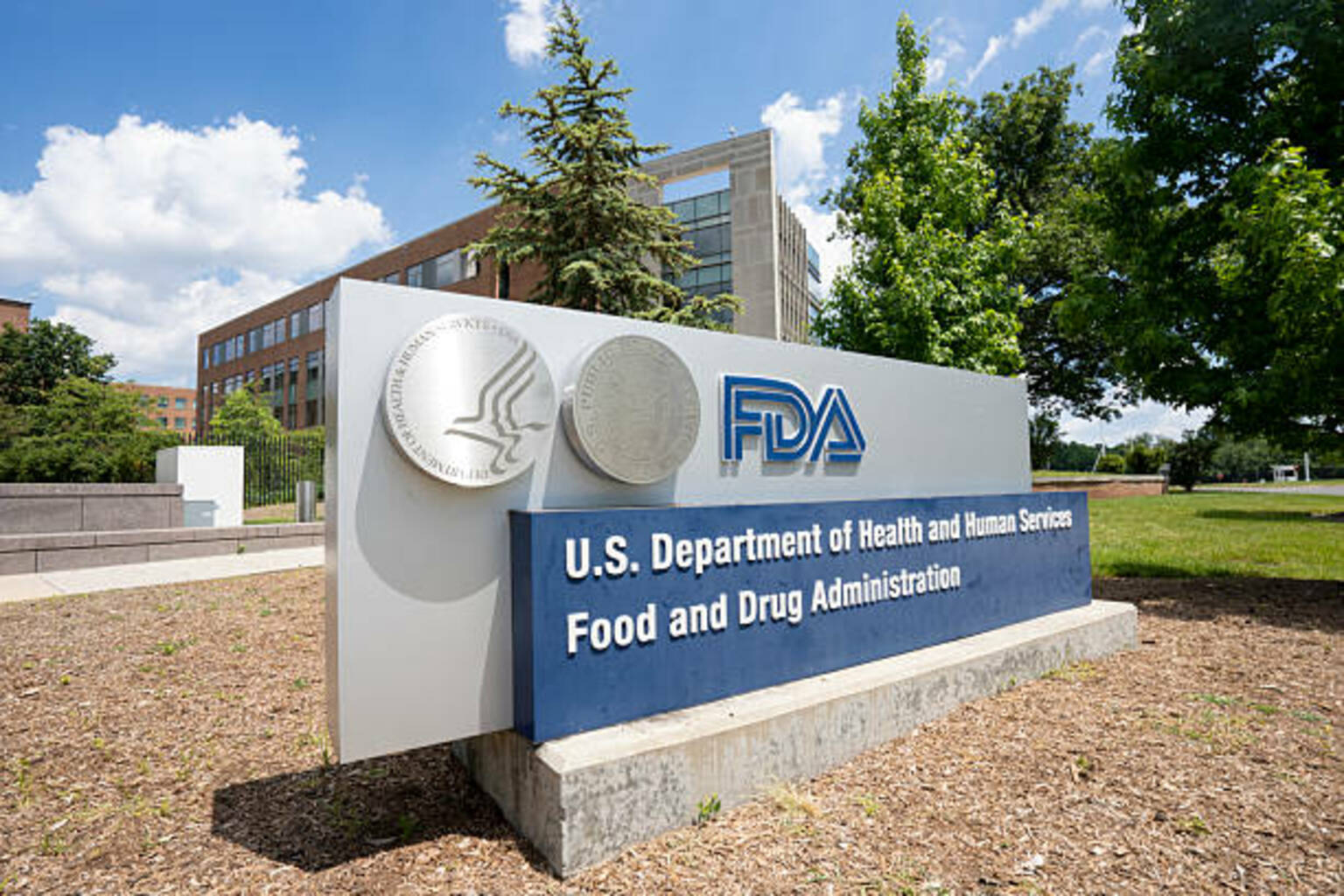
Procter & Gamble's Stock Rebounds, Optimistic Outlook Ahead
Written by Emily J. Thompson, Senior Investment Analyst
Updated: Feb 09 2026
0mins


Should l Buy PG?
Source: CNBC
- Stock Rebound: Procter & Gamble's shares have risen 10% this year, a sharp contrast to the 13% decline in 2025, indicating a recovery in market confidence towards consumer goods, with expectations for this trend to continue.
- Strong Market Performance: The consumer staples sector rose nearly 6% last week and is up over 12% year-to-date, marking the best start since 1997, reflecting investors' shift towards defensive stocks amid economic uncertainty.
- Improving External Environment: The weaker dollar and lower oil prices are benefiting Procter & Gamble's international sales, with an estimated foreign exchange tailwind of approximately $200 million expected for fiscal year 2026, enhancing the company's profitability.
- Strategic Investment: New CEO Shailesh Jejurikar has stated plans to increase brand investment to drive market growth while looking to cut costs where possible, with expectations for stronger growth in the first half of 2026.
Trade with 70% Backtested Accuracy
Stop guessing "Should I Buy PG?" and start using high-conviction signals backed by rigorous historical data.
Sign up today to access powerful investing tools and make smarter, data-driven decisions.
Analyst Views on PG
Wall Street analysts forecast PG stock price to rise
17 Analyst Rating
10 Buy
7 Hold
0 Sell
Moderate Buy
Current: 144.380

Low
150.00
Averages
164.50
High
180.00
Current: 144.380
Low
150.00
Averages
164.50
High
180.00
About PG
The Procter & Gamble Company is focused on providing branded consumer packaged goods to consumers across the world. The Company’s segments include Beauty, Grooming, Health Care, Fabric & Home Care and Baby, Feminine & Family Care. The Company’s products are sold in approximately 180 countries and territories primarily through mass merchandisers, e-commerce, including social commerce channels, grocery stores, membership club stores, drug stores, department stores, distributors, wholesalers, specialty beauty stores, including airport duty-free stores), high-frequency stores, pharmacies, electronics stores and professional channels. It also sells direct to individual consumers. It has operations in approximately 70 countries. It offers products under brands, such as Head & Shoulders, Herbal Essences, Pantene, Rejoice, Olay, Old Spice, Safeguard, Secret, SK-II, Braun, Gillette, Venus, Crest, Oral-B, Ariel, Downy, Gain, Tide, Always, Always Discreet, Tampax, Bounty and others.
About the author

Emily J. Thompson
Emily J. Thompson, a Chartered Financial Analyst (CFA) with 12 years in investment research, graduated with honors from the Wharton School. Specializing in industrial and technology stocks, she provides in-depth analysis for Intellectia’s earnings and market brief reports.

Conagra Appoints New CEO Amid Market Concerns
- Leadership Change: Conagra announced the replacement of CEO Sean Connolly with John Brase, effective June 1, marking a significant shift after 11 years of leadership, which may indicate ongoing challenges faced by the company.
- Market Reaction: The appointment of the new CEO led to a 4% drop in Conagra's stock price on the day, raising investor concerns about the company's future strategic direction and highlighting market sensitivity to leadership changes.
- New CEO Background: John Brase brings extensive experience in the food industry, having served as COO of J.M. Smucker and spending 25 years at Procter & Gamble, where he was the general manager of North America's family care business, suggesting he may provide a fresh strategic perspective for Conagra.
- Strategic Adjustment Expectations: Despite the company's mention of a “thoughtful approach to succession planning” in the announcement, market expectations for future strategies remain low, prompting investors to monitor potential new strategies from Brase and his team to address current market challenges.
See More

Conagra's CEO Change Raises Market Concerns
- Leadership Change: Conagra announced the replacement of CEO Sean Connolly with John Brase, a move that raised concerns about the company's future and led to a 4% drop in stock price on the announcement day.
- New CEO Background: John Brase is a seasoned food industry executive, having served as COO at J.M. Smucker and spending 25 years at Procter & Gamble, which may bring a new strategic direction to the company.
- Market Reaction: Investors expressed nervousness over the abrupt leadership change, despite the company's press release mentioning a 'thoughtful approach to succession planning', indicating a cautious outlook on future performance.
- Strategic Adjustment Expectations: Analysts suggest that this change may reflect the company's recognition of the need for executive adjustments to address current poor performance and a product portfolio that does not align with health-conscious consumer trends.
See More
S&P 500 Dividend Yield Hits 50-Year Low


- Dividend Yield Decline: The average dividend yield of the S&P 500 has shrunk to just over 1.2%, marking a 50-year low, which poses challenges for income investors and may prompt a reevaluation of investment strategies.
- AbbVie's Strong Position: AbbVie boasts a current dividend yield of 3.3%, despite its stock price dropping over 7% due to the FDA approval of competitor Johnson & Johnson's drug Icotyde; however, its robust commercial portfolio and extensive pipeline maintain its competitive edge in the pharmaceutical sector.
- Procter & Gamble's Stability: Procter & Gamble offers a dividend yield of 2.9%, with net sales reaching $84.3 billion in 2025 and annual free cash flow ranging from $13.6 billion to $16.5 billion, ensuring its ability to sustain dividend payments and highlighting its significant influence in the consumer goods market.
- Coca-Cola's Continued Growth: Coca-Cola's dividend yield stands at 2.7%, as it maintains its
See More

Dividend Kings: High-Yield Stock Analysis
- Dividend Yield Analysis: The average dividend yield of the S&P 500 has dropped to 1.2%, marking a 50-year low, indicating challenges for income investors, although companies like AbbVie, Procter & Gamble, and Coca-Cola still offer yields above average.
- AbbVie's Market Challenges: Despite AbbVie's long history of dividend growth, its stock has fallen over 7% this year, primarily due to competition from Johnson & Johnson's new drug Icotyde, although Skyrizi's multiple indications remain a competitive advantage.
- Procter & Gamble's Stable Cash Flow: Procter & Gamble reported net sales of $84.3 billion in 2025, with free cash flow ranging from $13.6 billion to $16.5 billion over the past five years, ensuring its ability to maintain dividend payments and demonstrating its strong influence in the retail market.
- Coca-Cola's Profitability: Coca-Cola has maintained a net margin above 20% since 2021 and successfully executed its 64th annual dividend increase in February, raising its quarterly dividend by 4% to $0.51 per share, showcasing its robust cash flow and ongoing profitability.
See More
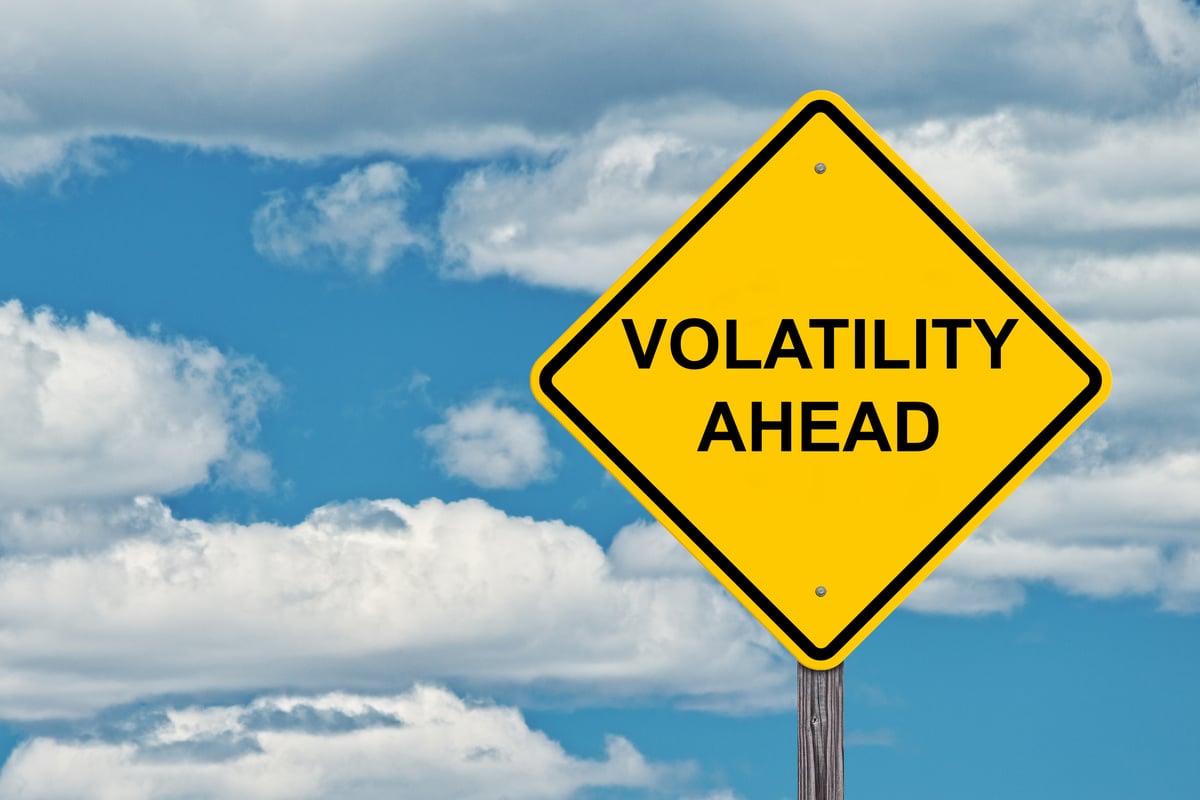
Investing Safely Amid AI Bubble Risks
- AI Bubble Concerns: Investor enthusiasm for AI stocks has led to a bubble formation, raising market fears that this bubble may burst like the internet bubble, potentially destabilizing the overall economy and stock market.
- Procter & Gamble Stability: As one of the world's largest consumer goods companies, Procter & Gamble showcases its resilience during economic fluctuations with a 69-year streak of annual dividend increases and a 2.9% dividend yield, making it a reliable choice for investors.
- Realty Income's Scale Advantage: Realty Income boasts a portfolio of over 15,500 properties and a high occupancy rate of 96%, leveraging its investment-grade balance sheet to maintain a competitive edge in low-risk investments, particularly during economic downturns.
- Brookfield Renewable's Support: Brookfield Renewable collaborates with companies like Google and Microsoft to provide clean energy for data centers, ensuring that even if the AI bubble bursts, the demand for its products and services will remain strong.
See More

AI Stocks Volatile, Investors Shift to Dividend Stocks
- Market Volatility: AI stocks plummeted in early 2025 due to economic concerns and have remained volatile in 2026, prompting investors to pivot towards more reliable dividend stocks, reflecting fears of an impending AI bubble burst.
- Procter & Gamble's Stability: As one of the world's largest consumer staples companies, Procter & Gamble (PG) boasts a 69-year streak of annual dividend increases and a 2.9% yield, making it a preferred investment for generating stable income amid market turbulence.
- Realty Income's Resilience: Realty Income (O), the largest net lease REIT with over 15,500 properties, maintained an occupancy rate above 96% even during the Great Recession, offering a robust 5.1% dividend yield that provides strong security for investors.
- Sustained Demand for Clean Energy: Brookfield Renewable (BEP) collaborates with AI-related companies to supply essential electricity, ensuring that even if the AI bubble bursts, its 3.6% and 4.6% dividend yields will continue to deliver stable cash flow amidst market uncertainties.
See More
Conagra Appoints New CEO Amid Market Concerns
- Leadership Change: Conagra announced the replacement of CEO Sean Connolly with John Brase, effective June 1, marking a significant shift after 11 years of leadership, which may indicate ongoing challenges faced by the company.
- Market Reaction: The appointment of the new CEO led to a 4% drop in Conagra's stock price on the day, raising investor concerns about the company's future strategic direction and highlighting market sensitivity to leadership changes.
- New CEO Background: John Brase brings extensive experience in the food industry, having served as COO of J.M. Smucker and spending 25 years at Procter & Gamble, where he was the general manager of North America's family care business, suggesting he may provide a fresh strategic perspective for Conagra.
- Strategic Adjustment Expectations: Despite the company's mention of a “thoughtful approach to succession planning” in the announcement, market expectations for future strategies remain low, prompting investors to monitor potential new strategies from Brase and his team to address current market challenges.
See More
Conagra's CEO Change Raises Market Concerns
- Leadership Change: Conagra announced the replacement of CEO Sean Connolly with John Brase, a move that raised concerns about the company's future and led to a 4% drop in stock price on the announcement day.
- New CEO Background: John Brase is a seasoned food industry executive, having served as COO at J.M. Smucker and spending 25 years at Procter & Gamble, which may bring a new strategic direction to the company.
- Market Reaction: Investors expressed nervousness over the abrupt leadership change, despite the company's press release mentioning a 'thoughtful approach to succession planning', indicating a cautious outlook on future performance.
- Strategic Adjustment Expectations: Analysts suggest that this change may reflect the company's recognition of the need for executive adjustments to address current poor performance and a product portfolio that does not align with health-conscious consumer trends.
See More
S&P 500 Dividend Yield Hits 50-Year Low
- Dividend Yield Decline: The average dividend yield of the S&P 500 has shrunk to just over 1.2%, marking a 50-year low, which poses challenges for income investors and may prompt a reevaluation of investment strategies.
- AbbVie's Strong Position: AbbVie boasts a current dividend yield of 3.3%, despite its stock price dropping over 7% due to the FDA approval of competitor Johnson & Johnson's drug Icotyde; however, its robust commercial portfolio and extensive pipeline maintain its competitive edge in the pharmaceutical sector.
- Procter & Gamble's Stability: Procter & Gamble offers a dividend yield of 2.9%, with net sales reaching $84.3 billion in 2025 and annual free cash flow ranging from $13.6 billion to $16.5 billion, ensuring its ability to sustain dividend payments and highlighting its significant influence in the consumer goods market.
- Coca-Cola's Continued Growth: Coca-Cola's dividend yield stands at 2.7%, as it maintains its
See More
Dividend Kings: High-Yield Stock Analysis
- Dividend Yield Analysis: The average dividend yield of the S&P 500 has dropped to 1.2%, marking a 50-year low, indicating challenges for income investors, although companies like AbbVie, Procter & Gamble, and Coca-Cola still offer yields above average.
- AbbVie's Market Challenges: Despite AbbVie's long history of dividend growth, its stock has fallen over 7% this year, primarily due to competition from Johnson & Johnson's new drug Icotyde, although Skyrizi's multiple indications remain a competitive advantage.
- Procter & Gamble's Stable Cash Flow: Procter & Gamble reported net sales of $84.3 billion in 2025, with free cash flow ranging from $13.6 billion to $16.5 billion over the past five years, ensuring its ability to maintain dividend payments and demonstrating its strong influence in the retail market.
- Coca-Cola's Profitability: Coca-Cola has maintained a net margin above 20% since 2021 and successfully executed its 64th annual dividend increase in February, raising its quarterly dividend by 4% to $0.51 per share, showcasing its robust cash flow and ongoing profitability.
See More
Investing Safely Amid AI Bubble Risks
- AI Bubble Concerns: Investor enthusiasm for AI stocks has led to a bubble formation, raising market fears that this bubble may burst like the internet bubble, potentially destabilizing the overall economy and stock market.
- Procter & Gamble Stability: As one of the world's largest consumer goods companies, Procter & Gamble showcases its resilience during economic fluctuations with a 69-year streak of annual dividend increases and a 2.9% dividend yield, making it a reliable choice for investors.
- Realty Income's Scale Advantage: Realty Income boasts a portfolio of over 15,500 properties and a high occupancy rate of 96%, leveraging its investment-grade balance sheet to maintain a competitive edge in low-risk investments, particularly during economic downturns.
- Brookfield Renewable's Support: Brookfield Renewable collaborates with companies like Google and Microsoft to provide clean energy for data centers, ensuring that even if the AI bubble bursts, the demand for its products and services will remain strong.
See More
AI Stocks Volatile, Investors Shift to Dividend Stocks
- Market Volatility: AI stocks plummeted in early 2025 due to economic concerns and have remained volatile in 2026, prompting investors to pivot towards more reliable dividend stocks, reflecting fears of an impending AI bubble burst.
- Procter & Gamble's Stability: As one of the world's largest consumer staples companies, Procter & Gamble (PG) boasts a 69-year streak of annual dividend increases and a 2.9% yield, making it a preferred investment for generating stable income amid market turbulence.
- Realty Income's Resilience: Realty Income (O), the largest net lease REIT with over 15,500 properties, maintained an occupancy rate above 96% even during the Great Recession, offering a robust 5.1% dividend yield that provides strong security for investors.
- Sustained Demand for Clean Energy: Brookfield Renewable (BEP) collaborates with AI-related companies to supply essential electricity, ensuring that even if the AI bubble bursts, its 3.6% and 4.6% dividend yields will continue to deliver stable cash flow amidst market uncertainties.
See More