Preview of Campbell's (CPB) Q3 Earnings Report: Key Insights to Anticipate
Earnings Report Overview: Campbell's is set to report its earnings this Tuesday, with analysts expecting a revenue decline of 4.3% year on year to $2.65 billion and adjusted earnings of $0.73 per share.
Recent Performance: In the previous quarter, Campbell's met revenue expectations with $2.32 billion, but missed full-year EPS guidance, and has missed Wall Street’s revenue estimates five times in the last two years.
Peer Comparisons: Competitors in the shelf-stable food segment have shown mixed results, with J&J Snack Foods reporting a 3.9% revenue decrease and SunOpta a 16.6% increase, impacting their stock prices differently.
Market Sentiment: Investors have maintained steady positions in the shelf-stable food sector, with Campbell's shares down 3.3% over the past month, while the average analyst price target for the stock is $33.84 compared to its current price of $29.61.
Trade with 70% Backtested Accuracy
Analyst Views on CPB

About CPB
About the author

Analyzing Investment Prospects for Campbell's Company Stock
- Stock Price and Valuation: As of March 24, Campbell's shares were trading at $20.91, with a trailing P/E of 11.46 and a forward P/E of 9.01, indicating a discounted valuation despite a 5.8% dividend yield and a payout ratio below 80%.
- Brand Portfolio Strength: The company boasts a robust brand portfolio, including staple soups and well-known snack brands like Pepperidge Farm and Goldfish, and while consumer preferences are shifting towards healthier options, the demand for convenient meals and snacks remains strong, supporting the resilience of its core categories.
- Sales Growth Trend: Campbell's has achieved approximately 21% cumulative sales growth since 2021, and despite recent margin pressures, its stable cash flow and brand equity provide a foundation for future growth, suggesting that the market's pessimism regarding its long-term prospects may be overstated.
- Industry Performance Comparison: Within the packaged food sector, Campbell's has underperformed, with its stock price depreciating by about 44.90% since our last coverage due to weak snack demand and inflationary pressures, yet its compressed valuation amidst sector-wide pessimism may still present an attractive opportunity for investors.

Campbell's Company Earnings Outlook Deteriorates
- Earnings Outlook Downgrade: Campbell's Company provided disappointing guidance in its Q2 FY26 results, leading to a 7% drop in its earnings estimates, reflecting the challenges the company faces in a rapidly changing market environment.
- Intensifying Market Competition: As consumer habits shift and insurgent brands rise, Campbell's market share is eroding, and while it remains a titan in the North American food industry, the competitive pressures are increasingly significant.
- Long-term Downtrend: Campbell's stock has dropped 30% over the past 25 years, continuing a nearly decade-long downturn that indicates the company's performance has significantly underperformed the market.
- Zacks Rating Decline: Following recent earnings downgrades, Campbell's has received a Zacks Rank #5 (Strong Sell), suggesting that investors may need to look for more attractive investment opportunities elsewhere.
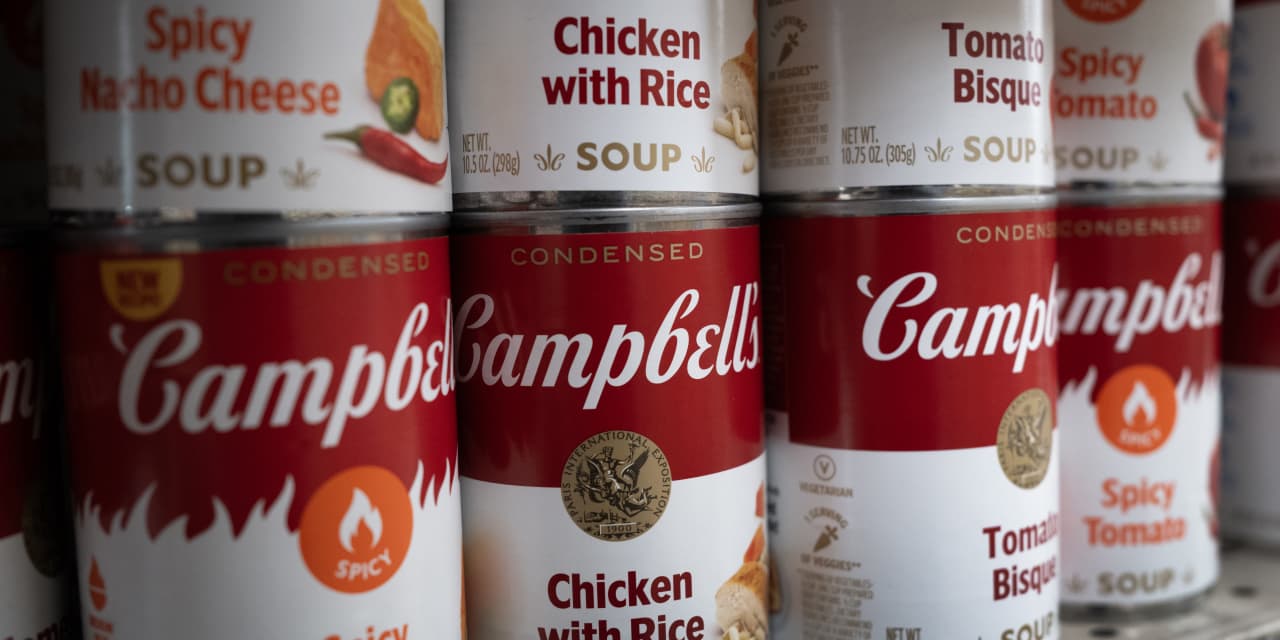
22 S&P 500 Stocks Offering Over 5% Yield: 6 Recommended for Purchase.

Limited High-Yield Stocks: Only 22 non-real-estate stocks in the S&P 500 have dividend yields above 5%, indicating a scarcity of high-yield investment options.
Investment Potential: Despite the limited number, these stocks may still offer attractive income opportunities along with potential for stock appreciation, making them appealing for certain investors.

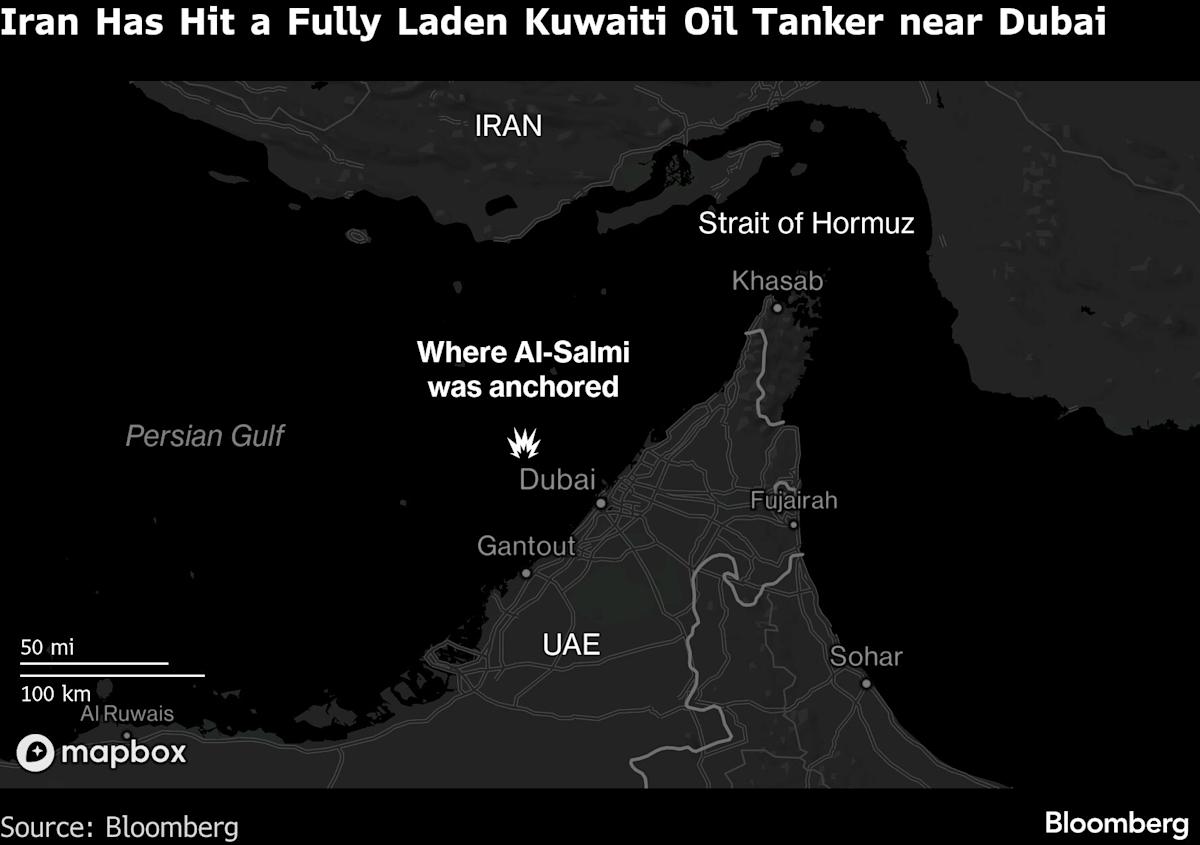
Impact of Strait of Hormuz Closure on Consumer Goods
- Fertilizer Supply Crisis: One-third of the world's fertilizer trade passes through the Strait of Hormuz, and a closure would raise costs for farmers, subsequently increasing food prices and impacting consumer spending, which could weaken margins for consumer goods companies like Campbell's (CPB).
- Plastic Shortage Risk: With 85% of polyethylene exports coming from the Middle East, a closure of the Strait would lead to a shortage of plastic packaging, affecting supply for companies like Procter & Gamble (PG) and Unilever (UL), potentially resulting in stockouts and lost sales.
- Shipping Costs Surge: Rerouting ships due to the closure will extend delivery times, dramatically increasing shipping costs, which puts pressure on consumer goods companies' margins, forcing them to either raise prices or absorb costs, both of which could negatively impact demand and quarterly results.
- Inflation Intensifies: Rising fuel costs will trigger widespread inflation, potentially prompting the Federal Reserve to raise interest rates again, increasing borrowing costs and negatively affecting the financial health of consumer goods companies and consumers alike.

Closure of Strait of Hormuz to Drive Up Food Prices
- Fertilizer Shortage Impact: The closure of the Strait of Hormuz affects one-third of global fertilizer trade, leading to increased costs for farmers and subsequently higher food prices, directly impacting consumer living costs.
- Plastic Supply Chain Crisis: With 85% of polyethylene exports from the Middle East passing through the Strait, shortages will affect the supply of all plastic containers, putting significant cost pressure and margin erosion on consumer goods companies like Procter & Gamble and Unilever.
- Shipping Delay Costs: Rerouting ships will extend delivery times by weeks, dramatically increasing shipping costs due to fuel, insurance, and freight rate hikes, placing immense financial pressure on consumer goods companies already operating on thin margins.
- Inflation Risk Escalation: Rising fuel prices will drive up costs across the supply chain, potentially triggering broader inflation, which could lead the Federal Reserve to raise interest rates again, creating dual pressure on consumer goods companies and consumers alike.

Analysis of High Dividend Yield Stocks

- Campbell's Company Performance: Campbell's Company (CPB) has seen its stock price drop by 41% over the past year, raising its dividend yield to 7.4%; despite challenges from inflation and tempered growth expectations, it maintains industry-leading market share across key brands.
- Healthpeak Properties Outlook: Healthpeak Properties (DOC), a real estate investment trust, has experienced a 7% decline in stock price over the past year, pushing its dividend yield up to 6.9%, with its focus on healthcare buildings and the upcoming spin-off of Janus Living providing potential for future growth.
- Kraft Heinz Investment Opportunity: Kraft Heinz (KHC) has seen a 22% drop in stock price over the past year, resulting in a dividend yield of 7.4%; despite challenges, the company is investing $600 million to refresh its brands and commercial capabilities, with the new CEO prioritizing profitable growth.
- Attractiveness of Dividend Yields: While these high-dividend stocks face individual challenges, their appeal lies in providing stable cash flow, allowing investors to enjoy generous dividends while waiting for company turnarounds.
Analyzing Investment Prospects for Campbell's Company Stock
- Stock Price and Valuation: As of March 24, Campbell's shares were trading at $20.91, with a trailing P/E of 11.46 and a forward P/E of 9.01, indicating a discounted valuation despite a 5.8% dividend yield and a payout ratio below 80%.
- Brand Portfolio Strength: The company boasts a robust brand portfolio, including staple soups and well-known snack brands like Pepperidge Farm and Goldfish, and while consumer preferences are shifting towards healthier options, the demand for convenient meals and snacks remains strong, supporting the resilience of its core categories.
- Sales Growth Trend: Campbell's has achieved approximately 21% cumulative sales growth since 2021, and despite recent margin pressures, its stable cash flow and brand equity provide a foundation for future growth, suggesting that the market's pessimism regarding its long-term prospects may be overstated.
- Industry Performance Comparison: Within the packaged food sector, Campbell's has underperformed, with its stock price depreciating by about 44.90% since our last coverage due to weak snack demand and inflationary pressures, yet its compressed valuation amidst sector-wide pessimism may still present an attractive opportunity for investors.
Campbell's Company Earnings Outlook Deteriorates
- Earnings Outlook Downgrade: Campbell's Company provided disappointing guidance in its Q2 FY26 results, leading to a 7% drop in its earnings estimates, reflecting the challenges the company faces in a rapidly changing market environment.
- Intensifying Market Competition: As consumer habits shift and insurgent brands rise, Campbell's market share is eroding, and while it remains a titan in the North American food industry, the competitive pressures are increasingly significant.
- Long-term Downtrend: Campbell's stock has dropped 30% over the past 25 years, continuing a nearly decade-long downturn that indicates the company's performance has significantly underperformed the market.
- Zacks Rating Decline: Following recent earnings downgrades, Campbell's has received a Zacks Rank #5 (Strong Sell), suggesting that investors may need to look for more attractive investment opportunities elsewhere.
22 S&P 500 Stocks Offering Over 5% Yield: 6 Recommended for Purchase.
Limited High-Yield Stocks: Only 22 non-real-estate stocks in the S&P 500 have dividend yields above 5%, indicating a scarcity of high-yield investment options.
Investment Potential: Despite the limited number, these stocks may still offer attractive income opportunities along with potential for stock appreciation, making them appealing for certain investors.
Impact of Strait of Hormuz Closure on Consumer Goods
- Fertilizer Supply Crisis: One-third of the world's fertilizer trade passes through the Strait of Hormuz, and a closure would raise costs for farmers, subsequently increasing food prices and impacting consumer spending, which could weaken margins for consumer goods companies like Campbell's (CPB).
- Plastic Shortage Risk: With 85% of polyethylene exports coming from the Middle East, a closure of the Strait would lead to a shortage of plastic packaging, affecting supply for companies like Procter & Gamble (PG) and Unilever (UL), potentially resulting in stockouts and lost sales.
- Shipping Costs Surge: Rerouting ships due to the closure will extend delivery times, dramatically increasing shipping costs, which puts pressure on consumer goods companies' margins, forcing them to either raise prices or absorb costs, both of which could negatively impact demand and quarterly results.
- Inflation Intensifies: Rising fuel costs will trigger widespread inflation, potentially prompting the Federal Reserve to raise interest rates again, increasing borrowing costs and negatively affecting the financial health of consumer goods companies and consumers alike.
Closure of Strait of Hormuz to Drive Up Food Prices
- Fertilizer Shortage Impact: The closure of the Strait of Hormuz affects one-third of global fertilizer trade, leading to increased costs for farmers and subsequently higher food prices, directly impacting consumer living costs.
- Plastic Supply Chain Crisis: With 85% of polyethylene exports from the Middle East passing through the Strait, shortages will affect the supply of all plastic containers, putting significant cost pressure and margin erosion on consumer goods companies like Procter & Gamble and Unilever.
- Shipping Delay Costs: Rerouting ships will extend delivery times by weeks, dramatically increasing shipping costs due to fuel, insurance, and freight rate hikes, placing immense financial pressure on consumer goods companies already operating on thin margins.
- Inflation Risk Escalation: Rising fuel prices will drive up costs across the supply chain, potentially triggering broader inflation, which could lead the Federal Reserve to raise interest rates again, creating dual pressure on consumer goods companies and consumers alike.
Analysis of High Dividend Yield Stocks
- Campbell's Company Performance: Campbell's Company (CPB) has seen its stock price drop by 41% over the past year, raising its dividend yield to 7.4%; despite challenges from inflation and tempered growth expectations, it maintains industry-leading market share across key brands.
- Healthpeak Properties Outlook: Healthpeak Properties (DOC), a real estate investment trust, has experienced a 7% decline in stock price over the past year, pushing its dividend yield up to 6.9%, with its focus on healthcare buildings and the upcoming spin-off of Janus Living providing potential for future growth.
- Kraft Heinz Investment Opportunity: Kraft Heinz (KHC) has seen a 22% drop in stock price over the past year, resulting in a dividend yield of 7.4%; despite challenges, the company is investing $600 million to refresh its brands and commercial capabilities, with the new CEO prioritizing profitable growth.
- Attractiveness of Dividend Yields: While these high-dividend stocks face individual challenges, their appeal lies in providing stable cash flow, allowing investors to enjoy generous dividends while waiting for company turnarounds.