One Energy Expert's Top 3 Oil Stock Picks for Investment Right Now


Market Volatility: Recent geopolitical tensions, particularly in the Middle East, have caused significant volatility in oil prices, creating both unease and potential investment opportunities in the energy sector.
Investment Insights: Marc Lichtenfeld from the Oxford Club highlights three companies that offer strong fundamentals and income potential, suggesting that investors should focus on firms within the energy supply chain.
Oil Price Sensitivity: The article emphasizes how sensitive oil prices are to global events, with disruptions in key transportation routes like the Strait of Hormuz potentially leading to significant price increases.
Diversification Strategy: Lichtenfeld advocates for a diversified investment approach within the energy sector, recommending exposure to upstream, midstream, and downstream companies to balance risk and capitalize on market conditions.
Trade with 70% Backtested Accuracy
Analyst Views on MPC

About MPC
About the author


Oil Prices Surge and Plunge Amid U.S.-Iran Tensions


- Oil Price Volatility: Oil prices surged about 20% on Monday due to ongoing U.S.-Israeli tensions with Iran, but plummeted 10% on Tuesday after President Trump warned of severe repercussions for Iran, indicating market fears of prolonged energy supply disruptions.
- Brent Crude Prices: International Brent crude fell nearly 11% to $88.36 per barrel by Monday evening, while U.S. crude dropped to $85.17 per barrel, reflecting the market's sensitive response to geopolitical risks.
- Strait of Hormuz Significance: The Strait of Hormuz is a vital transit route for global energy markets, with approximately 13 million barrels passing through in 2025, accounting for about 31% of global seaborne oil flows, making its security crucial for oil prices.
- Market Optimism: Despite the volatility, the market remains optimistic following Trump's comments that the conflict will end soon and oil prices will drop, with analysts suggesting that such verbal interventions could influence market expectations.

Asia-Pacific Markets Rebound as Oil Prices Fall


- Market Rebound: Asia-Pacific markets are set to rise at open on Tuesday, with Australia's S&P/ASX 200 up 1.55% in early trade, indicating a strong rebound from Monday's rout and suggesting improved investor sentiment.
- Japanese Stocks Recovery: Japan's Nikkei 225 futures are at 54,575, up from the previous close of 52,728.72, reflecting a positive response to the recovery in U.S. stocks, which may attract more investors into the market.
- Oil Price Decline: Oil prices fell by 6.49% to $88.66 per barrel as Trump considers seizing control of the Strait of Hormuz, which could alleviate global inflationary pressures and impact earnings expectations in related sectors.
- U.S. Stock Market Bounce: U.S. stocks rebounded after significant declines, with the S&P 500 rising 0.83% to 6,795.99, demonstrating market resilience and potentially generating positive spillover effects for the Asia-Pacific markets.

U.S. Stocks Close Higher Amid Oil Price Volatility


- Oil Price Impact: Oil prices spiked above $100 per barrel on Monday, causing early declines in stocks, but the market rebounded quickly after President Trump indicated the war might be nearing its end, with the S&P 500 closing up 0.71%, reflecting investor optimism about future developments.
- Economic Concerns: Despite the stock market recovery, last Friday's economic data raised concerns, with U.S. February payrolls falling by 92,000 and January retail sales declining by 0.2% month-over-month, potentially undermining confidence in economic recovery.
- Strong Earnings Performance: Over 95% of S&P 500 companies have reported earnings, with 74% exceeding expectations, and Q4 earnings growth is projected at 8.4%, providing support for the stock market and demonstrating corporate resilience amid economic uncertainties.
- Airline Stocks Rally: Following Trump's comments suggesting the Iran war might end soon, airline stocks such as United Airlines, Delta Air Lines, and American Airlines rose over 2%, indicating market expectations for a recovery in the airline industry.
G7 Discusses Possible Oil Reserve Release Amid Supply Disruption


- G7 Meeting: Energy ministers from the G7 will hold a virtual meeting on Tuesday to discuss the potential release of oil reserves due to supply disruptions caused by the Iran war, although no decision was made in the finance ministers' meeting.
- Reserve Release Scale: The U.S. believes that a joint release of 300 to 400 million barrels, representing 25% to 30% of the 1.2 billion barrels in reserves, would be appropriate, with actions likely to follow the energy ministers' meeting.
- Oil Price Fluctuations: Oil prices surged above $100 per barrel due to the closure of the Strait of Hormuz, although expectations of a reserve release have led to a pullback, with U.S. crude trading around $95 per barrel.
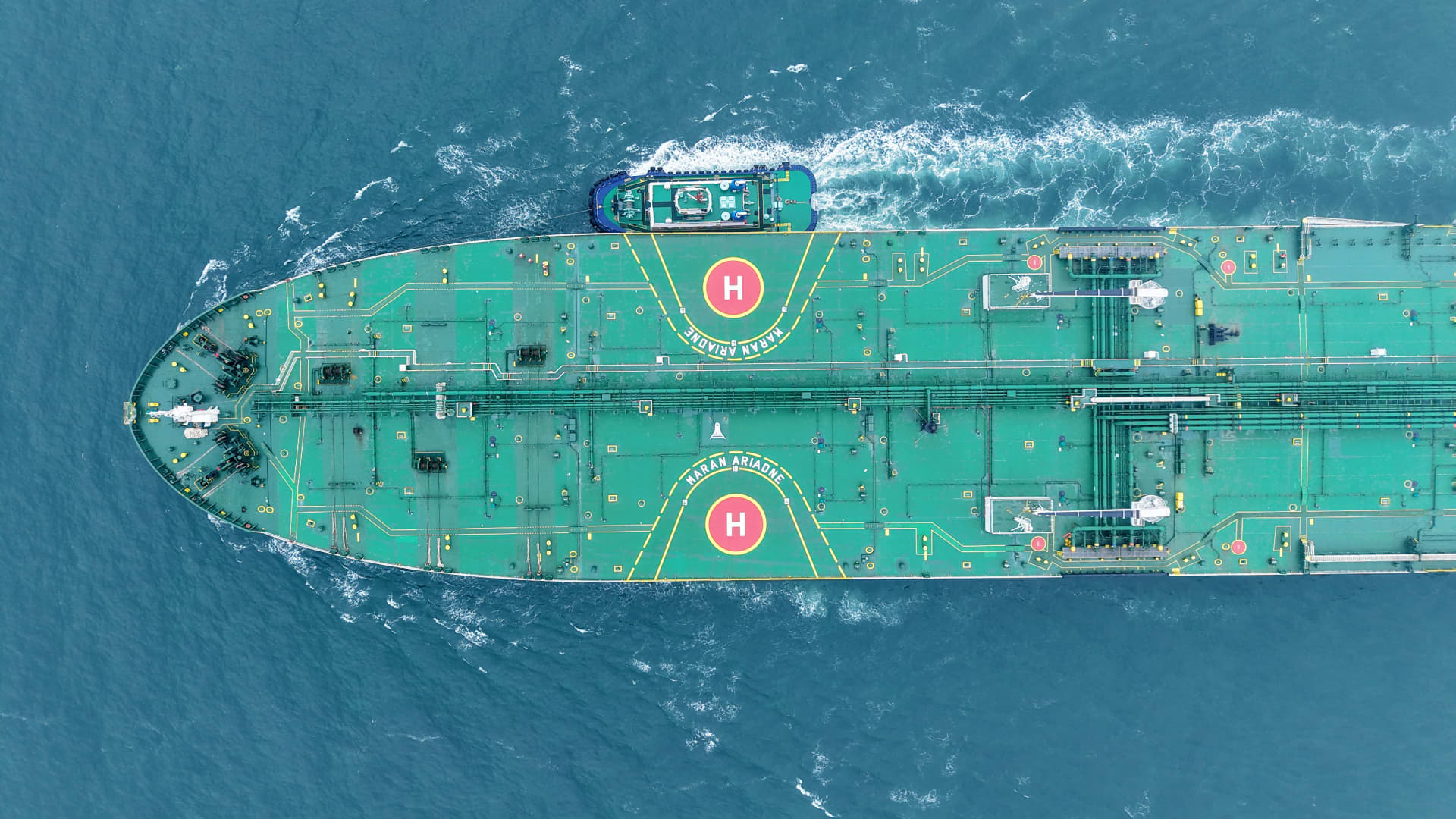
- Impact of Supply Disruption: The closure of the Strait of Hormuz has triggered the largest oil supply disruption in history, with approximately 20% of global oil consumption exported through this narrow waterway, while Saudi Arabia and the UAE are cut off from the global market due to the closure.

Impact of Surging Oil Prices on Stock Market
- Surging Oil Prices: Brent crude rose nearly 7% to around $100 per barrel during Monday's trading, indicating potential threats to the global economy from escalating tensions in the Middle East, which could lead to lower corporate profit expectations and negatively impact stock market performance.
- Consumer Spending Pressure: The average price of gasoline in the U.S. reached $3.48 per gallon, up 16% from the previous week, which will reduce consumer spending in other areas, further exacerbating the risk of economic slowdown.
- Historical Lessons: In 2022, the invasion of Ukraine by Russia caused oil prices to spike into triple digits, leading to a more than 20% drop in the S&P 500 from its January highs, demonstrating the negative correlation between oil prices and stock market performance.
- Investor Caution: Despite the pressures that rising oil prices may place on the economy and corporate earnings, Jim Cramer advises investors against rushing to sell, as market uncertainty and the president's attention to the stock market could influence future market trends.

Oil Prices Could Remain High: 4 Key Insights from the Middle East Energy Crisis

Oil Price Volatility: Oil prices have surged past $100 due to ongoing conflict in the Middle East, with analysts predicting potential further increases if production continues to be curtailed. However, prolonged conflict could harm global economic demand, leading to a possible oversupply situation.
U.S. Shale Producers: U.S. oil producers are positioned favorably as prices remain high, particularly small- and mid-cap companies that are seeing attractive free cash flow. The market has not fully priced in the potential for sustained higher oil prices, creating investment opportunities.
Refining Sector Dynamics: U.S. refiners are benefiting from high international gas prices and reduced competition, leading to significant stock price increases. However, refining margins may decline once supply chains stabilize, suggesting a potential sell-off in refiner stocks.
LNG and Petrochemical Gains: American LNG producers are experiencing a surge in demand due to global supply constraints, while U.S. petrochemical companies are benefiting from rising costs of competing producers. This situation is expected to provide a margin boost for U.S. firms in the long term.
Oil Prices Surge and Plunge Amid U.S.-Iran Tensions
- Oil Price Volatility: Oil prices surged about 20% on Monday due to ongoing U.S.-Israeli tensions with Iran, but plummeted 10% on Tuesday after President Trump warned of severe repercussions for Iran, indicating market fears of prolonged energy supply disruptions.
- Brent Crude Prices: International Brent crude fell nearly 11% to $88.36 per barrel by Monday evening, while U.S. crude dropped to $85.17 per barrel, reflecting the market's sensitive response to geopolitical risks.
- Strait of Hormuz Significance: The Strait of Hormuz is a vital transit route for global energy markets, with approximately 13 million barrels passing through in 2025, accounting for about 31% of global seaborne oil flows, making its security crucial for oil prices.
- Market Optimism: Despite the volatility, the market remains optimistic following Trump's comments that the conflict will end soon and oil prices will drop, with analysts suggesting that such verbal interventions could influence market expectations.
Asia-Pacific Markets Rebound as Oil Prices Fall
- Market Rebound: Asia-Pacific markets are set to rise at open on Tuesday, with Australia's S&P/ASX 200 up 1.55% in early trade, indicating a strong rebound from Monday's rout and suggesting improved investor sentiment.
- Japanese Stocks Recovery: Japan's Nikkei 225 futures are at 54,575, up from the previous close of 52,728.72, reflecting a positive response to the recovery in U.S. stocks, which may attract more investors into the market.
- Oil Price Decline: Oil prices fell by 6.49% to $88.66 per barrel as Trump considers seizing control of the Strait of Hormuz, which could alleviate global inflationary pressures and impact earnings expectations in related sectors.
- U.S. Stock Market Bounce: U.S. stocks rebounded after significant declines, with the S&P 500 rising 0.83% to 6,795.99, demonstrating market resilience and potentially generating positive spillover effects for the Asia-Pacific markets.
U.S. Stocks Close Higher Amid Oil Price Volatility
- Oil Price Impact: Oil prices spiked above $100 per barrel on Monday, causing early declines in stocks, but the market rebounded quickly after President Trump indicated the war might be nearing its end, with the S&P 500 closing up 0.71%, reflecting investor optimism about future developments.
- Economic Concerns: Despite the stock market recovery, last Friday's economic data raised concerns, with U.S. February payrolls falling by 92,000 and January retail sales declining by 0.2% month-over-month, potentially undermining confidence in economic recovery.
- Strong Earnings Performance: Over 95% of S&P 500 companies have reported earnings, with 74% exceeding expectations, and Q4 earnings growth is projected at 8.4%, providing support for the stock market and demonstrating corporate resilience amid economic uncertainties.
- Airline Stocks Rally: Following Trump's comments suggesting the Iran war might end soon, airline stocks such as United Airlines, Delta Air Lines, and American Airlines rose over 2%, indicating market expectations for a recovery in the airline industry.
G7 Discusses Possible Oil Reserve Release Amid Supply Disruption
- G7 Meeting: Energy ministers from the G7 will hold a virtual meeting on Tuesday to discuss the potential release of oil reserves due to supply disruptions caused by the Iran war, although no decision was made in the finance ministers' meeting.
- Reserve Release Scale: The U.S. believes that a joint release of 300 to 400 million barrels, representing 25% to 30% of the 1.2 billion barrels in reserves, would be appropriate, with actions likely to follow the energy ministers' meeting.
- Oil Price Fluctuations: Oil prices surged above $100 per barrel due to the closure of the Strait of Hormuz, although expectations of a reserve release have led to a pullback, with U.S. crude trading around $95 per barrel.
- Impact of Supply Disruption: The closure of the Strait of Hormuz has triggered the largest oil supply disruption in history, with approximately 20% of global oil consumption exported through this narrow waterway, while Saudi Arabia and the UAE are cut off from the global market due to the closure.
Impact of Surging Oil Prices on Stock Market
- Surging Oil Prices: Brent crude rose nearly 7% to around $100 per barrel during Monday's trading, indicating potential threats to the global economy from escalating tensions in the Middle East, which could lead to lower corporate profit expectations and negatively impact stock market performance.
- Consumer Spending Pressure: The average price of gasoline in the U.S. reached $3.48 per gallon, up 16% from the previous week, which will reduce consumer spending in other areas, further exacerbating the risk of economic slowdown.
- Historical Lessons: In 2022, the invasion of Ukraine by Russia caused oil prices to spike into triple digits, leading to a more than 20% drop in the S&P 500 from its January highs, demonstrating the negative correlation between oil prices and stock market performance.
- Investor Caution: Despite the pressures that rising oil prices may place on the economy and corporate earnings, Jim Cramer advises investors against rushing to sell, as market uncertainty and the president's attention to the stock market could influence future market trends.
Oil Prices Could Remain High: 4 Key Insights from the Middle East Energy Crisis
Oil Price Volatility: Oil prices have surged past $100 due to ongoing conflict in the Middle East, with analysts predicting potential further increases if production continues to be curtailed. However, prolonged conflict could harm global economic demand, leading to a possible oversupply situation.
U.S. Shale Producers: U.S. oil producers are positioned favorably as prices remain high, particularly small- and mid-cap companies that are seeing attractive free cash flow. The market has not fully priced in the potential for sustained higher oil prices, creating investment opportunities.
Refining Sector Dynamics: U.S. refiners are benefiting from high international gas prices and reduced competition, leading to significant stock price increases. However, refining margins may decline once supply chains stabilize, suggesting a potential sell-off in refiner stocks.
LNG and Petrochemical Gains: American LNG producers are experiencing a surge in demand due to global supply constraints, while U.S. petrochemical companies are benefiting from rising costs of competing producers. This situation is expected to provide a margin boost for U.S. firms in the long term.