Occidental Petroleum Starts 2026 Strong with 10.4% Share Surge
Written by Emily J. Thompson, Senior Investment Analyst
Updated: Feb 06 2026
0mins

Source: Fool
- Oil Price Rebound: In January 2026, Occidental Petroleum's shares surged 10.4%, significantly outperforming the S&P 500's 1.4% increase, primarily driven by a 16% rise in Brent crude and a 14% increase in WTI, showcasing the company's strong performance amid recovering oil prices.
- Asset Sale Boosts Cash Flow: Occidental sold its chemicals business, OxyChem, to Berkshire Hathaway for $9.7 billion in early January, with plans to use $6.5 billion of that cash to reduce debt, thereby lowering its debt level below $15 billion and enhancing financial flexibility.
- Contract Structure Optimization: The company amended its Delaware Basin natural gas gathering contract with Western Midstream Partners, transitioning from a cost-of-service agreement to a fixed-fee structure, which is expected to save costs and improve flexibility in developing oil and gas assets while reducing its ownership stake from 42% to 40%.
- Improved Financial Position: With rising oil prices and reduced debt, Occidental is poised to generate more cash flow in 2026, further strengthening its balance sheet and enhancing long-term investment appeal, even after last month's significant share price rally.
Trade with 70% Backtested Accuracy
Stop guessing "Should I Buy OXY?" and start using high-conviction signals backed by rigorous historical data.
Sign up today to access powerful investing tools and make smarter, data-driven decisions.
Analyst Views on OXY
Wall Street analysts forecast OXY stock price to fall
16 Analyst Rating
4 Buy
9 Hold
3 Sell
Hold
Current: 65.320

Low
38.00
Averages
47.27
High
64.00
Current: 65.320
Low
38.00
Averages
47.27
High
64.00
About OXY
Occidental Petroleum Corporation is an international energy company with assets primarily in the United States, the Middle East and North Africa. The Company is an oil and gas producer in the United States, including a producer in the Permian and DJ basins, and the offshore Gulf of Mexico. Its segments include oil and gas, and midstream and marketing. The oil and gas segment explores for, develops, and produces oil (which includes condensate), natural gas liquids (NGL) and natural gas. The Company's midstream and marketing segment purchases, markets, gathers, processes, transports, and stores oil (which includes condensate), NGL, natural gas, carbon dioxide (CO2) and power. The midstream and marketing segment provides flow assurance and maximizes the value of its oil and gas. It also optimizes its transportation and storage capacity and invests in entities that conduct similar activities. This segment also includes low-carbon venture businesses.
About the author

Emily J. Thompson
Emily J. Thompson, a Chartered Financial Analyst (CFA) with 12 years in investment research, graduated with honors from the Wharton School. Specializing in industrial and technology stocks, she provides in-depth analysis for Intellectia’s earnings and market brief reports.
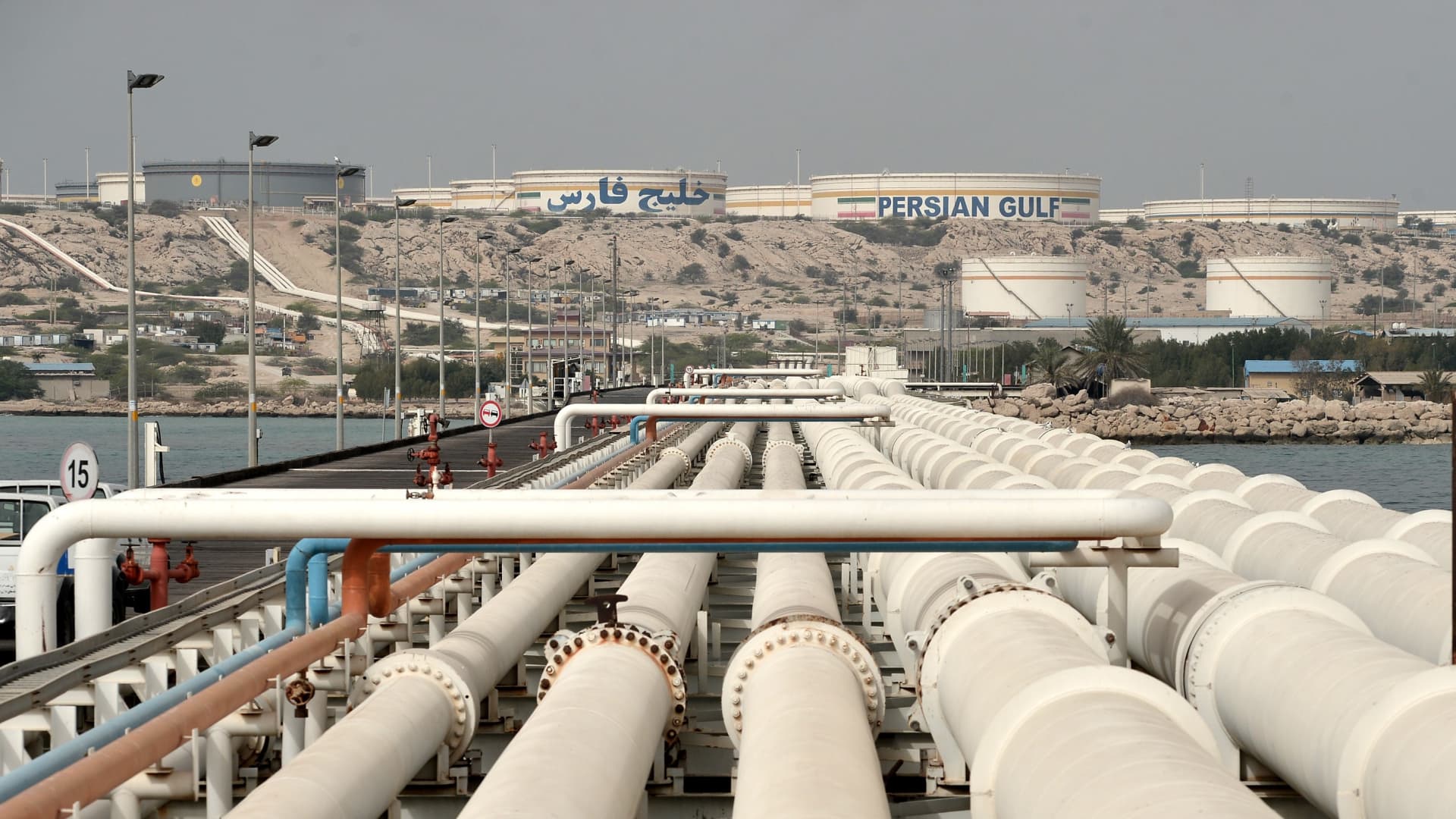
Trump Considers Ending War in Iran Amid Oil Price Fluctuations


- Oil Price Fluctuations: Oil prices reversed course as traders reacted to Trump's statements about potentially ending U.S. operations against Iran, with WTI futures dropping 0.72% to $102.14 per barrel and Brent crude falling 1% to $111.55, indicating market sensitivity to geopolitical risks.
- Escalating Military Threats: Trump threatened to attack Iran's energy infrastructure if Tehran does not reopen the Strait of Hormuz, which could escalate regional tensions and disrupt global energy supply chains, reflecting the precarious balance of power in the region.
- Ongoing Conflict: The Iran war has entered its fifth week, with Tehran striking a fully laden Kuwaiti oil tanker, prompting firefighting operations in Dubai's port, although no injuries were reported, highlighting the conflict's expanding impact on maritime security.
- Ground Troop Considerations: Trump is reportedly weighing the option of deploying ground forces to seize Kharg Island, a critical fuel hub, which could increase U.S. casualties and extend the war's duration and costs, raising concerns among experts about the potential consequences of such actions.
See More

Strait of Hormuz Closure Triggers Oil Price Shock


- Energy Supply Crisis: The closure of the Strait of Hormuz significantly reduces global oil and natural gas supplies, leading to anticipated fuel shortages in regions like Europe, India, and East Asia, which in turn drives up oil prices and heightens market anxiety.
- Historical Parallel: This situation echoes the 1973 oil embargo when prices surged from $2.90 to $11.35 per barrel, resulting in recession and stagflation, with the stock market crashing by 50%, serving as a cautionary tale for today's economic landscape.
- Market Environment Shift: Unlike in 1973, the current global oil market is less reliant on Middle Eastern supplies, with the U.S. now the world's largest oil and gas producer, and a more diverse energy consumption landscape makes the impact of rising oil prices more manageable.
- Investment Strategy Advice: In light of a potential Middle East-induced energy crisis, investors are advised to focus on energy producers with significant exposure to more secure regions like the U.S., such as ConocoPhillips, Occidental Petroleum, and Diamondback Energy, to hedge their portfolios effectively.
See More

Analysis of Economic Impact from Rising Oil Prices
- Historical Oil Price Comparison: In 1973, oil prices surged nearly fourfold due to the Middle Eastern embargo, rising from $2.90 to $11.35 per barrel, which plunged the U.S. economy into stagflation and caused a 50% stock market crash, whereas current prices around $60 reflect a much milder increase.
- Reduced Market Dependence: Today, global reliance on Middle Eastern oil has significantly decreased, particularly as the U.S. has become the world's largest oil and natural gas producer, which mitigates the economic impact of current oil price increases.
- Diversified Energy Consumption: Investments in renewable energy and the adoption of efficient products like modern vehicles have made the economic repercussions of rising oil prices more manageable than they were 50 years ago, although worsening conditions in the Middle East could still lead to inflation and market volatility.
- Investment Strategy Recommendation: In light of a potential Middle Eastern energy crisis, investors are advised to focus on U.S. energy producers such as ConocoPhillips, Occidental Petroleum, and Diamondback Energy, which can serve as secure hedges for portfolio performance.
See More

Middle East Conflict Escalates Turmoil in Asia-Pacific Markets


- Escalating Middle East Tensions: As the conflict in the Middle East enters its fifth week, President Trump escalates threats to destroy Iran's electricity and oil facilities if the Strait of Hormuz remains closed, heightening market anxiety and diminishing investor confidence in Asia-Pacific markets.
- Surging Oil Prices: West Texas Intermediate crude prices rose over 3% to settle just below $103 per barrel, while Brent crude futures climbed to $112.78, marking the highest levels since 2022, reflecting concerns over potential supply disruptions.
- Declining Asia-Pacific Markets: Australia's S&P/ASX 200 index fell 0.30% in early trading, with Japan's Nikkei 225 and Hong Kong's Hang Seng index futures also indicating downward trends, suggesting a pessimistic outlook among investors regarding future market performance.
- Divergent U.S. Stock Performance: While the S&P 500 and Nasdaq Composite fell by 0.39% and 0.73% respectively, the Dow Jones Industrial Average managed a slight gain of 0.11%, indicating varied investor reactions across different sectors amidst ongoing uncertainty.
See More

Iran Conflict Drives Oil Prices Higher, Boosting Energy Stocks

- Surge in Oil Prices: Brent crude oil prices have surged over 70% this year, surpassing $100 per barrel, directly fueling a strong rally in energy stocks, with the average S&P 500 energy stock up about 40%.
- Occidental Petroleum Performance: Occidental Petroleum's stock has risen nearly 60% this year, and it is projected to potentially double by 2026, particularly after its successful sale of its chemicals subsidiary for $9.7 billion, which provided cash for debt repayment.
- Diamondback Energy Outlook: Diamondback Energy has gained approximately 35% this year, and if oil prices remain high, it is expected to generate over $3.1 billion in free cash flow at $50 oil, further strengthening its financial position.
- Shareholder Return Strategy: Diamondback plans to return at least 50% of its free cash flow to investors while using the remainder to bolster its balance sheet, and if oil prices stay elevated, it will accelerate debt reduction and share repurchases, driving up its stock price.
See More

Surging Oil Prices Boost Energy Stocks
- Oil Price Surge: The ongoing conflict with Iran has driven Brent crude prices up over 70% this year, surpassing $100 per barrel, which has significantly boosted energy stocks, with the average S&P 500 energy stock rising about 40%.
- Occidental Financial Improvement: Occidental Petroleum is projected to generate over $1.2 billion in incremental free cash flow this year, a nearly 30% increase from last year, bolstered by the $9.7 billion sale of its chemicals subsidiary to Berkshire Hathaway, which enhances its balance sheet.
- Diamondback Energy Potential: Diamondback Energy has gained approximately 35% this year and could generate over $3.1 billion in free cash flow at $50 oil, planning to return at least 50% of its free cash flow to investors, thereby enhancing shareholder value.
- Future Outlook: Should the conflict with Iran escalate, oil prices could rise further, potentially doubling the stock prices of Occidental and Diamondback by 2026, significantly increasing their free cash flow and shareholder returns.
See More
Trump Considers Ending War in Iran Amid Oil Price Fluctuations
- Oil Price Fluctuations: Oil prices reversed course as traders reacted to Trump's statements about potentially ending U.S. operations against Iran, with WTI futures dropping 0.72% to $102.14 per barrel and Brent crude falling 1% to $111.55, indicating market sensitivity to geopolitical risks.
- Escalating Military Threats: Trump threatened to attack Iran's energy infrastructure if Tehran does not reopen the Strait of Hormuz, which could escalate regional tensions and disrupt global energy supply chains, reflecting the precarious balance of power in the region.
- Ongoing Conflict: The Iran war has entered its fifth week, with Tehran striking a fully laden Kuwaiti oil tanker, prompting firefighting operations in Dubai's port, although no injuries were reported, highlighting the conflict's expanding impact on maritime security.
- Ground Troop Considerations: Trump is reportedly weighing the option of deploying ground forces to seize Kharg Island, a critical fuel hub, which could increase U.S. casualties and extend the war's duration and costs, raising concerns among experts about the potential consequences of such actions.
See More
Strait of Hormuz Closure Triggers Oil Price Shock
- Energy Supply Crisis: The closure of the Strait of Hormuz significantly reduces global oil and natural gas supplies, leading to anticipated fuel shortages in regions like Europe, India, and East Asia, which in turn drives up oil prices and heightens market anxiety.
- Historical Parallel: This situation echoes the 1973 oil embargo when prices surged from $2.90 to $11.35 per barrel, resulting in recession and stagflation, with the stock market crashing by 50%, serving as a cautionary tale for today's economic landscape.
- Market Environment Shift: Unlike in 1973, the current global oil market is less reliant on Middle Eastern supplies, with the U.S. now the world's largest oil and gas producer, and a more diverse energy consumption landscape makes the impact of rising oil prices more manageable.
- Investment Strategy Advice: In light of a potential Middle East-induced energy crisis, investors are advised to focus on energy producers with significant exposure to more secure regions like the U.S., such as ConocoPhillips, Occidental Petroleum, and Diamondback Energy, to hedge their portfolios effectively.
See More
Analysis of Economic Impact from Rising Oil Prices
- Historical Oil Price Comparison: In 1973, oil prices surged nearly fourfold due to the Middle Eastern embargo, rising from $2.90 to $11.35 per barrel, which plunged the U.S. economy into stagflation and caused a 50% stock market crash, whereas current prices around $60 reflect a much milder increase.
- Reduced Market Dependence: Today, global reliance on Middle Eastern oil has significantly decreased, particularly as the U.S. has become the world's largest oil and natural gas producer, which mitigates the economic impact of current oil price increases.
- Diversified Energy Consumption: Investments in renewable energy and the adoption of efficient products like modern vehicles have made the economic repercussions of rising oil prices more manageable than they were 50 years ago, although worsening conditions in the Middle East could still lead to inflation and market volatility.
- Investment Strategy Recommendation: In light of a potential Middle Eastern energy crisis, investors are advised to focus on U.S. energy producers such as ConocoPhillips, Occidental Petroleum, and Diamondback Energy, which can serve as secure hedges for portfolio performance.
See More
Middle East Conflict Escalates Turmoil in Asia-Pacific Markets
- Escalating Middle East Tensions: As the conflict in the Middle East enters its fifth week, President Trump escalates threats to destroy Iran's electricity and oil facilities if the Strait of Hormuz remains closed, heightening market anxiety and diminishing investor confidence in Asia-Pacific markets.
- Surging Oil Prices: West Texas Intermediate crude prices rose over 3% to settle just below $103 per barrel, while Brent crude futures climbed to $112.78, marking the highest levels since 2022, reflecting concerns over potential supply disruptions.
- Declining Asia-Pacific Markets: Australia's S&P/ASX 200 index fell 0.30% in early trading, with Japan's Nikkei 225 and Hong Kong's Hang Seng index futures also indicating downward trends, suggesting a pessimistic outlook among investors regarding future market performance.
- Divergent U.S. Stock Performance: While the S&P 500 and Nasdaq Composite fell by 0.39% and 0.73% respectively, the Dow Jones Industrial Average managed a slight gain of 0.11%, indicating varied investor reactions across different sectors amidst ongoing uncertainty.
See More
Iran Conflict Drives Oil Prices Higher, Boosting Energy Stocks
- Surge in Oil Prices: Brent crude oil prices have surged over 70% this year, surpassing $100 per barrel, directly fueling a strong rally in energy stocks, with the average S&P 500 energy stock up about 40%.
- Occidental Petroleum Performance: Occidental Petroleum's stock has risen nearly 60% this year, and it is projected to potentially double by 2026, particularly after its successful sale of its chemicals subsidiary for $9.7 billion, which provided cash for debt repayment.
- Diamondback Energy Outlook: Diamondback Energy has gained approximately 35% this year, and if oil prices remain high, it is expected to generate over $3.1 billion in free cash flow at $50 oil, further strengthening its financial position.
- Shareholder Return Strategy: Diamondback plans to return at least 50% of its free cash flow to investors while using the remainder to bolster its balance sheet, and if oil prices stay elevated, it will accelerate debt reduction and share repurchases, driving up its stock price.
See More
Surging Oil Prices Boost Energy Stocks
- Oil Price Surge: The ongoing conflict with Iran has driven Brent crude prices up over 70% this year, surpassing $100 per barrel, which has significantly boosted energy stocks, with the average S&P 500 energy stock rising about 40%.
- Occidental Financial Improvement: Occidental Petroleum is projected to generate over $1.2 billion in incremental free cash flow this year, a nearly 30% increase from last year, bolstered by the $9.7 billion sale of its chemicals subsidiary to Berkshire Hathaway, which enhances its balance sheet.
- Diamondback Energy Potential: Diamondback Energy has gained approximately 35% this year and could generate over $3.1 billion in free cash flow at $50 oil, planning to return at least 50% of its free cash flow to investors, thereby enhancing shareholder value.
- Future Outlook: Should the conflict with Iran escalate, oil prices could rise further, potentially doubling the stock prices of Occidental and Diamondback by 2026, significantly increasing their free cash flow and shareholder returns.
See More