Nvidia Partners to Advance 6G Development with AI-Native Network Designs
Written by Emily J. Thompson, Senior Investment Analyst
Updated: Mar 02 2026
0mins

Should l Buy NVDA?
Source: Benzinga
- 6G Development Collaboration: Nvidia is collaborating with telecom and technology organizations to advance 6G development, aiming to enhance future wireless systems through open, secure AI-native network designs to meet the demands of increasingly complex machine connectivity.
- AI-RAN Architecture: The company emphasizes that AI-RAN (Artificial Intelligence Radio Access Network) will enable networks to improve continuously through software updates and embedded intelligence, reflecting a necessary shift from traditional network designs to address security and trust challenges.
- Industry Leaders Coalition: Nvidia's founder and CEO Jensen Huang stated that AI is redefining computing and driving the largest infrastructure buildout in human history, with telecommunications being the next beneficiary, highlighting the company's pivotal role in transforming global telecom networks.
- Market Reaction: Despite Nvidia's earnings beating expectations, semiconductor and big tech stocks continued to slide on Monday due to lingering concerns about AI profitability and broader macro pressures, with Nvidia's stock down 1.24% to $175.00 in premarket trading.
Trade with 70% Backtested Accuracy
Stop guessing "Should I Buy NVDA?" and start using high-conviction signals backed by rigorous historical data.
Sign up today to access powerful investing tools and make smarter, data-driven decisions.
Analyst Views on NVDA
Wall Street analysts forecast NVDA stock price to rise
41 Analyst Rating
39 Buy
1 Hold
1 Sell
Strong Buy
Current: 165.170

Low
200.00
Averages
264.97
High
352.00
Current: 165.170
Low
200.00
Averages
264.97
High
352.00
About NVDA
NVIDIA Corporation is an artificial intelligence (AI) infrastructure company. The Company is engaged in accelerated computing to help solve the challenging computational problems. Its segments include Compute & Networking and Graphics. The Compute & Networking segment includes its Data Center accelerated computing and networking platforms and AI solutions and software, and automotive platforms and autonomous and electric vehicle solutions, including software. The Graphics segment includes GeForce GPUs for gaming and personal computers (PCs), and Quadro/NVIDIA RTX GPUs for enterprise workstation graphics. Its technology stack includes the foundational NVIDIA CUDA development platform that runs on all NVIDIA GPUs, as well as hundreds of domain-specific software libraries, frameworks, algorithms, software development kits (SDKs), and application programming interfaces (APIs). Its platforms address four markets, which include Data Center, Gaming, Professional Visualization, and Automotive.
About the author

Emily J. Thompson
Emily J. Thompson, a Chartered Financial Analyst (CFA) with 12 years in investment research, graduated with honors from the Wharton School. Specializing in industrial and technology stocks, she provides in-depth analysis for Intellectia’s earnings and market brief reports.

Nvidia Reports 65% Revenue Growth in Fiscal 2026

- Significant Revenue Growth: Nvidia reported a revenue of $215.9 billion for fiscal 2026, reflecting a 65% year-over-year increase, despite a 10.2% decline in stock price so far in 2026, indicating market concerns about the sustainability of AI infrastructure spending.
- Robust AI Demand Outlook: CEO Jensen Huang announced at the GTC AI Conference that demand for AI systems is projected to reach at least $1 trillion in 2026 and 2027, a substantial increase from the previous estimate of $500 billion, highlighting the long-term trend in AI infrastructure development.
- Diversified Customer Base: Nvidia's business is composed of 60% from hyperscalers and 40% from enterprises, sovereign AI projects, startups, and emerging applications, ensuring that the company is not overly reliant on any single industry, thereby mitigating market risks.
- Continuous Product Innovation: Nvidia is actively launching new products, with ongoing deployments of Hopper systems and ramping up Blackwell systems, while future platforms like Rubin and Feynman are already in development, enhancing the company's competitive edge in the market.
See More

Investors Remain Bullish on Artificial Intelligence Stocks
- Investor Confidence: According to recent research by The Motley Fool, 59% of investors surveyed on March 3, 2026, hold AI stocks, indicating strong investor confidence in AI despite the tech sector's slump.
- Youth Engagement: The survey reveals that Gen Z and millennials have the highest AI stock ownership rates at 67% and 66%, respectively, highlighting the younger generation's keen interest and willingness to invest in future technologies.
- Major Investment Plans: Leading tech giants like Alphabet, Amazon, Meta, and Microsoft are projected to spend between $600 billion and $700 billion on AI data centers by 2026, reflecting their commitment to the AI sector and confidence in future growth.
- Nvidia's Success Story: Nvidia's stock has surged 1,190% over the past five years, exemplifying a successful investment in AI infrastructure, which encourages investors to consider opportunities in this rapidly evolving field.
See More

Nvidia Plans $2 Billion Investment in Marvell Technology

- Significant Investment: Nvidia's plan to invest approximately $2 billion in Marvell underscores its confidence in the latter's capabilities in data infrastructure, which could significantly boost Marvell's market valuation.
- Positive Stock Reaction: Following the investment announcement, Marvell's stock surged about 13% in the trading session, reflecting strong market optimism regarding Nvidia's backing and further solidifying Marvell's position in semiconductor design.
- Deepening Partnership: In addition to the financial investment, Nvidia is expanding its existing partnership with Marvell to focus on developing silicon photonics and other AI-centric telecommunications infrastructure hardware, indicating a long-term strategic collaboration potential between the two companies.
- Optimistic Market Outlook: Nvidia CEO Jensen Huang described Marvell as a “marvelous investment,” enhancing Marvell's industry reputation and laying the groundwork for potential long-term collaboration, despite Nvidia's history of adjusting its investment positions.
See More

Apple's Crackdown on AI Coding Apps Threatens Innovation


- Update Blocked: Apple has blocked updates for at least two popular AI coding apps, including Replit, citing safety concerns, a move that risks pushing developers to other platforms and undermining Apple's leadership in the developer ecosystem.
- Market Potential: The AI coding tools market has rapidly emerged in the past 18 months, with companies now valued in the billions, and Apple's restrictive measures could lead to innovation flourishing outside its ecosystem, impacting App Store revenues.
- User Experience Impacted: Many beginners and non-professional developers rely on tools like Replit for app development, and Apple's restrictions may alienate these users, affecting their loyalty to the iPhone and future app development intentions.
- Strategic Misstep Risk: While Apple aims to protect its App Store, it may inadvertently drive developers to open web platforms, risking a loss of competitive advantage in future app ecosystems, reminiscent of the challenges faced in the 1990s.
See More

OpenAI Closes Record Funding Round at $852 Billion Valuation


- Record Funding Size: OpenAI announced the closure of a $122 billion funding round, increasing from the $110 billion commitment disclosed in February, reflecting strong investor confidence in its future growth and solidifying its leadership in the AI sector.
- User Base Expansion: As of March, ChatGPT supports over 900 million weekly active users, with more than 50 million being paid subscribers, indicating widespread market acceptance and commercial potential, driving continued growth for the company.
- Significant Revenue Growth: OpenAI generates $2 billion in monthly revenue, with total revenue reaching $13.1 billion last year; although still unprofitable, this robust revenue stream lays the groundwork for future profitability, especially in light of a potential IPO.
- Strategic Investor Support: Strategic investors like Amazon, Nvidia, and SoftBank have committed $50 billion, $30 billion, and $30 billion respectively, demonstrating market trust in OpenAI's long-term prospects while providing ample funding for future expansion.
See More
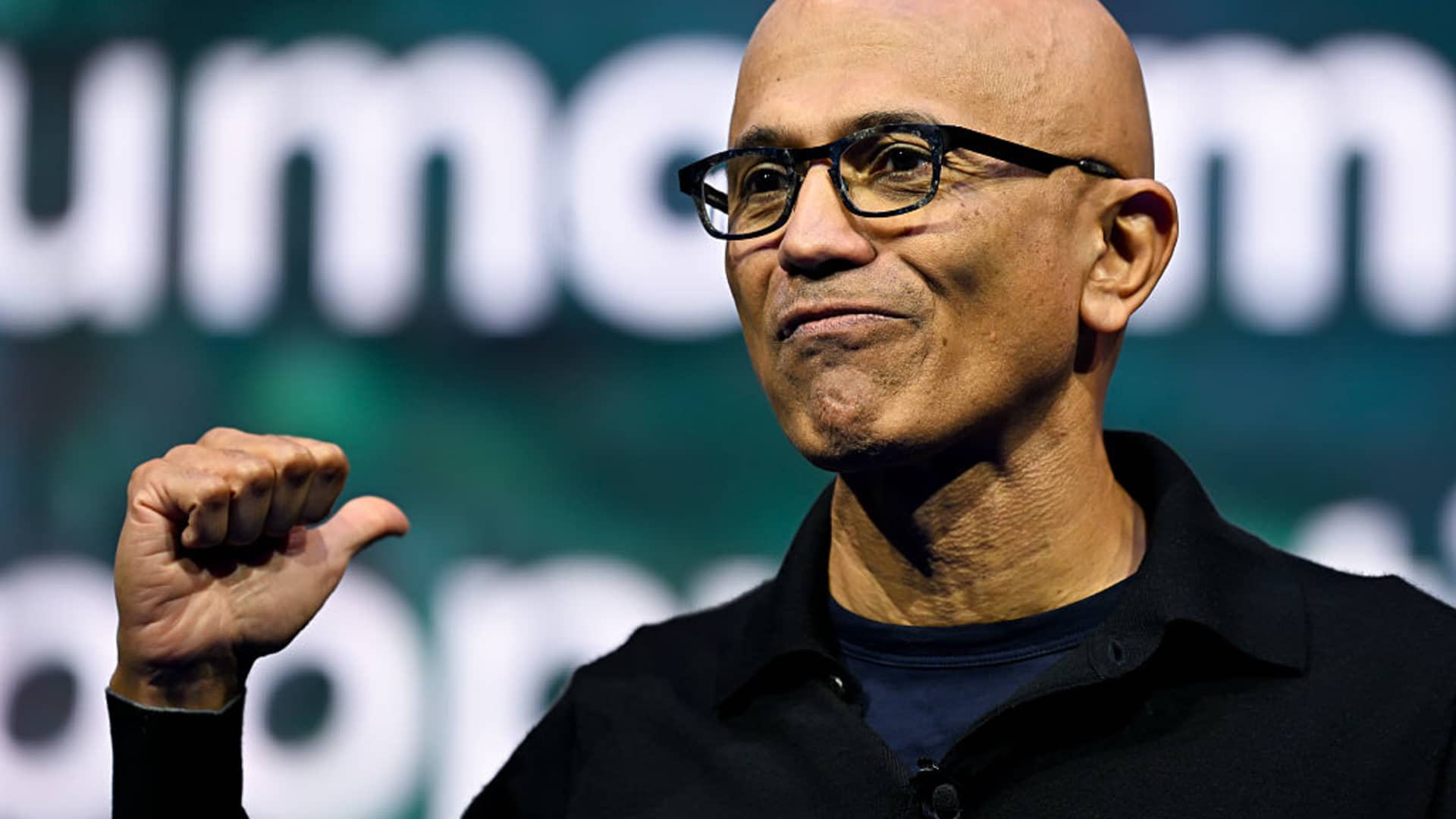
Microsoft Faces AI Growth Pressure as Stock Plummets


- Stock Plunge: Microsoft experienced a 23% drop in stock price during Q1, marking its worst quarterly performance since the 2008 financial crisis, significantly outpacing the Nasdaq's 7% decline, indicating investor concerns over its AI growth prospects that could impact future financing capabilities.
- AI Assistant Challenges: Microsoft's Copilot AI assistant has seen low user adoption, with only 3% of commercial Office customers holding licenses, forcing the company to allocate Azure cloud resources for improvements to maintain market share amid fierce competition.
- Executive Shake-up: Microsoft reassigned Copilot development head Mustafa Suleyman and appointed former Snap executive Jacob Andreou to lead the Copilot experience for consumers and commercial clients, raising market concerns about the company's strategic direction and potentially affecting team morale.
- Cloud Business Growth: Despite challenges, Microsoft's Azure cloud service achieved a 39% revenue growth in the December quarter, with commercial remaining performance obligations exceeding $625 billion, reflecting strong demand in the cloud infrastructure market that may support the company's future.
See More
Nvidia Reports 65% Revenue Growth in Fiscal 2026
- Significant Revenue Growth: Nvidia reported a revenue of $215.9 billion for fiscal 2026, reflecting a 65% year-over-year increase, despite a 10.2% decline in stock price so far in 2026, indicating market concerns about the sustainability of AI infrastructure spending.
- Robust AI Demand Outlook: CEO Jensen Huang announced at the GTC AI Conference that demand for AI systems is projected to reach at least $1 trillion in 2026 and 2027, a substantial increase from the previous estimate of $500 billion, highlighting the long-term trend in AI infrastructure development.
- Diversified Customer Base: Nvidia's business is composed of 60% from hyperscalers and 40% from enterprises, sovereign AI projects, startups, and emerging applications, ensuring that the company is not overly reliant on any single industry, thereby mitigating market risks.
- Continuous Product Innovation: Nvidia is actively launching new products, with ongoing deployments of Hopper systems and ramping up Blackwell systems, while future platforms like Rubin and Feynman are already in development, enhancing the company's competitive edge in the market.
See More
Investors Remain Bullish on Artificial Intelligence Stocks
- Investor Confidence: According to recent research by The Motley Fool, 59% of investors surveyed on March 3, 2026, hold AI stocks, indicating strong investor confidence in AI despite the tech sector's slump.
- Youth Engagement: The survey reveals that Gen Z and millennials have the highest AI stock ownership rates at 67% and 66%, respectively, highlighting the younger generation's keen interest and willingness to invest in future technologies.
- Major Investment Plans: Leading tech giants like Alphabet, Amazon, Meta, and Microsoft are projected to spend between $600 billion and $700 billion on AI data centers by 2026, reflecting their commitment to the AI sector and confidence in future growth.
- Nvidia's Success Story: Nvidia's stock has surged 1,190% over the past five years, exemplifying a successful investment in AI infrastructure, which encourages investors to consider opportunities in this rapidly evolving field.
See More
Nvidia Plans $2 Billion Investment in Marvell Technology
- Significant Investment: Nvidia's plan to invest approximately $2 billion in Marvell underscores its confidence in the latter's capabilities in data infrastructure, which could significantly boost Marvell's market valuation.
- Positive Stock Reaction: Following the investment announcement, Marvell's stock surged about 13% in the trading session, reflecting strong market optimism regarding Nvidia's backing and further solidifying Marvell's position in semiconductor design.
- Deepening Partnership: In addition to the financial investment, Nvidia is expanding its existing partnership with Marvell to focus on developing silicon photonics and other AI-centric telecommunications infrastructure hardware, indicating a long-term strategic collaboration potential between the two companies.
- Optimistic Market Outlook: Nvidia CEO Jensen Huang described Marvell as a “marvelous investment,” enhancing Marvell's industry reputation and laying the groundwork for potential long-term collaboration, despite Nvidia's history of adjusting its investment positions.
See More
Apple's Crackdown on AI Coding Apps Threatens Innovation
- Update Blocked: Apple has blocked updates for at least two popular AI coding apps, including Replit, citing safety concerns, a move that risks pushing developers to other platforms and undermining Apple's leadership in the developer ecosystem.
- Market Potential: The AI coding tools market has rapidly emerged in the past 18 months, with companies now valued in the billions, and Apple's restrictive measures could lead to innovation flourishing outside its ecosystem, impacting App Store revenues.
- User Experience Impacted: Many beginners and non-professional developers rely on tools like Replit for app development, and Apple's restrictions may alienate these users, affecting their loyalty to the iPhone and future app development intentions.
- Strategic Misstep Risk: While Apple aims to protect its App Store, it may inadvertently drive developers to open web platforms, risking a loss of competitive advantage in future app ecosystems, reminiscent of the challenges faced in the 1990s.
See More
OpenAI Closes Record Funding Round at $852 Billion Valuation
- Record Funding Size: OpenAI announced the closure of a $122 billion funding round, increasing from the $110 billion commitment disclosed in February, reflecting strong investor confidence in its future growth and solidifying its leadership in the AI sector.
- User Base Expansion: As of March, ChatGPT supports over 900 million weekly active users, with more than 50 million being paid subscribers, indicating widespread market acceptance and commercial potential, driving continued growth for the company.
- Significant Revenue Growth: OpenAI generates $2 billion in monthly revenue, with total revenue reaching $13.1 billion last year; although still unprofitable, this robust revenue stream lays the groundwork for future profitability, especially in light of a potential IPO.
- Strategic Investor Support: Strategic investors like Amazon, Nvidia, and SoftBank have committed $50 billion, $30 billion, and $30 billion respectively, demonstrating market trust in OpenAI's long-term prospects while providing ample funding for future expansion.
See More
Microsoft Faces AI Growth Pressure as Stock Plummets
- Stock Plunge: Microsoft experienced a 23% drop in stock price during Q1, marking its worst quarterly performance since the 2008 financial crisis, significantly outpacing the Nasdaq's 7% decline, indicating investor concerns over its AI growth prospects that could impact future financing capabilities.
- AI Assistant Challenges: Microsoft's Copilot AI assistant has seen low user adoption, with only 3% of commercial Office customers holding licenses, forcing the company to allocate Azure cloud resources for improvements to maintain market share amid fierce competition.
- Executive Shake-up: Microsoft reassigned Copilot development head Mustafa Suleyman and appointed former Snap executive Jacob Andreou to lead the Copilot experience for consumers and commercial clients, raising market concerns about the company's strategic direction and potentially affecting team morale.
- Cloud Business Growth: Despite challenges, Microsoft's Azure cloud service achieved a 39% revenue growth in the December quarter, with commercial remaining performance obligations exceeding $625 billion, reflecting strong demand in the cloud infrastructure market that may support the company's future.
See More