Noteworthy TGT Put and Call Options Set for June 2027
Put Contract Overview: The $85.00 put contract for TGT has a bid of $12.50, allowing investors to buy shares at $85.00 while effectively lowering their cost basis to $72.50, presenting a potential 1% discount compared to the current price of $86.21.
Expiration Odds and Returns: There is a 58% chance that the put contract will expire worthless, which would yield a 14.71% return on the cash commitment, or 9.35% annualized, referred to as YieldBoost.
Call Contract Overview: The $90.00 call contract has a bid of $12.00, and if shares are purchased at $86.21 and the call is sold, it could result in an 18.32% total return if the stock is called away by June 2027.
Expiration Odds for Call: The $90.00 call has a 45% chance of expiring worthless, allowing the investor to keep both the shares and the premium, which would represent a 13.92% additional return, or 8.85% annualized, also termed YieldBoost.
Trade with 70% Backtested Accuracy
Analyst Views on TGT

About TGT
About the author


Dividend Kings in the Retail Sector


- Dividend King Criteria: To be considered a Dividend King, a company must increase its dividend for 50 consecutive years, a standard met by Target, Lowe's, and Federal Realty, showcasing their robust business models and long-term viability.
- Target's Transformation Challenges: With a historically high dividend yield of 3.8%, Target's stock is down over 50% from its 2021 peak, as the company undergoes a business overhaul to attract customers and enhance market competitiveness.
- Lowe's Competitive Edge: Lowe's boasts a price-to-earnings ratio of 19x and a price-to-sales ratio of 1.5x, making it more attractively valued compared to Home Depot's 22x and 1.9x, despite potential recession risks looming over the home improvement sector.
- Federal Realty's Unique Position: As the only Dividend King REIT, Federal Realty manages around 100 high-quality retail properties, maintaining portfolio attractiveness through active asset management and redevelopment strategies, offering a 4.3% dividend yield.

Nebius Signs $27 Billion AI Deal with Meta Platforms


- Major Partnership Agreement: Nebius has signed a $27 billion AI infrastructure deal with Meta Platforms, ensuring that Meta secures sufficient computing power over the next five years to support its AI model development, showcasing Nebius's strong competitive position in the AI cloud computing sector.
- Market Validation: The deal's value exceeds Nebius's previous company valuation, marking a significant recognition of its status as an emerging cloud provider and proving the viability of its business model, which attracts increased investor interest.
- Technological Investment: Nebius will provide Meta with $12 billion worth of computing capacity using Nvidia's latest Vera Rubin chips, a technological choice that will significantly enhance Meta's competitiveness in the AI space, ensuring it stays ahead in technological advancements.
- Strategic Expansion: This agreement not only deepens the collaboration between Nebius and Meta but also complements other significant investments from Nvidia and Microsoft, further solidifying Nebius's critical role in the global AI infrastructure market.

Nebius Signs Major AI Deal with Meta Platforms
- AI Infrastructure Partnership: Dutch company Nebius has signed a significant AI infrastructure deal worth up to $27 billion with Meta Platforms, ensuring Meta has sufficient computing power for its AI model development over the next five years, highlighting Meta's ambitions in the AI space.
- Market Validation: The contract's value exceeds Nebius's valuation from the previous day, solidifying its position as an emerging cloud service provider and demonstrating the viability of its business model, attracting more investor interest.
- Technological Investment: Meta will utilize Nvidia's latest Vera Rubin chips, expected to provide $12 billion worth of computing capacity starting in 2027, which not only enhances Meta's technological capabilities but also presents significant revenue growth potential for Nebius.
- Retail Performance Highlights: Dollar Tree reported $5.5 billion in revenue for Q4 2025, a 9% year-over-year increase, successfully attracting more consumers by introducing higher-priced items (such as $3, $5, and $7), demonstrating its resilience during economic uncertainty.
Target Soars in 2026—Wall Street Might Be Poised to Take a Break

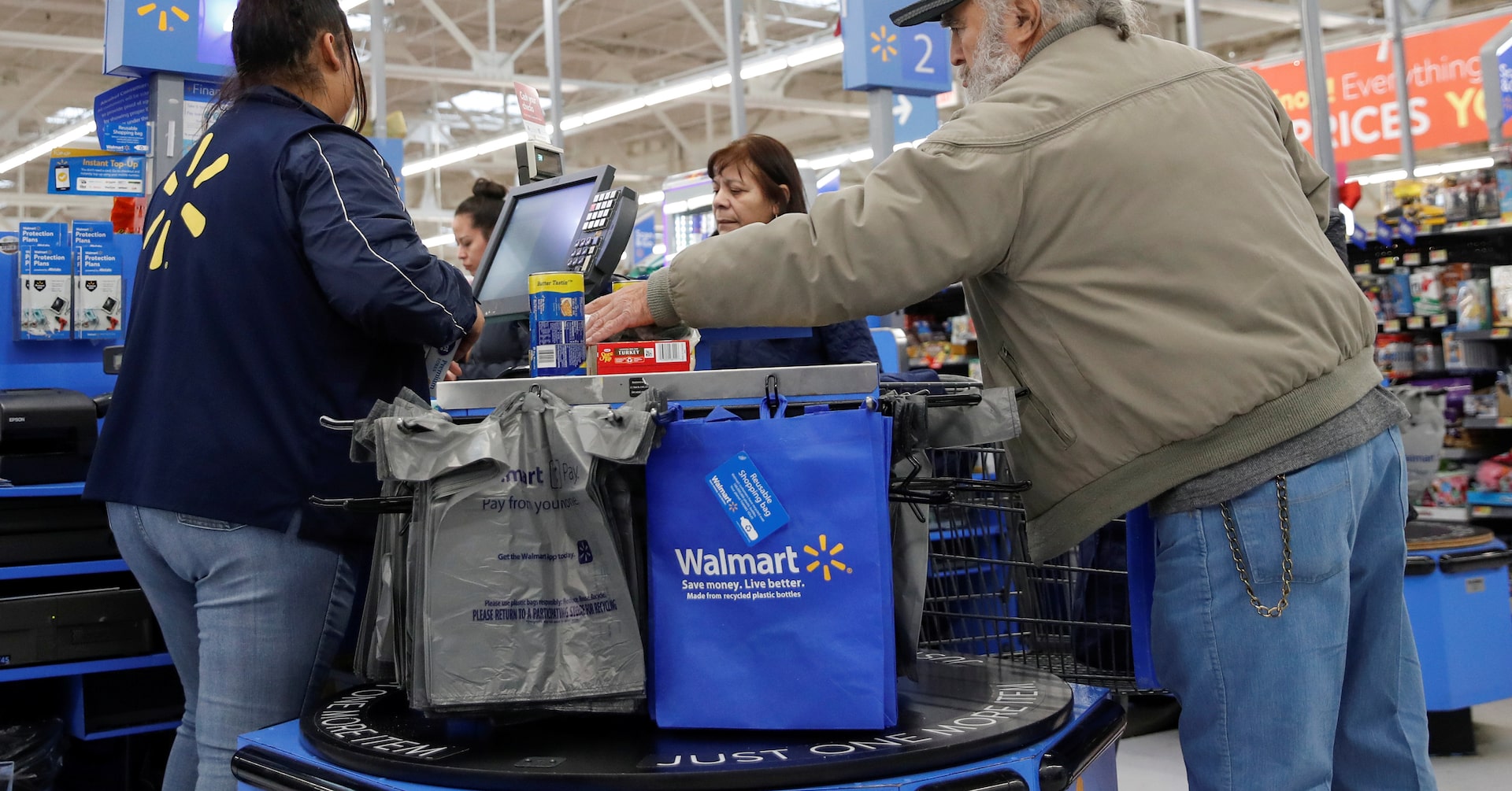
Target's Stock Performance: Target's stock has seen a significant rise of over 20% in 2026 as investor confidence grows in the retailer's turnaround plan under new CEO Michael Fiddelke, despite previous struggles following a sharp decline after the pandemic peak.
Challenges and Competition: The company has faced challenges from competitors like Walmart, which has gained market share, while Target's stock fell more than 50% during a rough period, highlighting the volatility and pressures from inflation and changing consumer behavior.
Future Growth Expectations: Target's recent earnings report showed mixed results, with earnings per share exceeding expectations but revenue declining slightly. The company anticipates modest sales growth of about 2% year-over-year and plans to invest over $5 billion in improvements across its business.
Analyst Sentiment: Following the earnings report, analysts have raised their price targets for Target's stock, indicating a cautious optimism about the company's potential for recovery, although many remain cautious and are waiting for clearer evidence of a successful turnaround strategy.
2026 Economic Outlook and Uber Developments


- GDP Growth Slowdown: The GDP growth rate for Q1 2026 is only 0.7%, significantly lower than the previous estimate of 1.4%, indicating a sluggish economic recovery that may dampen investor confidence and negatively impact stock market performance.
- Rising Inflation Pressure: With inflation exceeding 3% in January, combined with slowing GDP growth, concerns about stagflation may arise, leading to reduced consumer spending and threatening corporate profitability.
- Surge in Oil Prices: West Texas Intermediate crude oil prices have surged from $57 on January 2 to $93, even exceeding $100 at times, increasing consumer energy expenditure pressure and potentially suppressing spending in other areas.
- Uber's Autonomous Driving Partnerships: Uber has recently formed partnerships with several companies, including Waymo and Lucid, indicating its proactive positioning in the autonomous driving sector, which may lay the groundwork for future market share growth.

2026 Economic Outlook and Oil Price Fluctuations
- GDP Growth Slowdown: The GDP growth rate for Q1 2026 is only 0.7%, significantly lower than the previous estimate of 1.4%, indicating economic stagnation that may heighten investor concerns about future economic prospects.
- High Inflation Pressure: With inflation exceeding 3% in January, combined with low growth, market fears of stagflation are rising, which could negatively impact consumer spending and business investment decisions, further dragging down economic recovery.
- Surging Oil Prices Impact: As of the recording date, West Texas Intermediate crude oil prices have reached $93 per barrel, a significant increase from $57 on January 2, which may force consumers to cut back on other expenditures due to rising energy costs, affecting overall economic activity.
- Geopolitical Risks: The rise in oil prices is primarily driven by geopolitical conflicts rather than demand growth, particularly due to uncertainties surrounding Iran, which could lead to a more pessimistic economic outlook, necessitating close monitoring of related developments.
Dividend Kings in the Retail Sector
- Dividend King Criteria: To be considered a Dividend King, a company must increase its dividend for 50 consecutive years, a standard met by Target, Lowe's, and Federal Realty, showcasing their robust business models and long-term viability.
- Target's Transformation Challenges: With a historically high dividend yield of 3.8%, Target's stock is down over 50% from its 2021 peak, as the company undergoes a business overhaul to attract customers and enhance market competitiveness.
- Lowe's Competitive Edge: Lowe's boasts a price-to-earnings ratio of 19x and a price-to-sales ratio of 1.5x, making it more attractively valued compared to Home Depot's 22x and 1.9x, despite potential recession risks looming over the home improvement sector.
- Federal Realty's Unique Position: As the only Dividend King REIT, Federal Realty manages around 100 high-quality retail properties, maintaining portfolio attractiveness through active asset management and redevelopment strategies, offering a 4.3% dividend yield.
Nebius Signs $27 Billion AI Deal with Meta Platforms
- Major Partnership Agreement: Nebius has signed a $27 billion AI infrastructure deal with Meta Platforms, ensuring that Meta secures sufficient computing power over the next five years to support its AI model development, showcasing Nebius's strong competitive position in the AI cloud computing sector.
- Market Validation: The deal's value exceeds Nebius's previous company valuation, marking a significant recognition of its status as an emerging cloud provider and proving the viability of its business model, which attracts increased investor interest.
- Technological Investment: Nebius will provide Meta with $12 billion worth of computing capacity using Nvidia's latest Vera Rubin chips, a technological choice that will significantly enhance Meta's competitiveness in the AI space, ensuring it stays ahead in technological advancements.
- Strategic Expansion: This agreement not only deepens the collaboration between Nebius and Meta but also complements other significant investments from Nvidia and Microsoft, further solidifying Nebius's critical role in the global AI infrastructure market.
Nebius Signs Major AI Deal with Meta Platforms
- AI Infrastructure Partnership: Dutch company Nebius has signed a significant AI infrastructure deal worth up to $27 billion with Meta Platforms, ensuring Meta has sufficient computing power for its AI model development over the next five years, highlighting Meta's ambitions in the AI space.
- Market Validation: The contract's value exceeds Nebius's valuation from the previous day, solidifying its position as an emerging cloud service provider and demonstrating the viability of its business model, attracting more investor interest.
- Technological Investment: Meta will utilize Nvidia's latest Vera Rubin chips, expected to provide $12 billion worth of computing capacity starting in 2027, which not only enhances Meta's technological capabilities but also presents significant revenue growth potential for Nebius.
- Retail Performance Highlights: Dollar Tree reported $5.5 billion in revenue for Q4 2025, a 9% year-over-year increase, successfully attracting more consumers by introducing higher-priced items (such as $3, $5, and $7), demonstrating its resilience during economic uncertainty.
Target Soars in 2026—Wall Street Might Be Poised to Take a Break
Target's Stock Performance: Target's stock has seen a significant rise of over 20% in 2026 as investor confidence grows in the retailer's turnaround plan under new CEO Michael Fiddelke, despite previous struggles following a sharp decline after the pandemic peak.
Challenges and Competition: The company has faced challenges from competitors like Walmart, which has gained market share, while Target's stock fell more than 50% during a rough period, highlighting the volatility and pressures from inflation and changing consumer behavior.
Future Growth Expectations: Target's recent earnings report showed mixed results, with earnings per share exceeding expectations but revenue declining slightly. The company anticipates modest sales growth of about 2% year-over-year and plans to invest over $5 billion in improvements across its business.
Analyst Sentiment: Following the earnings report, analysts have raised their price targets for Target's stock, indicating a cautious optimism about the company's potential for recovery, although many remain cautious and are waiting for clearer evidence of a successful turnaround strategy.
2026 Economic Outlook and Uber Developments
- GDP Growth Slowdown: The GDP growth rate for Q1 2026 is only 0.7%, significantly lower than the previous estimate of 1.4%, indicating a sluggish economic recovery that may dampen investor confidence and negatively impact stock market performance.
- Rising Inflation Pressure: With inflation exceeding 3% in January, combined with slowing GDP growth, concerns about stagflation may arise, leading to reduced consumer spending and threatening corporate profitability.
- Surge in Oil Prices: West Texas Intermediate crude oil prices have surged from $57 on January 2 to $93, even exceeding $100 at times, increasing consumer energy expenditure pressure and potentially suppressing spending in other areas.
- Uber's Autonomous Driving Partnerships: Uber has recently formed partnerships with several companies, including Waymo and Lucid, indicating its proactive positioning in the autonomous driving sector, which may lay the groundwork for future market share growth.
2026 Economic Outlook and Oil Price Fluctuations
- GDP Growth Slowdown: The GDP growth rate for Q1 2026 is only 0.7%, significantly lower than the previous estimate of 1.4%, indicating economic stagnation that may heighten investor concerns about future economic prospects.
- High Inflation Pressure: With inflation exceeding 3% in January, combined with low growth, market fears of stagflation are rising, which could negatively impact consumer spending and business investment decisions, further dragging down economic recovery.
- Surging Oil Prices Impact: As of the recording date, West Texas Intermediate crude oil prices have reached $93 per barrel, a significant increase from $57 on January 2, which may force consumers to cut back on other expenditures due to rising energy costs, affecting overall economic activity.
- Geopolitical Risks: The rise in oil prices is primarily driven by geopolitical conflicts rather than demand growth, particularly due to uncertainties surrounding Iran, which could lead to a more pessimistic economic outlook, necessitating close monitoring of related developments.