UPS Declines More Sharply Than the Overall Market: Key Insights for Investors
UPS Stock Performance: United Parcel Service (UPS) shares fell 1.57% to $82.58, underperforming against the S&P 500, which lost 0.5%. Over the past month, UPS has declined 4.51%, contrasting with the S&P 500's gain of 2.74%.
Earnings Expectations: Analysts anticipate UPS will report earnings of $1.33 per share, reflecting a 24.43% year-over-year decline, with projected revenue of $20.86 billion, a 6.23% decrease from the previous year. The full-year estimates suggest earnings of $6.5 per share and revenue of $87.5 billion, indicating significant declines.
Analyst Ratings and Valuation: UPS currently holds a Zacks Rank of #4 (Sell), with a recent downward revision of 0.41% in EPS estimates. Its Forward P/E ratio is 12.91, slightly below the industry average of 12.95, and it has a PEG ratio of 1.55, matching the industry average.
AI Investment Opportunities: The article highlights the potential for significant wealth creation in the next phase of AI development, suggesting that early investors in emerging companies could see substantial gains, while established AI stocks may experience a leveling off in growth.
Trade with 70% Backtested Accuracy
Analyst Views on UPS

About UPS
About the author

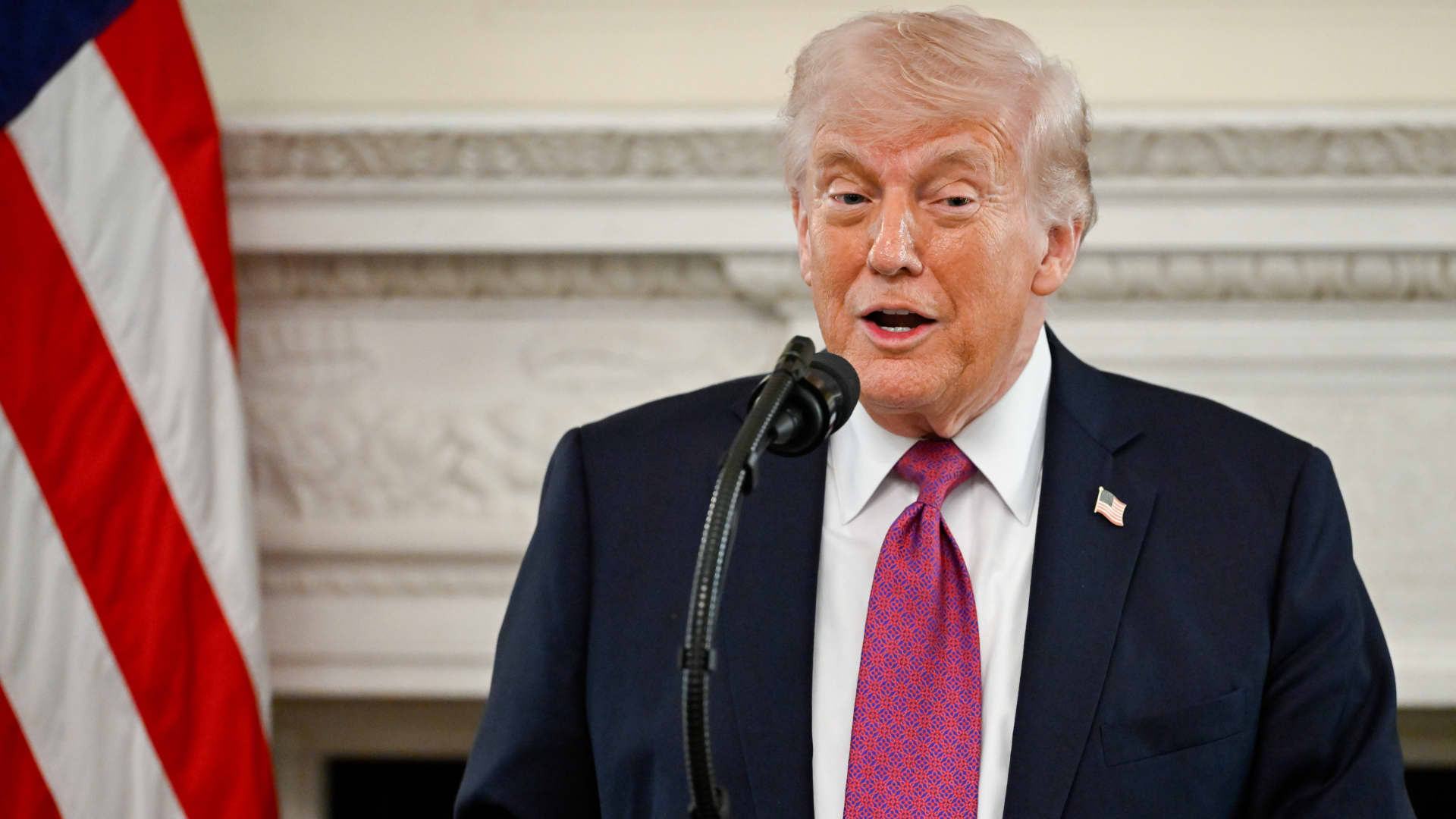
Trump's Visit to China Sparks Market Attention


- High-Level Meeting Context: President Trump arrived in Beijing on May 13, 2026, accompanied by top executives including Tesla's Elon Musk and Nvidia's Jensen Huang, aiming to engage in crucial discussions with President Xi Jinping on trade, technology, and regional security issues.
- Market Reaction: Asian markets showed mixed performance ahead of Trump's visit, while U.S. futures remained relatively unchanged; notably, the S&P 500 reached an all-time high on Wall Street, reflecting traders' enthusiasm for technology stocks despite pressures from the latest inflation report.
- Inflation Data Impact: U.S. wholesale inflation surged to 6% year-over-year in April, marking the highest increase since 2022, which intensifies pressure on Federal Reserve policy and complicates the economic backdrop for Trump's high-level diplomacy.
- Global Oil Flow Constraints: The closure of the Strait of Hormuz due to the Iran war has severely impacted global oil flows, with OPEC reporting a 30% reduction in supply since the conflict began, posing significant risks to demand growth this year.
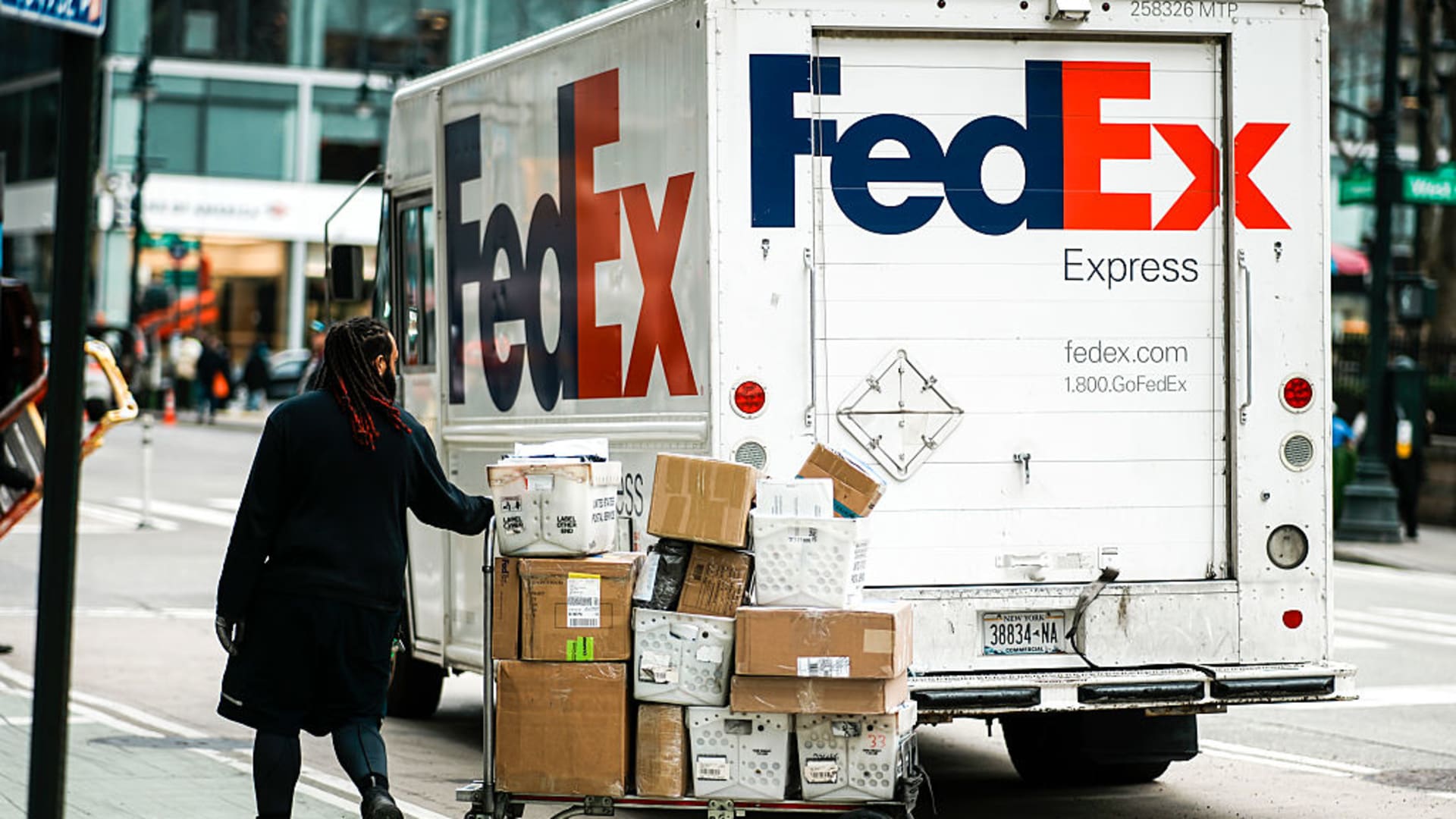
FedEx CEO Downplays Amazon Supply Chain Services Threat

- Competitive Threat Assessment: FedEx CEO Raj Subramaniam stated on CNBC that Amazon's recent supply chain services announcement is fundamentally different from FedEx's global network, emphasizing that FedEx's true advantage lies in its ability to transport goods quickly worldwide, despite market concerns about competitive threats.
- Stock Price Volatility: Following Amazon's announcement, FedEx shares fell by 9%, but have since recovered roughly half of those losses, while rival UPS saw a 10.5% drop on the same day, with only a modest 2% recovery afterward.
- Business Scale Comparison: Subramaniam noted that FedEx's third-party logistics segment is about a $2 billion business, and while Amazon's service may impact this area, it represents only a small fraction of FedEx's overall operations, which are projected to generate over $93 billion in revenue for the fiscal year ending in May.
- Customer Relationship Maintenance: Despite the competitive landscape, Subramaniam emphasized that Amazon remains a valuable FedEx customer, with both companies having renewed their partnership in recent years, creating a win-win business model that highlights FedEx's commitment to maintaining strong relationships with key clients.

FedEx CEO Downplays Amazon Supply Chain Threat

- Competitive Threat Assessment: FedEx CEO Raj Subramaniam stated that Amazon's new supply chain service is completely different from FedEx's global logistics network, emphasizing that FedEx's true global network can deliver goods from anywhere in the world within days, showcasing its unique market position.
- Customer Relationship Importance: Despite concerns raised by Amazon's supply chain service, Subramaniam highlighted that Amazon remains a valuable customer for FedEx, with their relationship viewed as a win-win, indicating FedEx's ability to maintain customer loyalty in the face of competition.
- Market Reaction Analysis: Following Amazon's announcement, FedEx shares fell by 9%, but have since recovered about half of those losses, indicating an initial negative market reaction to the news, although investor confidence appears to be gradually returning.
- Business Scale Comparison: Subramaniam noted that FedEx's third-party logistics segment is approximately a $2 billion business, and while Amazon's service may impact this area, it does not represent a major part of FedEx's overall operations, reflecting the company's solid position in the broader market.
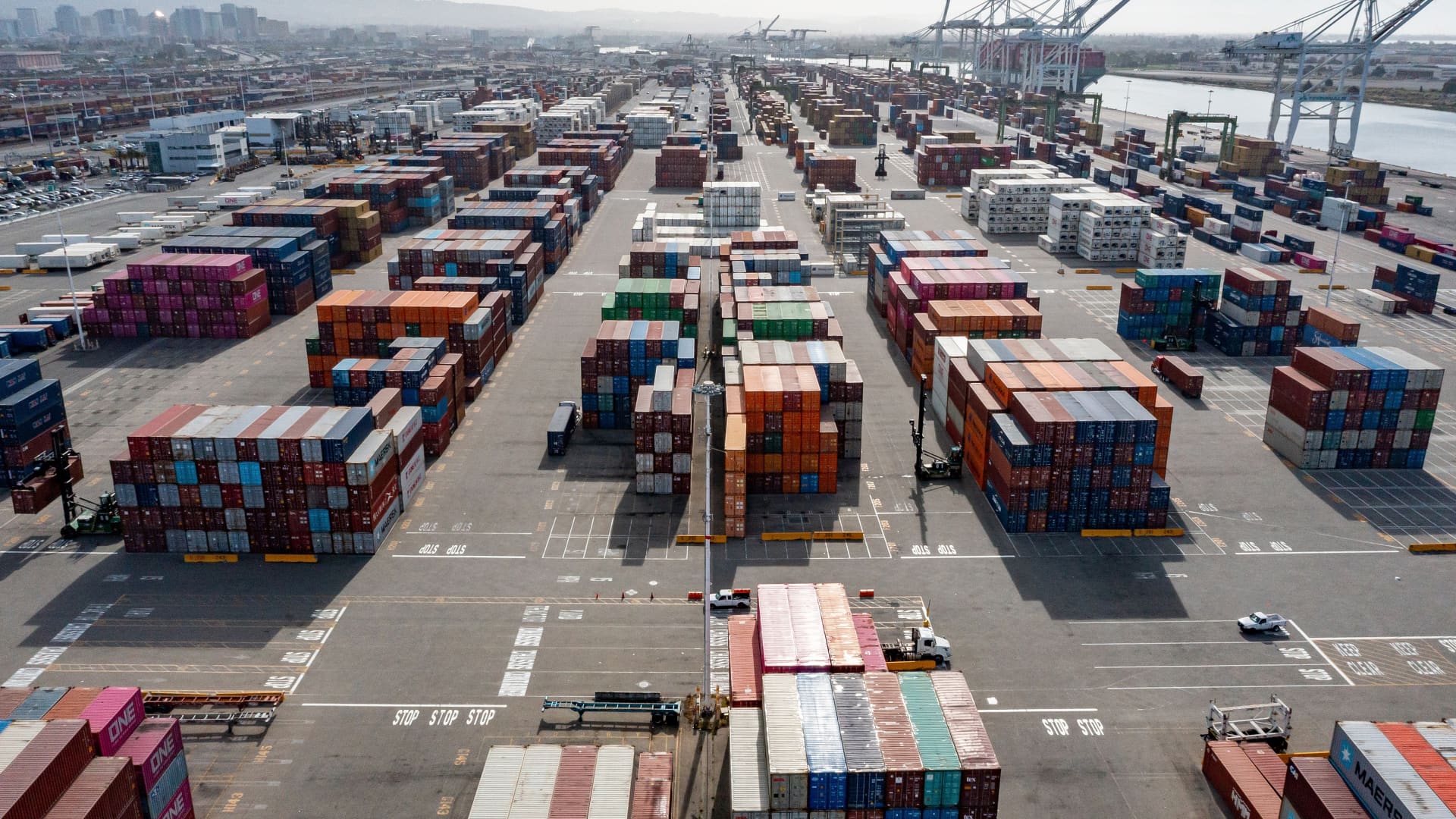
U.S. Begins Tariff Refunds, Benefiting Companies

- Tariff Refunds Initiated: Following the Supreme Court's ruling that some tariffs were unconstitutional, Oshkosh Corporation CFO Matt Field confirmed that the company began receiving tariff refunds on Tuesday, marking the initial payments from their total claims submitted, although the total refund amount remains unverified.
- Basic Fun's Gains: Basic Fun CEO Jay Foreman stated that the refunds received so far represent only 5% of the company's total claim on early invoices, yet these funds will be utilized to support 2026 cash flow and increase employee salaries to offset rising living costs.
- Logistics Companies' Role: Logistics giants UPS, FedEx, and DHL have indicated they will file for tariff refunds on behalf of their customers, requiring no further action from them, highlighting the crucial role of the logistics sector in this refund process.
- Massive Refund Scale: The U.S. Customs and Border Protection anticipates paying out $35.46 billion in refunds across 8.3 million shipments, indicating the potential positive impact of this policy on corporate cash flows.

First Wave of Tariff Refunds Begins After Supreme Court Ruling
- Refunds Initiated: Following the Supreme Court's ruling that some of Trump's tariffs were unconstitutional, Oshkosh Corporation confirmed on Tuesday that it has begun receiving tariff refunds, although the total refund amount remains unverified, providing initial financial relief amid uncertainty for businesses.
- Basic Fun's Situation: Basic Fun reported that the refunds received so far represent only 5% of its total claims, allowing the company to utilize these funds to support its 2026 cash flow while planning to increase employee salaries to offset rising living costs during a challenging period for the toy industry.
- Logistics Companies Involvement: Logistics giants UPS, FedEx, and DHL have stated they will file for tariff refunds on behalf of their customers, streamlining the refund process, although the first phase only covers requests finalized by CBP in the past 80 days, with the process potentially taking months to reach customers.
- Expected Total Refund Amount: The U.S. Customs and Border Protection anticipates paying out $35.46 billion in refunds across 8.3 million shipments, a substantial amount that could significantly impact the cash flow of affected businesses, particularly in the context of economic recovery.

Amazon Supply Chain Services Threatens UPS
- Amazon Competitive Pressure: The launch of Amazon Supply Chain Services poses a significant threat to UPS, potentially leading to further declines in its market share, particularly in the express and logistics sectors.
- Stock Price Decline: UPS shares have fallen over 50% in the past five years, reflecting the negative impact of worsening trade conditions on its operations, with revenue declining in two of the last three years.
- Layoff Plan: UPS has announced plans to cut up to 30,000 jobs, which may affect employee morale in the short term, but aims to improve profit margins and optimize operational efficiency in the long run.
- Valuation Appeal: Despite the threat from Amazon, UPS trades at a modest 14 times its estimated future profits, indicating its leadership position in the logistics industry and relative attractiveness, potentially providing a good buying opportunity for investors.
Trump's Visit to China Sparks Market Attention
- High-Level Meeting Context: President Trump arrived in Beijing on May 13, 2026, accompanied by top executives including Tesla's Elon Musk and Nvidia's Jensen Huang, aiming to engage in crucial discussions with President Xi Jinping on trade, technology, and regional security issues.
- Market Reaction: Asian markets showed mixed performance ahead of Trump's visit, while U.S. futures remained relatively unchanged; notably, the S&P 500 reached an all-time high on Wall Street, reflecting traders' enthusiasm for technology stocks despite pressures from the latest inflation report.
- Inflation Data Impact: U.S. wholesale inflation surged to 6% year-over-year in April, marking the highest increase since 2022, which intensifies pressure on Federal Reserve policy and complicates the economic backdrop for Trump's high-level diplomacy.
- Global Oil Flow Constraints: The closure of the Strait of Hormuz due to the Iran war has severely impacted global oil flows, with OPEC reporting a 30% reduction in supply since the conflict began, posing significant risks to demand growth this year.
FedEx CEO Downplays Amazon Supply Chain Services Threat
- Competitive Threat Assessment: FedEx CEO Raj Subramaniam stated on CNBC that Amazon's recent supply chain services announcement is fundamentally different from FedEx's global network, emphasizing that FedEx's true advantage lies in its ability to transport goods quickly worldwide, despite market concerns about competitive threats.
- Stock Price Volatility: Following Amazon's announcement, FedEx shares fell by 9%, but have since recovered roughly half of those losses, while rival UPS saw a 10.5% drop on the same day, with only a modest 2% recovery afterward.
- Business Scale Comparison: Subramaniam noted that FedEx's third-party logistics segment is about a $2 billion business, and while Amazon's service may impact this area, it represents only a small fraction of FedEx's overall operations, which are projected to generate over $93 billion in revenue for the fiscal year ending in May.
- Customer Relationship Maintenance: Despite the competitive landscape, Subramaniam emphasized that Amazon remains a valuable FedEx customer, with both companies having renewed their partnership in recent years, creating a win-win business model that highlights FedEx's commitment to maintaining strong relationships with key clients.
FedEx CEO Downplays Amazon Supply Chain Threat
- Competitive Threat Assessment: FedEx CEO Raj Subramaniam stated that Amazon's new supply chain service is completely different from FedEx's global logistics network, emphasizing that FedEx's true global network can deliver goods from anywhere in the world within days, showcasing its unique market position.
- Customer Relationship Importance: Despite concerns raised by Amazon's supply chain service, Subramaniam highlighted that Amazon remains a valuable customer for FedEx, with their relationship viewed as a win-win, indicating FedEx's ability to maintain customer loyalty in the face of competition.
- Market Reaction Analysis: Following Amazon's announcement, FedEx shares fell by 9%, but have since recovered about half of those losses, indicating an initial negative market reaction to the news, although investor confidence appears to be gradually returning.
- Business Scale Comparison: Subramaniam noted that FedEx's third-party logistics segment is approximately a $2 billion business, and while Amazon's service may impact this area, it does not represent a major part of FedEx's overall operations, reflecting the company's solid position in the broader market.
U.S. Begins Tariff Refunds, Benefiting Companies
- Tariff Refunds Initiated: Following the Supreme Court's ruling that some tariffs were unconstitutional, Oshkosh Corporation CFO Matt Field confirmed that the company began receiving tariff refunds on Tuesday, marking the initial payments from their total claims submitted, although the total refund amount remains unverified.
- Basic Fun's Gains: Basic Fun CEO Jay Foreman stated that the refunds received so far represent only 5% of the company's total claim on early invoices, yet these funds will be utilized to support 2026 cash flow and increase employee salaries to offset rising living costs.
- Logistics Companies' Role: Logistics giants UPS, FedEx, and DHL have indicated they will file for tariff refunds on behalf of their customers, requiring no further action from them, highlighting the crucial role of the logistics sector in this refund process.
- Massive Refund Scale: The U.S. Customs and Border Protection anticipates paying out $35.46 billion in refunds across 8.3 million shipments, indicating the potential positive impact of this policy on corporate cash flows.
First Wave of Tariff Refunds Begins After Supreme Court Ruling
- Refunds Initiated: Following the Supreme Court's ruling that some of Trump's tariffs were unconstitutional, Oshkosh Corporation confirmed on Tuesday that it has begun receiving tariff refunds, although the total refund amount remains unverified, providing initial financial relief amid uncertainty for businesses.
- Basic Fun's Situation: Basic Fun reported that the refunds received so far represent only 5% of its total claims, allowing the company to utilize these funds to support its 2026 cash flow while planning to increase employee salaries to offset rising living costs during a challenging period for the toy industry.
- Logistics Companies Involvement: Logistics giants UPS, FedEx, and DHL have stated they will file for tariff refunds on behalf of their customers, streamlining the refund process, although the first phase only covers requests finalized by CBP in the past 80 days, with the process potentially taking months to reach customers.
- Expected Total Refund Amount: The U.S. Customs and Border Protection anticipates paying out $35.46 billion in refunds across 8.3 million shipments, a substantial amount that could significantly impact the cash flow of affected businesses, particularly in the context of economic recovery.
Amazon Supply Chain Services Threatens UPS
- Amazon Competitive Pressure: The launch of Amazon Supply Chain Services poses a significant threat to UPS, potentially leading to further declines in its market share, particularly in the express and logistics sectors.
- Stock Price Decline: UPS shares have fallen over 50% in the past five years, reflecting the negative impact of worsening trade conditions on its operations, with revenue declining in two of the last three years.
- Layoff Plan: UPS has announced plans to cut up to 30,000 jobs, which may affect employee morale in the short term, but aims to improve profit margins and optimize operational efficiency in the long run.
- Valuation Appeal: Despite the threat from Amazon, UPS trades at a modest 14 times its estimated future profits, indicating its leadership position in the logistics industry and relative attractiveness, potentially providing a good buying opportunity for investors.