Market Volatility: Tech Stocks Decline Amid Selling Pressure
Written by Emily J. Thompson, Senior Investment Analyst
Updated: Feb 05 2026
0mins


Source: CNBC
- Market Volatility: On Thursday, stocks fell as software stocks faced a sell-off, with Alphabet and Amazon down 4.3% and 4.8% respectively, pulling the Nasdaq down 1.4% and the S&P 500 down 1%, indicating fragile market sentiment.
- Investor Sentiment: Despite Alphabet reporting stronger-than-expected fourth-quarter earnings, its stock dropped nearly 5%, primarily due to investor concerns over the much larger-than-expected 2026 capex guidance, which may impact future returns.
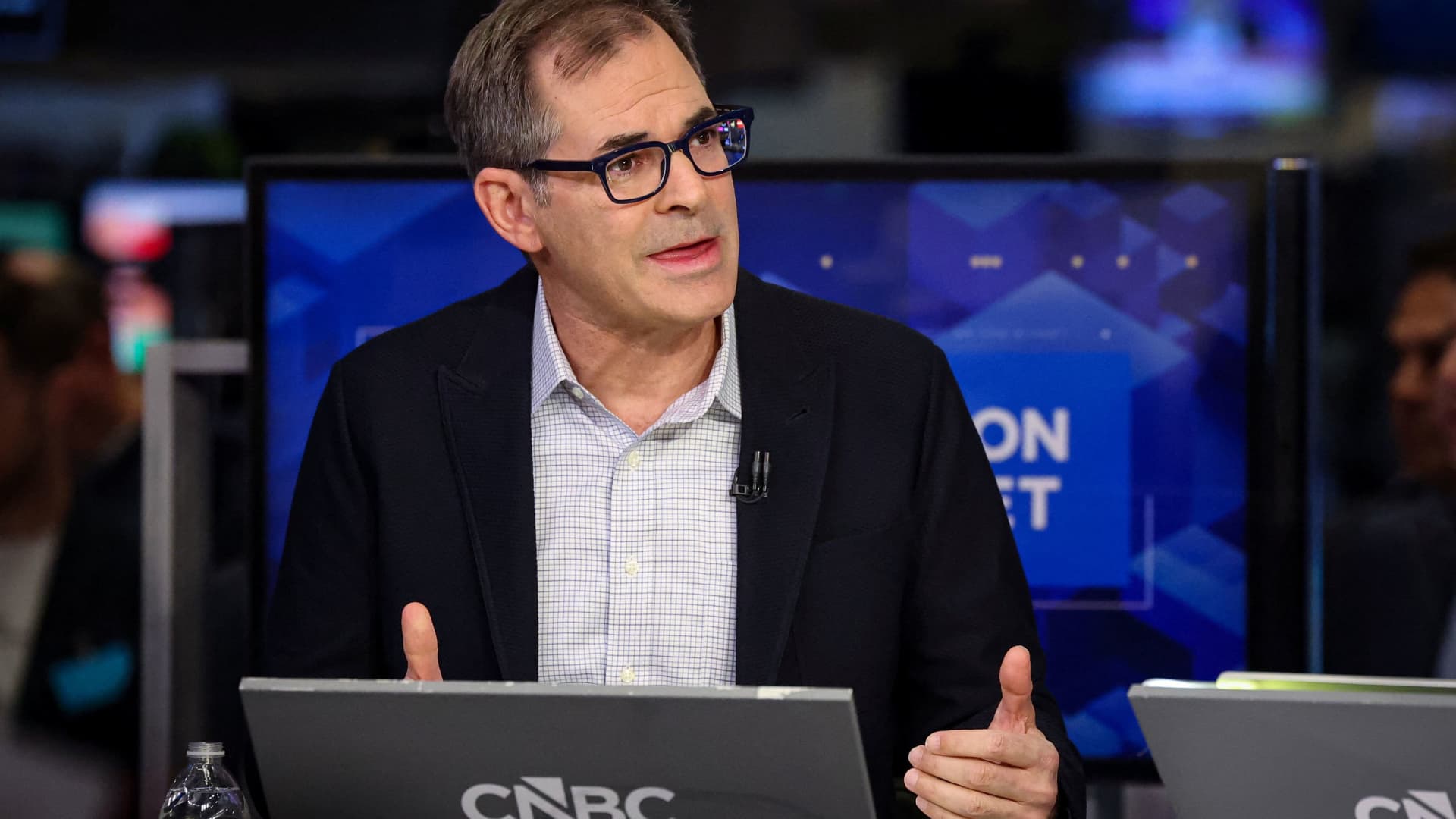
- Buying Opportunity: Jim Cramer noted Eli Lilly's stock dropped nearly 7% due to a competitor launching a cheaper weight-loss drug, but he believes the company's upcoming weight-loss pill, orforglipron, will provide growth potential in the U.S. and internationally.
- Investment Strategy: Cramer emphasized the importance of a diversified portfolio to mitigate recent market downside risks, particularly as high-multiple stocks face pressure while industrials and materials show relative strength.
Trade with 70% Backtested Accuracy
Stop guessing "Should I Buy RL?" and start using high-conviction signals backed by rigorous historical data.
Sign up today to access powerful investing tools and make smarter, data-driven decisions.
Analyst Views on RL
Wall Street analysts forecast RL stock price to rise
14 Analyst Rating
12 Buy
2 Hold
0 Sell
Strong Buy
Current: 358.450

Low
305.00
Averages
401.85
High
473.00
Current: 358.450
Low
305.00
Averages
401.85
High
473.00
About RL
Ralph Lauren Corporation is engaged in the design, marketing, and distribution of luxury lifestyle products, including apparel, footwear and accessories, home, fragrances and hospitality. Its segments include North America, Europe, and Asia. Its brands include Ralph Lauren, Ralph Lauren Collection, Ralph Lauren Purple Label, Polo Ralph Lauren, Lauren Ralph Lauren, Polo Ralph Lauren Children, and Chaps, among others. Its products include apparel and footwear and accessories for men, women, and children, as well as fragrance and home collections, together with its hospitality portfolio. Its range of footwear and accessories include casual shoes, dress shoes, boots, sneakers, sandals, eyewear, watches, scarves, hats and others. Its range of home products includes bed and bath lines, lighting, dining, floor coverings, giftware and more. Its hospitality collection is comprised of its restaurants, including The Polo Bar in New York City, RL Restaurant located in Chicago, and others.
About the author

Emily J. Thompson
Emily J. Thompson, a Chartered Financial Analyst (CFA) with 12 years in investment research, graduated with honors from the Wharton School. Specializing in industrial and technology stocks, she provides in-depth analysis for Intellectia’s earnings and market brief reports.
Market Watch: Oil Prices, Tech Stocks, and Earnings


- Oil Prices and Refinery Output: U.S. refineries are processing an average of 16.3 million barrels of crude per day, significantly up from 13.5 million, which, while unsustainable, is boosting refinery margins amid ongoing geopolitical tensions, stabilizing the market.
- CoreWeave Price Target Raised: Barclays increased CoreWeave's price target from $106 to $120, noting strong first-quarter earnings that exceeded expectations; however, light guidance for Q2 led to an 11% drop in shares, highlighting the tension between revenue growth and rising operating expenses.
- Strong Performance for Corning: Corning's stock rose 3.4% in premarket trading after Bank of America added it to its
See More

Goldman Sachs Bullish on IPOs and M&A Opportunities

- IPO Market Outlook: Goldman Sachs analysts predict they will be major winners in the IPO and M&A markets, indicating significant investment decisions in their charitable trust, reflecting strong confidence in market activity.
- Surge in Semiconductor Demand: Taiwan Semiconductor Manufacturing faces overwhelming business demand, with ARM Holdings also indicating a need for more chips, highlighting a tight supply-demand situation in the global semiconductor market that could lead to price increases and market share redistribution.
- Quantum Computing Leader: D-Wave is identified as the best option in the quantum computing space, indicating its leading position in emerging technologies, which may attract more investor attention to its future growth potential.
- Growing Equipment Demand: Thermo Fisher is viewed as a beneficiary of equipment demand in the IPO market, with analysts recommending buying at current price levels, signaling the company's crucial role in future market dynamics.
See More

Analysis of Investment Opportunities in Mid-Cap Stocks

- Ralph Lauren Performance Decline: With a market cap of $21.71 billion, Ralph Lauren's constant currency growth has fallen short over the past two years, indicating a need for investment in product improvements that could impact its future competitiveness in the fashion industry.
- PulteGroup Revenue Growth Struggles: PulteGroup, valued at $23.31 billion, has experienced only 1.2% annual revenue growth over the last two years, coupled with a concerning 7.7% annual decline in earnings per share, suggesting that increasing competition is eroding its profitability.
- SoFi Strong Growth Potential: SoFi, with a market cap of $20.53 billion, has achieved an impressive 33.4% annual revenue growth over the past two years, and its earnings per share surged by 396%, reflecting its robust performance and increasing market share in the digital financial services sector.
- Intensifying Market Competition: Mid-cap stocks are facing fierce competition from both industry giants and agile small players, and while they hold significant potential, investors must carefully assess the financial health and market adaptability of these companies.
See More

Global Retail Brands Face Marketing Challenges Amid Rising Costs

- Rising Acquisition Costs: Deutsche Bank analysts report that the cost of acquiring new consumers is increasing across the global retail and apparel sectors, a trend expected to influence corporate strategies throughout 2026, compelling brands to reassess their growth approaches.
- Investment in Brand Loyalty: Following fourth-quarter earnings, several firms have prioritized investments in brand loyalty, a decision critical for long-term health but which has temporarily constrained profit margins, highlighting the challenges of sustaining revenue in a volatile economy.
- Intensified Market Competition: Retailers are grappling with elevated energy prices squeezing consumer budgets, leading to intensified competition among brands, particularly as value-focused retailers aggressively campaign to capture wallet share from cost-conscious shoppers.
- Divergence of Winners and Losers: Deutsche Bank identifies potential beneficiaries of increased marketing allocations, such as Birkenstock and Burlington, while giants like Nike and Lululemon may need to ramp up spending to maintain their competitive edge in an increasingly crowded market.
See More
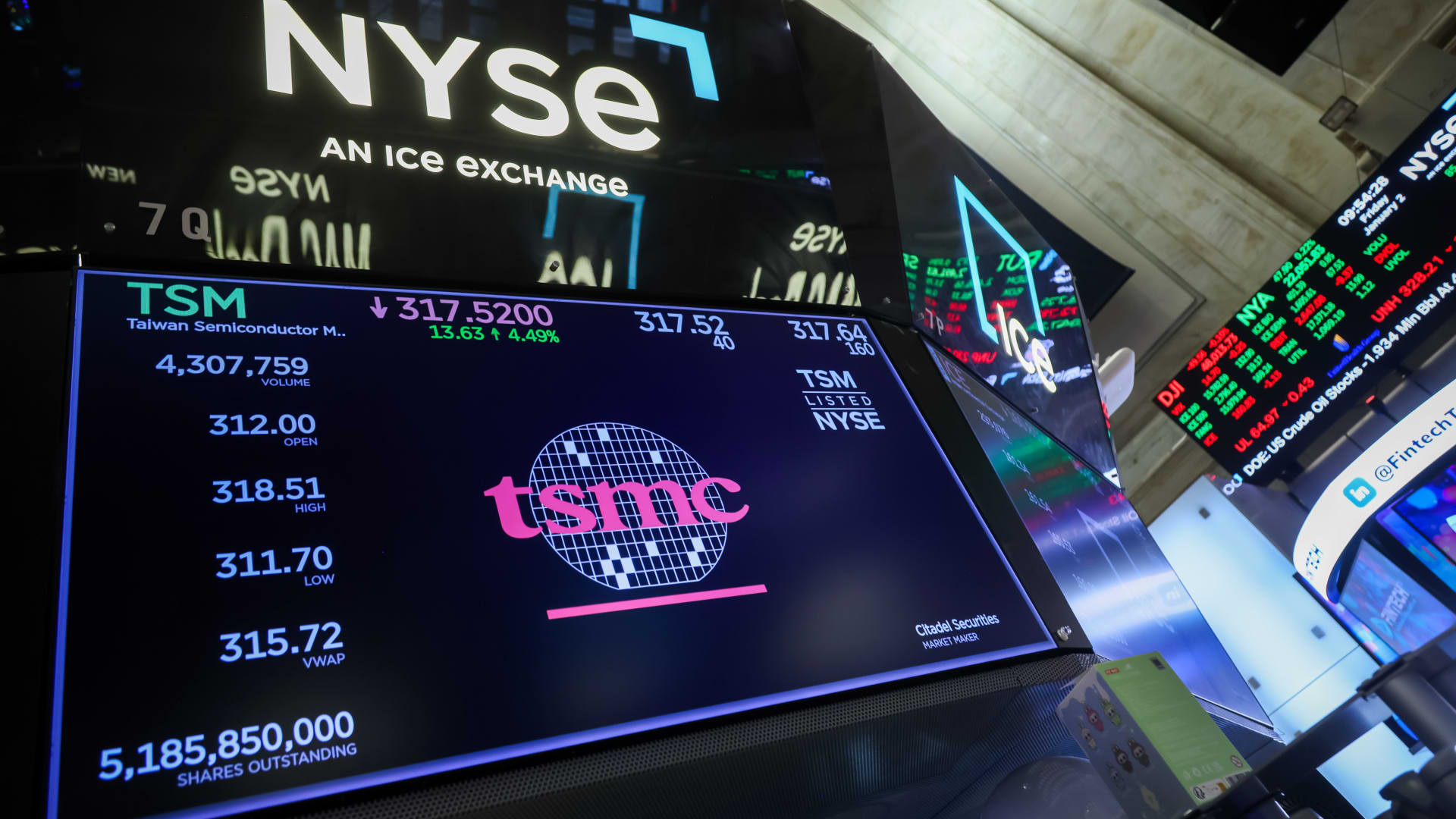
U.S. Stocks Edge Up as PepsiCo and TSMC Shine
- PepsiCo's Quarter Performance: PepsiCo achieved its first volume growth in North American food business in two years, with CEO Ramon Laguarta addressing the industry's threat from GLP-1 weight-loss drugs, leading to a 1% rise in shares, demonstrating the company's resilience and adaptability in a competitive consumer goods market.
- TSMC Profit Surge: TSMC reported a 58% year-over-year profit increase, despite facing challenges with shortages of industrial gases; management noted a 'little bit softer' memory pricing, indicating ongoing demand and competitive pressures in advanced chip manufacturing that could impact future profitability.
- J.B. Hunt Transport Services: J.B. Hunt indicated the start of a new cycle with positive demand signals, reporting a first-quarter earnings beat and a 1% premarket share increase, reflecting potential growth opportunities in the transportation sector.
- Analyst Rating Changes: JPMorgan downgraded Corning to hold and cut its price target from $175 to $115, citing the need for greater earnings visibility to support stock upside, indicating a cautious market outlook on the company's future performance.
See More

Top 5 Consumer Stocks to Buy Amid Challenges


- Netflix Growth Potential: Netflix surpassed 325 million paid memberships in Q4 2025, driven by a rich portfolio of localized and foreign-language content, with an ambitious target to double revenue by 2030 and reach a $1 trillion market cap, indicating strong market appeal.
- Ralph Lauren Business Enhancement: Ralph Lauren's execution of the 'Next Great Chapter: Drive Plan' focuses on brand elevation and operational agility, with expected revenue growth in fiscal 2026 in the high-single to low-double digits, showcasing robust performance in global markets.
- Roku Advertising Ecosystem: Roku's growth in platform revenues is supported by accelerating streaming adoption, with expected revenue and earnings growth rates of 16.3% and over 100% for 2026, highlighting its strong competitive position in the advertising market.
- Take-Two Release Pipeline: Take-Two benefits from steady net bookings growth driven by a strong release pipeline and mobile portfolio, with expected revenue and earnings growth rates of 37.3% and over 100% for fiscal 2026, demonstrating its strong potential in the gaming industry.
See More
Market Watch: Oil Prices, Tech Stocks, and Earnings
- Oil Prices and Refinery Output: U.S. refineries are processing an average of 16.3 million barrels of crude per day, significantly up from 13.5 million, which, while unsustainable, is boosting refinery margins amid ongoing geopolitical tensions, stabilizing the market.
- CoreWeave Price Target Raised: Barclays increased CoreWeave's price target from $106 to $120, noting strong first-quarter earnings that exceeded expectations; however, light guidance for Q2 led to an 11% drop in shares, highlighting the tension between revenue growth and rising operating expenses.
- Strong Performance for Corning: Corning's stock rose 3.4% in premarket trading after Bank of America added it to its
See More
Goldman Sachs Bullish on IPOs and M&A Opportunities
- IPO Market Outlook: Goldman Sachs analysts predict they will be major winners in the IPO and M&A markets, indicating significant investment decisions in their charitable trust, reflecting strong confidence in market activity.
- Surge in Semiconductor Demand: Taiwan Semiconductor Manufacturing faces overwhelming business demand, with ARM Holdings also indicating a need for more chips, highlighting a tight supply-demand situation in the global semiconductor market that could lead to price increases and market share redistribution.
- Quantum Computing Leader: D-Wave is identified as the best option in the quantum computing space, indicating its leading position in emerging technologies, which may attract more investor attention to its future growth potential.
- Growing Equipment Demand: Thermo Fisher is viewed as a beneficiary of equipment demand in the IPO market, with analysts recommending buying at current price levels, signaling the company's crucial role in future market dynamics.
See More
Analysis of Investment Opportunities in Mid-Cap Stocks
- Ralph Lauren Performance Decline: With a market cap of $21.71 billion, Ralph Lauren's constant currency growth has fallen short over the past two years, indicating a need for investment in product improvements that could impact its future competitiveness in the fashion industry.
- PulteGroup Revenue Growth Struggles: PulteGroup, valued at $23.31 billion, has experienced only 1.2% annual revenue growth over the last two years, coupled with a concerning 7.7% annual decline in earnings per share, suggesting that increasing competition is eroding its profitability.
- SoFi Strong Growth Potential: SoFi, with a market cap of $20.53 billion, has achieved an impressive 33.4% annual revenue growth over the past two years, and its earnings per share surged by 396%, reflecting its robust performance and increasing market share in the digital financial services sector.
- Intensifying Market Competition: Mid-cap stocks are facing fierce competition from both industry giants and agile small players, and while they hold significant potential, investors must carefully assess the financial health and market adaptability of these companies.
See More
Global Retail Brands Face Marketing Challenges Amid Rising Costs
- Rising Acquisition Costs: Deutsche Bank analysts report that the cost of acquiring new consumers is increasing across the global retail and apparel sectors, a trend expected to influence corporate strategies throughout 2026, compelling brands to reassess their growth approaches.
- Investment in Brand Loyalty: Following fourth-quarter earnings, several firms have prioritized investments in brand loyalty, a decision critical for long-term health but which has temporarily constrained profit margins, highlighting the challenges of sustaining revenue in a volatile economy.
- Intensified Market Competition: Retailers are grappling with elevated energy prices squeezing consumer budgets, leading to intensified competition among brands, particularly as value-focused retailers aggressively campaign to capture wallet share from cost-conscious shoppers.
- Divergence of Winners and Losers: Deutsche Bank identifies potential beneficiaries of increased marketing allocations, such as Birkenstock and Burlington, while giants like Nike and Lululemon may need to ramp up spending to maintain their competitive edge in an increasingly crowded market.
See More
U.S. Stocks Edge Up as PepsiCo and TSMC Shine
- PepsiCo's Quarter Performance: PepsiCo achieved its first volume growth in North American food business in two years, with CEO Ramon Laguarta addressing the industry's threat from GLP-1 weight-loss drugs, leading to a 1% rise in shares, demonstrating the company's resilience and adaptability in a competitive consumer goods market.
- TSMC Profit Surge: TSMC reported a 58% year-over-year profit increase, despite facing challenges with shortages of industrial gases; management noted a 'little bit softer' memory pricing, indicating ongoing demand and competitive pressures in advanced chip manufacturing that could impact future profitability.
- J.B. Hunt Transport Services: J.B. Hunt indicated the start of a new cycle with positive demand signals, reporting a first-quarter earnings beat and a 1% premarket share increase, reflecting potential growth opportunities in the transportation sector.
- Analyst Rating Changes: JPMorgan downgraded Corning to hold and cut its price target from $175 to $115, citing the need for greater earnings visibility to support stock upside, indicating a cautious market outlook on the company's future performance.
See More
Top 5 Consumer Stocks to Buy Amid Challenges
- Netflix Growth Potential: Netflix surpassed 325 million paid memberships in Q4 2025, driven by a rich portfolio of localized and foreign-language content, with an ambitious target to double revenue by 2030 and reach a $1 trillion market cap, indicating strong market appeal.
- Ralph Lauren Business Enhancement: Ralph Lauren's execution of the 'Next Great Chapter: Drive Plan' focuses on brand elevation and operational agility, with expected revenue growth in fiscal 2026 in the high-single to low-double digits, showcasing robust performance in global markets.
- Roku Advertising Ecosystem: Roku's growth in platform revenues is supported by accelerating streaming adoption, with expected revenue and earnings growth rates of 16.3% and over 100% for 2026, highlighting its strong competitive position in the advertising market.
- Take-Two Release Pipeline: Take-Two benefits from steady net bookings growth driven by a strong release pipeline and mobile portfolio, with expected revenue and earnings growth rates of 37.3% and over 100% for fiscal 2026, demonstrating its strong potential in the gaming industry.
See More