Lucid Group Faces Challenges and Opportunities Amid EV Market Dynamics

- Sales Growth Struggles: Despite the industry acclaim for the Lucid Air, Lucid Group has failed to achieve sales growth sufficient for profitability, with a staggering -$3.8 billion in free cash flow over the past four quarters leading to a 98% drop in stock price.
- Strategic Partnership Opportunity: Lucid's recent deal with Nuro and Uber Technologies to supply at least 20,000 Lucid Gravity SUVs over six years, utilizing Nuro's autonomous driving technology, could potentially drive sales growth and improve the company's outlook.
- New Model Launch: The upcoming Lucid Earth, priced below $50,000, aims to penetrate the mainstream market, akin to Tesla's Model 3 success, which could significantly enhance sales volumes and cost efficiencies for the company.
- Market Valuation Risks: Although Lucid's price-to-sales ratio stands at 2.4 times, lower than Tesla's, it remains one of the most expensive automotive stocks, necessitating caution from investors until the company demonstrates consistent sales growth and cash flow improvement.
Trade with 70% Backtested Accuracy
Analyst Views on LCID

About LCID
About the author


Google Introduces AI-Powered Features for Electric Vehicles, Offering Intelligent Battery Predictions and Charging Locations


Personalized Guidance for EV Drivers: Google has introduced a feature that allows drivers to input their vehicle details and current charge levels to receive tailored guidance, enhancing navigation for electric vehicle (EV) users across the U.S. and supporting over 15 automotive brands.
Integration of Advanced Battery Forecasting: The new system integrates advanced battery forecasting and charging recommendations directly into in-car navigation systems, aiming to make long-distance travel more predictable for EV drivers.
Real-Time Data Utilization: The feature leverages real-time conditions and vehicle-specific data to provide updated arrival estimates and charging locations, addressing common concerns about battery range during longer journeys.
Expansion of EV Navigation Tools: This update is part of a broader trend among automakers to enhance EV offerings, with Google’s navigation tools expected to support more than 350 electric vehicle models, improving trip planning accuracy compared to traditional navigation systems.

Lucid Struggles with Growth Amid Challenges

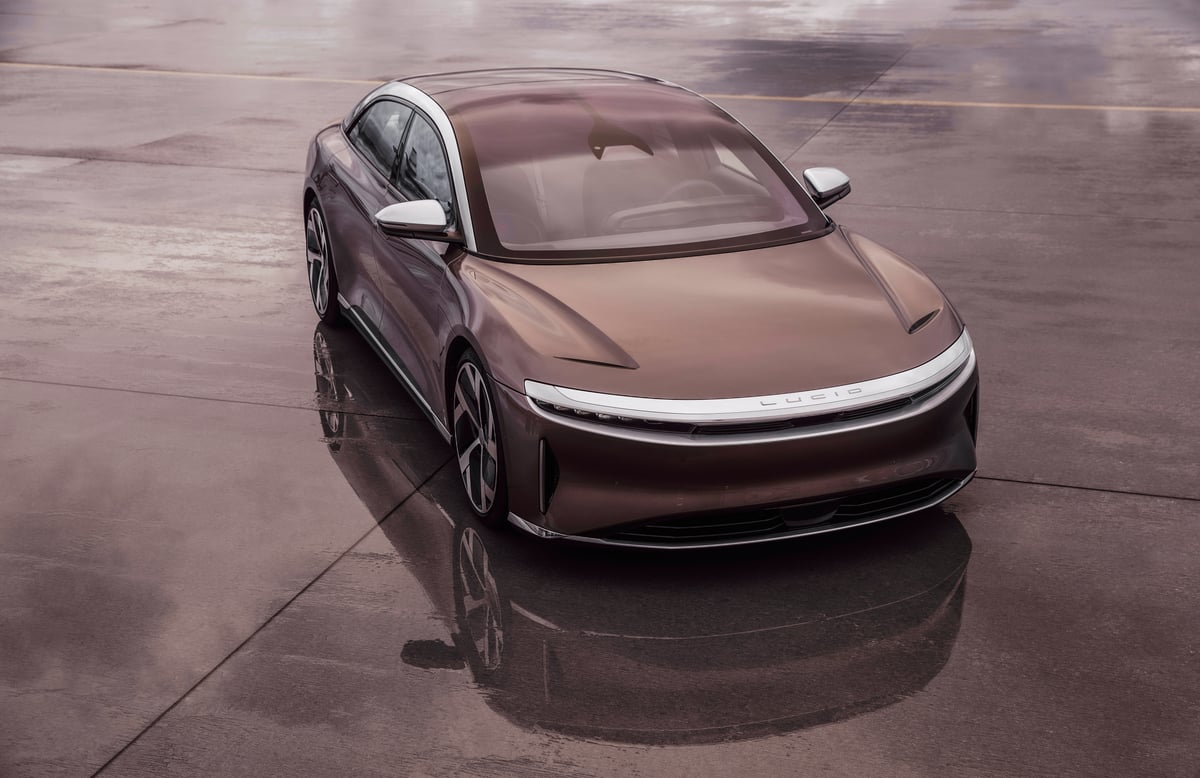
- Delivery Shortfall: Lucid delivered only 4,369 vehicles in 2022, significantly below its pre-merger promise of 20,000, indicating major challenges in production capacity and market demand that could undermine investor confidence.
- Risk of Saudi Dependence: With the Saudi Public Investment Fund owning over 60% of Lucid's shares and placing a 100,000 vehicle order in 2022, recent Iranian attacks on Saudi Arabia pose significant risks to Lucid's production plans, increasing operational uncertainty.
- Future Production Outlook: Although Lucid expects to produce 25,000 to 27,000 vehicles in 2026, an increase from 15,841 in 2025, this still pales in comparison to Tesla's 22,477 deliveries in 2013, highlighting its insufficient market competitiveness.
- Valuation and Profitability: With an enterprise value of $5.2 billion and a price-to-sales ratio of 2.3 times this year's sales, Lucid's stock will likely continue trading at a discount unless it can reduce losses and scale up production, limiting potential returns for investors.
Lucid Electric Vehicles Faces Production Challenges
- Production Challenges: Lucid delivered only 4,369 vehicles in 2022, significantly below its target of 20,000, with 6,001 in 2023 and 10,241 in 2024, although deliveries rose by 55% to 15,841 in 2025, it still lags behind Tesla's 22,477 vehicles delivered in 2013, indicating ongoing struggles in scaling production.
- Heavy Reliance on Saudi Investment: The Saudi Public Investment Fund owns over 60% of Lucid's shares and placed a 10-year order for 100,000 vehicles in 2022; however, recent Iranian drone strikes on Saudi Arabia could severely impact future production plans, despite funding for the AMP-2 plant expansion in 2023.
- Low Market Valuation: With an enterprise value of $5.2 billion, Lucid appears cheap at 2.3 times this year's sales, but unless it successfully scales production, narrows losses, and reduces dependence on Saudi investors, its stock will likely remain at a steep discount, reflecting market skepticism about its future.
- Executive Changes Impact: The resignation of founder Peter Rawlinson in 2025 marks a significant leadership change that could affect Lucid's strategic direction and execution, especially after the delay of the Gravity SUV launch to late 2024, potentially further eroding investor confidence in its future.
Lucid Group Faces Profitability Challenges Amid Delivery Growth

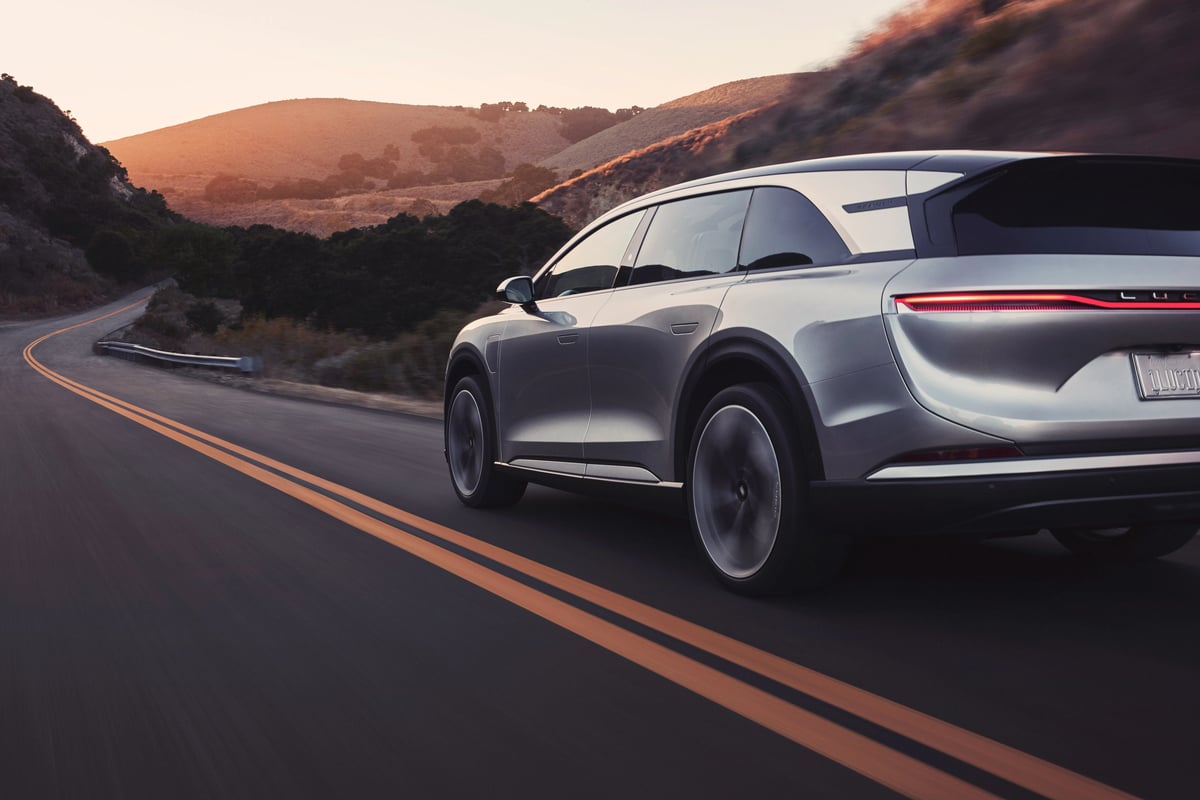
- Delivery Growth: Lucid Group has achieved eight consecutive quarters of record vehicle deliveries, and is expected to maintain this momentum throughout 2026; however, its stock has plummeted nearly 90% since its IPO, indicating significant progress in delivery volume but a pressing need to improve profitability to attract investors.
- Cost Optimization: Lucid achieved approximately a 25% improvement in bill of materials costs for the Gravity model, successfully navigating supply chain challenges and optimizing production processes, which significantly lowers manufacturing costs and is crucial for enhancing future profitability.
- Quality Improvement: Over the past three years, Lucid has reduced warranty costs for the Air sedan by 85% while improving vehicle quality and defect rates, which not only boosts consumer confidence but also lays a solid foundation for future sales growth.
- Comparison with Rivian: While Rivian still outsells Lucid in total delivery volume, it experienced declines of 14.5% in production and 18% in deliveries in 2024, indicating that Lucid's performance in delivery growth is stronger, yet it still needs to catch up in unit economics and gross margin improvement.
Lucid Group Continues to Set Delivery Records
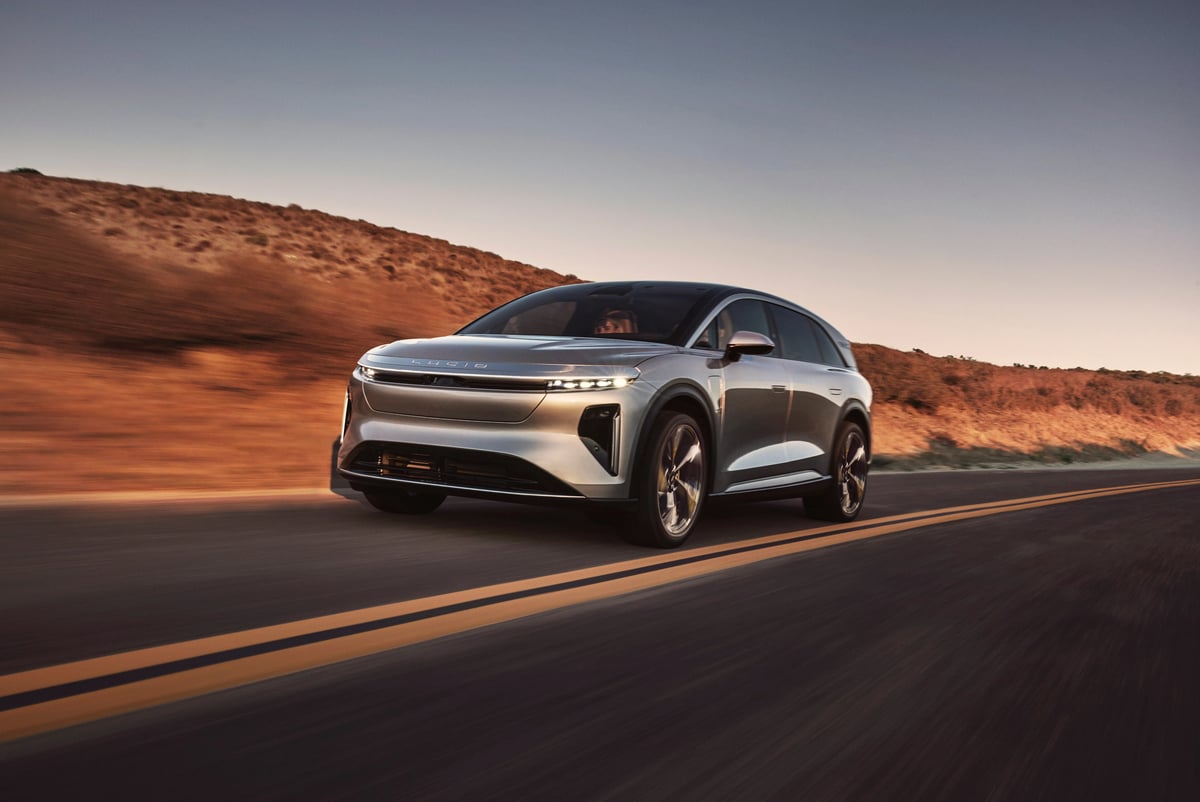
- Strong Delivery Momentum: Lucid Group has recorded eight consecutive quarters of delivery records, indicating a significant enhancement in its production and delivery capabilities, and this momentum is expected to continue, particularly as Gravity production has just begun.
- Increased Market Opportunities: With Tesla discontinuing the Model S and X in Q2, Lucid has seen a notable uptick in consumer trade-ins, which is likely to further drive delivery growth, positioning Lucid as a preferred brand in the luxury EV market.
- Competitive Pressure Intensifies: Despite Lucid's 55% delivery increase in 2025, its 15,841 vehicles delivered fall short compared to Rivian's 42,247, highlighting challenges in scale and profitability that need to be addressed for future growth.
- Profitability Needs Improvement: While Lucid excels in deliveries, failure to achieve consistent gross profit improvements may disappoint investors, especially as Rivian has already achieved its first full-year positive gross profit, emphasizing the urgency for Lucid to enhance its margins.

Iran Conflict Boosts Electric Vehicle Demand

- Oil Price Surge: The war in Iran has led to soaring oil prices, significantly enhancing the value proposition of electric vehicles (EVs), with expectations of a short-term boost in EV demand that could evolve into a long-term growth cycle if the conflict escalates.
- Rivian Valuation Drop: Rivian's market cap has plummeted from $100 billion at its IPO to $18.5 billion, yet investor confidence in its growth potential is rising as market opportunities expand amidst fading competition.
- Lucid Revenue Growth: Lucid's fourth-quarter revenue surged 122% year-over-year to $522.7 million, driven by the popularity of its new Lucid Gravity SUV, although it still needs to introduce more affordable models to capture the mass market.
- Profitability Challenges: While both Rivian and Lucid are striving for profitability, Rivian's rapidly growing software and services segment, which accounted for 35% of its fourth-quarter revenue, may provide it with a clearer path to profitability compared to Lucid.
Google Introduces AI-Powered Features for Electric Vehicles, Offering Intelligent Battery Predictions and Charging Locations
Personalized Guidance for EV Drivers: Google has introduced a feature that allows drivers to input their vehicle details and current charge levels to receive tailored guidance, enhancing navigation for electric vehicle (EV) users across the U.S. and supporting over 15 automotive brands.
Integration of Advanced Battery Forecasting: The new system integrates advanced battery forecasting and charging recommendations directly into in-car navigation systems, aiming to make long-distance travel more predictable for EV drivers.
Real-Time Data Utilization: The feature leverages real-time conditions and vehicle-specific data to provide updated arrival estimates and charging locations, addressing common concerns about battery range during longer journeys.
Expansion of EV Navigation Tools: This update is part of a broader trend among automakers to enhance EV offerings, with Google’s navigation tools expected to support more than 350 electric vehicle models, improving trip planning accuracy compared to traditional navigation systems.
Lucid Struggles with Growth Amid Challenges
- Delivery Shortfall: Lucid delivered only 4,369 vehicles in 2022, significantly below its pre-merger promise of 20,000, indicating major challenges in production capacity and market demand that could undermine investor confidence.
- Risk of Saudi Dependence: With the Saudi Public Investment Fund owning over 60% of Lucid's shares and placing a 100,000 vehicle order in 2022, recent Iranian attacks on Saudi Arabia pose significant risks to Lucid's production plans, increasing operational uncertainty.
- Future Production Outlook: Although Lucid expects to produce 25,000 to 27,000 vehicles in 2026, an increase from 15,841 in 2025, this still pales in comparison to Tesla's 22,477 deliveries in 2013, highlighting its insufficient market competitiveness.
- Valuation and Profitability: With an enterprise value of $5.2 billion and a price-to-sales ratio of 2.3 times this year's sales, Lucid's stock will likely continue trading at a discount unless it can reduce losses and scale up production, limiting potential returns for investors.
Lucid Electric Vehicles Faces Production Challenges
- Production Challenges: Lucid delivered only 4,369 vehicles in 2022, significantly below its target of 20,000, with 6,001 in 2023 and 10,241 in 2024, although deliveries rose by 55% to 15,841 in 2025, it still lags behind Tesla's 22,477 vehicles delivered in 2013, indicating ongoing struggles in scaling production.
- Heavy Reliance on Saudi Investment: The Saudi Public Investment Fund owns over 60% of Lucid's shares and placed a 10-year order for 100,000 vehicles in 2022; however, recent Iranian drone strikes on Saudi Arabia could severely impact future production plans, despite funding for the AMP-2 plant expansion in 2023.
- Low Market Valuation: With an enterprise value of $5.2 billion, Lucid appears cheap at 2.3 times this year's sales, but unless it successfully scales production, narrows losses, and reduces dependence on Saudi investors, its stock will likely remain at a steep discount, reflecting market skepticism about its future.
- Executive Changes Impact: The resignation of founder Peter Rawlinson in 2025 marks a significant leadership change that could affect Lucid's strategic direction and execution, especially after the delay of the Gravity SUV launch to late 2024, potentially further eroding investor confidence in its future.
Lucid Group Faces Profitability Challenges Amid Delivery Growth
- Delivery Growth: Lucid Group has achieved eight consecutive quarters of record vehicle deliveries, and is expected to maintain this momentum throughout 2026; however, its stock has plummeted nearly 90% since its IPO, indicating significant progress in delivery volume but a pressing need to improve profitability to attract investors.
- Cost Optimization: Lucid achieved approximately a 25% improvement in bill of materials costs for the Gravity model, successfully navigating supply chain challenges and optimizing production processes, which significantly lowers manufacturing costs and is crucial for enhancing future profitability.
- Quality Improvement: Over the past three years, Lucid has reduced warranty costs for the Air sedan by 85% while improving vehicle quality and defect rates, which not only boosts consumer confidence but also lays a solid foundation for future sales growth.
- Comparison with Rivian: While Rivian still outsells Lucid in total delivery volume, it experienced declines of 14.5% in production and 18% in deliveries in 2024, indicating that Lucid's performance in delivery growth is stronger, yet it still needs to catch up in unit economics and gross margin improvement.
Lucid Group Continues to Set Delivery Records
- Strong Delivery Momentum: Lucid Group has recorded eight consecutive quarters of delivery records, indicating a significant enhancement in its production and delivery capabilities, and this momentum is expected to continue, particularly as Gravity production has just begun.
- Increased Market Opportunities: With Tesla discontinuing the Model S and X in Q2, Lucid has seen a notable uptick in consumer trade-ins, which is likely to further drive delivery growth, positioning Lucid as a preferred brand in the luxury EV market.
- Competitive Pressure Intensifies: Despite Lucid's 55% delivery increase in 2025, its 15,841 vehicles delivered fall short compared to Rivian's 42,247, highlighting challenges in scale and profitability that need to be addressed for future growth.
- Profitability Needs Improvement: While Lucid excels in deliveries, failure to achieve consistent gross profit improvements may disappoint investors, especially as Rivian has already achieved its first full-year positive gross profit, emphasizing the urgency for Lucid to enhance its margins.
Iran Conflict Boosts Electric Vehicle Demand
- Oil Price Surge: The war in Iran has led to soaring oil prices, significantly enhancing the value proposition of electric vehicles (EVs), with expectations of a short-term boost in EV demand that could evolve into a long-term growth cycle if the conflict escalates.
- Rivian Valuation Drop: Rivian's market cap has plummeted from $100 billion at its IPO to $18.5 billion, yet investor confidence in its growth potential is rising as market opportunities expand amidst fading competition.
- Lucid Revenue Growth: Lucid's fourth-quarter revenue surged 122% year-over-year to $522.7 million, driven by the popularity of its new Lucid Gravity SUV, although it still needs to introduce more affordable models to capture the mass market.
- Profitability Challenges: While both Rivian and Lucid are striving for profitability, Rivian's rapidly growing software and services segment, which accounted for 35% of its fourth-quarter revenue, may provide it with a clearer path to profitability compared to Lucid.