L'Oreal and Others Sue for Tariff Refunds Following Supreme Court Ruling
Written by Emily J. Thompson, Senior Investment Analyst
Updated: Feb 24 2026
0mins

Should l Buy FDX?
Source: Newsfilter
- Tariff Lawsuit Surge: Following the U.S. Supreme Court's ruling that deemed Trump's tariff measures unlawful, L'Oreal, Dyson, and Bausch + Lomb filed lawsuits in the U.S. Court of International Trade on Monday, seeking refunds of tariffs paid, indicating corporate dissatisfaction and pushback against tariff policies.
- Potential Refund Amounts: Economists from the Penn Wharton Budget Model estimate that up to $175 billion in tariff collections could be subject to refunds, reflecting the significant financial implications this ruling may have for numerous companies.
- Scope of Litigation: Over 1,400 importers, including major retailers like Costco and tire manufacturer Goodyear, have already filed lawsuits, suggesting that this legal action could trigger a broader industry response as companies aim to recover billions in duties through the courts.
- L'Oreal's Claims: L'Oreal's case was filed by its Travel Retail Americas division, which sells beauty products in duty-free and travel-related shops; while the company did not disclose the specific refund amount sought, its role as an importer positions it significantly in this legal battle, potentially influencing future tariff policies and market conditions.
Trade with 70% Backtested Accuracy
Stop guessing "Should I Buy FDX?" and start using high-conviction signals backed by rigorous historical data.
Sign up today to access powerful investing tools and make smarter, data-driven decisions.
Analyst Views on FDX
Wall Street analysts forecast FDX stock price to fall
20 Analyst Rating
13 Buy
6 Hold
1 Sell
Moderate Buy
Current: 392.380

Low
210.00
Averages
315.05
High
365.00
Current: 392.380
Low
210.00
Averages
315.05
High
365.00
About FDX
FedEx Corporation provides customers and businesses with a portfolio of transportation, e-commerce, and business services. The Company offers integrated business solutions utilizing its flexible and efficient global network. Its segments include Federal Express, FedEx Freight, and Corporate, other, and eliminations. Federal Express segment includes express transportation, small-package ground delivery, and freight transportation, and it also operates combined sales, marketing, administrative, and information-technology functions in shared service operations for United States customers. FedEx Freight segment includes FedEx Freight (LTL freight transportation) and FedEx Custom Critical (time-critical transportation). Corporate, other, and elimination segments include FedEx Dataworks, Inc. (FedEx Dataworks), FedEx Office and Print Services, Inc. (FedEx Office), and FedEx Logistics, Inc. (FedEx Logistics). FedEx Logistics offers customs brokerage, specialty transportation, and others.
About the author

Emily J. Thompson
Emily J. Thompson, a Chartered Financial Analyst (CFA) with 12 years in investment research, graduated with honors from the Wharton School. Specializing in industrial and technology stocks, she provides in-depth analysis for Intellectia’s earnings and market brief reports.

Costco and FedEx Face Legal Pressure Over Tariff Refunds

- Increase in Legal Suits: With the U.S. Supreme Court striking down a batch of tariffs, billions in tariff refunds are set to flow back to U.S. businesses, leading to legal pressure on Costco and FedEx as consumers argue they should share in these refunds, highlighting market concerns over corporate pricing strategies.
- Refund Application Process: Despite the substantial refund amounts, companies must file claims through a new government system, which has just begun, potentially taking months to process and impacting companies' cash flow and short-term financial performance.
- Strategic Differences Between Costco and FedEx: FedEx has stated it will directly return tariff refunds to customers, while Costco opts for a strategy of lowering prices and enhancing value over time, indicating a divergence that could affect brand perception and competitive positioning in the market.
- Consumer Impact: As businesses may have absorbed some tariff costs or passed them on through higher prices, the question of refund allocation has sparked widespread discussion, likely leading to more lawsuits in the future, which could influence corporate operational strategies and market dynamics.
See More
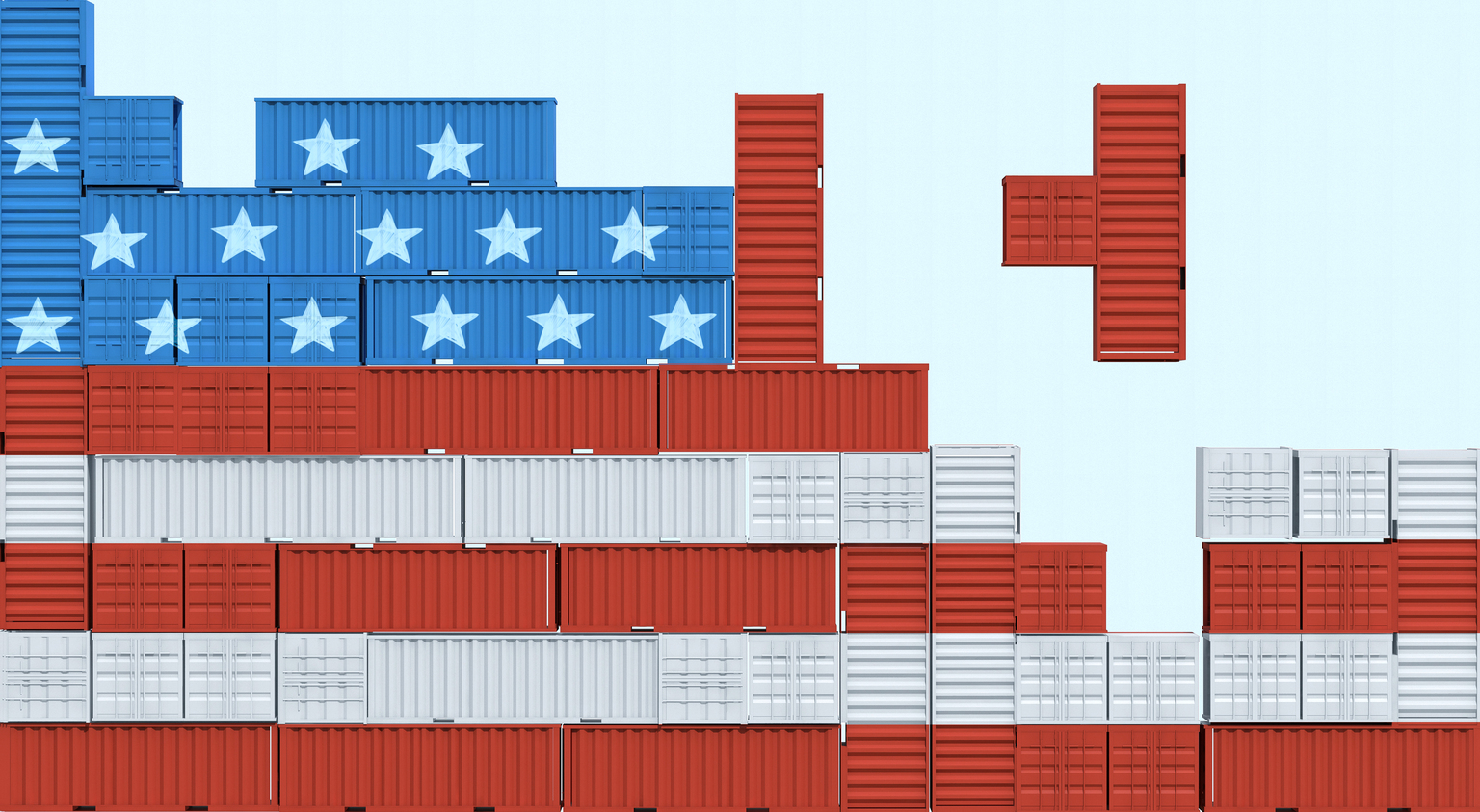
US Supreme Court Strikes Down IEEPA Tariffs, Billions in Refunds Expected
- Refund System Launch: The US Supreme Court's February decision to strike down Trump's IEEPA tariffs is expected to lead to refunds of up to $166-$175 billion for approximately 330,000 importers, requiring businesses to apply through the new CAPE system, indicating government support for importers.
- Simplified Application Process: The CAPE system will process claims via the ACE Portal of U.S. Customs and Border Protection, with Phase 1 focusing on straightforward cases, and refunds expected to be issued electronically within 60 to 90 days, enhancing liquidity for businesses.
- Ongoing Trade Dispute: The Trump administration is seeking to reinstate IEEPA tariffs under different legal frameworks, leveraging Sections 122 and 301 of the Trade Act of 1974 and Section 232 of the Trade Expansion Act of 1962 to increase negotiation leverage, highlighting ongoing trade policy uncertainty.
- Consumer Impact: While some businesses absorbed tariff costs, consumers have no refund mechanism, leading to class action lawsuits against companies like Costco and FedEx; FedEx plans to return refunds to customers, while Costco aims to provide value through lower prices, reflecting differing corporate strategies in response to tariff refunds.
See More
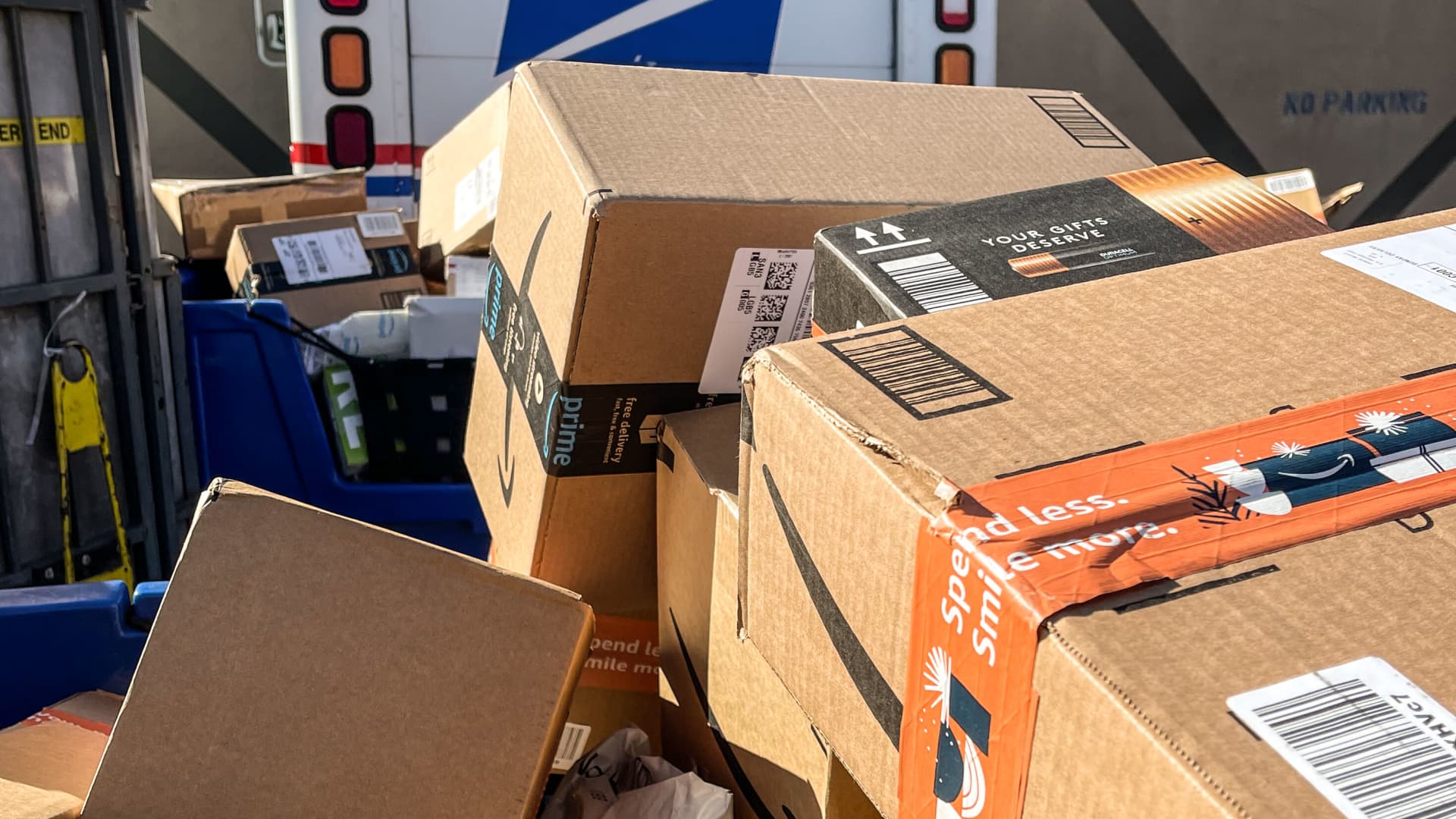
Impact Analysis of Amazon's Deal with USPS

- Rising Shipping Costs: Amazon's plan to cut approximately 20% of packages shipped through USPS, equating to about 200 million packages annually, will lead to higher shipping costs as USPS spreads its fixed costs over fewer packages, particularly impacting rural areas.
- Declining Service Reliability: With Amazon reducing its package volume, USPS may need to raise rates for other customers or cut service levels, resulting in higher shipping costs and unreliable delivery services for rural and small businesses, thus affecting their market competitiveness.
- Unequal E-commerce Experience: According to ShipMatrix data, on-time delivery rates in rural areas are 5% to 7% lower than in urban markets, indicating that if the agreement takes effect, rural consumers will experience worsened e-commerce delivery times and service quality.
- Significant Impact on Small Businesses: Small businesses, which rely on USPS for low-cost shipping, may pass on rising shipping costs through higher prices or delivery fees, putting them at a competitive disadvantage, especially as over 60% of sales on Amazon come from third-party sellers.
See More

Dividend Investors' Safe Strategies Amid Market Challenges


- REIT Performance: Realty Income owns approximately 15,500 single-tenant net-leased properties, with nearly 99% leased, ensuring a steady revenue stream, and has paid monthly dividends since 1994, with an annual payout of about $3.25 per share, yielding 5%, significantly above the S&P 500's 1.1% average.
- Coca-Cola's Transformation: PepsiCo, known as a 'Dividend King' for raising dividends for 54 consecutive years, currently pays a dividend of $5.69 per share with a yield of about 3.6%, and despite health-conscious trends, net revenue grew by 2% in 2025 and nearly 9% in Q1 2026, demonstrating resilience in adversity.
- Brand Integration Challenges: J.M. Smucker, with its portfolio of well-known brands, faces integration challenges from the Hostess Cakes acquisition, with sales not meeting expectations; however, its dividend has increased for 24 straight years, currently at $4.40 per share with a yield of 4.7%, and free cash flow easily covered $348 million in dividend costs for the first three quarters.
- Market Volatility Impact: Although J.M. Smucker's stock has declined over 40% since 2023, its P/E ratio has fallen to 22, still providing a solid investment opportunity for income-seeking investors, indicating the company's strong capability to maintain high-yield dividends.
See More

Realty Income Maintains Steady Dividend Growth
- Consistent Dividend History: Realty Income has paid monthly dividends since 1994, with an annual payout of nearly $3.25 per share and a yield of 5%, significantly above the S&P 500's 1.1%, demonstrating its stability and attractiveness in uncertain markets.
- Strong Cash Flow Support: The company generates $4.25 per share in funds from operations, covering dividend expenses and maintaining a price-to-earnings ratio of 15, indicating that investors can purchase a high-yield stock at a relatively low price, enhancing its appeal.
- Sustainable Growth Potential: Despite market challenges, PepsiCo maintains a 54-year dividend growth streak, with a current payout of $5.69 per share yielding 3.6%, showcasing its resilience underpinned by a diversified product portfolio and stable cash flow.
- Attractive Discount Pricing: J.M. Smucker offers a $4.40 per share dividend with a yield of 4.7%, and despite facing sales pressures, its $672 million in free cash flow easily covers $348 million in dividend expenses, indicating its ongoing capacity for high-yield dividends.
See More
S&P 500 Hits Record High as Oil Prices Plunge

- Strong Market Performance: The S&P 500 reached a new record high on Friday after Iran announced the Strait of Hormuz was 'completely open,' indicating a significant improvement in market sentiment, while oil prices fell over 10%, with WTI crude dropping to the low $80s, reflecting investor optimism about future economic recovery.
- Interest Rate Expectations Shift: The market is beginning to price in a 25-basis-point cut in December, indicating a reduction in investor concerns about economic slowdown, and the anticipated decline in rates is expected to further stimulate consumption and investment, driving stock market gains.
- Arm Holdings Strategic Shift: Arm recently unveiled its first in-house data center CPU, the AGI CPU, marking a significant transition from solely licensing to designing and selling its own chips, with projections of generating $25 billion in revenue by FY2031, $15 billion of which will come from these in-house chips, showcasing its ambitions in the semiconductor market.
- FedEx Spin-Off Plan: FedEx plans to spin off FedEx Freight on June 1, aiming to enhance the value of both companies through sharper strategic focus, with FedEx Freight being the largest LTL carrier in North America, and a medium-term revenue growth outlook of 4% to 6% expected to further strengthen its market competitiveness.
See More
Costco and FedEx Face Legal Pressure Over Tariff Refunds
- Increase in Legal Suits: With the U.S. Supreme Court striking down a batch of tariffs, billions in tariff refunds are set to flow back to U.S. businesses, leading to legal pressure on Costco and FedEx as consumers argue they should share in these refunds, highlighting market concerns over corporate pricing strategies.
- Refund Application Process: Despite the substantial refund amounts, companies must file claims through a new government system, which has just begun, potentially taking months to process and impacting companies' cash flow and short-term financial performance.
- Strategic Differences Between Costco and FedEx: FedEx has stated it will directly return tariff refunds to customers, while Costco opts for a strategy of lowering prices and enhancing value over time, indicating a divergence that could affect brand perception and competitive positioning in the market.
- Consumer Impact: As businesses may have absorbed some tariff costs or passed them on through higher prices, the question of refund allocation has sparked widespread discussion, likely leading to more lawsuits in the future, which could influence corporate operational strategies and market dynamics.
See More
US Supreme Court Strikes Down IEEPA Tariffs, Billions in Refunds Expected
- Refund System Launch: The US Supreme Court's February decision to strike down Trump's IEEPA tariffs is expected to lead to refunds of up to $166-$175 billion for approximately 330,000 importers, requiring businesses to apply through the new CAPE system, indicating government support for importers.
- Simplified Application Process: The CAPE system will process claims via the ACE Portal of U.S. Customs and Border Protection, with Phase 1 focusing on straightforward cases, and refunds expected to be issued electronically within 60 to 90 days, enhancing liquidity for businesses.
- Ongoing Trade Dispute: The Trump administration is seeking to reinstate IEEPA tariffs under different legal frameworks, leveraging Sections 122 and 301 of the Trade Act of 1974 and Section 232 of the Trade Expansion Act of 1962 to increase negotiation leverage, highlighting ongoing trade policy uncertainty.
- Consumer Impact: While some businesses absorbed tariff costs, consumers have no refund mechanism, leading to class action lawsuits against companies like Costco and FedEx; FedEx plans to return refunds to customers, while Costco aims to provide value through lower prices, reflecting differing corporate strategies in response to tariff refunds.
See More
Impact Analysis of Amazon's Deal with USPS
- Rising Shipping Costs: Amazon's plan to cut approximately 20% of packages shipped through USPS, equating to about 200 million packages annually, will lead to higher shipping costs as USPS spreads its fixed costs over fewer packages, particularly impacting rural areas.
- Declining Service Reliability: With Amazon reducing its package volume, USPS may need to raise rates for other customers or cut service levels, resulting in higher shipping costs and unreliable delivery services for rural and small businesses, thus affecting their market competitiveness.
- Unequal E-commerce Experience: According to ShipMatrix data, on-time delivery rates in rural areas are 5% to 7% lower than in urban markets, indicating that if the agreement takes effect, rural consumers will experience worsened e-commerce delivery times and service quality.
- Significant Impact on Small Businesses: Small businesses, which rely on USPS for low-cost shipping, may pass on rising shipping costs through higher prices or delivery fees, putting them at a competitive disadvantage, especially as over 60% of sales on Amazon come from third-party sellers.
See More
Dividend Investors' Safe Strategies Amid Market Challenges
- REIT Performance: Realty Income owns approximately 15,500 single-tenant net-leased properties, with nearly 99% leased, ensuring a steady revenue stream, and has paid monthly dividends since 1994, with an annual payout of about $3.25 per share, yielding 5%, significantly above the S&P 500's 1.1% average.
- Coca-Cola's Transformation: PepsiCo, known as a 'Dividend King' for raising dividends for 54 consecutive years, currently pays a dividend of $5.69 per share with a yield of about 3.6%, and despite health-conscious trends, net revenue grew by 2% in 2025 and nearly 9% in Q1 2026, demonstrating resilience in adversity.
- Brand Integration Challenges: J.M. Smucker, with its portfolio of well-known brands, faces integration challenges from the Hostess Cakes acquisition, with sales not meeting expectations; however, its dividend has increased for 24 straight years, currently at $4.40 per share with a yield of 4.7%, and free cash flow easily covered $348 million in dividend costs for the first three quarters.
- Market Volatility Impact: Although J.M. Smucker's stock has declined over 40% since 2023, its P/E ratio has fallen to 22, still providing a solid investment opportunity for income-seeking investors, indicating the company's strong capability to maintain high-yield dividends.
See More
Realty Income Maintains Steady Dividend Growth
- Consistent Dividend History: Realty Income has paid monthly dividends since 1994, with an annual payout of nearly $3.25 per share and a yield of 5%, significantly above the S&P 500's 1.1%, demonstrating its stability and attractiveness in uncertain markets.
- Strong Cash Flow Support: The company generates $4.25 per share in funds from operations, covering dividend expenses and maintaining a price-to-earnings ratio of 15, indicating that investors can purchase a high-yield stock at a relatively low price, enhancing its appeal.
- Sustainable Growth Potential: Despite market challenges, PepsiCo maintains a 54-year dividend growth streak, with a current payout of $5.69 per share yielding 3.6%, showcasing its resilience underpinned by a diversified product portfolio and stable cash flow.
- Attractive Discount Pricing: J.M. Smucker offers a $4.40 per share dividend with a yield of 4.7%, and despite facing sales pressures, its $672 million in free cash flow easily covers $348 million in dividend expenses, indicating its ongoing capacity for high-yield dividends.
See More
S&P 500 Hits Record High as Oil Prices Plunge
- Strong Market Performance: The S&P 500 reached a new record high on Friday after Iran announced the Strait of Hormuz was 'completely open,' indicating a significant improvement in market sentiment, while oil prices fell over 10%, with WTI crude dropping to the low $80s, reflecting investor optimism about future economic recovery.
- Interest Rate Expectations Shift: The market is beginning to price in a 25-basis-point cut in December, indicating a reduction in investor concerns about economic slowdown, and the anticipated decline in rates is expected to further stimulate consumption and investment, driving stock market gains.
- Arm Holdings Strategic Shift: Arm recently unveiled its first in-house data center CPU, the AGI CPU, marking a significant transition from solely licensing to designing and selling its own chips, with projections of generating $25 billion in revenue by FY2031, $15 billion of which will come from these in-house chips, showcasing its ambitions in the semiconductor market.
- FedEx Spin-Off Plan: FedEx plans to spin off FedEx Freight on June 1, aiming to enhance the value of both companies through sharper strategic focus, with FedEx Freight being the largest LTL carrier in North America, and a medium-term revenue growth outlook of 4% to 6% expected to further strengthen its market competitiveness.
See More