Lockheed Martin's Backlog Soars Amid Defense Budget Boost
Written by Emily J. Thompson, Senior Investment Analyst
Updated: 3 days ago
0mins
Should l Buy LMT?
Source: NASDAQ.COM
- Order Growth Outlook: Lockheed Martin's backlog continues to soar, driven by the Department of Defense's new strategic approach, which is expected to enhance the company's revenue growth prospects, particularly with the $1.5 trillion budget request for 2027 providing robust support.
- Long-Term Contract Benefits: The landmark seven-year framework agreement with the Department of Defense, especially for PAC-3 MSE interceptors, encourages Lockheed Martin to invest more, thereby ensuring stable revenue and enhancing its competitive position in the market.
- Margin Challenges: Despite the increase in defense spending, Lockheed Martin faces challenges in improving profit margins, primarily due to complex fixed-price development programs that have led to multibillion-dollar losses, potentially impacting its long-term financial performance.
- Strategic Double-Edged Sword: While the increase in defense budgets and the new Acquisition Transformation Strategy (ATS) present opportunities for the company, they also impose greater accountability on contract performance, necessitating investors to closely monitor changes in profit margins.
Trade with 70% Backtested Accuracy
Stop guessing "Should I Buy LMT?" and start using high-conviction signals backed by rigorous historical data.
Sign up today to access powerful investing tools and make smarter, data-driven decisions.
Analyst Views on LMT
Wall Street analysts forecast LMT stock price to fall
12 Analyst Rating
4 Buy
7 Hold
1 Sell
Hold
Current: 607.490

Low
430.00
Averages
535.50
High
605.00
Current: 607.490
Low
430.00
Averages
535.50
High
605.00
About LMT
Lockheed Martin Corporation is a global aerospace and defense company. The Company is engaged in the research, design, development, manufacture, integration and sustainment of advanced technology systems, products and services. Its segments include Aeronautics, Missiles and Fire Control (MFC), Rotary and Mission Systems (RMS) and Space. Aeronautics segment is engaged in the research, design, development, manufacture, integration, sustainment, support and upgrade of advanced military aircraft. MFC segment provides air and missile defense systems, manned and unmanned ground vehicles, energy management solutions, and others. RMS segment designs, manufactures, services and supports various military and commercial helicopters, surface ships, sea and land-based missile defense systems, and others. Its Space segment is engaged in the research and design, development, engineering and production of satellites, space transportation systems, and strategic, advanced strike, and defensive systems.
About the author

Emily J. Thompson
Emily J. Thompson, a Chartered Financial Analyst (CFA) with 12 years in investment research, graduated with honors from the Wharton School. Specializing in industrial and technology stocks, she provides in-depth analysis for Intellectia’s earnings and market brief reports.
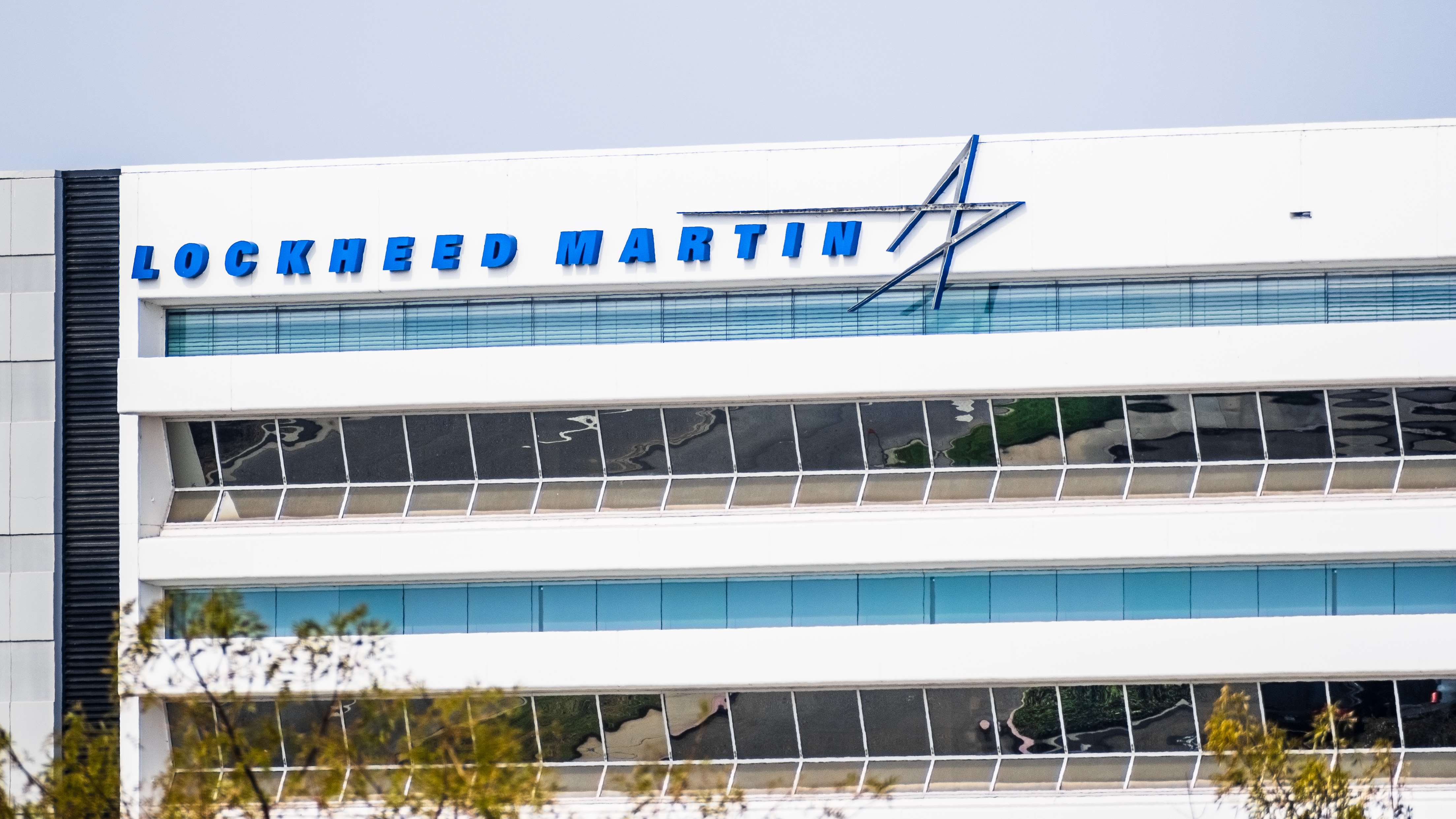
Lockheed Martin Secures $101.6M Contract Modification for Support Services

- Contract Value: Lockheed Martin has secured a $101.6 million contract modification primarily for contractor field service representatives support, maintenance, technical manuals, and testing work, indicating ongoing demand in the defense sector.
- Project Location and Timeline: The work will be performed in Moorestown, New Jersey, with an estimated completion date of April 30, 2029, highlighting the company's stability and prospects in long-term contracts.
- Funding Source: Approximately $7.1 million of the contract is allocated from FY26 Army R&D funds, reflecting the government's emphasis on defense technology investment and Lockheed Martin's pivotal role in this area.
- Stock Performance: Lockheed Martin's stock closed near $592.19, demonstrating market recognition of its contract profitability while suggesting investor confidence in the company's future growth.
See More

US Defense Budget Surge Drives ETF Returns

- Defense Budget Surge: Trump's fiscal 2027 budget request of $1.5 trillion represents a roughly 40% year-over-year increase, providing strong structural support for the SPDR S&P Aerospace & Defense ETF (XAR), which is expected to drive earnings growth in related stocks.
- Strong ETF Performance: Over the past year, XAR has delivered nearly a 66% return, rising from around $159 to over $270, indicating sustained investor confidence in the defense sector amid current geopolitical tensions.
- Single Sector Risk: XAR allocates nearly all assets to the defense industrial sector, lacking diversification into other industries, which exposes it to significant risks if defense budgets contract or procurement cycles slow, necessitating clear investor awareness of this risk.
- Amplified Volatility: The equal-weight strategy of XAR means smaller innovative firms are weighted the same as larger contractors, which can amplify volatility during risk-off periods, requiring investors to accept this volatility in exchange for potential high returns.
See More

Impact of US-Iran Conflict on Defense Stocks


- Surge in Defense Spending: The U.S. is spending $2 billion daily in and around Iran, totaling $88 billion after 44 days of conflict, which exceeds the annual revenues of RTX, GD, and Lockheed, indicating significant growth opportunities in the defense sector.
- Weak Defense Stock Performance: Despite ongoing conflict, major defense contractors like General Dynamics, Lockheed Martin, and RTX have not seen significant stock price increases, reflecting market expectations for a short-term peace that may dampen investor interest in defense stocks in the near term.
- Textron Investment Opportunity: Textron's stock is trading close to 1x sales, and as a manufacturer of various military and civilian products, its V-22 Osprey tiltrotor aircraft may see increased usage in the conflict, highlighting its potential in the defense sector.
- Naval Shipbuilding Expansion: Leidos and Huntington Ingalls, as key military contractors, have competitive advantages in unmanned vessels and nuclear submarines, respectively, and are expected to benefit from the U.S. Navy's fleet expansion, showcasing significant long-term growth potential.
See More

Defense Stocks Decline Amid Iran Conflict
- Defense Stock Performance: Major defense stocks like General Dynamics (GD), Lockheed Martin (LMT), and RTX have seen declines over the past six weeks despite ongoing U.S.-Iran conflict, indicating weakened investor confidence amid expectations of a short-lived war and imminent peace.
- Massive Spending Impact: Economists from Harvard Kennedy School report that the U.S. is spending $2 billion daily in and around Iran, totaling $88 billion over 44 days, which exceeds RTX's annual revenue, highlighting the potential long-term implications of the conflict on the defense sector.
- Investment Opportunities: Despite the overall poor performance of defense stocks, investors are advised to consider buying during this downturn, with Textron (TXT) trading at 1.06 times sales, indicating its potential in meeting future military demands, especially as tensions in the Gulf escalate.
- Optimistic Industry Outlook: Companies like Leidos (LDOS) and Huntington Ingalls (HII) show promising growth potential, with Leidos averaging 20% annual earnings growth over the past five years and Huntington expected to achieve a 15% long-term growth rate, suggesting a potential recovery for the defense industry ahead.
See More

Trump Issues Ultimatum on Iran Ceasefire Negotiations

- Ultimatum Issued: President Trump has warned that he may not extend the ceasefire with Iran if a final agreement is not reached by next Wednesday, indicating that the window for a diplomatic resolution is rapidly closing and military action may escalate.
- Military Threat Intensifies: Trump suggested a potential return to military action, stating, "Maybe I won’t extend it… and we’ll have to start dropping bombs again," which heightens market concerns regarding the Middle East situation and could impact global energy markets.
- Market Skepticism: Despite Trump's optimistic claims about a breakthrough, market analysts note that real-world shipping activity remains severely constrained, with many commercial vessels opting to turn away from the Strait of Hormuz, indicating skepticism about the safety of the route.
- Negotiation Stability Questioned: As the mid-week deadline approaches, the stability of negotiations between Trump and Iran is under scrutiny, with observers expressing concerns about the disconnect between the administration's optimistic rhetoric and the logistical realities on the ground, potentially leading to further volatility in global energy markets.
See More

Industrials Stocks Face Challenges and Opportunities

- Sector Performance Review: The industrial sector has gained 12% over the past six months due to a friendlier regulatory environment under the Trump administration, significantly outperforming the S&P 500's 5.4% return, indicating strong market optimism.
- MasTec Competitive Pressures: MasTec, with a market cap of $27.86 billion, faces severe challenges due to its low gross margin of 12.7% and a 5.8 percentage point decline in free cash flow margin, which restricts its responsiveness to market dynamics amid fierce supply chain competition.
- Lockheed Martin Growth Struggles: Lockheed Martin, valued at $140 billion, has only achieved a 2.8% annual sales growth over the past five years, significantly lagging its peers, with earnings per share declining by 2.6% annually, indicating weakening profitability; its current stock price is $606.55, reflecting a forward P/E of 20.5.
- TopBuild Demand Weakness: TopBuild, with a market cap of $10.92 billion, has seen muted 2% annual revenue growth over the last two years, with a gross margin of 29.8% indicating high production costs, and flat earnings per share that fall short of peer averages; its stock price is $388.11, with a forward P/E of 21.2.
See More
Lockheed Martin Secures $101.6M Contract Modification for Support Services
- Contract Value: Lockheed Martin has secured a $101.6 million contract modification primarily for contractor field service representatives support, maintenance, technical manuals, and testing work, indicating ongoing demand in the defense sector.
- Project Location and Timeline: The work will be performed in Moorestown, New Jersey, with an estimated completion date of April 30, 2029, highlighting the company's stability and prospects in long-term contracts.
- Funding Source: Approximately $7.1 million of the contract is allocated from FY26 Army R&D funds, reflecting the government's emphasis on defense technology investment and Lockheed Martin's pivotal role in this area.
- Stock Performance: Lockheed Martin's stock closed near $592.19, demonstrating market recognition of its contract profitability while suggesting investor confidence in the company's future growth.
See More
US Defense Budget Surge Drives ETF Returns
- Defense Budget Surge: Trump's fiscal 2027 budget request of $1.5 trillion represents a roughly 40% year-over-year increase, providing strong structural support for the SPDR S&P Aerospace & Defense ETF (XAR), which is expected to drive earnings growth in related stocks.
- Strong ETF Performance: Over the past year, XAR has delivered nearly a 66% return, rising from around $159 to over $270, indicating sustained investor confidence in the defense sector amid current geopolitical tensions.
- Single Sector Risk: XAR allocates nearly all assets to the defense industrial sector, lacking diversification into other industries, which exposes it to significant risks if defense budgets contract or procurement cycles slow, necessitating clear investor awareness of this risk.
- Amplified Volatility: The equal-weight strategy of XAR means smaller innovative firms are weighted the same as larger contractors, which can amplify volatility during risk-off periods, requiring investors to accept this volatility in exchange for potential high returns.
See More
Impact of US-Iran Conflict on Defense Stocks
- Surge in Defense Spending: The U.S. is spending $2 billion daily in and around Iran, totaling $88 billion after 44 days of conflict, which exceeds the annual revenues of RTX, GD, and Lockheed, indicating significant growth opportunities in the defense sector.
- Weak Defense Stock Performance: Despite ongoing conflict, major defense contractors like General Dynamics, Lockheed Martin, and RTX have not seen significant stock price increases, reflecting market expectations for a short-term peace that may dampen investor interest in defense stocks in the near term.
- Textron Investment Opportunity: Textron's stock is trading close to 1x sales, and as a manufacturer of various military and civilian products, its V-22 Osprey tiltrotor aircraft may see increased usage in the conflict, highlighting its potential in the defense sector.
- Naval Shipbuilding Expansion: Leidos and Huntington Ingalls, as key military contractors, have competitive advantages in unmanned vessels and nuclear submarines, respectively, and are expected to benefit from the U.S. Navy's fleet expansion, showcasing significant long-term growth potential.
See More
Defense Stocks Decline Amid Iran Conflict
- Defense Stock Performance: Major defense stocks like General Dynamics (GD), Lockheed Martin (LMT), and RTX have seen declines over the past six weeks despite ongoing U.S.-Iran conflict, indicating weakened investor confidence amid expectations of a short-lived war and imminent peace.
- Massive Spending Impact: Economists from Harvard Kennedy School report that the U.S. is spending $2 billion daily in and around Iran, totaling $88 billion over 44 days, which exceeds RTX's annual revenue, highlighting the potential long-term implications of the conflict on the defense sector.
- Investment Opportunities: Despite the overall poor performance of defense stocks, investors are advised to consider buying during this downturn, with Textron (TXT) trading at 1.06 times sales, indicating its potential in meeting future military demands, especially as tensions in the Gulf escalate.
- Optimistic Industry Outlook: Companies like Leidos (LDOS) and Huntington Ingalls (HII) show promising growth potential, with Leidos averaging 20% annual earnings growth over the past five years and Huntington expected to achieve a 15% long-term growth rate, suggesting a potential recovery for the defense industry ahead.
See More
Trump Issues Ultimatum on Iran Ceasefire Negotiations
- Ultimatum Issued: President Trump has warned that he may not extend the ceasefire with Iran if a final agreement is not reached by next Wednesday, indicating that the window for a diplomatic resolution is rapidly closing and military action may escalate.
- Military Threat Intensifies: Trump suggested a potential return to military action, stating, "Maybe I won’t extend it… and we’ll have to start dropping bombs again," which heightens market concerns regarding the Middle East situation and could impact global energy markets.
- Market Skepticism: Despite Trump's optimistic claims about a breakthrough, market analysts note that real-world shipping activity remains severely constrained, with many commercial vessels opting to turn away from the Strait of Hormuz, indicating skepticism about the safety of the route.
- Negotiation Stability Questioned: As the mid-week deadline approaches, the stability of negotiations between Trump and Iran is under scrutiny, with observers expressing concerns about the disconnect between the administration's optimistic rhetoric and the logistical realities on the ground, potentially leading to further volatility in global energy markets.
See More
Industrials Stocks Face Challenges and Opportunities
- Sector Performance Review: The industrial sector has gained 12% over the past six months due to a friendlier regulatory environment under the Trump administration, significantly outperforming the S&P 500's 5.4% return, indicating strong market optimism.
- MasTec Competitive Pressures: MasTec, with a market cap of $27.86 billion, faces severe challenges due to its low gross margin of 12.7% and a 5.8 percentage point decline in free cash flow margin, which restricts its responsiveness to market dynamics amid fierce supply chain competition.
- Lockheed Martin Growth Struggles: Lockheed Martin, valued at $140 billion, has only achieved a 2.8% annual sales growth over the past five years, significantly lagging its peers, with earnings per share declining by 2.6% annually, indicating weakening profitability; its current stock price is $606.55, reflecting a forward P/E of 20.5.
- TopBuild Demand Weakness: TopBuild, with a market cap of $10.92 billion, has seen muted 2% annual revenue growth over the last two years, with a gross margin of 29.8% indicating high production costs, and flat earnings per share that fall short of peer averages; its stock price is $388.11, with a forward P/E of 21.2.
See More