Investment Opportunities Amid Economic Recession


- Walmart's Resilience: Historically, Walmart has outperformed during major recessions, with a 21% stock increase in 2020, and now derives about 60% of its sales from groceries, enhancing its appeal during economic downturns and expected to continue attracting consumers.
- Netflix's Entertainment Edge: During recessions, Netflix's stock rose 12% in 2008 and 67% in 2020, and the introduction of lower-priced ad-supported tiers is likely to further boost its subscriber growth potential amid economic slowdowns.
- Philip Morris's Growth Potential: Despite facing volume declines in the U.S., Philip Morris shows strong international demand and rapid growth in its smoke-free products, particularly Zyn and Iqos, positioning it well for performance during a recession.
- Defensive Investment Strategy: In light of increasing economic uncertainty, companies like Walmart, Netflix, and Philip Morris demonstrate strong risk resilience, making them attractive candidates for defensive investment portfolios to navigate potential market volatility.
Trade with 70% Backtested Accuracy
Analyst Views on WMT

About WMT
About the author


Target Soars in 2026—Wall Street Might Be Poised to Take a Break


Target's Stock Performance: Target's stock has seen a significant rise of over 20% in 2026 as investor confidence grows in the retailer's turnaround plan under new CEO Michael Fiddelke, despite previous struggles following a sharp decline after the pandemic peak.
Challenges and Competition: The company has faced challenges from competitors like Walmart, which has gained market share, while Target's stock fell more than 50% during a rough period, highlighting the volatility and pressures from inflation and changing consumer behavior.
Future Growth Expectations: Target's recent earnings report showed mixed results, with earnings per share exceeding expectations but revenue declining slightly. The company anticipates modest sales growth of about 2% year-over-year and plans to invest over $5 billion in improvements across its business.
Analyst Sentiment: Following the earnings report, analysts have raised their price targets for Target's stock, indicating a cautious optimism about the company's potential for recovery, although many remain cautious and are waiting for clearer evidence of a successful turnaround strategy.

Walmart's Acquisition of Jet: A Strategic Game Changer

- Significant E-commerce Growth: Walmart's acquisition of Jet.com enabled it to expand its online assortment from 8 million to over 35 million items, with U.S. e-commerce growth reaching 29% in 2017 and soaring to 63% in Q1 2018, demonstrating its robust expansion in the e-commerce sector.
- Strategic Flipkart Acquisition: In 2018, Walmart acquired a 77% stake in India's largest e-commerce platform, Flipkart, for $16 billion; despite initial market skepticism, this investment laid the groundwork for Walmart's presence in India's rapidly growing e-commerce market, expected to see significant growth over the next decade.
- Rapid Advertising Business Growth: Walmart's advertising revenue reached $6.4 billion in 2025, growing 46% year-over-year, with advertising and membership income accounting for one-third of its operating profit in Q4, highlighting its potential in the high-margin advertising market.
- Intensifying Competition with Amazon: While Amazon's advertising revenue penetration is at 8% and Walmart's at 4%, Walmart's ad growth rate is more than double Amazon's, indicating a rapid acceleration in Walmart's advertising capabilities that could pose a significant threat to Amazon's dominance.

Walmart's Jet.com Acquisition: A Strategic Game Changer
- Accelerated E-commerce Growth: Following the acquisition of Jet.com, Walmart expanded its online assortment from 8 million to 35 million items, driving a 29% increase in U.S. e-commerce in 2017 and a remarkable 63% surge in Q1 2018, demonstrating the success of its e-commerce transformation strategy.
- Significant Impact of Flipkart Acquisition: Walmart's $16 billion acquisition of a 77% stake in Flipkart in 2018 faced initial market skepticism, yet Flipkart has now become a key driver of Walmart's international e-commerce growth, contributing to seven consecutive quarters of over 20% growth in global e-commerce revenue.
- Rapid Growth of Advertising Business: Walmart's advertising revenue reached $6.4 billion in 2025, growing 46% year-over-year, with Q4 advertising and membership income accounting for one-third of operating profit, indicating a significant enhancement in profitability in a traditionally low-margin sector.
- Intensifying Competition with Amazon: While Walmart's advertising revenue penetration stands at 4% compared to Amazon's 8%, the improvement in Walmart's e-commerce infrastructure suggests a narrowing competitive gap, positioning Walmart for substantial future growth potential.

Five Stocks Supporting the S&P 500

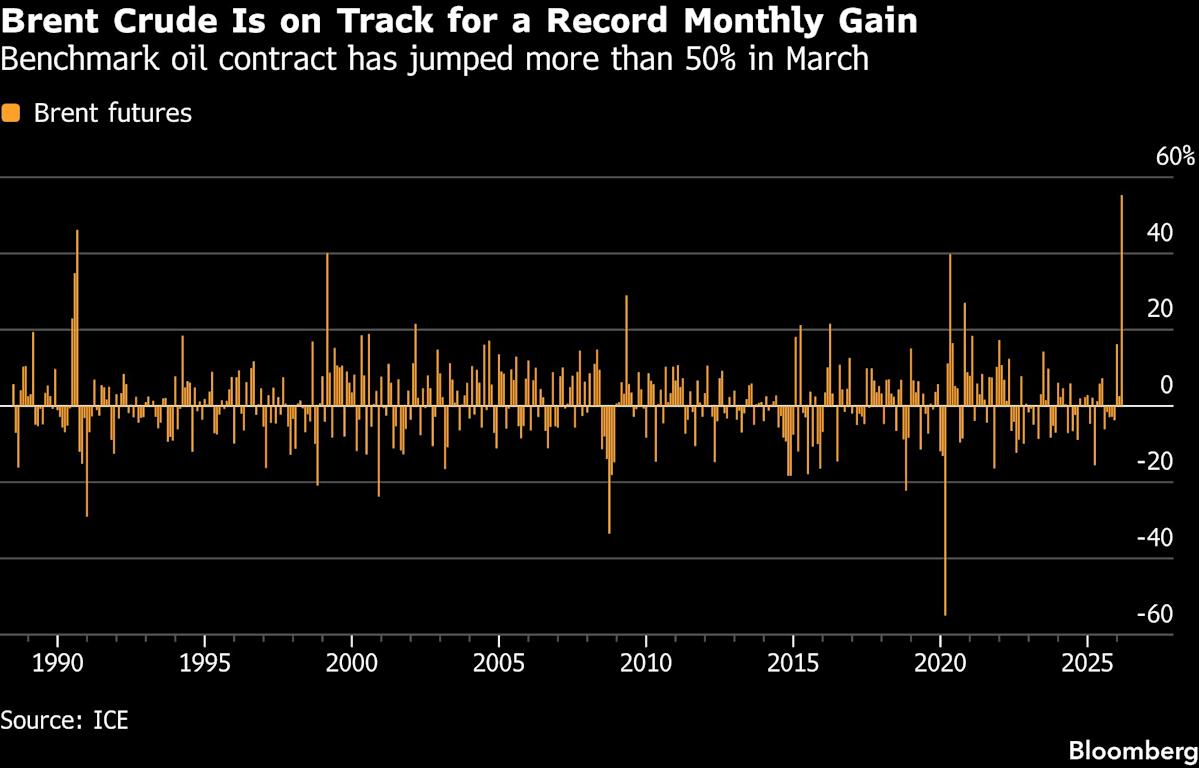
- Strong Energy Performance: Following U.S. and Israeli attacks on Iran, oil and gas prices surged, with ExxonMobil and Chevron both rising approximately 40% year-to-date, highlighting the critical role of the energy sector in supporting the S&P 500 amid market volatility.
- Consumer Staples Resilience: Walmart and Costco, as consumer staples giants, have seen their stock prices increase over 10% year-to-date, demonstrating their ability to attract consumers under inflationary pressures, which underscores their resilience and market appeal in uncertain economic conditions.
- Micron Technology's Surprising Gains: Despite a recent pullback, Micron Technology's shares remain significantly up year-to-date, driven by high demand for its high-bandwidth memory and NAND flash memory crucial for AI infrastructure, indicating the potential of tech stocks in the current market landscape.
- Importance of Market Diversification: While these five stocks have provided some support to the S&P 500, the index still faces potential correction risks, emphasizing the importance of portfolio diversification to navigate future market fluctuations.

Vanguard ETFs Shine Amid Market Turbulence
- Safe Haven: The Vanguard Short-Term Inflation-Protected Securities ETF (VTIP) focuses on short-term U.S. Treasury bonds, delivering only a 3.15% return over the past decade, yet it protects capital during market downturns, ensuring investors' purchasing power remains intact against inflation.
- Consumer Staples ETF Outperformance: The Vanguard Consumer Staples ETF (VDC), holding 104 consumer staples stocks, only fell 4% during the 2022 bear market, significantly outperforming the S&P 500's 19% drop and the Nasdaq's 33%, demonstrating its resilience amid economic uncertainty.
- Attractiveness of High-Quality Dividend Stocks: The Vanguard Dividend Appreciation ETF (VIG) tracks the S&P U.S. Dividend Growers Index and currently holds 338 stocks; while it is not immune to market sell-offs, it has historically outperformed the S&P 500 during downturns, with an annual expense ratio of just 0.04%.
- Cost Efficiency Advantage: The Vanguard Consumer Staples ETF boasts an annual expense ratio of 0.09%, significantly lower than the average 0.73% for similar funds, making it a preferred choice for investors seeking cost-effective options during turbulent times.

Investment Havens Amid Market Turmoil
- Valuation Risks: The S&P 500's Shiller CAPE ratio is nearing its highest level since the dot-com bubble burst, indicating that market valuations are high, which necessitates caution from investors regarding potential market corrections.
- Inflation-Protected ETF: The Vanguard Short-Term Inflation-Protected Securities ETF (VTIP) focuses on short-term U.S. Treasury bonds, delivering only a 3.15% return over the past decade, yet effectively safeguards investors' purchasing power during market downturns, with an annual expense ratio of just 0.03%.
- Consumer Staples ETF Performance: The Vanguard Consumer Staples ETF (VDC) holds 104 consumer staples stocks and has historically outperformed the overall market during downturns, finishing 2022 down only 4%, significantly better than the S&P 500's 19% and Nasdaq's 33% declines.
- Dividend Growth ETF: The Vanguard Dividend Appreciation ETF (VIG) tracks the S&P U.S. Dividend Growers Index with 338 stocks, although it carries sell-off risks during market volatility, it has historically outperformed the S&P 500 and has a low annual expense ratio of 0.04%.
Target Soars in 2026—Wall Street Might Be Poised to Take a Break
Target's Stock Performance: Target's stock has seen a significant rise of over 20% in 2026 as investor confidence grows in the retailer's turnaround plan under new CEO Michael Fiddelke, despite previous struggles following a sharp decline after the pandemic peak.
Challenges and Competition: The company has faced challenges from competitors like Walmart, which has gained market share, while Target's stock fell more than 50% during a rough period, highlighting the volatility and pressures from inflation and changing consumer behavior.
Future Growth Expectations: Target's recent earnings report showed mixed results, with earnings per share exceeding expectations but revenue declining slightly. The company anticipates modest sales growth of about 2% year-over-year and plans to invest over $5 billion in improvements across its business.
Analyst Sentiment: Following the earnings report, analysts have raised their price targets for Target's stock, indicating a cautious optimism about the company's potential for recovery, although many remain cautious and are waiting for clearer evidence of a successful turnaround strategy.
Walmart's Acquisition of Jet: A Strategic Game Changer
- Significant E-commerce Growth: Walmart's acquisition of Jet.com enabled it to expand its online assortment from 8 million to over 35 million items, with U.S. e-commerce growth reaching 29% in 2017 and soaring to 63% in Q1 2018, demonstrating its robust expansion in the e-commerce sector.
- Strategic Flipkart Acquisition: In 2018, Walmart acquired a 77% stake in India's largest e-commerce platform, Flipkart, for $16 billion; despite initial market skepticism, this investment laid the groundwork for Walmart's presence in India's rapidly growing e-commerce market, expected to see significant growth over the next decade.
- Rapid Advertising Business Growth: Walmart's advertising revenue reached $6.4 billion in 2025, growing 46% year-over-year, with advertising and membership income accounting for one-third of its operating profit in Q4, highlighting its potential in the high-margin advertising market.
- Intensifying Competition with Amazon: While Amazon's advertising revenue penetration is at 8% and Walmart's at 4%, Walmart's ad growth rate is more than double Amazon's, indicating a rapid acceleration in Walmart's advertising capabilities that could pose a significant threat to Amazon's dominance.
Walmart's Jet.com Acquisition: A Strategic Game Changer
- Accelerated E-commerce Growth: Following the acquisition of Jet.com, Walmart expanded its online assortment from 8 million to 35 million items, driving a 29% increase in U.S. e-commerce in 2017 and a remarkable 63% surge in Q1 2018, demonstrating the success of its e-commerce transformation strategy.
- Significant Impact of Flipkart Acquisition: Walmart's $16 billion acquisition of a 77% stake in Flipkart in 2018 faced initial market skepticism, yet Flipkart has now become a key driver of Walmart's international e-commerce growth, contributing to seven consecutive quarters of over 20% growth in global e-commerce revenue.
- Rapid Growth of Advertising Business: Walmart's advertising revenue reached $6.4 billion in 2025, growing 46% year-over-year, with Q4 advertising and membership income accounting for one-third of operating profit, indicating a significant enhancement in profitability in a traditionally low-margin sector.
- Intensifying Competition with Amazon: While Walmart's advertising revenue penetration stands at 4% compared to Amazon's 8%, the improvement in Walmart's e-commerce infrastructure suggests a narrowing competitive gap, positioning Walmart for substantial future growth potential.
Five Stocks Supporting the S&P 500
- Strong Energy Performance: Following U.S. and Israeli attacks on Iran, oil and gas prices surged, with ExxonMobil and Chevron both rising approximately 40% year-to-date, highlighting the critical role of the energy sector in supporting the S&P 500 amid market volatility.
- Consumer Staples Resilience: Walmart and Costco, as consumer staples giants, have seen their stock prices increase over 10% year-to-date, demonstrating their ability to attract consumers under inflationary pressures, which underscores their resilience and market appeal in uncertain economic conditions.
- Micron Technology's Surprising Gains: Despite a recent pullback, Micron Technology's shares remain significantly up year-to-date, driven by high demand for its high-bandwidth memory and NAND flash memory crucial for AI infrastructure, indicating the potential of tech stocks in the current market landscape.
- Importance of Market Diversification: While these five stocks have provided some support to the S&P 500, the index still faces potential correction risks, emphasizing the importance of portfolio diversification to navigate future market fluctuations.
Vanguard ETFs Shine Amid Market Turbulence
- Safe Haven: The Vanguard Short-Term Inflation-Protected Securities ETF (VTIP) focuses on short-term U.S. Treasury bonds, delivering only a 3.15% return over the past decade, yet it protects capital during market downturns, ensuring investors' purchasing power remains intact against inflation.
- Consumer Staples ETF Outperformance: The Vanguard Consumer Staples ETF (VDC), holding 104 consumer staples stocks, only fell 4% during the 2022 bear market, significantly outperforming the S&P 500's 19% drop and the Nasdaq's 33%, demonstrating its resilience amid economic uncertainty.
- Attractiveness of High-Quality Dividend Stocks: The Vanguard Dividend Appreciation ETF (VIG) tracks the S&P U.S. Dividend Growers Index and currently holds 338 stocks; while it is not immune to market sell-offs, it has historically outperformed the S&P 500 during downturns, with an annual expense ratio of just 0.04%.
- Cost Efficiency Advantage: The Vanguard Consumer Staples ETF boasts an annual expense ratio of 0.09%, significantly lower than the average 0.73% for similar funds, making it a preferred choice for investors seeking cost-effective options during turbulent times.
Investment Havens Amid Market Turmoil
- Valuation Risks: The S&P 500's Shiller CAPE ratio is nearing its highest level since the dot-com bubble burst, indicating that market valuations are high, which necessitates caution from investors regarding potential market corrections.
- Inflation-Protected ETF: The Vanguard Short-Term Inflation-Protected Securities ETF (VTIP) focuses on short-term U.S. Treasury bonds, delivering only a 3.15% return over the past decade, yet effectively safeguards investors' purchasing power during market downturns, with an annual expense ratio of just 0.03%.
- Consumer Staples ETF Performance: The Vanguard Consumer Staples ETF (VDC) holds 104 consumer staples stocks and has historically outperformed the overall market during downturns, finishing 2022 down only 4%, significantly better than the S&P 500's 19% and Nasdaq's 33% declines.
- Dividend Growth ETF: The Vanguard Dividend Appreciation ETF (VIG) tracks the S&P U.S. Dividend Growers Index with 338 stocks, although it carries sell-off risks during market volatility, it has historically outperformed the S&P 500 and has a low annual expense ratio of 0.04%.