How Alibaba's Latest 5nm Chip Might Revolutionize the Industry
Market Activity and Investor Sentiment: Alibaba Group has experienced significant stock volatility due to disappointing earnings reports, raising concerns about profitability and investor confidence, despite long-term strategic advancements in AI technology.
Introduction of the C950 Chip: The unveiling of Alibaba's proprietary C950 chip marks a significant technological milestone, positioning the company to compete at high levels in the semiconductor industry and enhancing its capabilities in AI and cloud computing.
Strategic Shift and Independence: By developing its own chip based on an open-source architecture, Alibaba aims to reduce dependency on foreign suppliers, mitigate geopolitical risks, and strengthen its technological independence, which is crucial for its future growth.
Long-term Growth Potential: Despite short-term market pressures, Alibaba's investments in AI and cloud intelligence are expected to yield substantial long-term growth, with recent earnings showing a 36% year-over-year revenue increase in its cloud division, indicating a positive trajectory for the company's future.
Trade with 70% Backtested Accuracy
Analyst Views on BABA

About BABA
About the author


Alibaba's Hong Kong Shares Expected to Decline by 3.6% at Opening

- Market Performance: Hong Kong shares of Alibaba have opened down by 3.6%.
- Investor Sentiment: The decline reflects ongoing concerns among investors regarding Alibaba's market position and broader economic factors.
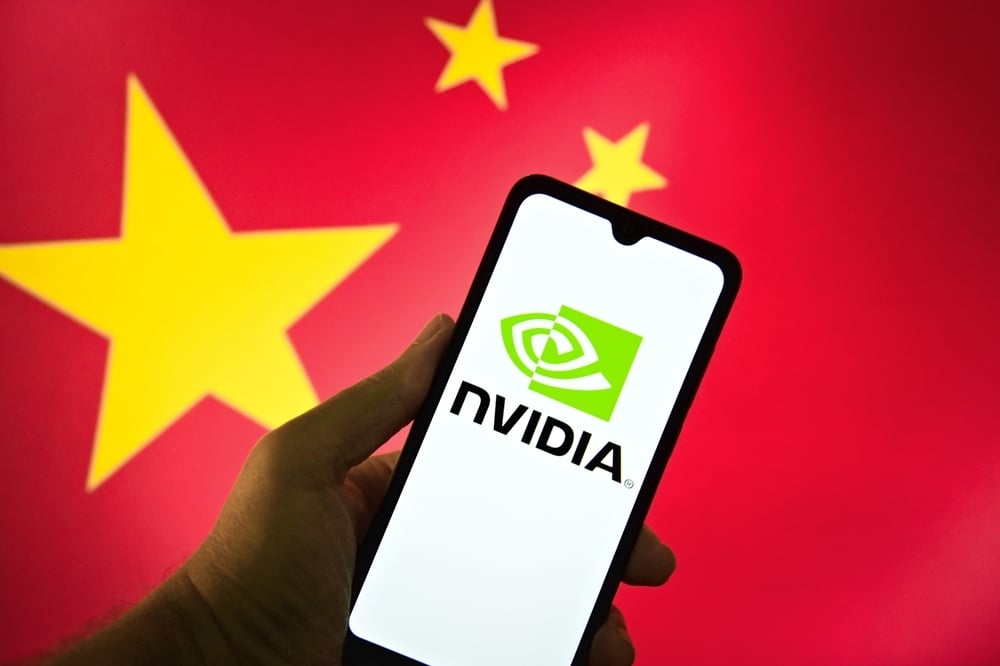
Alibaba Accelerates Shift to Huawei Chips Amid Nvidia Restrictions

- Domestic Chip Demand Surge: Alibaba and ByteDance are preparing to order Huawei's latest AI chips after positive customer testing results, indicating a significant increase in acceptance of domestic alternatives among China's major tech firms, which could reshape the competitive landscape.
- Enhanced Compatibility of 950PR Chip: Huawei's new 950PR chip is gaining traction due to improved compatibility with Nvidia's CUDA ecosystem, with plans to produce around 750,000 units by 2026 and mass shipments expected in the second half of the year, further solidifying its market position.
- US Restrictions Drive Local Market: US restrictions on Nvidia chips are creating opportunities for Huawei and other local players, while China accelerates efforts to build its semiconductor capabilities, driving expansion in domestic chip production.
- Analyst Outlook Remains Positive: Despite Nvidia facing export restrictions, analysts predict that improved export approvals could generate approximately $3 billion in revenue for every 100,000 H200 GPUs shipped, indicating strong market demand remains intact.

Amazon Stock Drops Amid AI Investment Concerns

- Stock Price Decline: Amazon (AMZN) closed at $199.34 on Friday, down 4.02%, primarily due to investor concerns over rising AI-related capital expenditures, tougher macroeconomic conditions, and regulatory pressures, leading to a bearish market sentiment.
- Surge in Trading Volume: The trading volume reached 55.4 million shares, nearly 13% above the three-month average of 49.1 million shares, indicating heightened investor scrutiny regarding Amazon's future profitability amidst rising investment needs.
- Profitability Pressure: Investors are closely monitoring how Amazon's AWS and retail sectors will manage increased AI investment demands, particularly as profitability may be impacted, resulting in a more cautious outlook on future growth.
- Market Performance Comparison: Within the e-commerce and cloud computing sectors, competitors Alibaba and Walmart saw stock declines of 2.17% and a slight increase of 0.58%, respectively, highlighting the mixed performance across the industry and intensifying the market pressures faced by Amazon.
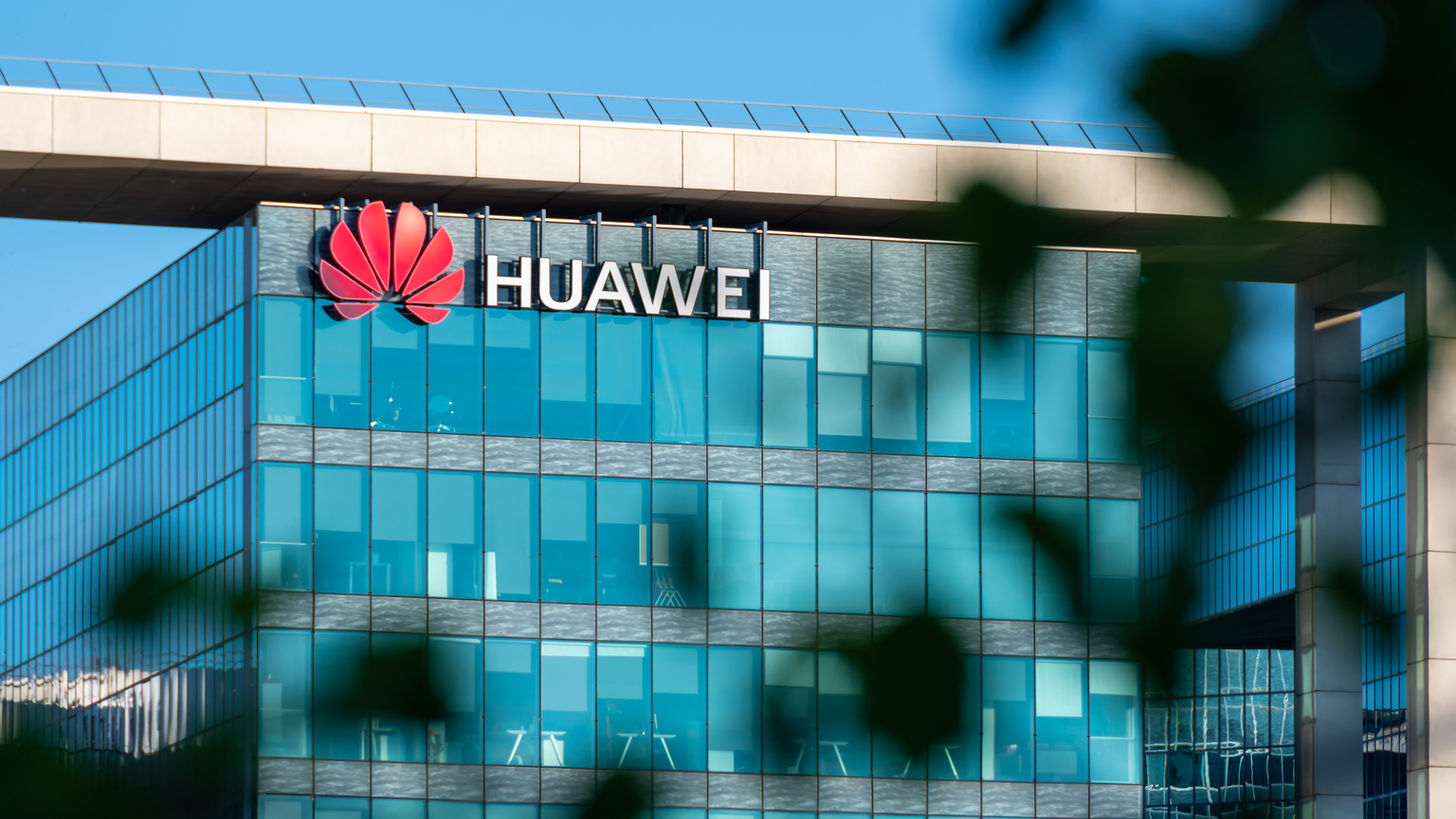
Huawei's New AI Chip Testing Proceeds Smoothly
- Successful Customer Testing: Huawei's new 950PR AI chip has performed well in customer testing, with companies like Alibaba and ByteDance planning to place orders, indicating a rising demand for local chips despite previous challenges in promoting the Ascend 910C.
- Shipping Expectations: Huawei aims to ship approximately 750,000 units of the 950PR chip in 2023, with samples sent in January and mass production expected to start next month, setting the stage for full-scale shipments in the second half of the year, thereby enhancing Huawei's competitive position in the AI market.
- Pricing and Performance: The 950PR chip is priced at around 50,000 yuan (approximately $6,900), with a high-bandwidth memory version costing about 70,000 yuan; while it offers only a slight improvement in raw computing power over the 910C, it excels in handling inference workloads, meeting market demand for efficient chips.
- Enhanced Software Compatibility: The new chip's improved compatibility with Nvidia's CUDA software system allows Chinese tech companies to migrate existing models more easily, which is expected to boost local developers' willingness to adopt Huawei's technology, further increasing Huawei's market share domestically.
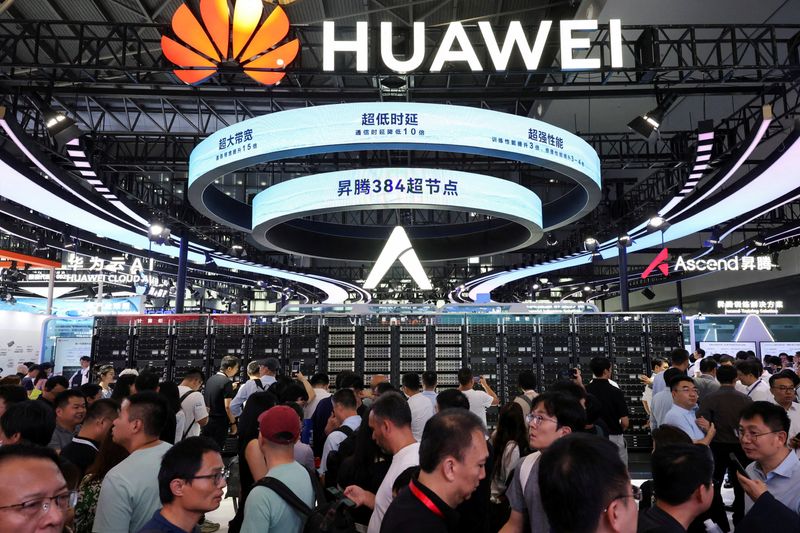
Huawei's New AI Chip 950PR Gains Interest from Major Tech Firms
- Successful Customer Testing: Huawei's new AI chip, the 950PR, has performed well in customer testing, with major tech firms like ByteDance and Alibaba planning to place orders, indicating a shift in market acceptance of domestic semiconductors that could reshape Huawei's competitive landscape in the AI chip market.
- Clear Production Plans: Huawei aims to ship approximately 750,000 units of the 950PR chip in 2023, with samples sent out in January and mass production expected to begin next month, setting the stage for full-scale shipments in the second half of the year, thereby solidifying its market position.
- Enhanced Technical Compatibility: The 950PR chip offers improved compatibility with Nvidia's CUDA software system and faster response times, enabling Chinese tech firms to migrate existing models more easily, which is crucial as demand for AI inference computing surges in the region.
- Surging Market Demand: As China's tech sector shifts focus from model development to real-world deployment, the demand for AI inference computing is skyrocketing, and the launch of the 950PR chip aligns perfectly with this trend, potentially opening new growth avenues for Huawei.
EXCLUSIVE: HUAWEI'S NEW AI CHIP 950PR RECEIVES POSITIVE CUSTOMER TESTING; BYTEDANCE AND ALIBABA SET TO PLACE ORDERS - SOURCES
Huawei's New AI Chip: Huawei has introduced its new AI chip, the 950 PR, which has received positive feedback from customers.
Collaboration with Alibaba: The company plans to collaborate with Alibaba to facilitate order placements for the new chip.
Alibaba's Hong Kong Shares Expected to Decline by 3.6% at Opening
- Market Performance: Hong Kong shares of Alibaba have opened down by 3.6%.
- Investor Sentiment: The decline reflects ongoing concerns among investors regarding Alibaba's market position and broader economic factors.
Alibaba Accelerates Shift to Huawei Chips Amid Nvidia Restrictions
- Domestic Chip Demand Surge: Alibaba and ByteDance are preparing to order Huawei's latest AI chips after positive customer testing results, indicating a significant increase in acceptance of domestic alternatives among China's major tech firms, which could reshape the competitive landscape.
- Enhanced Compatibility of 950PR Chip: Huawei's new 950PR chip is gaining traction due to improved compatibility with Nvidia's CUDA ecosystem, with plans to produce around 750,000 units by 2026 and mass shipments expected in the second half of the year, further solidifying its market position.
- US Restrictions Drive Local Market: US restrictions on Nvidia chips are creating opportunities for Huawei and other local players, while China accelerates efforts to build its semiconductor capabilities, driving expansion in domestic chip production.
- Analyst Outlook Remains Positive: Despite Nvidia facing export restrictions, analysts predict that improved export approvals could generate approximately $3 billion in revenue for every 100,000 H200 GPUs shipped, indicating strong market demand remains intact.
Amazon Stock Drops Amid AI Investment Concerns
- Stock Price Decline: Amazon (AMZN) closed at $199.34 on Friday, down 4.02%, primarily due to investor concerns over rising AI-related capital expenditures, tougher macroeconomic conditions, and regulatory pressures, leading to a bearish market sentiment.
- Surge in Trading Volume: The trading volume reached 55.4 million shares, nearly 13% above the three-month average of 49.1 million shares, indicating heightened investor scrutiny regarding Amazon's future profitability amidst rising investment needs.
- Profitability Pressure: Investors are closely monitoring how Amazon's AWS and retail sectors will manage increased AI investment demands, particularly as profitability may be impacted, resulting in a more cautious outlook on future growth.
- Market Performance Comparison: Within the e-commerce and cloud computing sectors, competitors Alibaba and Walmart saw stock declines of 2.17% and a slight increase of 0.58%, respectively, highlighting the mixed performance across the industry and intensifying the market pressures faced by Amazon.
Huawei's New AI Chip Testing Proceeds Smoothly
- Successful Customer Testing: Huawei's new 950PR AI chip has performed well in customer testing, with companies like Alibaba and ByteDance planning to place orders, indicating a rising demand for local chips despite previous challenges in promoting the Ascend 910C.
- Shipping Expectations: Huawei aims to ship approximately 750,000 units of the 950PR chip in 2023, with samples sent in January and mass production expected to start next month, setting the stage for full-scale shipments in the second half of the year, thereby enhancing Huawei's competitive position in the AI market.
- Pricing and Performance: The 950PR chip is priced at around 50,000 yuan (approximately $6,900), with a high-bandwidth memory version costing about 70,000 yuan; while it offers only a slight improvement in raw computing power over the 910C, it excels in handling inference workloads, meeting market demand for efficient chips.
- Enhanced Software Compatibility: The new chip's improved compatibility with Nvidia's CUDA software system allows Chinese tech companies to migrate existing models more easily, which is expected to boost local developers' willingness to adopt Huawei's technology, further increasing Huawei's market share domestically.
Huawei's New AI Chip 950PR Gains Interest from Major Tech Firms
- Successful Customer Testing: Huawei's new AI chip, the 950PR, has performed well in customer testing, with major tech firms like ByteDance and Alibaba planning to place orders, indicating a shift in market acceptance of domestic semiconductors that could reshape Huawei's competitive landscape in the AI chip market.
- Clear Production Plans: Huawei aims to ship approximately 750,000 units of the 950PR chip in 2023, with samples sent out in January and mass production expected to begin next month, setting the stage for full-scale shipments in the second half of the year, thereby solidifying its market position.
- Enhanced Technical Compatibility: The 950PR chip offers improved compatibility with Nvidia's CUDA software system and faster response times, enabling Chinese tech firms to migrate existing models more easily, which is crucial as demand for AI inference computing surges in the region.
- Surging Market Demand: As China's tech sector shifts focus from model development to real-world deployment, the demand for AI inference computing is skyrocketing, and the launch of the 950PR chip aligns perfectly with this trend, potentially opening new growth avenues for Huawei.
EXCLUSIVE: HUAWEI'S NEW AI CHIP 950PR RECEIVES POSITIVE CUSTOMER TESTING; BYTEDANCE AND ALIBABA SET TO PLACE ORDERS - SOURCES
Huawei's New AI Chip: Huawei has introduced its new AI chip, the 950 PR, which has received positive feedback from customers.
Collaboration with Alibaba: The company plans to collaborate with Alibaba to facilitate order placements for the new chip.